
Last updated: October 29, 2026
Key Takeaways
- Begin with a soil test, finished compost, and mulch for the surface.
- Clear the bed surface and measure the area before treating it.
- The right amendment depends on soil structure and the problem you are solving.
- Use compost as the main amendment, aged manure sparingly, worm castings in small spots, and mulch as the top layer.
How to Improve Garden Soil Organically works best when you match the amendment to the problem: add compost for tired, thin soil, add coarse organic matter for sticky clay, and keep mulch on top so rain and sun do less damage. Quick answer: in most beds, 1 to 2 inches of finished compost plus 2 to 4 inches of organic mulch is the simplest organic starting point. The goal is not “perfect soil” in one season; it is better structure, steadier moisture, and more life in the top 6 to 8 inches.
What you need first before you change anything
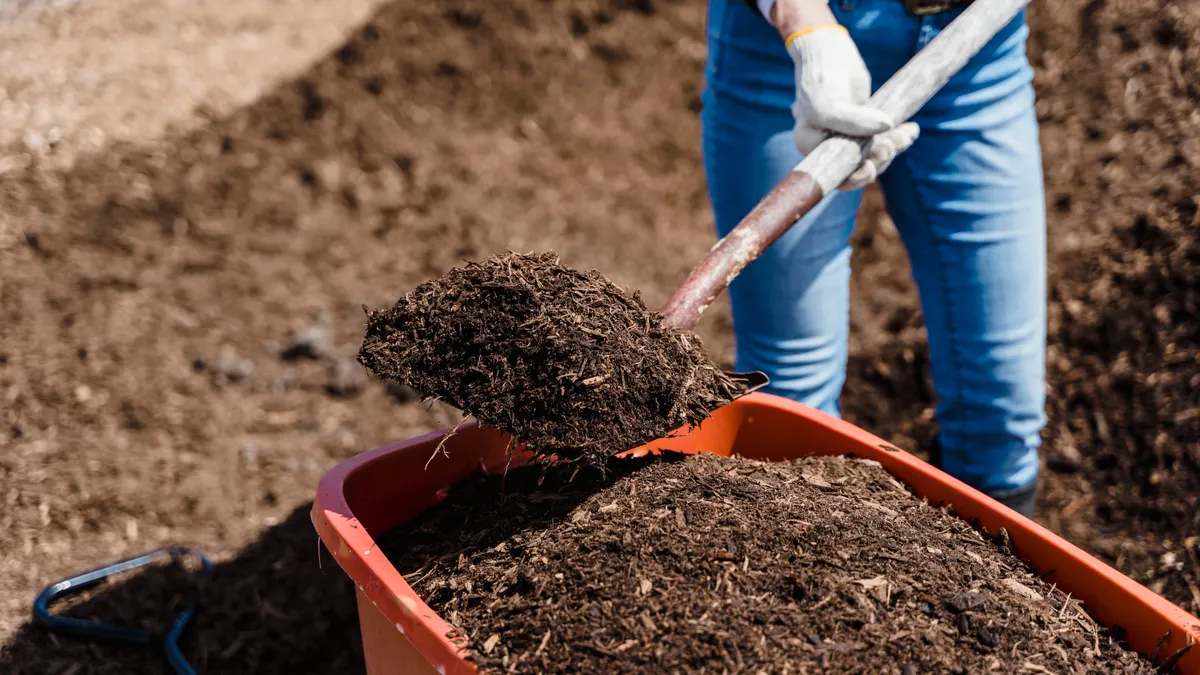
Start with a soil test, a bag or source of finished compost, and a way to mulch the surface. A simple soil test tells you whether pH or nutrients are part of the problem, so you do not keep piling on amendments that do the wrong job. If you already have a test, read the texture and pH first; if you do not, treat the bed as a general improvement project, and consult a local extension office or garden professional if the bed has drainage or crop-failure issues. USDA NRCS
You also need to know what kind of soil you are dealing with. Clay feels sticky, forms a ribbon when wet, and tends to hold water too long. Sandy soil falls apart easily, drains fast, and dries out between waterings. Compacted soil is hard to push into, crusts on top, and lets water sit or run off instead of soaking in. A garden bed can have more than one of these problems at once.
A few tools make the job easier: a digging fork, a rake, a wheelbarrow, and a 1- to 2-inch layer of compost or other well-finished organic material. If you are working around existing plants, a hand fork or trowel is safer than turning the whole bed with a shovel. That matters because roots live in the upper soil, and rough digging can break them. NC State Extension
For broader planting advice after the soil is fixed, the organic vegetable garden hub is the right next stop.
How to improve garden soil organically, step by step
-
Clear the surface and measure the bed. Remove weeds, dead stems, plastic labels, and any thick thatch, then note the area you will treat. In a 4-by-8-foot bed, for example, the surface is easy to estimate, which helps you spread amendments evenly instead of dumping them in one corner. When this step works, the soil surface is visible and open, not matted with debris.
-
Read the soil problem before you choose the fix. Dig a small hole 6 inches deep and look at the texture in your hand. Clay clumps, sandy soil runs through your fingers, and compacted soil resists a fork. This matters because the same bagged amendment does not solve every problem. When you identify the texture correctly, the next choice becomes obvious instead of guesswork.
-
Apply 1 to 2 inches of finished compost over the bed. Spread it on top like a blanket rather than mixing huge amounts deep into the soil at once. Finished compost feeds soil organisms, improves water holding, and helps loosen both clay and sand over time. A thin, even layer is better than a thick pile; if it looks like a fresh mound, it is too much. (Source: Royal Horticultural Society)
-
Work compost into the top 6 to 8 inches only where needed. Use a digging fork to loosen dense soil, then fold the compost into the upper layer. Do not overturn the whole bed to subsoil depth unless the bed is truly abandoned. The result you want is a crumblier top layer that still has visible aggregates, not powder and not lumps the size of bricks.
-
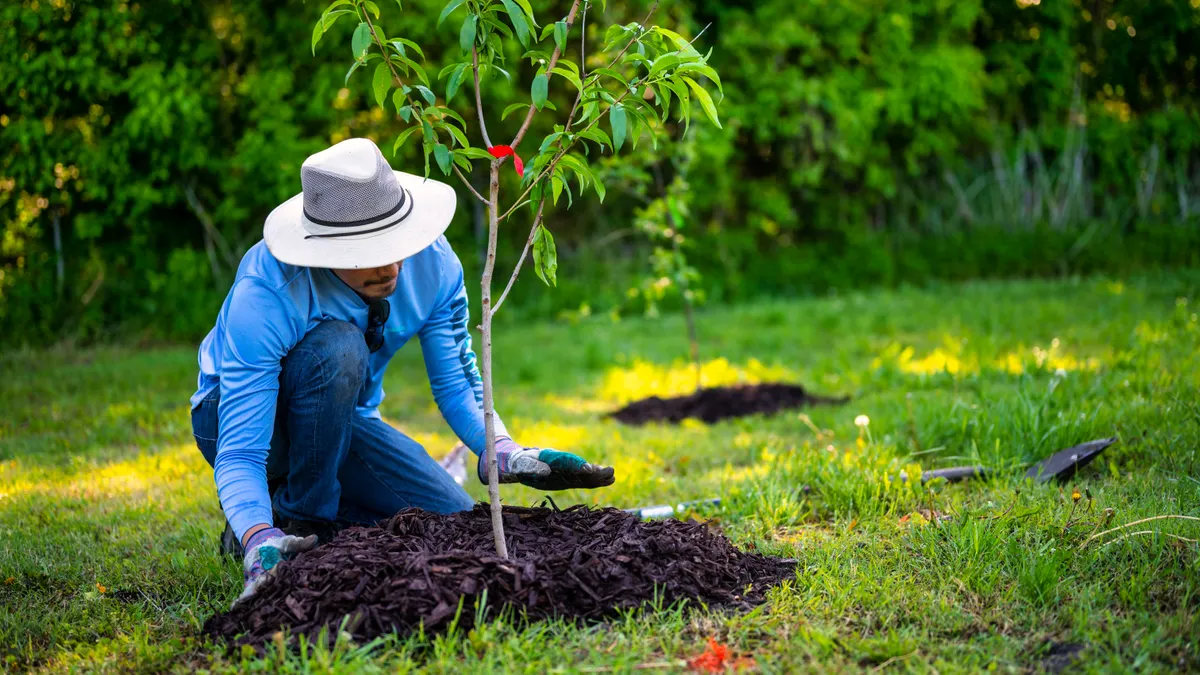
Add mulch after planting or around established plants. Lay 2 to 4 inches of shredded leaves, straw, bark fines, or another organic mulch over bare soil, keeping it a few inches away from stems. Mulch slows evaporation, softens rain impact, and feeds the surface as it breaks down. If you can scratch under the mulch and still find moist soil a day or two later, it is doing its job. University of Minnesota Extension
-
Water deeply so the amendments can settle. After spreading compost and mulch, give the bed a slow soak rather than a quick splash. This helps the new layer knit into the old soil and reveals drainage problems before you plant too much. Good soil improvement shows up as even moisture, not puddles or a crusted top.
-
Repeat with small top-dressings instead of a one-time overhaul. Add another thin layer of compost at planting time or after harvest, then refresh mulch as it breaks down. Most garden soils improve more reliably with 1 to 2 modest additions a year than with a single heavy intervention. If the bed is already productive, top-dressing is usually enough.
Which amendment matches clay, sandy, or compacted soil?
The best amendment depends on the soil’s structure, not just its color or how “rich” it looks. Clay, sandy, and compacted soil each fail in a different way, so the fix should target that failure.
For clay soil, finished compost is the first choice. Clay holds water tightly and packs down, so the goal is to create more pore space and biological activity. Compost does that over time. Add organic mulch on top as well, because bare clay bakes hard after sun and rain. What to avoid: dumping in sand alone. That can make some clay soils denser, not looser, especially if the sand is not coarse and the mixing is uneven. USDA NRCS
For sandy soil, compost and other well-rotted organic matter help the bed hold moisture and nutrients longer. Sandy soil drains fast, so it needs material that acts like a sponge. Worm castings can be useful in smaller amounts around seedlings or in a seed-starting mix, but they are not a substitute for bulk compost in a whole bed. What to avoid: using only fast-release liquid feeds. They wash through sand too quickly and do not improve structure. University of Minnesota Extension
For compacted soil, the first job is to open space without destroying what life is already there. A digging fork, broadfork, or garden fork can break up the top layer without turning it into fine dust. Then add compost and mulch. What to avoid: tilling wet soil. Wet clay or compacted soil smears and seals, and you end up with a harder pan when it dries.
If the bed has poor drainage, the simplest sign is water sitting on the surface for a long time after watering. In that case, organic matter helps, but it may not be enough if the site is low-lying or has an underlying hard layer. That is a site problem, not just a soil problem.
Should you use compost, manure, worm castings, or mulch?
Use compost as the main amendment, manure only when it is fully aged, worm castings in small targeted amounts, and mulch as the surface layer. Those four materials do different jobs, and a good soil plan usually uses more than one of them.
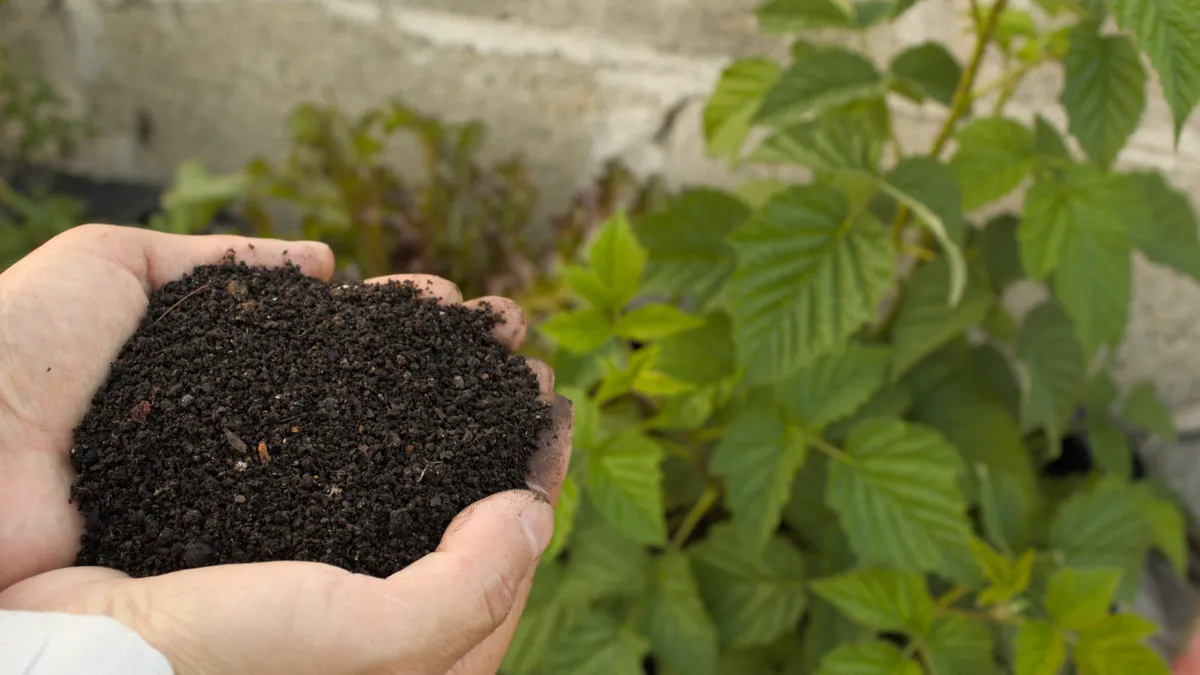
Compost is the broadest fix. It adds organic matter, supports soil biology, and improves texture in almost every garden bed. Finished compost should look dark, crumbly, and earthy, not hot, sour, or visibly raw. If the pile is still heating or the material is recognizable as fresh kitchen waste or bedding, it is not ready for the garden.
Manure can be useful, but only when it is well-aged or composted. Fresh manure can burn plants, carry pathogens, and smell strong enough to draw pests. Aged manure is better suited for soil building because it behaves more like compost. It is a strong choice for poor, exhausted beds, but it should be handled carefully around crops that touch the soil directly.
Worm castings are a concentrated soil conditioner rather than a bulk soil fix. They are valuable in seed trays, transplant holes, or small top-dressings around seedlings. They do not replace compost in a whole bed because the volume is usually too small and the cost is usually higher than compost. A thin scatter is enough; more is not automatically better.
Mulch does not “feed” soil the way compost does, but it protects the soil so improvements last longer. On a hot, dry site, mulch can matter as much as the amendment underneath it. The right mulch is loose and organic, not a sealed mat that blocks water. If it is too fine or packed too thick, it can keep rain from reaching the soil.
A common mistake is treating every amendment as if it solved the same problem. It costs time and money, and it can leave the bed looking improved while the underlying structure barely changes. If you are unsure which material fits your bed, consult a local extension office, since the right choice depends on the soil and the planting goal. USDA NRCS
How do you know if your soil is poor?
Poor soil shows itself through plant stress, bad drainage, and weak structure more than through appearance alone. A bed can look dark and still drain badly, or look pale and still grow decent crops if the texture is decent and the biology is active.
Watch for these signs: water pooling after rain, roots staying shallow, plants wilting quickly between waterings, a crust forming on the surface, and soil that is hard to dig even after watering. If you pull up a plant and the roots are short, circling, or stunted, the soil may be compacted or starved of air. A healthy bed usually breaks into loose crumbs when you squeeze a handful lightly; poor soil often clumps into a brick or collapses into dry dust.
A soil test helps separate nutrient issues from structure issues. If the test shows pH is outside the range your plants prefer, organic matter alone will not fully fix the bed. pH changes are slower than people expect, and this page is not the place to treat pH as a quick cosmetic tweak; consult a soil lab, extension office, or other qualified professional before trying to correct it. If you need to adjust pH, follow a dedicated testing and correction process rather than guessing with random inputs. University of Minnesota Extension
The safest rule is this: if plants fail in one bed but grow fine in another bed with the same watering and sun, the soil is probably the difference. That difference is often structure, not fertilizer. A soil that needs constant feeding is usually asking for better building material, not just more nutrients.
What mistakes slow soil improvement down?
The biggest mistake is working wet soil, and the cost is compaction that can linger for months. Wet clay smears, seals, and loses the air spaces roots need. Wait until it is moist but not sticky before you dig or fork it. If a handful makes a shiny ribbon, it is too wet.
Another mistake is burying raw organic matter deep in the bed. Fresh grass clippings, half-rotted leaves, or undecomposed manure can tie up nitrogen or create sour pockets. Keep raw material on the surface for composting, or use only finished compost in the root zone. That keeps oxygen in the soil and avoids a slow, messy breakdown below ground.
A third mistake is skipping mulch because the bed “looks neat” without it. Bare soil loses moisture faster, crusts more easily, and gets hammered by rain. A 2- to 4-inch mulch layer saves effort later. The trade-off is that mulch can harbor slugs or keep the soil cool in spring, so adjust the thickness and timing to your climate.
A fourth mistake is expecting one treatment to fix every soil type. Clay still needs repeated organic matter additions. Sandy soil still needs ongoing top-dressing. Compacted soil often needs both loosening and rebuilding. If the bed is very poor, improvement is a season-by-season job, not a one-weekend job.
How long does organic soil improvement take?
Organic soil improvement usually takes one season to show clear change and longer to become dependable. A bed that gets compost and mulch may look better within weeks, especially in moisture retention and surface texture, but deeper structure builds more slowly.
The first visible change is often at the surface: less crusting, better moisture after watering, and easier digging in the top layer. Over time, earthworms and microbes help form stable crumbs that hold together without turning heavy. That is the real sign the soil is changing, not just getting darker. Dark color alone can come from fresh material; crumb structure comes from biology and time.
If the soil was only mildly poor, a yearly cycle of compost plus mulch may be enough to keep it productive. If it was badly compacted, sandy, or exhausted, it may need several rounds. The point is steady improvement, not perfection by a deadline. This is why organic soil building suits gardeners who plan to use the same bed for years.
A useful habit is to add compost after harvest and mulch again before the next planting. That keeps the soil covered and fed without overworking it. It also makes future planting easier because the bed stays loose, damp, and alive instead of swinging between dust and mud.
How do i know if my soil is poor?
Poor soil usually shows up as slow growth, shallow roots, crusting, or water that sits on top instead of soaking in. A soil test can confirm whether pH or nutrients are part of the issue, but the easiest clue is what plants do in the bed. If one area consistently performs worse than the rest, the soil there likely needs rebuilding.
How often should i add compost?
Add compost at least once a year, and more often in small top-dressings if the bed is heavily used. A thin layer after harvest or before planting is usually enough for maintenance. If the soil is sandy, exhausted, or compacted, repeat small applications are better than one big dump.
What is the best organic soil amendment?
Compost is the best all-around organic soil amendment for most garden beds. It improves texture, supports soil life, and helps both clay and sandy soil in ways that single-issue amendments usually do not. Manure, worm castings, and mulch are useful too, but they work best as supporting materials rather than the main fix.
Drafted with AI; not yet reviewed by a person.