
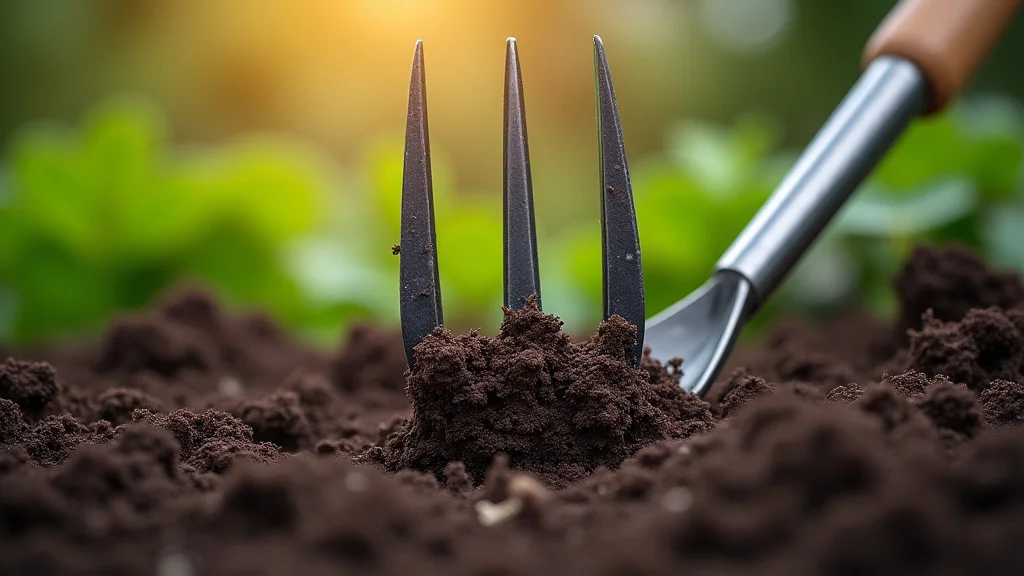
Remember that time your grandma’s prize-winning roses started looking a little sad? You knew something was wrong, but what? Turns out, compacted soil was the culprit, preventing the roots from getting the air and water they needed. A good gardening tools hand fork could have saved the day! This humble tool is more versatile than you might think. This post will show you how to choose the right gardening tools hand fork, the best ways to use it, and how it can significantly improve your garden’s health and your own gardening experience. By the end, you’ll feel confident using this tool for a variety of tasks, creating a thriving and beautiful outdoor space.
Key Takeaways
- Learn the different types of hand forks and what each is best for.
- Discover the benefits of using a hand fork for soil aeration and preparation.
- Find out how a hand fork assists in effective weeding and removing unwanted plants.
- Understand the various planting tasks that a hand fork is perfect for.
- Get tips on selecting the right hand fork for your specific gardening needs.
- Gain knowledge on how to maintain and care for your hand fork.
The Versatility of Gardening Tools Hand Forks
The gardening tools hand fork, often overlooked, is a powerhouse in the gardening shed. Its simple design belies a wide range of uses, making it a valuable asset for both novice and experienced gardeners. It’s not just a tool; it’s an extension of your hand, allowing you to interact directly with the soil and the plants.
Different Types of Hand Forks
While all hand forks share a similar basic design, variations exist. These variations are primarily in the number and shape of the tines. Choosing the right type for your tasks can make a significant difference in efficiency and ease of use.
- Three-Tine Hand Fork: This is the most common type. Its three sturdy tines are perfect for breaking up compacted soil, mixing in compost, and general gardening tasks. The wider spacing between the tines makes it suitable for working in various soil types.
- Four-Tine Hand Fork: Offering a bit more surface area, the four-tine fork provides extra stability and is excellent for heavier-duty tasks. It’s often preferred for digging and turning soil, especially in areas with clay soil.
- Narrow Hand Fork: Designed with a narrower head and tines, this type is ideal for working in tight spaces. Perfect for planting in flower beds or between established plants without disturbing the surrounding roots.
This type of fork is great for general garden upkeep. The design of the three tines allows for good leverage when you’re aerating soil or mixing in compost. They are less likely to bend or break under pressure.
The extra tine provides increased strength when dealing with tougher soil conditions or when you’re moving heavier material such as rocks or roots. Four-tine forks are also useful for breaking up clods.
The small size of narrow hand forks can also be helpful for tasks such as removing weeds. Because of the narrower design, they are great for tackling tasks where accuracy and precision are key.
The Advantages of Aerating Soil
Aerating soil is a vital gardening practice, and the gardening tools hand fork is the perfect tool for the job. Aeration helps to improve the overall health of your garden. By creating small pockets and channels within the soil, you’re providing crucial oxygen to the roots of your plants.
- Improved Drainage: Compacted soil often leads to poor drainage, causing water to pool around plant roots. A hand fork helps to create channels, allowing excess water to drain away, preventing root rot.
- Enhanced Nutrient Uptake: Aeration allows roots to more easily access the nutrients present in the soil. It breaks up the dense structure of the soil, making it easier for the roots to expand and absorb nutrients.
- Increased Oxygen Levels: Plant roots, like all living organisms, need oxygen to function. A hand fork helps to introduce oxygen into the soil, supporting root respiration and overall plant health.
Too much water can suffocate the roots, hindering the plant’s ability to absorb nutrients. Aerating the soil ensures the roots have the proper environment, leading to stronger, more resilient plants.
Plants need a steady supply of nutrients to thrive. By enhancing the soil’s structure, you’re improving the efficiency of nutrient absorption, leading to healthier growth and improved yields.
Think of it like breathing for your plants. Without adequate oxygen, the roots can’t properly function, inhibiting growth. By aerating the soil, you ensure that your plants have access to the oxygen they need.
Weeding Efficiency Using a Hand Fork
Weeding is a necessary but often tiresome part of gardening. The gardening tools hand fork is an efficient and effective tool to pull out unwanted plants. Its design allows for precise removal of weeds without disturbing surrounding plants.
- Targeted Removal: Unlike broader tools, the hand fork allows you to pinpoint individual weeds, minimizing damage to desirable plants. This accuracy saves time and effort, especially when dealing with weeds growing near other plants.
- Root Extraction: When used correctly, the hand fork helps you extract the entire weed, including the root system. This is crucial for preventing regrowth, as any remaining root fragments can easily sprout into new weeds.
- Soil Preparation: After pulling a weed, the hand fork can be used to break up the soil in the area, preparing it for replanting or mulching. This process improves the soil structure and creates a better environment for new plants to thrive.
The tines of the fork are perfect for loosening the soil around the weed’s roots, allowing for easy removal. This precision prevents you from accidentally disturbing the roots of your desired plants.
The goal is to get the whole root! By loosening the soil around the weed and gently levering it, you can remove the entire root structure. This approach eliminates the weed at the source and reduces the need for repeated weeding.
You can use the fork to loosen the soil and break up any compacted areas. This process ensures the area is ready for planting or mulching and helps prevent the future growth of weeds.
Applications of a Hand Fork in Planting
Beyond weeding and soil preparation, the gardening tools hand fork plays a crucial role in the planting process. It’s a key tool when it comes to the success of new plants.
Planting and Transplanting
The hand fork is indispensable when it comes to planting or transplanting. It helps to ensure that young plants have a good start and the proper conditions.
- Creating Planting Holes: The hand fork can be used to create holes of the correct size for planting seedlings or larger plants. This is especially useful in soil that is difficult to work with.
- Loosening Soil Around Roots: When transplanting plants, the hand fork can be used to gently loosen the soil around the roots before removing them from their current location. This helps to reduce shock and makes it easier for the plant to adapt to its new environment.
- Mixing Amendments: Before planting, the hand fork can be used to mix compost, fertilizer, or other soil amendments into the planting hole. This provides the plant with the necessary nutrients for healthy growth.
You can easily loosen the soil and create holes that are deep and wide enough to accommodate the plant’s root ball. This ensures the roots have enough space to spread out and establish themselves.
The goal is to minimize stress on the plant. Gently loosen the soil around the roots and carefully lift the plant, supporting the root ball. This will help the plant settle in its new location.
Mixing in soil amendments ensures that the roots have easy access to nutrients. This process helps your new plants get the best possible start and promotes vigorous growth.
Planting Bulbs
For planting bulbs, the hand fork offers a level of precision and ease that other tools often lack. It is a fantastic tool to use when planting in flowerbeds.
- Depth and Spacing: The hand fork can be used to create holes of the correct depth for planting bulbs, ensuring the bulbs are at the proper planting depth. You can measure the depth by using the tines and making sure the holes are evenly spaced for a beautiful garden display.
- Soil Preparation: Before planting, use the hand fork to break up the soil in the planting area. Bulbs need well-draining soil to thrive.
- Gentle Handling: The hand fork is ideal for gently placing bulbs in the planting holes without damaging them.
Planting bulbs at the correct depth is key to successful flowering. The hand fork lets you control the planting depth, ensuring they get the proper conditions to thrive and bloom.
By aerating the soil, you’re helping to create a healthy environment for the bulbs. This helps to prevent rot and promotes strong root growth.
Once you’ve loosened the soil, you can use the fork to carefully position the bulbs. It prevents you from accidentally damaging the bulbs and ensures they’re planted correctly.
Selecting and Caring for Your Hand Fork
Choosing the right hand fork and taking proper care of it will ensure its longevity and effectiveness in your garden.
Choosing the Right Hand Fork
When selecting a hand fork, consider several factors to ensure it suits your gardening needs. This investment will make gardening less taxing and more enjoyable.
- Tine Material and Shape: Look for forks with tines made of strong, durable material, such as stainless steel or carbon steel. The shape of the tines should be suitable for your common gardening tasks.
- Handle Material and Design: A comfortable handle is key. Handles made of wood, composite materials, or ergonomic designs provide a good grip and reduce strain.
- Size and Weight: Choose a hand fork that is the correct size and weight for you to use comfortably. A smaller, lighter fork is useful for delicate work, while a larger one is suitable for heavy-duty tasks.
Stainless steel resists rust and is easier to clean. Consider how the shape will affect your ease of use and the work needed.
Consider the grip as it relates to the type of work you will do most often. A handle that fits your hand comfortably will help you avoid fatigue.
Weight and size can affect your comfort and the kind of tasks that you can perform. If you are going to be using your fork for long periods, consider lighter and more ergonomic models.
Maintenance Tips
Regular maintenance is essential to keeping your hand fork in good working order. Proper care will extend its lifespan and ensure it performs optimally.
- Cleaning After Use: After each use, wipe off any soil or debris from the tines and handle. This will prevent rust and keep the tool clean and ready for the next use.
- Sharpening: If the tines become dull, sharpen them with a file or sharpening stone. This makes the fork more effective at penetrating the soil and removing weeds.
- Storage: Store the hand fork in a dry place to prevent rust. Consider using a tool rack or hanging it up to keep it organized and safe.
Cleaning regularly will remove any dirt that can corrode the metal. It’s a good practice to clean your tools after each use to keep them in good condition.
Sharpening the tines will help the fork perform its tasks more efficiently. Regular sharpening ensures that the tines remain sharp and effective.
Proper storage is essential. Protect your tools from the elements to help extend their lifespan. A clean and dry environment is the key to preventing rust and corrosion.
Frequently Asked Questions
Question: Can I use a hand fork in rocky soil?
Answer: Yes, but with caution. A hand fork can be used in rocky soil to loosen it up around rocks or remove smaller ones. If the soil is very rocky, you may need a heavier-duty tool.
Question: How often should I aerate my garden using a hand fork?
Answer: It depends on your soil and the type of plants. As a general rule, aerating once or twice a year, especially in spring and fall, is beneficial.
Question: Is it necessary to wear gloves while using a hand fork?
Answer: While not strictly necessary, wearing gardening gloves can provide extra grip and protect your hands from blisters and cuts.
Question: Can a hand fork be used to turn compost?
Answer: Yes, a hand fork is effective for mixing compost, though it is best suited for small to medium-sized compost piles.
Question: How do I remove deep-rooted weeds with a hand fork?
Answer: Insert the hand fork around the base of the weed, loosen the soil, and carefully pry the entire root system out. Be patient, as some roots may be deep or spread out.
Final Thoughts
The gardening tools hand fork, a simple yet effective tool, is a must-have for any gardener. Its various functions – from aerating soil to weeding and planting – make it an indispensable aid for cultivating a healthy and thriving garden. Whether you’re preparing a bed, transplanting a sapling, or fighting back the weeds, the right hand fork can make the job easier and more enjoyable. By understanding the different types, proper usage, and maintenance, you can ensure that your garden will flourish. Embrace this tool, and watch your gardening efforts yield impressive results. Start using your hand fork today and see the difference it makes in your garden’s health and vitality!