
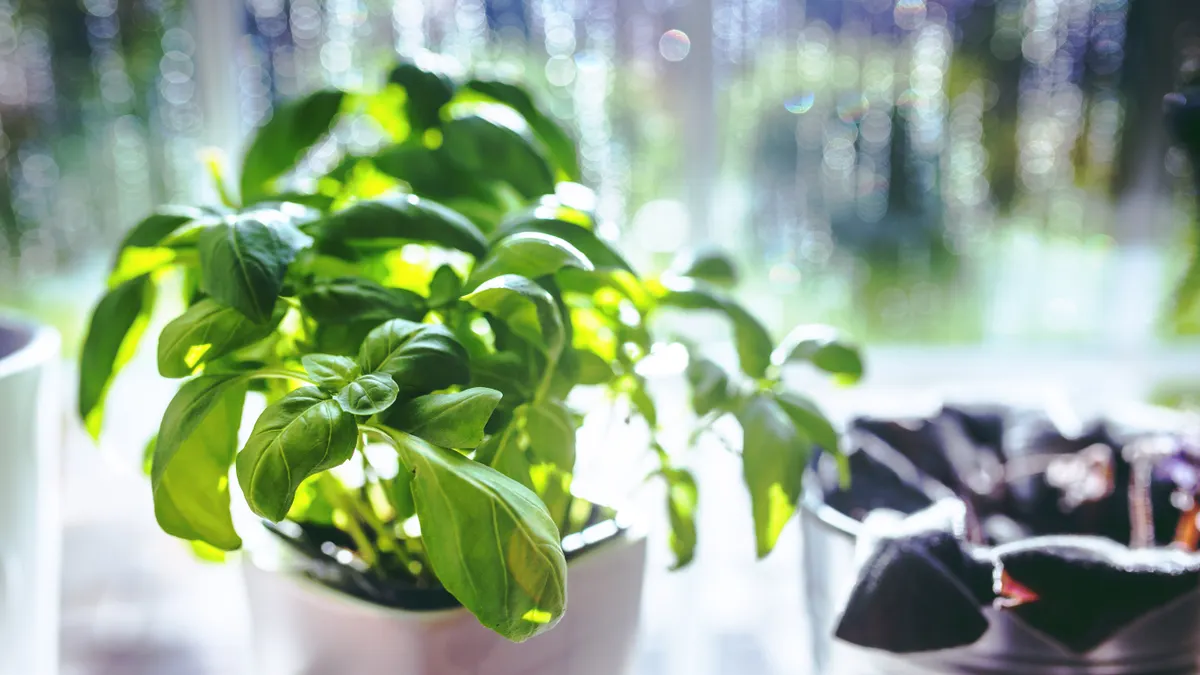
Last updated: October 29, 2026
Key Takeaways
- A south- or west-facing sill is often the best option, with 6-inch pots for most herbs and drainage holes in every container.
- Place empty pots in the brightest kitchen window, usually south or west, for a day before planting.
- Most culinary herbs need 4 to 6 hours of direct sun on a windowsill, and basil needs the strongest light.
- Basil, parsley, mint, and chives are the most practical windowsill herbs for a typical kitchen; woody herbs usually need stronger light.
A windowsill herb garden works best when you match the herb to the light, the pot, and the way you water it. This guide to How to Grow Herbs Indoors on a Windowsill focuses on basil, parsley, mint, and chives, because those herbs usually handle a kitchen sill better than fussier choices. Give them enough sun, a pot with drainage, and a watering routine that does not swing from bone-dry to swampy.
Start with the right windowsill, herbs, and pots
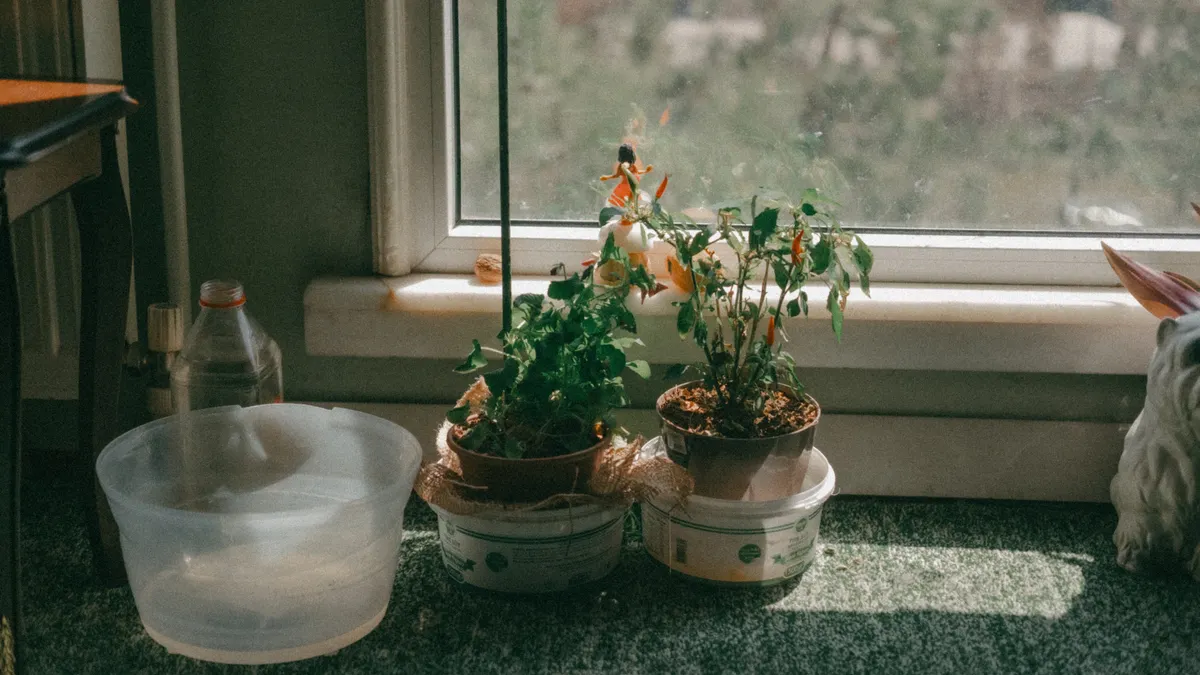
The best setup is often a south- or west-facing windowsill, 6-inch pots for most herbs, and a windowsill planter only if it has drainage holes. Herbs fail most often because the container is wrong, not because the plant is “hard.”
Light comes first. A bright kitchen window is not the same as direct sun. If you can place your hand where the pot will sit and see a sharp shadow at midday, that is a much better sign than “it looks bright.” Basil wants the sunniest spot you have. Chives and mint tolerate a little less. Parsley sits in the middle and usually behaves better than basil on a weaker sill.
Pot size matters because roots need room, but excess soil holds water too long. A 4-inch nursery pot is too small for a long-term basil plant. A 6-inch pot is a safer starting point for one herb, and a 10- to 12-inch windowsill planter can hold several small plants if each has drainage. Deep-rooted herbs do better in a deeper pot than in a shallow tray. If the container has no hole, skip it unless you are prepared to manage water very carefully.
Use a fast-draining potting mix, not garden soil. Garden soil compacts in a pot and stays wet around the roots. A standard indoor potting mix is easier to manage on a windowsill. This is one place where a simple, cheap potting mix beats a fancy container every time.
Basil is the easiest herb to enjoy quickly if the light is good. Parsley is slower and less dramatic, but it keeps going if the soil stays evenly moist. Mint grows with enthusiasm and can take over a shared planter, so it is often better in its own pot. Chives are tidy and forgiving, which makes them a good windowsill choice if the light is decent but not intense. For more setup guidance, see the indoor gardening hub and the herb garden guide.
How to set up a windowsill herb garden step by step
A good windowsill herb garden starts with drainage, light, and a pot sized to the plant you actually want to keep alive, not the tiny herb you bought home from the store.
- Pick the brightest window in the kitchen, usually south or west, and place the empty pots there for a day before planting. You should see steady light for much of the day, not a dim corner that brightens for an hour.
- Choose pots with drainage holes, ideally 6 inches across for one herb or a 10- to 12-inch windowsill planter for several herbs. Water must be able to leave the pot, or the roots sit wet and decline.
- Fill the pot with indoor potting mix, leaving about 1 inch of space below the rim. That gap helps you water without runoff spilling onto the sill.
- Set one herb per 6-inch pot unless it is a small, shallow-rooted herb like chives. Basil and parsley do better with their own space, and mint usually needs its own container.
- Water once after planting until water drains out the bottom, then stop. The soil should be evenly moist, not slick or muddy. The first successful watering leaves the plant upright and the top layer damp, not flooded.
- Label the pots if you are growing more than one herb. In a week or two, the labels save you from mixing up basil and parsley, which grow at different speeds and have different harvest habits.
- Trim the tops lightly after new growth appears. When pruning works, the plant becomes bushier instead of tall and spindly.
The first month tells you whether the setup is right. If stems stretch toward the glass, the plant wants more light. If leaves yellow and the pot feels wet for days, the container is too large, the soil is too dense, or you are watering too often. If the herb stays compact and new leaves appear from the center, the balance is working.
A generic article usually says “put herbs in a sunny window” and stops there. That misses the part that matters most: a herb can sit in a sunny-looking window and still fail if the pot has no drainage or the soil stays wet too long. Indoors, the container often matters as much as the sun.
How much light do herbs need on a kitchen windowsill?
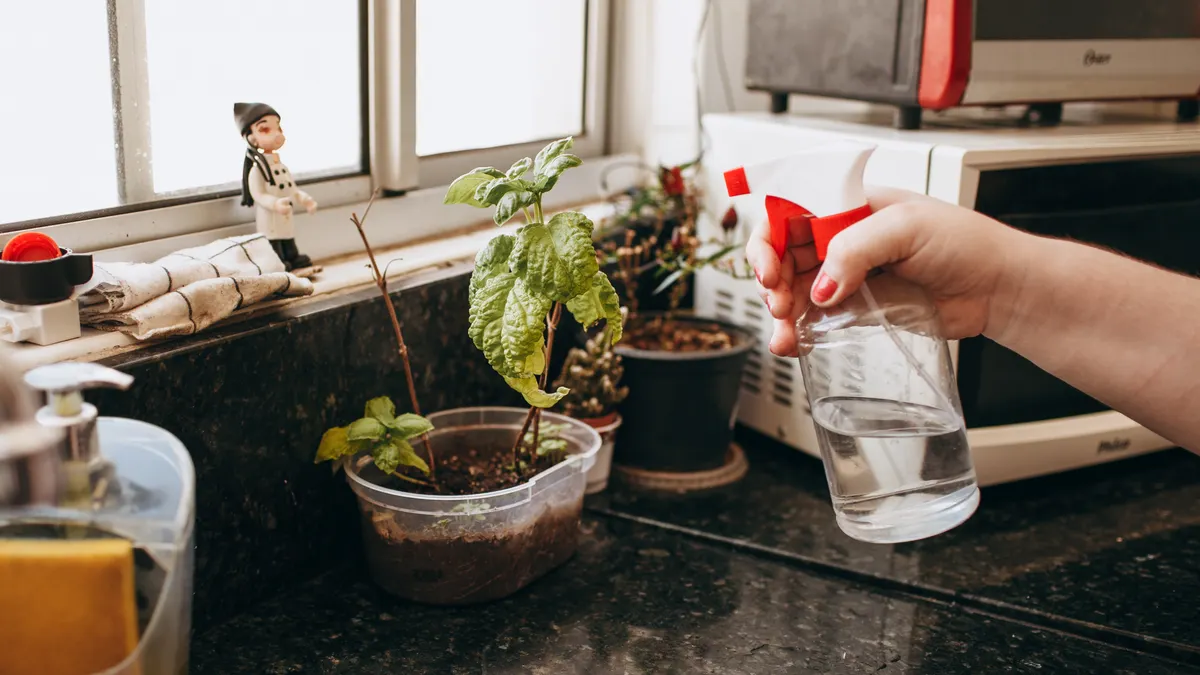
Most culinary herbs need at least 4 to 6 hours of direct sun on a windowsill, and basil needs the strongest light of the group. If the window light is weak, leafy herbs survive better than woody herbs, but growth slows and flavor often weakens.
The difference between leafy and woody herbs matters here. Basil, parsley, mint, and chives are mostly leafy herbs, so the part you harvest is new soft growth. They can recover from a less-than-perfect window if the rest of the care is steady. Woody herbs such as rosemary and thyme have tougher stems and a stronger need for intense light and dry air. On many kitchen windowsills, they become leggy, sparse, or stressed unless the window is very bright and the air is not too humid. That is why a kitchen sill is usually a better fit for basil, parsley, mint, and chives than for woody herbs.
A south-facing window usually gives the most dependable light in the northern hemisphere. A west-facing window can work well too, especially if afternoon sun falls directly on the sill. East-facing windows often help in the morning but may not give enough total sun for basil. North-facing windows are the weakest option unless the room is exceptionally bright.
If the window is too dim, a small LED grow light placed 6 to 12 inches above the herbs can make the setup workable. You do not need a large fixture for a narrow sill; a single bar-style light is often enough for a few pots. The goal is even light across the leaves, not a hot spot above one plant.
A common mistake is moving herbs around every few days. Plants adapt to a direction and a distance from the glass. Constant shuffling can leave them leaning, dropping leaves, or stalling. Put the pots in the best spot once, then rotate them a quarter turn every few days if one side starts to lean.
Which herbs are easiest indoors, and which ones fight back?
Basil, parsley, mint, and chives are usually the most practical windowsill herbs for a typical kitchen, while woody herbs are the ones most likely to disappoint unless the light is strong.
Basil grows fast and gives a quick reward, but it dislikes cold glass and low light. Put it close to the brightest part of the sill and pinch it often. Parsley grows more slowly and can look unimpressive at first, but it tolerates indoor life better than many people expect if the soil stays evenly moist. Mint is vigorous to the point of annoyance; that is useful if you want steady clipping, but it also means it can crowd other herbs in the same planter. Chives are the low-drama option. They handle repeated cutting and usually keep their shape.
Woody herbs deserve a warning. Rosemary, thyme, and similar herbs are not impossible indoors, but they often want more light and a drier root zone than a kitchen windowsill naturally provides. If the sill gets only a few hours of weak winter sun, these herbs are the wrong choice. They become stretched, woody in the wrong way, and sparse at the tips.
The other trade-off is harvest speed. Basil gives leaves quickly if you cut it correctly. Parsley takes longer to build volume. Mint grows aggressively but can overpower a mixed planter. Chives keep producing in a neat clump, which makes them one of the cleanest indoor herbs to manage.
If you want one herb that is easiest to understand, choose chives. If you want one that gives the most obvious kitchen payoff, choose basil. If you want one that usually survives a slightly imperfect window, choose parsley. If you want one that keeps going with less fuss but needs its own pot, choose mint.
For broader indoor-gardening planning, the hub on indoor gardening can fill in the wider setup choices once the windowsill is working.
How do you water herbs indoors without drowning them?
You water herbs indoors by checking the soil with your finger, then watering only when the top 1 inch feels dry for most herbs or slightly less dry for basil and parsley.
This is where many windowsill herb gardens go wrong. People water on a schedule instead of checking the pot. A small pot on a sunny sill can dry faster than expected, while a larger planter in winter may stay wet for days. The plant does not care what day it is.
The simplest method is to press one finger into the soil near the edge of the pot. If the top inch is dry, water slowly until a little runs from the drainage hole. If the top still feels cool and damp, wait. After watering, empty the saucer so the roots are not sitting in runoff.
Basil likes more even moisture than mint or chives. Parsley also appreciates steady moisture. Mint can handle a little more wetness, but it still does not want a soggy pot. Chives usually tolerate brief dry spells better than basil, which is one reason they forgive neglect more easily.
Overwatering causes quiet damage. Leaves yellow, stems loosen, and the soil may smell sour before the plant collapses. Underwatering is faster and easier to fix: leaves droop, the pot becomes light, and the top inch pulls away from the sides. A thorough watering usually brings the plant back if you catch it in time.
One small detail helps a lot: use room-temperature water. Cold water against roots on a windowsill can shock the plant, especially in winter. The difference is subtle, but the plant responds better when the roots are not jolted.
How to prune herbs so they stay full instead of tall and thin
You prune windowsill herbs by taking the growing tips regularly, and you should start as soon as the plant has enough height to lose a few stems without looking stripped.
Pruning is what turns a skinny herb into a usable one. If you let basil or parsley grow straight upward, you end up with long stems, fewer leaves, and a plant that looks more like a stick than a supply of garnish. Cutting tells the plant to branch.
For basil, snip just above a pair of leaves, not somewhere random along the stem. The cut should leave two healthy leaves below it so new shoots can form from that node. For parsley, remove outer stems near the base rather than shaving the top flat. For chives, cut the whole clump back to about 2 inches above the soil and let it resprout. Mint can be cut back often, and it usually responds with more growth rather than less.
The first sign that pruning worked is new side shoots or fresh leaves lower on the stem. If you cut and the stem just sits there, the plant probably needs more light or a lighter touch with water. A healthy herb should look fuller within a couple of weeks, not barer.
One mistake is waiting for the herb to get “big enough” before cutting. By then, basil often starts to flower, parsley can become stiff, and mint turns into a loose tangle. Another mistake is stripping more than a third of the plant in one go. That can slow growth for a week or more and leave the plant weak on a windowsill that already runs on limited light.
Pruning is not optional decoration. It is the part of growing herbs indoors that keeps the plant useful.
Troubleshooting a windowsill herb garden before it fails
A struggling windowsill herb garden usually needs one of three fixes: more light, better drainage, or a smaller watering load.
If the stems are long and thin, the plant is stretching for light. Move it closer to the glass, shift it to a brighter window, or add a small grow light. If leaves yellow from the bottom up and the soil stays wet, the roots are sitting in too much moisture. Reduce watering and check that the pot drains freely. If leaf tips brown while the pot feels dry and light, water more deeply and more consistently.
Pests can show up indoors too, especially on basil and mint. Sticky leaves, tiny specks, or fine webbing are signs to inspect closely. A quick rinse under lukewarm water can help with a light infestation, but a badly infested herb is often not worth rescuing on the kitchen sill because it can spread to nearby plants.
The biggest honest limitation is that a windowsill is not a greenhouse. Winter light is weaker, indoor air is drier near heaters, and pots dry unevenly in a way that surprises even careful gardeners. That means some herbs will be seasonal indoors, not permanent. Basil often thrives for a while and then peters out. Parsley and chives usually last longer. Mint is vigorous enough to become a nuisance if ignored.
This setup is not for someone who wants a low-effort decorative plant that never needs trimming. Herbs are food crops in small pots. They ask for light, attention, and regular cutting. The reward is fresh leaves within arm’s reach, but the bargain is hands-on care.
Which herbs grow best indoors?
Basil, parsley, mint, and chives are usually the best indoor windowsill herbs because they adapt to pots and regular trimming. Basil wants the strongest light, parsley tolerates a slightly less intense window, mint grows fast in its own pot, and chives stay compact and useful. Woody herbs are much less forgiving indoors. See the herb garden guide and indoor gardening hub for related setup choices.
How much sun do herbs need indoors?
Most herbs do best with 4 to 6 hours of direct sun on a windowsill, and basil prefers the brightest spot available. South- and west-facing windows usually work best. If the room is dim or the window is north-facing, a small LED grow light can help keep growth dense and useful. For container basics, the container gardening guide and windowsill planter page are useful next steps.
How do I keep indoor herbs alive?
Keep indoor herbs alive by matching the pot to the plant, watering only when the soil begins to dry, and pruning regularly so the stems stay bushy. Drainage holes matter as much as sun. Basil, parsley, mint, and chives survive better when you check the soil with your finger and keep the setup simple. For plant care details, the indoor herb care page and basil growing guide can help.
Drafted with AI; not yet reviewed by a person.