
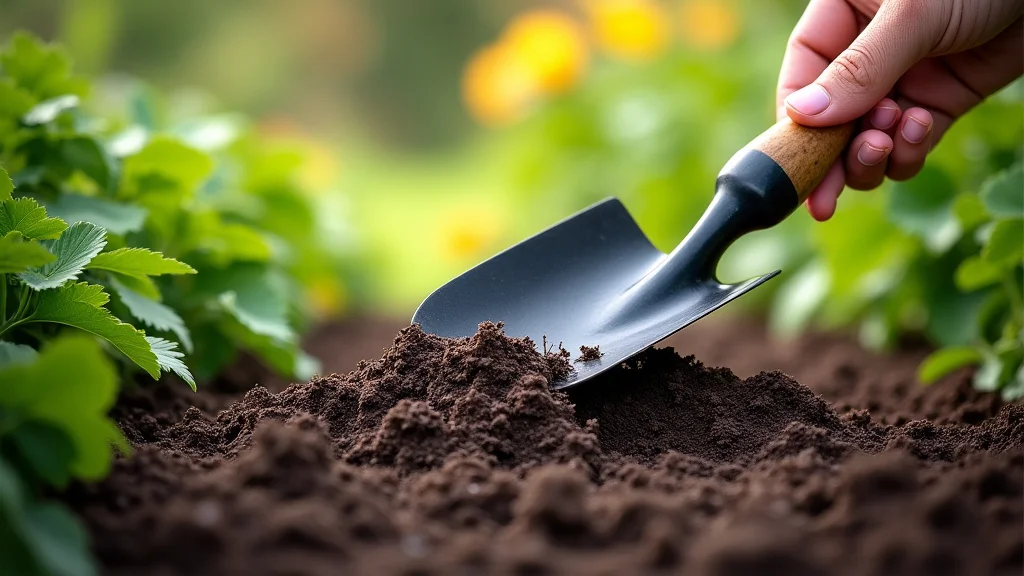
Remember that time you tried to plant those delicate seedlings with a spoon? Yeah, we’ve all been there. It’s frustrating, messy, and you end up burying half the plant! Luckily, there’s a simple tool that makes gardening a breeze: the garden trowel. This post is all about this handy tool. You’ll explore its many uses, discover different types, and learn how to choose the right one for your gardening needs. Get ready to transform your gardening experience from a struggle into a joy – improving your skills in the process. You’ll also learn tips that will reduce the problems that beginner gardeners often experience.
Key Takeaways
- Understand the primary functions of a garden trowel.
- Identify different types of trowels and their specific uses.
- Learn how to choose the best trowel based on your gardening tasks.
- Discover the materials that trowels are made of and their impact on durability.
- Learn useful ways to maintain and care for your garden trowel.
- Explore other essential gardening tools that complement the use of a trowel.
Unveiling the Purpose of a Garden Trowel
The garden trowel is a seemingly simple tool, but it’s a workhorse in any garden. It’s essentially a small, hand-held shovel with a curved blade and a handle. Its primary function is to dig, scoop, and move small amounts of soil. This makes it ideal for planting, transplanting, weeding, and general soil preparation. Think of it as the jack-of-all-trades of gardening tools. Whether you’re starting seeds, setting out new plants, or simply tidying up your flowerbeds, the trowel is your go-to companion.
Digging and Planting with Ease
One of the most common uses for a garden trowel is digging small holes for planting seedlings, bulbs, or smaller plants. Its pointed blade allows you to easily create holes of the correct depth and width, ensuring the roots have enough space to establish. When planting, the trowel lets you gently scoop the soil around the roots, ensuring they are properly covered without damaging them. It is an amazing and versatile tool when planting your plants in the correct way. It is a must-have for any gardener.
- Planting Seedlings: Use the trowel to dig a hole slightly larger than the seedling’s root ball.
- Planting Bulbs: Dig a hole deep enough to bury the bulb at the recommended depth, usually about three times the bulb’s height.
- Transplanting Small Plants: Gently loosen the soil around the roots and lift the plant with the trowel, then replant it in a new location.
- Adding Soil Amendments: Mix compost, fertilizer, or other amendments into the soil with the trowel.
Imagine transplanting a delicate rose bush. With the garden trowel, you can carefully dig around the plant, lifting it with minimal disturbance to its roots. Then, in its new home, you use the trowel to create a welcoming space, and gently backfill, ensuring it’s settled and content. Without it, you would risk damaging the roots or creating a messy, imprecise planting situation. This precision makes the trowel a vital tool for successful gardening.
Weeding and Soil Preparation with a Trowel
Beyond planting, a garden trowel is incredibly helpful for weeding and preparing the soil. Its sharp edge can slice through small weeds close to the surface, making it easy to remove them, roots and all. It is helpful for removing small weeds. It is also good for loosening compacted soil. It is a fantastic tool to create a loose and well-aerated environment for your plants. It’s great for aerating soil around existing plants to help improve growth.
- Weeding Around Plants: Use the trowel to carefully dislodge weeds growing near your valuable plants.
- Loosening Compacted Soil: Gently use the trowel to break up compacted soil, allowing for better drainage and air circulation.
- Removing Small Rocks and Debris: The trowel is useful for picking up small rocks, twigs, or other debris.
- Creating Furrows: Use the trowel to create small furrows for planting seeds.
Let’s say you’re battling a patch of stubborn dandelions in your flower bed. Using a trowel, you can get close to the base of the weed, insert the blade below the surface, and gently pry it out, roots intact. This reduces the chance of the weed returning and prevents damage to your desirable plants. Compared to using your hands or a larger shovel, the precision of a garden trowel makes weeding a much more manageable task.
Different Types of Garden Trowels
While the basic design remains consistent, garden trowels come in various shapes, sizes, and materials to suit different gardening needs. Each type has distinct characteristics that make it better suited for specific tasks and soil conditions. It’s great to have a few different ones in the tool shed so you are ready to tackle any gardening challenges that you may face. Knowing the different options will help make you a better gardener.
The Standard Trowel
The standard trowel is the most common type, and it’s the one you likely imagine when you hear the term “garden trowel.” It has a pointed, slightly curved blade, typically made of stainless steel or carbon steel, with a comfortable handle. This is the all-around trowel. It can be used for most gardening tasks. It is excellent for digging small holes, transplanting seedlings, and general soil work. It’s the best option if you only want to buy one trowel.
- Blade Shape: Pointed and slightly curved.
- Material: Stainless steel or carbon steel.
- Handle Material: Wood, plastic, or rubber.
- Best For: Planting, transplanting, weeding, and general soil preparation.
- Pros: Versatile, durable, and readily available.
- Cons: May not be ideal for heavy-duty digging in rocky soil.
Consider the scenario of planting a row of colorful pansies in your front yard. The standard trowel is ideal for this task. You can quickly dig small holes for each seedling, carefully place the roots, and then gently backfill with soil. The pointed blade makes it simple to pierce through the soil, while the curved shape helps scoop the soil with ease. You will get great results using the standard trowel.
The Narrow Trowel
The narrow trowel features a blade that is narrower than the standard trowel. It’s great for getting into tight spaces or between closely planted flowers and vegetables. This type is very helpful for precise work where accuracy is a must. If you have a densely planted garden or want to avoid disturbing surrounding plants, a narrow trowel is the best choice.
- Blade Shape: Narrow and pointed.
- Material: Stainless steel or carbon steel.
- Handle Material: Wood, plastic, or rubber.
- Best For: Weeding between plants, planting in tight spaces, and digging in hard-to-reach areas.
- Pros: Excellent for precision work and small spaces.
- Cons: Not ideal for large-scale digging.
Imagine you’re trying to weed around a delicate rose bush without disturbing its roots or the surrounding mulch. A narrow garden trowel is your tool. The slim blade can slip between the plant’s stems and into the soil, allowing you to carefully remove weeds without damaging the rose. This precision would be much harder with a standard trowel or other tools.
The Serrated Trowel
A serrated trowel has a blade with a saw-like edge. This design helps cut through roots and tough soil, making it useful for challenging gardening tasks. The serrated edge also increases the trowel’s versatility, allowing it to act like a mini-saw for cutting through small roots when transplanting or dividing plants. If you frequently work with tougher soil conditions or need to tackle rooted weeds, a serrated trowel is an excellent addition to your tool set.
- Blade Shape: Serrated edge.
- Material: Stainless steel or carbon steel.
- Handle Material: Wood, plastic, or rubber.
- Best For: Cutting through roots, digging in compacted soil, and removing stubborn weeds.
- Pros: Powerful for cutting through roots and tough soil.
- Cons: May not be as precise for delicate tasks.
Consider the task of transplanting a shrub with a dense root system. With the serrated trowel, you can easily sever small roots as you dig around the plant, making the removal process much easier. Without the serrated edge, you might struggle to cut through these roots, leading to frustration and potential damage to the plant. This special blade provides the power you need for these more demanding situations.
Choosing the Right Trowel for the Job
Choosing the right garden trowel depends on the type of gardening you do and your personal preferences. It is important to know which trowel is right for each task. The best trowel is the one that fits your needs and makes gardening easier and more enjoyable. Choosing the wrong trowel can make a simple task feel much more difficult.
Considering Your Gardening Needs
Think about the types of gardening tasks you do most often. Do you mostly grow flowers, vegetables, or a mix of both? Do you have sandy soil or clay-rich soil? Do you frequently transplant plants? Your answers to these questions will help you determine which features are most important in a trowel. If you focus on a certain activity in the garden, you can choose a trowel that is perfect for that specific task.
- For General Gardening: A standard trowel is a versatile choice for planting, transplanting, and general soil work.
- For Tight Spaces: A narrow trowel is best for weeding and planting in crowded areas.
- For Tough Soil: A serrated trowel is ideal for breaking through compacted soil and cutting through roots.
- For Bulb Planting: A trowel with depth markings can help ensure correct planting depth.
- For Heavy-Duty Work: Look for a trowel made of durable materials with a sturdy handle.
Imagine you have a small urban garden with a mixture of raised beds, containers, and a small patch of soil. A standard trowel is a great starting point for its all-around ability, handling most tasks. If you are going to be working in containers, a narrow trowel might be handy for getting into tight spaces around existing plants. If you encounter hard clay soil, a serrated trowel could be extremely helpful. The choices depend on your gardening style and needs.
Evaluating Materials and Durability
The materials a garden trowel is made of have a big impact on its durability, how well it performs, and how long it lasts. High-quality materials will ensure your trowel can withstand the rigors of gardening, while cheap options can bend, break, or rust easily. This will make your gardening experience much better. It is important to choose wisely.
- Blade Materials:
- Stainless Steel: Rust-resistant and durable, ideal for wet conditions.
- Carbon Steel: Strong and can take a sharp edge, but prone to rust.
- Handle Materials:
- Wood: Comfortable to grip, but can be susceptible to splitting.
- Plastic: Lightweight and weather-resistant, but may break under pressure.
- Rubber: Provides a secure grip and can absorb shock.
- Construction: Look for a trowel with a sturdy connection between the blade and handle.
- Weight: Consider the weight and how comfortable the trowel feels in your hand.
Consider the weather conditions in your area. If you live in a rainy climate, a stainless steel trowel would be a better choice as it is rust-resistant. If you have sandy soil and need to dig deeply, you might prefer a carbon steel blade for its strength. Think about how much you will use the tool, and choose one that has strong construction and good materials.
Caring for Your Garden Trowel
Proper care and maintenance will ensure your garden trowel lasts for years and continues to perform well. A few simple steps after each use will prevent rust, keep the blade sharp, and keep the handle in good condition. The longer your tools last, the better.
Cleaning and Storage
Cleaning your trowel after each use is a simple but important step in its maintenance. Remove any soil, debris, or plant matter that has accumulated on the blade and handle. This prevents rust and corrosion, and keeps your trowel working well. Proper storage is also key to protecting your trowel from the elements and ensuring it’s ready for use when you need it.
- After Each Use: Wipe the blade clean with a damp cloth or brush.
- Rinse: Rinse the blade with water to remove any remaining soil or debris.
- Dry Thoroughly: Dry the trowel completely to prevent rust.
- Apply Oil: Apply a thin layer of oil (such as a food-grade oil) to the blade to prevent rust.
- Storage: Store the trowel in a dry place, such as a garden shed or garage.
Imagine you’ve been working in your garden all day, planting flowers and weeding. After you’re finished, a quick clean is all it takes. First, use a brush to remove the excess soil. Then, a quick rinse with water will remove any clinging dirt. Next, a wipe down with a dry cloth will get rid of moisture. Finally, applying a thin coating of oil will protect the metal from rust, and you’re all set.
Sharpening and Repair
Over time, the blade of your garden trowel may become dull. Sharpening the blade will help it cut through soil and roots more effectively. Regular sharpening will make your work much easier. Repair any damage to the trowel’s handle or blade promptly. This is important to ensure the tool remains safe to use.
- Sharpening: Use a file or sharpening stone to sharpen the blade.
- Handle Maintenance: Tighten loose handles or replace damaged ones.
- Blade Repair: If the blade becomes bent or damaged, you can try to straighten it.
- Rust Removal: Use steel wool or a rust remover to remove rust from the blade.
- Professional Help: For serious damage or repair needs, seek professional assistance.
Let’s say you’ve noticed that your trowel’s blade isn’t cutting through the soil as easily as it used to. It’s time to sharpen it! Using a file, gently work along the blade’s edge at an angle to create a sharp edge. For handles, make sure to tighten any screws or replace them if they are broken. This helps your trowel last and continue working well.
Other Essential Gardening Tools
While the garden trowel is a versatile tool, it’s even better when used with other essential gardening tools. Having a complete set of tools helps you tackle any gardening task efficiently and improves your overall gardening experience. Having the right tools makes a huge difference, so here are a few other tools to consider.
Hand Rake
A hand rake is a small rake used for smoothing soil, removing debris, and preparing the ground for planting. It is great for leveling surfaces. It can also break up small clumps of soil. It is a good tool to have in the garden. Used together with the trowel, the hand rake can make preparing soil a simple process.
- Function: Leveling soil, removing debris, and breaking up soil clumps.
- Use: After using the trowel to dig or turn the soil, use the hand rake to smooth the surface.
- Benefits: Creates a level planting surface and improves the appearance of your garden beds.
- Types: Plastic or metal tines.
Let’s say you’ve used your trowel to dig up an area for planting. You can then use the hand rake to smooth out the soil. This ensures an even surface and prepares the ground for planting. The combination of the two tools will make the whole process easier.
Hand Fork
A hand fork is a small, three- or four-pronged tool used for loosening soil, mixing in compost or other amendments, and removing weeds. This tool is perfect for the soil around your plants. The hand fork lets you work the soil without disturbing your plants. Its pointed tines can pierce the soil with ease, making the work simple.
- Function: Loosening soil, mixing amendments, and removing weeds.
- Use: Use the hand fork to gently loosen soil around your plants without damaging the roots.
- Benefits: Improves soil aeration and drainage, allowing plant roots to grow.
- Types: Made of durable metals like stainless steel or carbon steel.
Imagine you’re adding compost around your tomato plants. A hand fork allows you to mix the compost into the soil without disturbing the plants. Its prongs make the soil loose. This helps the plant get nutrients and water. The hand fork is a very handy tool for those types of tasks.
Gardening Gloves
Gardening gloves protect your hands from dirt, thorns, and blisters. They will also improve your grip. If you do not have gloves, you may find that it is difficult to work in the garden. Gloves come in a variety of materials and styles. You can pick the ones that work best for you. These come in handy when working with any gardening tool.
- Function: Protects hands from dirt, thorns, and blisters.
- Use: Wear gloves while using your trowel, hand rake, or hand fork.
- Benefits: Prevents cuts, scrapes, and blisters.
- Types: Leather, fabric, and nitrile.
Let’s say you’re doing a lot of planting and digging in your garden. Gardening gloves help protect your hands from dirt, blisters, and potential scrapes from thorns or rough soil. They make the gardening experience more pleasant. Without gloves, you may not be able to do as much work. They are a must-have for comfort and safety.
Frequently Asked Questions
Question: What is the best material for a garden trowel blade?
Answer: Stainless steel is generally the best choice because it’s rust-resistant and durable, which makes it great for outdoor use.
Question: How do I remove rust from my garden trowel?
Answer: You can use steel wool or a rust remover to remove rust from the blade.
Question: How often should I sharpen my garden trowel?
Answer: Sharpen your trowel when it becomes dull, usually after several uses. Regular sharpening improves performance.
Question: Can I use a garden trowel to dig large holes?
Answer: A trowel is best for small holes. If you need to dig bigger holes, you would be better off using a shovel.
Question: How should I store my garden trowel?
Answer: Store your trowel in a dry place, such as a garden shed or garage, to protect it from the weather.
Final Thoughts
The garden trowel is a must-have tool for any gardener, beginner or expert. Its simple design belies its versatility and importance. From planting delicate seedlings to weeding between plants and preparing soil, the trowel is an indispensable companion for all your gardening tasks. By understanding the different types of trowels, choosing the right one for your needs, and taking care of it properly, you can make your gardening experience much more enjoyable and productive. Remember to clean and store your trowel after each use to extend its life and performance. With a trusty trowel in hand, you’re ready to cultivate a beautiful and flourishing garden. So, grab your garden trowel, get your hands dirty, and enjoy the beauty of gardening!