

Last updated: October 29, 2026
How to Control Pests Organically in a Vegetable Garden works best when it starts with prevention, then moves to identification, then to the lightest effective treatment. If the goal is to keep lettuce, beans, brassicas, and tomatoes producing without spraying first and asking questions later, this practical guide follows that route: make the plants harder to attack, catch problems early, and use targeted controls only when a pest crosses the line from nuisance to damage. For a broader system, see the organic vegetable garden hub.
Start with the pest, not the spray
Organic pest control means matching the fix to the pest, the crop, and the amount of damage. A cluster of aphids on new growth calls for a different response than holes chewed in kale by cabbage worms or a patch of stems cut down by slugs overnight. Treating every problem the same wastes time and often hurts the garden more than the pest does, so if the damage is unclear, consult a local extension professional or garden specialist before treating, and use guidance from UC IPM and Cornell Integrated Pest Management as a starting point.
The first job is damage identification. Look at where the injury appears, what the pest leaves behind, and when it shows up. Aphids usually gather on tender tips and the underside of leaves. Cabbage worms chew irregular holes in leaves of kale, broccoli, and cabbage and often leave green frass. Slugs leave ragged holes and slimy trails, especially after rain or irrigation. That pattern matters more than the mere fact that a leaf looks rough.
A useful rule is to decide intervention level before touching a bottle or trap.
- Watch only when the damage is light and the plant is still growing normally.
- Remove by hand or barrier when the pest is visible and localized.
- Use a low-toxicity organic treatment when the pest is spreading or the crop is young and vulnerable; if you are unsure, consult a professional before spraying.
- Escalate to repeated targeted control only when the pest keeps returning after the first round.
This keeps the garden from becoming a spray zone. It also saves beneficial insects, which are part of the control system, not a side issue.
For broader vegetable-garden planning, this page fits under the larger organic vegetable garden hub rather than replacing it. The hub can handle the big-picture system; this article focuses on pest control by type and intervention level.
How do I keep bugs off vegetables naturally?
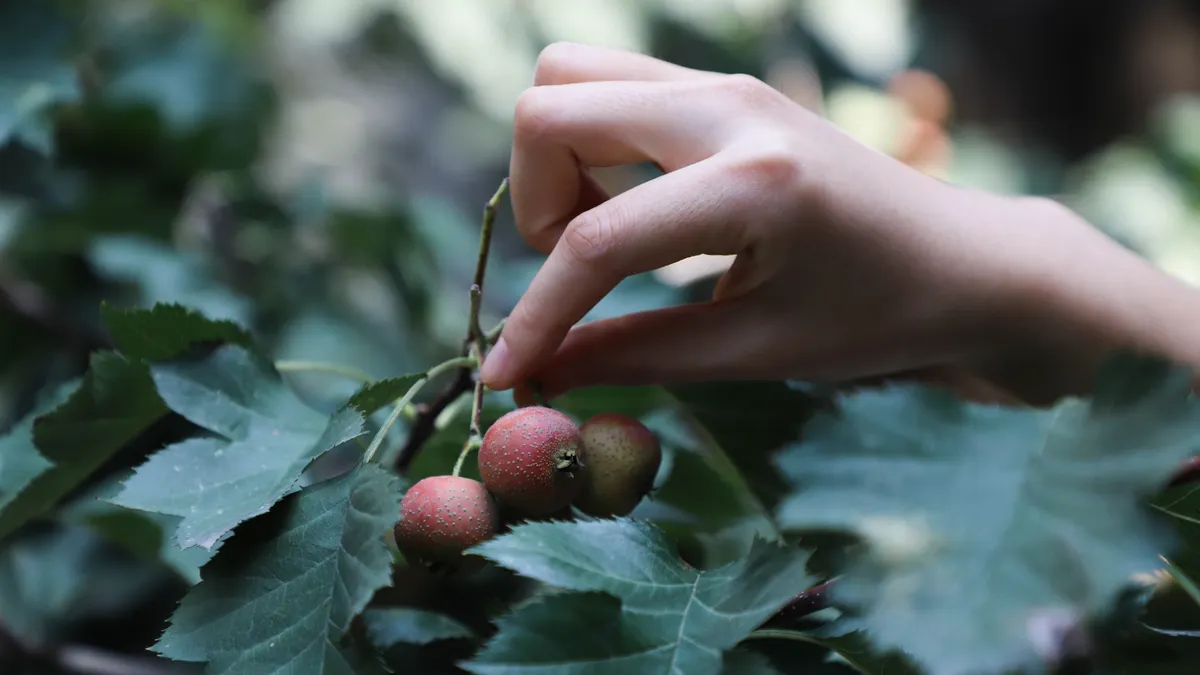
You keep bugs off vegetables naturally by combining barriers, cleanup, scouting, and narrow treatments instead of relying on one product, and if pressure stays high, consult a local extension professional. That is the core of organic pest control: make the crop harder to reach, spot pests early, and remove only the pest that is causing the problem. For regional timing and crop-specific options, check USDA gardening resources and EPA pesticide safety guidance.
Use this sequence as the backbone of the season:
- Inspect plants twice a week. Check the underside of leaves, new growth, stems, and the soil line. You want to catch eggs, small larvae, and clusters before they spread.
- Protect vulnerable crops with row covers. Lay lightweight floating row covers over brassicas, carrots, and other seedlings before pests arrive. Secure the edges so insects cannot slip in underneath, and ask a local extension office if the crop needs different timing. The result should be clean foliage with no fresh feeding damage.
- Remove pests by hand where possible. Pick off cabbage worms, beetles, or larger larvae in the early morning when they are easier to see. Drop them into soapy water. On a small bed, this often does more than a spray.
- Use water as a first response for aphids. A firm blast from a hose can knock aphids off stems and leaf undersides. The goal is to reduce pressure without adding chemicals.
- Apply insecticidal soap or neem oil only to the affected plant. Coat the pest, not the whole garden. These treatments work by contact or disruption and need thorough coverage to matter; if you are unsure about weather, crop sensitivity, or label directions, consult a professional.
- Add beneficial insects where the garden can support them. Ladybugs, lacewings, and parasitic wasps help only if nectar, shelter, and low-spray conditions are present. Releasing ladybugs into a bare, overheated bed is usually a poor use of money.
- Repeat after rain or new growth. Organic controls often fade faster than synthetic ones, so recheck every 3 to 7 days and reapply only as needed.
The trade-off is time. Organic control asks for more observation and more repetition. The gain is a garden that stays productive without constant broad-spectrum spraying. This approach is not for someone who wants one treatment to solve every pest for a month.
Use row covers and handpicking before the problem spreads
Row covers stop many pests before they ever touch the plant, and handpicking handles the ones that get through. This is the cleanest, cheapest path for small vegetable beds, especially when cabbage worms, flea beetles, and beetles are the main issue.
Row covers work best when installed early, before pests find the crop. A floating cover draped over hoops or directly over the bed creates a physical barrier. The cover needs enough slack for plant growth and enough weight at the edges to block gaps. If the crop flowers and needs pollination, the cover has to come off or be removed during bloom, which means timing matters.
Cabbage worms are the classic example. On kale, broccoli, cauliflower, and cabbage, a row cover placed at transplanting can prevent the adult moths from laying eggs. If eggs are already present, cover the bed anyway and pair it with handpicking. One missed worm can turn into dozens of chewed leaves fast.
Handpicking sounds primitive, but it is precise. A flashlight, a pair of gloves, and a small container of soapy water are enough. Check leaf undersides and stem joints. For hornworms or large caterpillars, one round of picking can reset the bed better than repeated spraying. The drawback is obvious: it takes patience, and it works best when the infestation is still small.
Use this method when you want to protect plants without leaving any residue on harvestable leaves. It is less useful on huge plantings or when the pest hides deep in the canopy. In those cases, the same method still helps, but it stops being the whole answer.
What works for aphids, cabbage worms, and slugs?
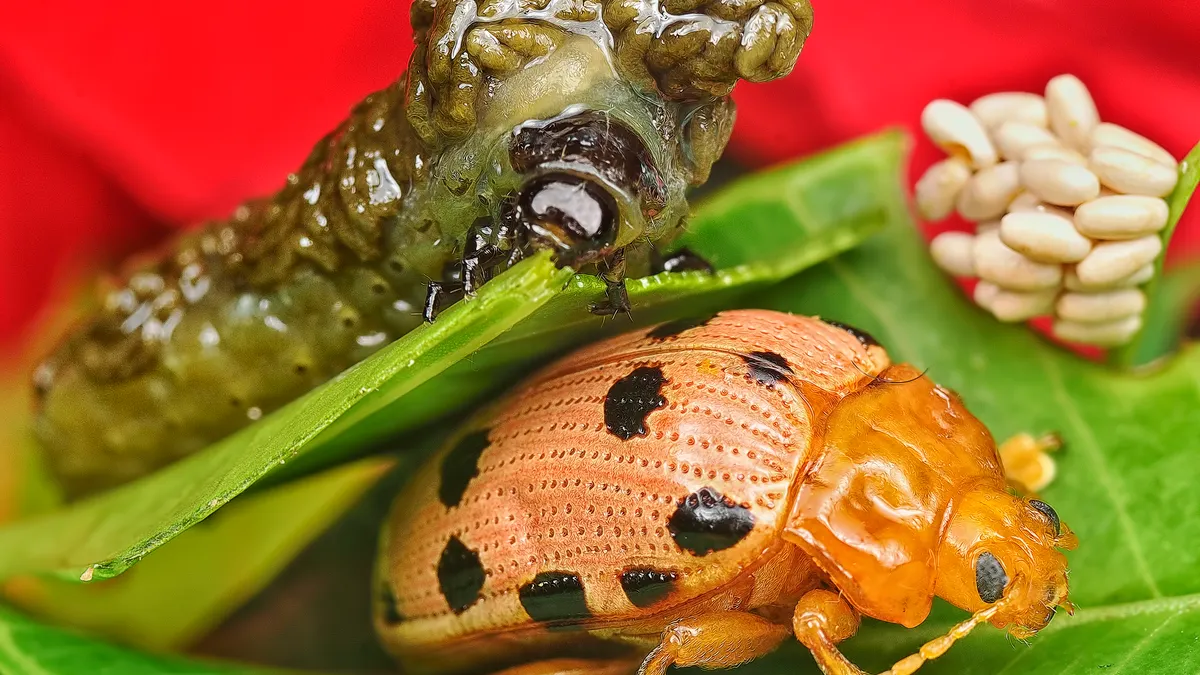
Different pests need different tools, and the right tool changes with the crop stage. Aphids respond well to a hose, insecticidal soap, and beneficial insects; cabbage worms respond to handpicking, row covers, and Bt if the label allows it for food crops; slugs respond to habitat cleanup, slug traps, and dry barriers rather than sprays. For crop-specific pest charts, consult Cornell Integrated Pest Management or a local extension guide.
Aphids are soft-bodied and often appear first on tender growth. If the infestation is light, a strong spray of water can knock them off enough to let the plant recover. If they return, insecticidal soap can help, but it must contact the insects directly. The limitation is coverage: soap does not keep working after it dries, and it can burn leaves if used carelessly in hot sun. That is why it belongs on the targeted plant, not across the whole bed.
Cabbage worms are easier to beat with prevention than with rescue. The damage shows up as holes in brassicas, not a fuzzy patch or a disease pattern. Remove visible larvae and use row covers to block more moths from laying eggs. If the infestation is persistent, a targeted biological treatment labeled for caterpillars can fit into an organic program, but it should stay focused on the pest, not the soil, not the bees, and not every plant in sight.
Slugs are a different problem. They hide in mulch, boards, dense weeds, and damp corners, then feed at night. Slug traps can help by reducing the active population, but they do not fix wet, sheltered habitat. Copper barriers, boards used as collection points, and morning cleanup can all support control. The hard truth is that a garden with constant moisture and heavy mulch will keep attracting slugs until the habitat changes.
The key mistake is using a broad spray because the pest is annoying. That often kills useful insects and still leaves the real problem in place. Match the pest first, then the intervention.
Bring in beneficial insects without expecting miracles
Beneficial insects help most when the garden already has structure, food, and fewer broad-spectrum sprays. Ladybugs are the best-known example, but lacewings, hoverflies, and parasitic wasps do a lot of the actual work in vegetable beds.
Ladybugs are often sold as the quick answer for aphids. They can help, but only if they stay long enough to feed and reproduce. That means nearby shelter, moderate temperatures, and food sources beyond the first aphid cluster. If the bed is hot, dry, and stripped bare, many released ladybugs will simply leave. That is not failure; it is a sign the habitat is wrong for them.
The most useful move is to support the insects that are already nearby. Reduce unnecessary spraying, leave a little non-crop structure at the edges, and avoid wiping out every aphid the moment one appears. Beneficials need prey to stay in the garden, and a garden with zero pests is not the same thing as a garden in balance. A complete wipeout is rarely realistic anyway.
This is where organic pest control differs from a spray-first approach. It accepts some pest presence as the cost of keeping predators around. That trade-off is not for a gardener who wants spotless leaves at all times. It is for a gardener who wants crops, pollinators, and fewer repeat outbreaks.
One more practical point: beneficial insects are support, not rescue. If cabbage worms are already stripping a brassica bed, ladybugs will not fix that. If aphids are coating a few stems, they can help reduce the rebound after you rinse and prune the worst growth.
Use neem oil and insecticidal soap only when the label and weather fit
Neem oil and insecticidal soap are useful organic tools, but they work only under the right conditions and they are not harmless by default. Both need direct contact, careful timing, and close reading of the product label.
Insecticidal soap is best for soft-bodied pests such as aphids, whiteflies, and mites. It breaks down the insect’s outer coating on contact. Because of that, it can also damage tender plant tissue if mixed too strong or sprayed in heat. A cooler part of the day is safer than midday sun. It is a contact tool, so missed insects survive.
Neem oil is more flexible, but it is not a cure-all. It can discourage feeding and interrupt life cycles for some pests, yet it still depends on coverage and repeated application. It also should not be used as a blanket treatment just because a pest is annoying. If the problem is slugs, neem is the wrong tool. If the problem is a few cabbage worms, handpicking or a barrier is usually better.
A sensible rule is to choose these sprays only after prevention and mechanical control have done what they can. That keeps the garden organic without turning every problem into a liquid one.
The limits matter here. Organic does not mean automatic, and it does not mean risk-free. Sprays can still harm flowers, stress leaves, and hit beneficial insects if used carelessly. Read the label, respect the crop, and treat only the affected area. For product guidance, consult EPA pesticide safety guidance before applying any treatment.
Common mistakes that make organic control fail
The biggest mistakes are waiting too long, spraying the whole garden, and ignoring habitat. Each one costs real time, real harvest, or both.
Waiting too long is the most expensive error. A few aphids on one plant can become a bed-wide problem in a week of warm weather. A handful of cabbage worms can turn into leaf skeletons if you postpone action until the plants look bad. The fix is simple: scout on a 2-day or 3-day rhythm when pressure is high, not once a month.
Spraying everything is the second mistake. It creates more work, not less, because it treats the symptom instead of the infestation. It also wipes out beneficial insects that were already helping. Use the narrowest effective treatment and stop when the pest is under control.
Ignoring habitat is the mistake that keeps bringing the same pests back. Slugs live where the bed stays damp and cluttered. Aphids explode where new growth is soft and nitrogen is excessive. Cabbage worms thrive where brassicas sit uncovered. If the conditions do not change, the pest pressure returns.
A practical organic program is a loop: inspect, identify, intervene, and adjust the bed. That loop is the real method. The products are just tools.
Key Takeaways
- Organic pest control works best as a sequence: prevent, inspect, remove, then treat.
- Row covers, handpicking, and habitat cleanup stop many vegetable pests before sprays are needed.
- Aphids, cabbage worms, and slugs each need a different response; one treatment will not solve all three.
- Insecticidal soap and neem oil are targeted tools, not background sprays for the whole garden.
- Beneficial insects help most when the garden gives them food, shelter, and fewer broad-spectrum disturbances.
How do I keep bugs off vegetables naturally?
Use physical barriers, regular scouting, and targeted removal before you reach for spray. Row covers keep many insects off young crops, and handpicking removes visible pests fast. If aphids show up, rinse them off first. If slugs are the issue, change the damp hiding places they depend on. For a step-by-step overview, see the organic vegetable garden hub and USDA gardening resources.
What is the safest organic pest control?
The safest organic pest control is usually the least invasive one that still works: handpicking, water spray, row covers, and habitat cleanup. Those methods avoid residue and reduce the risk of hurting beneficial insects. Sprays like insecticidal soap or neem oil are better reserved for situations where the first-line methods are not enough, and a local extension office can help if you are unsure. For safety basics, use EPA pesticide safety guidance.
How do I identify garden pests?
Look for the damage pattern, the pest’s location on the plant, and the time of day it appears. Aphids cluster on soft growth, cabbage worms chew leaves on brassicas, and slugs leave ragged holes and slime trails. Identification starts with the crop and the injury, not with the product on the shelf. For examples, compare your observations with Cornell Integrated Pest Management and UC IPM.
Drafted with AI; not yet reviewed by a person.