
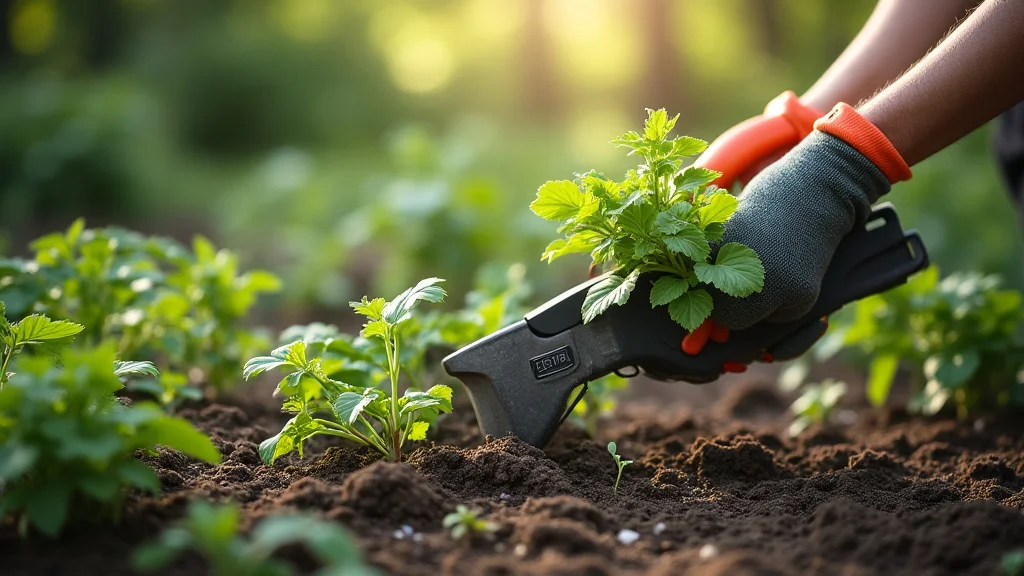
Remember that time you tried to plant a rose bush with a flimsy trowel and a dull hand fork? It didn’t go well, did it? Getting your hands dirty in the garden should be fun, not a frustrating battle against inadequate equipment. Building a solid gardening tools pack is the first step toward creating a flourishing outdoor space. This guide is all about equipping you with the right tools and knowing how to use them. You will discover what you need to start, and even how to choose the best ones for your specific needs, helping to make your gardening endeavors a success. Plus, we’ll cover how to maintain your tools so they last for years. You will get a clear plan for your green spaces, increasing your knowledge and boosting your confidence. This will improve your Time on Page and reduce Bounce Rate.
Key Takeaways
- A comprehensive gardening tools pack will equip you for various tasks, from planting to maintenance.
- Choosing the right tools for your garden size and type of plants is important for efficiency.
- Knowing how to use and maintain each tool properly will extend their lifespan.
- There are different types of gardening tools pack, from basic to advanced, depending on your needs.
- Understanding the different materials used in tool construction can help in selecting the right ones.
- Investing in quality tools can save money and improve your gardening experience in the long run.
Assembling Your Basic Gardening Tools Pack
Starting a garden doesn’t require an enormous investment, but having the right essentials is key to getting started. It’s like having the right ingredients before you start cooking a meal. A basic gardening tools pack provides the foundation for most gardening tasks. It will allow you to plant, weed, and maintain your plants with relative ease. A well-rounded toolset will also prepare you for different situations.
Essential Hand Tools
Hand tools are the workhorses of any garden. They’re perfect for smaller areas, raised beds, or when you need precision. They give you the closest connection to your plants. This includes the following essential items:
- Trowel: A trowel is your best friend when planting seedlings or transplanting small plants. The pointed metal blade helps dig holes, scoop soil, and make sure roots get settled. A good trowel is made of sturdy metal and has a comfortable handle. Look for one with markings on it to know the depth to which you are planting.
- Hand Fork: A hand fork is essential for loosening soil, removing weeds, and aerating the soil around plants. It’s useful for breaking up clumps of soil. It should have sturdy tines that won’t bend easily. This will make it durable and allow you to work efficiently.
- Hand Rake: Perfect for leveling soil, removing debris, and gently raking around plants. A hand rake comes in handy. It’s ideal for smaller areas or raised beds. The head is used to spread out loose materials like mulch.
- Gardening Gloves: Protect your hands! Gardening gloves come in various materials, from durable leather to breathable fabric. Choose a pair that fits well and provides good dexterity. Some have added protection on the palms and fingers.
The trowel’s main function is to handle the soil with precision. The blade can be used to scoop up soil and dig small holes. Also, it’s great for transplanting plants, gently moving them from one place to another without damaging their roots. Its small size allows you to work in tight spaces.
The hand fork is great for cultivating the soil, removing weeds, and mixing in compost or other amendments. Also, it helps to aerate the soil, which is important for root growth. Use it carefully to avoid damaging plant roots.
A hand rake helps to smooth the soil before planting seeds. It prepares the ground for planting by getting rid of any rough spots. The rake can also be used to remove leaves and other debris from your garden beds, keeping the area tidy.
Gloves are essential for protecting your hands from dirt, thorns, and blisters. They also help to improve your grip on tools and protect your skin from potential irritants. Select gloves based on the tasks you will be doing, and make sure that you can feel what you are working with. Choose gloves that are made from breathable materials like cotton or fabric.
Essential Long-Handled Tools
Long-handled tools are great for working standing up. They’re good for larger gardens or when you need to cover a lot of ground with ease. They can reduce strain on your back and make gardening easier. Here are the must-haves:
- Spade: A spade is perfect for digging, turning soil, and edging beds. It has a flat blade. The shape is useful for cutting through sod and roots. Look for a spade with a strong handle and a comfortable grip.
- Garden Fork: The garden fork is used for turning soil, breaking up clumps, and lifting compost. It has several sturdy tines. It is useful for aerating the soil, allowing water and nutrients to reach the roots of your plants.
- Hoe: A hoe is great for weeding, cultivating soil, and creating rows. There are many different types of hoes, but the classic draw hoe is a good choice. This makes short work of unwanted weeds.
A spade is a versatile tool used for digging, moving soil, and dividing plants. This is a very useful tool for creating garden beds and borders. It allows you to get down into the soil to a certain level to plant seeds and seedlings.
A garden fork can be a life-saver for turning over compost piles and working large amounts of soil. You can also use it to lift and move plants that have established themselves. The garden fork is a great choice if you are gardening with heavy clay soil.
Hoes are used for a variety of tasks, from weeding to breaking up the soil. Different head shapes are designed for different tasks. It’s best to use a hoe when weeds are small. They become easier to remove. This also means you don’t have to use harsh chemicals.
Choosing Quality Gardening Tools Pack Materials
The materials used in your gardening tools pack determine how long they will last and how well they perform. A higher quality tool is more durable. It will also be more comfortable to use. Understanding the different materials will help you make a wise decision.
Handle Materials
The handle of a tool is something you will interact with directly. It’s vital that the handle is comfortable and reliable. There is a wide range of materials used for handles. Each has its own benefits:
- Wood: Wooden handles, typically made from ash or hardwood, are known for their natural feel and shock absorption. Wood is a great choice for tools you use frequently. It absorbs the impact of repetitive tasks. However, wood can be susceptible to rot if left outside. Keep them dry after each use.
- Fiberglass: Fiberglass handles are strong, lightweight, and weather-resistant. They don’t rot or splinter. They are generally more durable than wood. They are a good choice for tools that will be exposed to the elements. They offer a great balance between strength and weight.
- Metal: Steel or aluminum handles are extremely durable. They can withstand heavy use. They are rust-resistant and low maintenance. Metal handles can be heavier than other options and can transmit vibrations more.
- Plastic/Composite: Some handles are made of plastic or composite materials. They are often lightweight and can be very durable. These materials can be found in more modern tool designs. They may offer ergonomic benefits.
Wood handles provide a comfortable grip and a classic look. They are usually budget-friendly. They absorb shock when you’re working. Make sure to choose a hardwood such as ash. Check the wooden handles for cracks, splinters, or other damage. Treat the wood with a sealant or oil to make it last longer.
Fiberglass is a great choice for tools that will be outside in the weather. They are less likely to warp or break. Check the connection between the handle and the tool head to make sure it is strong. Also, make sure that the grip is comfortable and non-slip.
Metal handles, especially those made from steel, are built for durability and are perfect for heavy-duty tasks. They can handle the wear and tear of digging. They require very little maintenance. Look for handles with a non-slip grip to improve control.
Plastic and composite handles can offer a range of features. Look for handles that are reinforced for strength. Some incorporate ergonomic designs for better grip and reduced strain. Inspect the connection points to the tool head for sturdiness.
Head Materials
The tool head does the actual work. The material it is made from is key to its performance and lifespan.
- Carbon Steel: Carbon steel is a common material for tool heads. It is known for its strength, durability, and ability to hold a sharp edge. It is a good choice for tools that will be used for digging and cutting. Carbon steel tools are often prone to rust. Keep them clean and dry.
- Stainless Steel: Stainless steel is rust-resistant. It is a great choice for tools that will be exposed to moisture. It may not be as strong as carbon steel. It is a good choice for weeding and other tasks. Stainless steel tools are easier to maintain.
- Forged Steel: Forged steel undergoes a process that makes it very strong and durable. It’s a good choice for tools that will be used for heavy-duty tasks. Forged steel tools are built to last. They can withstand a lot of wear and tear.
- Aluminum: Aluminum is a lightweight material that is often used for the head of rakes and other tools. It will not rust. It is less strong than steel. It is a great choice for people who want to reduce the weight of their tools.
Carbon steel tools are strong and can take a lot of punishment. This material is excellent for cutting and digging through soil. Check the tools regularly for rust and clean them after each use. Also, make sure to sharpen them as needed to maintain their cutting edge.
Stainless steel tools are ideal for people who live in areas with a lot of rain. This material resists rust and corrosion. You don’t have to do much to maintain them. The tools may not be as strong as those made of carbon steel, but are still great for lighter gardening tasks.
Forged steel tools are exceptionally tough and durable. This material is made to handle heavy work in the garden. Forged steel tools are usually heavier and can withstand a lot of abuse. They are often a good investment for people who do a lot of gardening.
Aluminum tools are good if you are looking for lightweight options. They are easier to handle for long periods. They are less likely to rust than steel. The material may not be as strong as steel. Aluminum is best for lighter gardening tasks.
Choosing the Right Gardening Tools Pack for Your Needs
The best gardening tools pack for you depends on a lot of things. Consider the size of your garden and the types of plants you plan to grow. Some gardening tools pack are designed for specific tasks. Choose tools that will make gardening easier and more enjoyable. Choosing the right tools will affect how successful you will be with your garden.
Garden Size and Type of Planting
The size of your garden has a big impact on what tools you will need. The types of plants you choose to grow affects the tools. A small balcony garden won’t need the same tools as a large vegetable patch.
- Small Gardens and Containers: For small spaces, like patios or balconies, focus on hand tools. You will need a trowel, hand fork, and hand rake. A small watering can and a pair of hand pruners are also useful. You will need tools that are easy to maneuver in tight spaces.
- Flower Beds and Ornamental Gardens: Flower beds need tools designed for precision. A good pair of bypass pruners, a weeding knife, and a small cultivator are important. Also, you should have a good quality pair of gardening gloves.
- Vegetable Gardens: Vegetable gardens require a more extensive gardening tools pack. You will need a spade, garden fork, and hoe. Also, you will need a wheelbarrow, and a watering can or hose. These help to move soil and water plants efficiently.
- Large Gardens and Lawns: Large gardens and lawns need tools that are designed to cover a lot of ground. You will need a lawn mower, a rake, and a leaf blower. You may also need a hedge trimmer and a chainsaw if you have trees.
Small gardens and containers require tools that are easy to handle and store. Look for compact tools designed to fit in small areas. Consider sets that include the basics, along with a small watering can and a container for compost or fertilizer. These gardens often need less maintenance.
Flower beds call for tools that are good for detail work. You will use a weeding knife to keep weeds away from your plants. Also, you will need a good pair of bypass pruners for trimming flowers. A small cultivator helps with the soil and also aerates. A good set of gloves will help to protect your hands.
Vegetable gardens are often larger. You will need long-handled tools for digging and weeding. Also, you will need tools to move soil and water plants. A garden fork and hoe will help to control weeds and maintain the soil. A wheelbarrow will allow you to move materials like compost and mulch.
For large gardens and lawns, you will need to invest in tools that make your work easier. You can use a lawn mower to take care of the grass. A leaf blower helps to clear debris. Also, you should have a wheelbarrow to move heavy materials like soil and compost. A chainsaw is useful if you have trees.
Consider Your Physical Abilities
Think about your physical abilities. Consider how much you are able to bend, lift, and work in the garden. This will influence what tools you buy. Consider tools that have ergonomic designs and are easy to handle.
- Ergonomic Handles: Ergonomic handles are designed to reduce strain on your wrists, hands, and back. Look for tools with curved handles or grips. These can make gardening more comfortable.
- Lightweight Tools: Lightweight tools are easier to handle, especially for extended periods. Aluminum and composite materials are often used to make lightweight tools. Look for tools that are easy for you to lift and maneuver.
- Tools With Adjustable Features: Some tools have adjustable handles or other features that make them easier to use. Adjustable tools can be customized to your height and preferences. Look for tools that provide flexibility and comfort.
Ergonomic handles are designed to improve comfort and reduce strain. These tools can reduce muscle fatigue. They can be particularly helpful if you have arthritis or other joint problems. Consider tools with cushioned grips and handles designed to fit your hand. This will make gardening more enjoyable.
Lightweight tools can make gardening easier for everyone. This can be very important if you are older or have mobility issues. Tools made from lighter materials are easy to move. They can also help to reduce fatigue. Consider the weight of each tool when choosing your gardening tools pack.
Tools with adjustable features can be useful for those with physical limitations. For example, telescoping handles can be adjusted for your height. This reduces the need to bend. Adjustable features can make it easier to reach different areas of your garden. They also offer a customized gardening experience.
Gardening Tool Pack Maintenance Tips
Maintaining your gardening tools pack is as important as the tools themselves. Properly maintained tools will last longer. They also perform better and are safer to use. Routine maintenance can avoid expensive replacements. Taking care of your tools is an investment in your gardening success.
Cleaning Your Tools
Cleaning your tools after each use will prevent rust and keep them working efficiently. This is especially important for tools that are exposed to soil and moisture.
- Remove Dirt and Debris: After each use, remove any dirt, mud, or plant matter from your tools. Use a brush or a scraper to clear off any caked-on dirt. This prevents the spread of plant diseases.
- Rinse With Water: Rinse tools with water to remove any remaining soil. Make sure to dry your tools completely. This stops them from rusting. Use a garden hose or a bucket of water to clean them.
- Sanitize Blades and Surfaces: If your tools have been in contact with diseased plants, sanitize them. Use a solution of bleach and water, or rubbing alcohol. This will prevent the spread of diseases. This is very important if you share tools with other gardeners.
Removing dirt and debris is important to maintaining your tools. Soil and plant matter can trap moisture. This can cause the tools to rust. Cleaning also makes your tools more effective. Use a stiff brush or a putty knife to clean off tools. Wipe your tools down and remove all the dirt.
Rinsing tools with water removes soil and any leftover debris. This prevents your tools from rusting. Dry your tools thoroughly after rinsing. You can leave them out to air dry. Make sure they are totally dry before you put them away. This will help them last longer.
Sanitizing tools that have come into contact with diseased plants can prevent the spread of disease in your garden. This is very important if you are going from plant to plant. Make a solution of bleach and water. Dip your tools in the solution to sanitize the blades. Be sure to rinse and dry the tools before putting them away.
Sharpening and Oiling
Keeping tools sharp will help them perform at their best. Sharpening can also make gardening safer. Oiling your tools will prevent rust and keep them working smoothly.
- Sharpen Blades Regularly: Use a file or sharpening stone to sharpen blades of pruners, shovels, and hoes. Sharpening blades improves cutting efficiency. This reduces the strain on your hands.
- Oil Moving Parts: Lubricate moving parts of tools, such as pruners and loppers, with oil. This reduces friction and makes them easier to use. Apply oil to the joints and hinges.
- Protect Wooden Handles: Protect wooden handles by applying oil or sealant. This prevents the wood from drying out and cracking. Make sure to apply the treatment regularly. This can help to extend the life of wooden handles.
Sharpening the blades on your tools will make them more efficient. Dull blades can tear plants. This can make them more susceptible to disease. A sharp blade makes gardening easier and faster. This improves the quality of your cuts. Use a file to sharpen your tools. Go slowly and make sure to wear gloves for protection.
Oiling the moving parts of your tools can extend their lifespan. Oil helps to prevent rust and corrosion. It makes it easier to use your tools. Also, it helps the parts work smoothly. Apply a light coat of oil to the joints of pruners, loppers, and other tools. Wipe away any excess oil.
Treating wooden handles is important to protect the wood from the elements. Apply oil or sealant to the handles to keep them from drying out. This also prevents them from cracking. You can also use linseed oil. Apply the oil as needed. Regular maintenance will increase the lifespan of your tools.
Frequently Asked Questions
Question: What’s the best way to store my gardening tools?
Answer: Store your tools in a dry, covered space, such as a shed or garage. This will protect them from the elements and prevent rust. Consider using a tool rack or a pegboard to keep your tools organized and easily accessible.
Question: How often should I sharpen my gardening tools?
Answer: Sharpen tools whenever they become dull. For tools that are used often, such as pruners and hoes, sharpening them every few weeks or months is often necessary. The more you use a tool, the more frequently it should be sharpened. Always err on the side of caution.
Question: Can I use household cleaners to clean my gardening tools?
Answer: You can use some household cleaners. However, avoid harsh chemicals that could damage the metal or handle materials. A simple solution of soap and water is often sufficient. Rinse the tools with water and dry them completely.
Question: How do I remove rust from my gardening tools?
Answer: You can remove rust with a wire brush, sandpaper, or a rust-removing solution. After removing the rust, clean the tools and apply a coat of oil. This will help prevent future corrosion. Regular maintenance is always the best option.
Question: How long do gardening tools typically last?
Answer: The lifespan of a gardening tool depends on the quality, the materials, and how often it is used and maintained. With proper care, good-quality tools can last for many years, or even a lifetime. Always store your tools in the best conditions possible.
Final Thoughts
Building a quality gardening tools pack is a simple process. First, you should identify what you need for the type of garden you have. Also, you should choose tools made of durable materials that suit your needs and physical ability. Learning how to take care of your tools is just as essential. By cleaning them after each use and storing them properly, you ensure they will last. This allows you to avoid needing to replace them frequently. When you invest in quality gardening tools, you’re not just purchasing equipment, you’re buying a long-term investment. They’ll help you succeed in your garden for years to come. So, gather your tools, get outside, and start growing!