
Last updated: October 27, 2026
Key Takeaways
- Companion planting for vegetables is about matching neighbors to bed conditions, not forcing every crop to “help” every other crop.
- Tomatoes, basil, onions, and carrots can be practical home-garden companions because they use different layers of the same space.
- You set up a companion planting bed by matching plant height, root room, and harvest timing before anything goes in the ground.
- Tomatoes with basil and onions can make a sensible upper-layer mix, while carrots work where the soil stays loose and the bed is not already packed.
Companion Planting for Vegetables: What Grows Well Together works best when it is treated as plant spacing, timing, and habitat design—not as garden magic. The right pairings can help you use bed space better, draw in beneficial insects, and reduce competition, but the wrong pairings waste room and light just as fast as planting them alone. University of Minnesota Extension and the RHS both stress that spacing and crop needs matter more than folklore.
Companion planting for vegetables starts with one simple rule
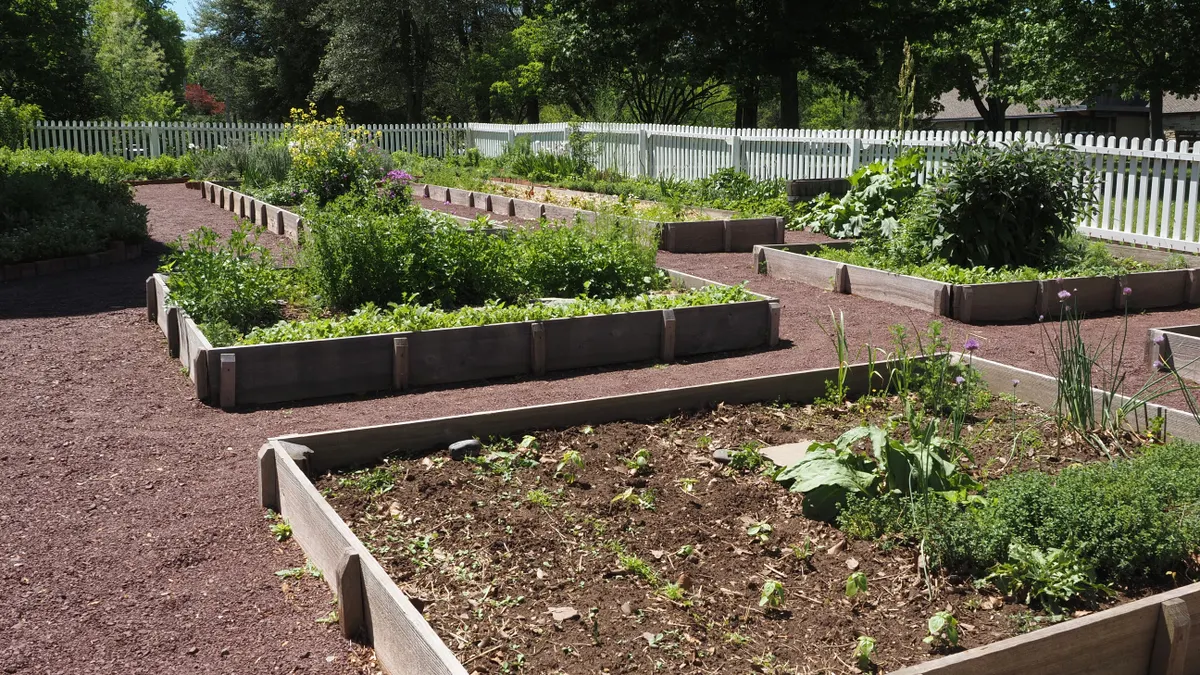
Companion planting for vegetables is about choosing neighbors that fit the same bed conditions, not forcing every crop to “help” every other crop. If you are unsure whether a pairing fits, consult a local extension service or horticulture professional. A tomato that wants full sun and room for airflow will not perform well jammed beside a dense crop that steals light, even if the pairing sounds good on paper.
The most useful way to think about companion planting is by function. Some plants fill gaps between taller crops. Some attract flowering insects that visit your garden for nectar. Some, like onions, have a strong scent that can make a mixed bed less appealing to certain pests. None of these effects is a guarantee, and that honesty matters. Cornell Cooperative Extension notes that these garden effects are context-dependent, not universal.
A practical companion plan usually aims for three results:
- Better use of space through intercropping
- More pollinator and beneficial insect visits
- Less direct competition for water, light, and root room
That means the first question is not “What plants are friends?” It is “What can share this bed without crowding?” A 4-foot-wide bed can fit more than one crop, but only if each plant still gets the spacing it needs. Tomatoes are a classic example: they need support, airflow, and room. Basil can tuck near the base without stealing much canopy space. Carrots can work as a lower layer if the soil is loose and the tomatoes are not planted so densely that the bed turns into shade by midsummer. The University of Minnesota Extension recommends planning for mature size, not seedling size.
This is where folklore goes wrong. A lot of companion planting advice repeats old pairings without explaining the mechanism. If you cannot name the benefit—shade, scent, nectar, root depth, or planting schedule—treat the claim cautiously and consult a professional source before you rely on it.
Which vegetables grow well together in a home plot?
Tomatoes, basil, onions, and carrots are among the most practical mixes for a home vegetable bed because they can occupy different layers of the same space. That does not mean every mix is perfect, but these combinations are easy to manage in a standard raised bed or in-ground row. In a 4-foot-wide bed, layered planting can leave a clear access path and still fit multiple crops.
Here are the pairings that make sense for most home gardens:
- Tomatoes + basil: Basil fits near tomato stems without competing hard for vertical space. Many gardeners also like the plant mix because the bed stays useful at two heights: tomatoes up top, basil at the edge or between supports.
- Carrots + onions: Carrots pull narrow roots downward. Onions grow from a compact bulb. They do not ask for the same root shape, which makes them a sensible pairing in a shallow or medium-deep bed.
- Beans + carrots: Beans can climb or spread above the soil while carrots stay low. This works best when the bean support is set so it does not shade the carrot row too early.
- Beans + onions: This is a fair mixed-bed option when spacing is generous, though it is not as classic as tomatoes and basil.
- Tomatoes + onions: This is useful when you want a layered bed and do not want all the scent or root pressure coming from one crop type.
Marigolds are often added near vegetable beds, but they are better treated as a border or scatter planting than as a core crop partner. If you want a marigold-heavy layout, consult a local extension guide before treating it as a pest-control plan. They can help diversify the bed and may draw some beneficial insects, but they are not a substitute for good spacing or clean soil.
The pairings to be careful with are the ones that create shade, share the same disease pressure, or ask for very different watering habits. A leafy crop that stays short can be a strong companion. A vigorous spreader that crowds the row is not. According to RHS guidance, airflow and spacing matter as much as the plant list itself.
If the bed is tiny, choose one tall crop and one low crop, not three crops forced into one square foot. A 2-by-4-foot bed can illustrate the point: companion plantings usually work better when they leave open paths for harvest and weeding.
How do I set up a companion planting bed?
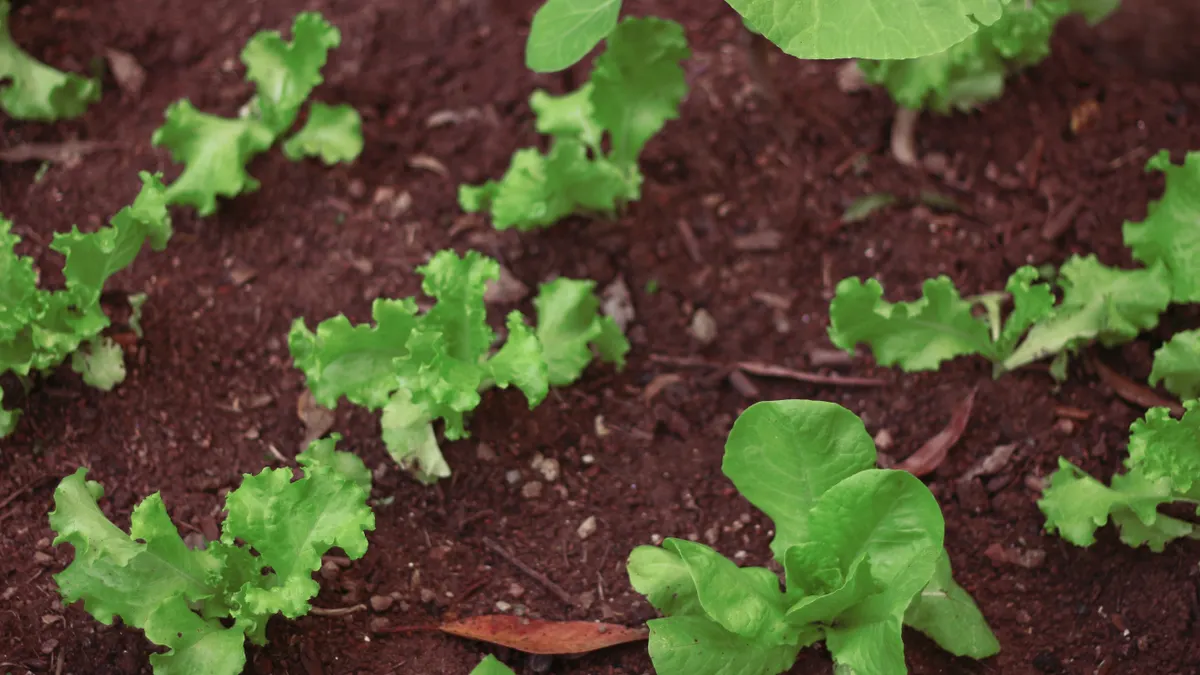
You set up a companion planting bed by matching plant height, root room, and harvest timing before anything goes in the ground. This keeps the bed productive for the full season instead of looking good for three weeks and collapsing into a tangle.
Use this simple procedure:
- Pick one main crop first. Choose the plant that needs the most space or support, such as tomatoes or beans on a trellis. That crop sets the bed’s height, sun demand, and support plan.
- Mark the spacing before planting. Leave the distance the crop truly needs, not the distance that “seems close enough.” For example, a supported tomato needs much more room than basil does, so basil becomes the filler, not the anchor.
- Add one secondary crop with a different shape. Put a low, fast crop such as carrots near a tall crop, or a compact bulb crop such as onions beside a deeper-rooted neighbor. The goal is a layered bed, not a crowded one.
- Leave open edges and one access path. In a 4-foot-wide bed, one side or middle lane needs to stay reachable for pruning, tying, and harvest. A bed with no access becomes difficult in about 2 to 3 weeks of active growth.
- Plant flowers where insects can find them. Marigolds work best at the border or at bed corners, where their blooms are visible and do not steal the main crop’s center space.
- Check the bed every 7 days. Remove a plant that is shading a neighbor or leaning into the row. Companion planting works when the layout stays flexible.
This method is more useful than memorizing a long compatibility chart because it handles real garden conditions: uneven germination, summer heat, and a bed that never looks exactly like the drawing on the seed packet. It also keeps intercropping honest. If two plants fit only when they are tiny, they are not truly compatible.
A good rule is to plan for mature size, not seedling size. A 6-inch seedling can hide a lot of future trouble, so check the finished spacing before you transplant.
Tomatoes, basil, carrots, and onions: a practical mixed bed
Tomatoes with basil and onions make a sensible upper-layer mix, while carrots can be added where the soil stays loose and the bed is not already packed. This is one of the cleanest examples of companion planting because each crop asks for something different from the space.
A workable layout in a raised bed might look like this:
- Tomatoes spaced so each plant can reach full size without tangling with the next
- Basil planted at the front edge or in pockets between tomato supports
- Onions used as a border or midline filler, where they do not crowd stems
- Carrots sown in a separate row or band, away from the densest tomato shade
The value of this combination is not miracle pest control. The value is structure. Tomatoes rise vertically. Basil stays low and fills gaps. Onions occupy narrow ground. Carrots push down in a thin root form. That is a better use of a bed than planting three crops that all want the same horizontal space. In a 4-foot bed, each crop can keep its own lane if the layout is planned early.
There are trade-offs. Tomatoes can cast enough shade that carrots slow down if they are sown too late or placed on the wrong side of the bed. Basil can be shaded out if tomato foliage becomes dense and pruning is neglected. Onions are small, so they can disappear under vigorous neighbors if you do not mark the row clearly. This is why a mixed bed needs labels or row markers, especially early in the season.
Bean pairings can work in a similar way, but beans are more sensitive to support placement. If you grow pole beans, put the trellis where it will not shade the lowest crop all morning. If you grow bush beans, give them a clear block of soil and use them as a compact partner rather than a climbing structure.
The fullest bed is not always the best mixed bed. It is usually the bed where every crop can still be picked without crushing another one.
What companion planting can do for beneficial insects
Companion planting can increase the chances that beneficial insects spend time in the garden, especially when flowers like marigolds are planted near vegetable beds. That matters because many garden helpers do not show up for vegetables alone; they show up for nectar, pollen, and repeated bloom. Xerces Society guidance also emphasizes that flowers should be easy for insects to reach.
This is where flower borders earn their place. Marigolds are popular because they are easy to tuck into a bed edge and their bright blooms are noticeable. They are not the only useful flower, but they can be one of the simplest options for a home plot. The point is not that marigolds magically protect every crop. The point is that a flowering edge can make the garden more active and diverse.
If the goal is beneficial insects, the flower has to be visible, accessible, and blooming long enough to matter. A plant buried under tomato foliage or shoved into a dark corner will not do much. Border placement is usually more effective than scattering flowers randomly through the center of the bed.
The other piece is timing. A garden that blooms for just a short stretch in spring will not support many visitors through summer. Staggering flowers or placing a few plants near a succession of vegetables gives insects a reason to keep returning. That can support pollination and may help with some pest pressure, though it does not remove the need to watch for outbreaks.
Do not overstate the insect effect. A single row of marigolds will not transform a struggling bed. It does make sense as part of a broader layout that includes spacing, airflow, and a steady mix of blossoms.
What companion planting myths should I ignore?
I should ignore any companion planting claim that sounds absolute, because vegetables do not obey a universal friendship chart. A lot of garden folklore promises that one plant will repel all pests or make another crop thrive anywhere, and that is where readers get misled.
Three common mistakes cause trouble:
- Packing plants too tightly. This costs light and airflow. Tomatoes and beans can become harder to prune, water, and harvest. The fix is to use mature spacing, then treat low growers like basil or carrots as fillers only where there is actual room.
- Choosing pairings for folklore instead of structure. A claim that sounds neat may have no practical payoff in a real bed. The fix is to ask whether the pairing changes shade, root use, or insect access.
- Putting flowers where they are hidden. Marigolds tucked under heavy foliage are wasted space. The fix is to place them at the edge, where beneficial insects can find them.
- Assuming every plant helps every neighbor. Some crops simply do not share well because they compete for the same resources or create too much shade. The fix is to separate the plants that want the same space.
A sensible companion plan is modest. It uses one or two clear pairings, not a collage of every good-sounding plant on the seed rack. That is especially true in a home plot where 1 bad layout can limit the whole bed.
For a broader framework, the companion planting section of the organic vegetable garden hub can sit alongside this guide without repeating it. That is where the bigger garden system belongs; here, the job is choosing neighbors that make sense together.
When companion planting is not the right tool
Companion planting is not the right tool when your main problem is low light, compacted soil, or a bed that is already too crowded to manage. In those cases, adding a “helpful” plant usually makes the bed harder to use, not easier.
It is also the wrong fix if you are hoping it will replace basic garden care. A companion plant will not rescue poor spacing, weak soil structure, or inconsistent watering. A 3-foot tomato planted too close to a dense crop will still be cramped even if the label says the pairing is friendly.
This approach is also less useful in very small beds where every inch matters. If a 2-by-2-foot space can only support one crop properly, forcing a mix is a downgrade. In that situation, one healthy plant beats two stressed ones.
The honest limit is simple: companion planting improves layout choices. It does not override the physics of plant size, root growth, and sun exposure. If the bed cannot support the combination at maturity, choose a simpler plan.
Companion planting for vegetables, in one sentence
Companion planting for vegetables works when the plants fit each other’s size, light, and root needs; it fails when the pairing is more decorative than practical.
What vegetables should not be planted together?
Vegetables that compete for the same space, light, or moisture are poor neighbors. Tall, wide crops can crowd short ones, and crops with similar root habits can fight below ground. The bigger problem is not a forbidden pair so much as a bad layout. If two vegetables cannot both reach maturity without shading or crowding each other, they should be separated.
Does companion planting really work?
Companion planting can work in practical, modest ways. It helps most when the benefit comes from structure: better spacing, mixed root depth, and flowers that support beneficial insects. It does not work as a magic pest shield, and it is weaker when the bed is already overcrowded or poorly lit. Realistic expectations matter more than plant legends.
What flowers help vegetable gardens?
Marigolds are a common choice for vegetable gardens because they are easy to place at bed edges and add visible blooms. Other flowers can also help by offering nectar and pollen, but the main value comes from having flowers where insects can actually reach them. A border or corner planting is usually more useful than hiding flowers in the center of the bed.
Drafted with AI; not yet reviewed by a person.