
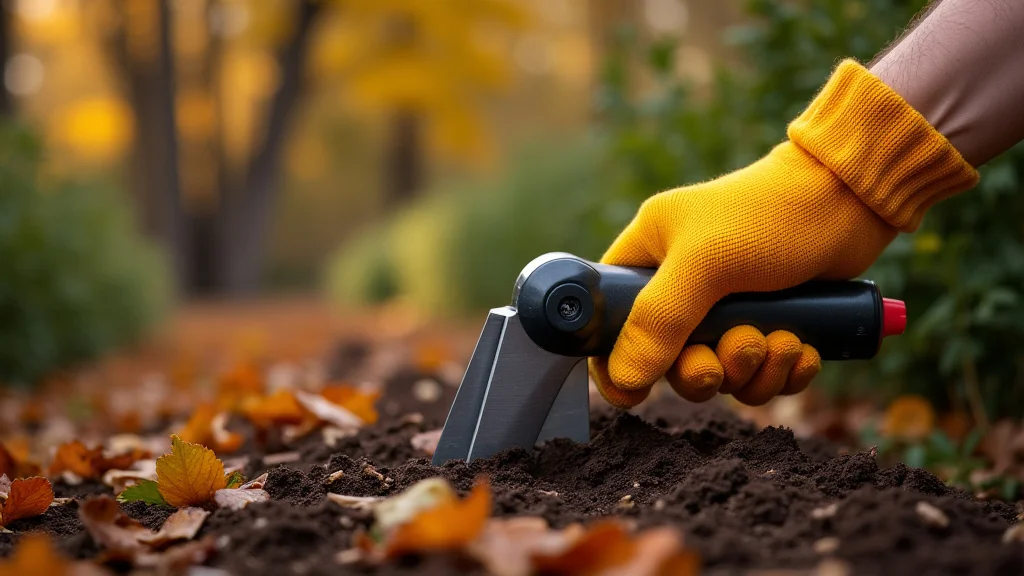
Remember that feeling of crisp air and the changing leaves? That’s me, already daydreaming about fall gardening. Last year, I waited too long to grab a new garden rake, and ended up with a flimsy one that bent after the first use. Don’t make the same mistake! This year, I’m planning ahead, and you can too. This guide will reveal the best autumn 2023 specials for gardening tools. You’ll learn where to find the best deals, what tools are essential for fall gardening, and how to prepare your garden for the colder months. Get ready to save money and get your garden ready for success!
Key Takeaways
- Discover the essential gardening tools for preparing your garden for the fall.
- Find out how to identify the best deals on autumn 2023 specials for gardening tools.
- Learn about the seasonal discounts offered by different retailers.
- Understand the importance of tool maintenance and care for long-lasting use.
- Get expert tips on choosing the right tools for your specific gardening needs.
- Uncover strategies for extending your gardening season with the right equipment.
Planning Your Fall Garden: Tools to Get You Started
Fall isn’t just about pumpkin spice and cozy sweaters; it’s also a prime time for gardening! Preparing your garden in the fall sets the stage for a healthier, more productive space next spring. This involves tasks like clearing out old plants, amending the soil, and planting certain crops that thrive in cooler temperatures. Choosing the right tools can make this process a whole lot easier and more enjoyable. From simple hand tools to more sophisticated equipment, the market has many choices that will benefit you and your garden. The autumn 2023 specials for gardening tools are a great opportunity to get all your required tools.
Essential Hand Tools for Autumn Gardening
Hand tools are the foundation of any gardener’s toolkit. They are simple to use, affordable, and ideal for smaller spaces or detailed tasks. These are the tools you’ll be reaching for most often as you prepare your garden for winter and plan for the next growing season. They’re perfect for jobs like weeding, transplanting, and general cleanup. You’ll want to have these handy as you prepare your garden for the winter months.
- Garden Fork: A garden fork is not just for turning over your soil. It’s also useful for breaking up clumps of soil, mixing in compost, and lifting out old plants. Look for a sturdy fork with strong tines, able to withstand heavy usage.
- Hand Rake: Rakes are useful for collecting leaves, smoothing soil surfaces, and removing debris. There are several kinds, but the classic fan-shaped rake is great for clearing large areas of leaves.
- Trowel: A trowel is a small, handheld shovel perfect for planting seedlings, transplanting smaller plants, and digging in tight spaces. You can use it to scoop up soil and place it around plant roots.
- Hand Pruners: Also called secateurs, these are essential for trimming and pruning plants. They are used to remove dead or diseased branches and shape plants. Choose bypass pruners for clean cuts.
A garden fork can handle more challenging tasks than a shovel, especially in soil that’s compacted or full of roots. The open tines make it easier to lift and loosen soil without fully turning it over, which can be advantageous in preserving soil structure and the beneficial microorganisms that help plants thrive. They come in various sizes and styles, from short-handled versions for working in raised beds to longer ones designed for larger garden areas. Garden forks come in different materials, like stainless steel, which will help avoid rust and last longer. The right fork is a long-term investment for any gardener.
A hand rake is a versatile tool for both aesthetic and functional purposes in the garden. For instance, the tines are effective at smoothing soil, which helps with planting. These tools also work well for preparing seedbeds. When choosing a hand rake, you have different options for materials, like wood, plastic, or metal, that will affect their durability and performance. Consider the size of your garden and the specific tasks you’ll be doing. A wide rake is suitable for clearing lawns and borders, while a narrower one may be better for tight spaces. Look for a rake with a comfortable handle to avoid strain during extended use.
The trowel is a vital hand tool for gardeners. It is indispensable for planting, digging, and transplanting plants. Trowels come in many materials, but stainless steel is a popular option. It resists rust and lasts for years. When selecting a trowel, consider the handle. It should be comfortable to grip and strong enough to withstand pressure. The design of the blade is also important. A sharp, pointed blade is helpful for digging in compacted soil, while a wider blade is ideal for scooping and transplanting. You may want to invest in a trowel with measurement markings. These markings make planting to the proper depth easier, which helps guarantee healthy plant growth.
Hand pruners are indispensable for maintaining the health and appearance of your plants. These tools are used for precise cutting, so they’re perfect for trimming shrubs, shaping hedges, and removing dead or diseased branches. Bypass pruners offer a clean cut, which helps reduce the risk of infection in plants. Anvil pruners, which have a single blade that cuts against a flat surface, are ideal for dead or woody stems. Consider the size of the pruners and how they fit in your hand when choosing. Ergonomic handles can reduce hand fatigue during extended use. Ensure the blades are sharp for a clean cut that promotes faster healing. Maintaining your hand pruners, such as cleaning and sharpening the blades, will lengthen their lifespan.
Power Tools for Efficient Fall Garden Prep
For larger gardens or more intensive projects, power tools can save time and effort. These tools help with tasks like tilling, removing large amounts of debris, and shredding leaves. You will find that these tools are very helpful, especially as your garden gets larger. When looking at autumn 2023 specials for gardening tools, you may want to consider these.
- Leaf Blower/Vacuum: A leaf blower is invaluable for clearing leaves from lawns, walkways, and patios. Many models convert to vacuums, making it easy to collect shredded leaves.
- String Trimmer/Weed Wacker: This tool is useful for trimming grass along edges and removing weeds from hard-to-reach areas. String trimmers also work well for clearing tall grass and weeds.
- Rotary Tiller: A tiller is the best choice for larger gardens. It is used to break up soil and incorporate organic matter before planting. This helps improve the soil’s structure and fertility.
The leaf blower/vacuum is a versatile tool that can drastically reduce the time spent cleaning up your garden in the fall. Modern models come with various features that provide you with the best experience. Consider the power source when selecting a leaf blower/vacuum. Electric models are quiet and environmentally friendly, while gas-powered ones deliver more power. A variable speed setting allows you to control the airflow, which helps with different tasks. Some models come with a mulching feature that reduces the volume of leaves, making them easier to manage. Remember to take safety precautions when using a leaf blower/vacuum, such as wearing eye protection and ear protection.
A string trimmer, often known as a weed wacker, is a handy tool for keeping your garden tidy. These tools are suitable for edging lawns, trimming around obstacles, and removing weeds in tight spaces. Choose a string trimmer with a comfortable grip and a guard to protect you from flying debris. String trimmers come in electric, battery-powered, and gas-powered models. Electric trimmers are suitable for smaller yards. Battery-powered trimmers are more portable and don’t require a cord, while gas-powered trimmers offer maximum power. They can also use different string thicknesses, so you can choose the right one for each job.
Rotary tillers are essential tools for anyone with a significant garden space or who wants to make soil preparation easier. These machines turn over the soil, breaking up compacted earth, and mixing in organic matter to improve soil health and structure. Consider the size of your garden and the type of soil when choosing a tiller. For small gardens, an electric tiller may be sufficient. Gas-powered tillers offer more power and are suitable for larger areas or tough soil conditions. Look for features such as adjustable tilling widths and depths to customize the tool. When using a tiller, be sure to wear appropriate safety gear, including eye protection and sturdy footwear. Maintenance is key; clean the tiller after each use and follow the manufacturer’s recommendations for oil changes and tune-ups.
Finding the Best Deals: Where to Shop for Autumn 2023 Specials for Gardening Tools
The fall season is a prime opportunity to buy gardening tools, as many retailers offer sales and discounts to clear out inventory before winter. To find the best deals, you can explore various retailers, compare prices, and stay alert for seasonal promotions. By shopping smart and using some of these methods, you can gather the tools you need without going over your budget. You can get quality tools at great prices if you take the time to compare your options.
Online Retailers and Their Sales Strategies
Online retailers offer convenience, a broad range of products, and competitive pricing. They often have sales that can provide you with incredible deals. From big box stores to niche garden supply shops, these retailers have different sales strategies that can help you save money. These sales can include holiday promotions, clearance events, and special bundles that can make it easier for you to purchase your new tools.
- Amazon: Amazon has a huge selection of tools from various brands. They often have daily deals, seasonal sales, and flash sales. You can also compare prices from different sellers.
- Home Depot/Lowe’s: These big box stores are well-known for their home improvement supplies, offering a wide range of gardening tools at competitive prices. You can also find frequent sales, promotions, and clearance events.
- Specialty Garden Supply Stores: These stores often have expert staff and curated selections. You will often find sales and special offers, especially on higher-quality tools or specialized equipment.
Amazon is a great place to start your search, offering a comprehensive selection of gardening tools from various brands. Their vast platform features daily deals, seasonal promotions, and flash sales that can result in significant savings. The user reviews and ratings can provide insights into the quality and performance of tools. You can also easily compare prices from various sellers and check for the best deals. Don’t forget to check Amazon’s customer service and return policies. These policies can give you peace of mind when making your purchases. Sign up for Amazon Prime to get free shipping and access to exclusive sales and deals.
Home Depot and Lowe’s are trusted resources for gardening tools and supplies, offering a wide range of products at affordable prices. They often have regular sales and promotions, especially during seasonal changes like fall. You can frequently discover discounts on specific brands or tool types, which can help you stay within your budget. Consider signing up for their email lists to receive notifications of upcoming sales and special offers. You can also take advantage of in-store promotions, which include price matching and financing options. Consider checking their clearance sections for tools and other gardening supplies at discounted prices.
Specialty garden supply stores are great for finding specialized tools and high-quality products. They offer expert knowledge and a carefully selected inventory that goes beyond basic gardening equipment. These stores often feature sales and special offers, particularly on high-end tools or specific types of equipment. They’re also an excellent resource for advice and tips from experienced gardeners. This local expertise can provide valuable insight as you select tools for your needs. Sign up for their newsletters and follow them on social media for news about sales and new arrivals. They often have demo days or workshops that can help you choose the best tools for your needs.
Seasonal Sales and Promotions to Watch For
Sales, discounts, and promotions are common during the fall months as retailers aim to clear out their inventory. You can find excellent deals on tools and equipment. Timing your purchases strategically, such as during the end-of-season sales or special holiday events, can help you reduce your expenses. There are a variety of seasonal promotions you can watch for during this time of year.
- End-of-Season Sales: These sales typically happen in late fall, as retailers prepare for the winter season. You can discover reduced prices on tools, equipment, and other garden supplies.
- Holiday Sales: Many stores have holiday sales, particularly around Labor Day, Thanksgiving, and Black Friday. You can take advantage of the discounts on a variety of gardening tools.
- Clearance Events: Retailers often have clearance events. These sales often feature discontinued tools or those with minor cosmetic defects.
End-of-season sales, which occur in late fall, can provide outstanding opportunities to buy gardening tools at reduced prices. This is when retailers aim to clear out their remaining inventory before the winter. Look for substantial discounts on tools, equipment, and other garden supplies. This is a perfect opportunity to purchase items you have wanted for a while. Be sure to visit both online stores and local shops to compare offers. You can often get better deals during these sales events, especially on larger items or those that may be out of stock otherwise. This is the ideal time to add to your collection or replace older tools at a fraction of the cost.
Holiday sales are a great time to buy gardening tools, with several key holidays providing chances to get the best deals. You can find discounts around Labor Day, Thanksgiving, and Black Friday. Black Friday, in particular, is known for its deep discounts on many items. Take advantage of the seasonal sales and be prepared for potential flash sales or limited-time offers. Many stores provide promotional discounts and extra incentives. Also, compare prices and read reviews before making a purchase. This will make certain that you get the best deal and tools that meet your needs. Be ready to take quick action. Many deals sell out quickly during the busiest shopping days.
Clearance events are a treasure trove for finding fantastic deals on gardening tools. Retailers often need to move out discontinued items or tools with slight cosmetic imperfections. These events are a way to access high-quality tools at significantly reduced prices. Make sure to visit both online retailers and your local stores to see the available options. Make sure to read product descriptions carefully. You can also ask about any warranty or return policies before buying. This strategy will allow you to get the equipment you want while saving money.
Preparing Your Tools for the Fall Season
Fall is an important time to perform tool maintenance. Keeping your tools clean, sharpened, and properly stored makes sure they are ready to go in the spring. Tool maintenance increases your tools’ lifespan. By investing a bit of time in tool care, you can save money on replacements.
Cleaning and Sharpening Your Tools
Proper cleaning and sharpening are vital for keeping your gardening tools in top condition and guaranteeing optimal performance. Removing dirt, rust, and debris after each use and providing regular maintenance can extend the life of your tools. Regular maintenance, such as sharpening blades and lubricating moving parts, helps reduce wear and makes gardening tasks easier.
- Cleaning: Always clean your tools after each use. Remove soil, sap, and other debris with water and a brush or scraper. Rinse and dry them thoroughly to prevent rust.
- Sharpening: Keep blades sharp. Use a file, sharpening stone, or sharpening tool to sharpen blades regularly. Properly sharpened blades make gardening easier and safer.
- Lubrication: Lubricate moving parts to keep them working smoothly. Use a light machine oil or a specialized lubricant for tools. This keeps the parts moving smoothly.
Cleaning your gardening tools after each use is an easy way to ensure they last a long time. This removes dirt, sap, and other debris that can lead to corrosion and damage. Rinse and dry your tools thoroughly to prevent rust. Use soap and water or a specialized tool cleaner to remove stubborn dirt. Consider using a wire brush to remove rust. Routine cleaning prevents the spread of plant diseases and keeps your tools in great condition. Taking a few minutes to clean your tools after you use them can save you time, money, and energy in the future.
Sharpening your tools is an important part of keeping them in good working order. Sharpening improves the efficiency of your tools. It also reduces the effort needed for cutting, pruning, and digging. Use a file, sharpening stone, or sharpening tool to sharpen blades regularly. Remove any rust or damage before sharpening. Hold the blade at the correct angle. Then use smooth, even strokes. Regular sharpening extends the life of your tools. You can also consult a professional sharpener for more complex tools. Sharpening ensures your tools work better and last longer.
Lubricating moving parts is an often-overlooked but essential maintenance task. It helps keep your tools operating smoothly and efficiently. Using a light machine oil or a specialized lubricant for tools will keep the parts moving freely. Apply the lubricant to hinges, pivot points, and other moving parts. This prevents rust, reduces friction, and extends the life of your tools. Lubrication also helps prevent the buildup of dirt and debris. Make this a regular part of your tool maintenance routine. Lubricating moving parts ensures your tools are always ready for action.
Proper Storage for Longevity
Storing your tools properly is essential to protect them from damage and extend their lifespan. Proper storage methods will prevent the tools from weather, rust, and other damage. By implementing safe storage practices, you can make sure your tools are well-protected. These tools will be ready to use when the gardening season starts.
- Indoor Storage: Store your tools indoors, in a shed, garage, or storage container, to protect them from weather and temperature changes.
- Tool Racks and Organizers: Use tool racks, hooks, or organizers to store your tools. This keeps them organized, easy to find, and prevents damage.
- Preventative Measures: Consider using rust preventatives, such as oil or rust-inhibiting sprays, to protect metal tools from rust.
Storing your gardening tools indoors, in a shed, garage, or storage container, will protect them from damaging weather and temperature fluctuations. Indoor storage protects your tools from rust, corrosion, and wear. It can help extend their lifespan. Always make sure your tools are dry before storing them. You can use tool racks, hooks, or pegboards to keep your tools organized and easily accessible. By storing your tools properly, you will protect your investment and make sure they are ready for the next season.
Tool racks and organizers are indispensable for storing your gardening tools. Using these items will keep your tools organized and easy to find. This also helps prevent damage and reduces clutter. You can choose from a range of options, from simple hooks and racks to more elaborate shelving systems. This organization also makes your gardening tasks more efficient. Tools are available at your fingertips. By using tool racks and organizers, you not only protect your tools. You can also create an organized, efficient workspace for all your gardening tasks.
Take preventative measures to shield your tools from rust and corrosion. These measures help extend the life of your tools. Apply a light coat of oil or use rust-inhibiting sprays. This creates a barrier against moisture and air that can cause rust. Store your tools in a dry environment. Keep your tools clean after use. Make sure you sharpen blades regularly. Taking these steps will help you protect your investment and ensure that your tools are ready for use. By incorporating these preventative measures into your routine, you can make sure your tools are always ready to go.
Choosing the Right Tools for Your Needs
Selecting the right gardening tools depends on the size of your garden and the specific gardening tasks you plan to do. Taking the time to evaluate your needs will help you choose the right tools. Making the right choices can make your gardening experience more enjoyable and efficient. There are a few things to keep in mind when choosing tools.
Assessing Your Garden Size and Type
The size and type of your garden are key factors in choosing the appropriate tools. Choosing the right tools is important whether you have a small balcony garden or a large backyard. Consider the types of plants you plan to grow and the space you have available. This assessment will help you narrow your search and make wise decisions about what tools you buy.
- Small Gardens/Balconies: For small spaces, consider space-saving and multi-functional tools. Hand tools, such as trowels, hand rakes, and small pruners, are great for this space.
- Medium-Sized Gardens: For medium-sized gardens, you can utilize both hand tools and some power tools. A wheelbarrow or garden cart is essential for transporting materials.
- Large Gardens/Farmland: For large gardens or farmland, invest in durable, heavy-duty tools, including a larger tiller, a garden tractor, and a wider range of hand tools.
Small gardens and balconies need space-saving and versatile tools. Hand tools, such as trowels, hand rakes, and small pruners, are ideal for these spaces. Consider tools that can serve multiple purposes. This will make the most of your limited space. Choose lightweight and easy-to-store tools. You can also explore options such as foldable tools and hanging organizers. Also, think about vertical gardening techniques. This can help you make the most of your small space.
Medium-sized gardens call for a balanced approach to tools. You’ll likely use a mix of hand tools and some power tools. A wheelbarrow or garden cart is essential for moving plants, soil, and other materials. A small tiller or lawnmower can also be useful for keeping your garden in good shape. Think about a good storage solution to keep your tools organized. A small shed or a secure storage cabinet can make your gardening easier.
If you have a large garden or farmland, it’s wise to invest in durable and heavy-duty tools. This can include a larger tiller, a garden tractor, and a broad variety of hand tools. Consider the specific tasks you’ll be doing. You will need equipment for soil preparation, planting, and harvesting. Quality tools will save you time and effort and last for years to come. Consider investing in tools that can be adapted for multiple uses.
Identifying Your Specific Gardening Tasks
The tasks you plan to accomplish in your garden will influence the selection of tools. This may include soil preparation, planting, pruning, weeding, and watering. As you focus on the jobs you will undertake, you can choose the tools that will make these activities easier and more efficient. As you choose, think about the different types of plants you will grow and the specific tasks needed for their care.
- Soil Preparation: Tools for soil preparation include shovels, garden forks, tillers, and soil testing kits. These tools will help you prepare the soil for planting.
- Planting and Transplanting: Essential tools for planting include trowels, hand transplanters, and dibbles. These tools help you make sure your plants have the best start.
- Pruning and Trimming: Select hand pruners, loppers, and hedge shears. These tools help you shape plants and remove dead or diseased branches.
- Weeding and Maintenance: Include weeding tools, such as hoes, weed pullers, and cultivators, for these tasks. Also consider tools for watering and mulching.
Soil preparation is important for a successful garden. Make sure you have the right tools to prep the soil. Tools for this step include shovels, garden forks, tillers, and soil testing kits. You’ll need to remove weeds, break up the soil, and add nutrients and organic matter. Using the right tools will improve soil structure and drainage. This prepares the soil for optimal plant growth. Investing in quality soil preparation tools is a wise decision. They will help you have a healthy garden season after season.
Planting and transplanting are vital for bringing your garden to life. Essential tools for planting include trowels, hand transplanters, and dibbles. You can also use a small hand shovel. These tools enable you to dig holes, plant seedlings, and move plants with care. They make sure your plants get the best possible start. Having the proper tools makes this task easier and more efficient. It also helps you get more enjoyment out of your garden.
Pruning and trimming are essential for keeping your plants healthy and visually appealing. Select hand pruners, loppers, and hedge shears. These tools help you shape plants and remove dead or diseased branches. Make sure your pruning tools are sharp and clean to prevent the spread of disease. Regular pruning will stimulate new growth. It also helps improve airflow and light exposure. This will result in healthier and more vibrant plants.
Weeding and general maintenance are important for keeping your garden in good shape. This helps maintain a neat and healthy space. Have weeding tools such as hoes, weed pullers, and cultivators. Also consider tools for watering and mulching. These will help prevent weeds from growing and keep your plants healthy. Regular weeding and maintenance will help you have a beautiful, thriving garden.
Extending Your Gardening Season with the Right Equipment
You can extend your gardening season and grow fresh produce for a longer time by using the right tools and strategies. You can push the boundaries of your growing season. This will give you the chance to harvest crops earlier in the spring and later in the fall. These tools can help you protect your plants, control the climate, and make sure that you have an even more productive garden.
Season Extension Techniques and Tools
You can prolong your growing season, by using a few techniques and tools. These techniques will create a microclimate that protects your plants. You will create the best possible conditions for your crops. With these strategies, you can begin gardening earlier in the spring and continue to harvest your crops later into the fall.
- Cold Frames: Cold frames are basic structures that protect plants from the cold. They are easy to make or buy. They allow you to start seeds earlier.
- Row Covers: Floating row covers are lightweight fabrics that are placed directly over plants. They help protect plants from frost, wind, and pests.
- Greenhouses: Greenhouses offer the most comprehensive climate control. They protect plants from the cold and allow you to control the growing environment.
Cold frames are a basic and effective tool for extending the growing season. They protect plants from the cold and allow you to start seeds earlier. Cold frames are easy to make or buy. They create a microclimate that traps heat and protects the plants from frost. You can use them to harden off seedlings and protect plants throughout the winter. Place the cold frames in a sunny location. Ventilate them on warm days to avoid overheating. You can protect delicate plants and extend your harvest with a cold frame.
Floating row covers are useful for extending the growing season. They are lightweight fabrics that are placed directly over plants. These covers protect plants from frost, wind, and pests. They also trap heat, which encourages faster growth. Row covers are easy to use and can be placed directly over your plants. Be sure to anchor the edges to the ground to keep them secure. They are an economical way to extend the growing season. You can use them to protect tender plants during cold snaps. You can also use them to get an early start on your crops.
Greenhouses are great if you want complete control over the growing environment. Greenhouses protect plants from the cold and allow you to control the temperature, humidity, and light levels. They are perfect for starting seeds, growing tender plants, and extending the harvest. Consider the size and features of the greenhouse to match your gardening needs. This can be as simple as a small lean-to structure. Or, they can be as elaborate as a large, climate-controlled setup. Ensure your greenhouse has proper ventilation. This helps prevent disease and maintains optimal growing conditions.
Selecting the Right Plants for Fall and Winter
Knowing which plants thrive in cooler weather will help you make the most of the fall gardening season. Some plants are best suited for planting in the fall. These plants can withstand the cold. Some can even provide a harvest throughout the winter. Consider planting cold-hardy vegetables and other plants in your garden. They will bring color and nourishment to your table during the colder months.
- Cold-Hardy Vegetables: Plant vegetables such as kale, spinach, lettuce, and carrots. These plants thrive in cooler temperatures and can often be harvested into winter.
- Bulbs and Spring Flowers: Plant spring-blooming bulbs, such as tulips and daffodils, in the fall. They provide colorful displays in the spring.
- Cover Crops: Consider planting cover crops, such as winter rye or crimson clover. These crops improve soil health and prevent erosion over the winter.
Cold-hardy vegetables are the key to a productive fall garden. These are plants like kale, spinach, lettuce, and carrots. These plants thrive in cooler temperatures and can often be harvested into winter. Plant these in late summer or early fall. Make sure you give them plenty of sunshine. You can use row covers or cold frames to extend their harvest season. These vegetables are nutritious and can provide fresh greens throughout the fall and winter months. The right selection of seeds and careful planning make a fall vegetable garden a worthwhile project.
Fall is an excellent time to plant spring-blooming bulbs. Examples include tulips, daffodils, and hyacinths. These bulbs need a period of cold dormancy to produce flowers. Planting in the fall gives them time to root before the ground freezes. This prepares them for a burst of color in the spring. Plant your bulbs at the correct depth and spacing, as indicated on the packaging. Choose a sunny spot. Then, enjoy the colorful displays that brighten up your garden in the spring.
Cover crops, like winter rye or crimson clover, are valuable additions to your fall garden. They improve soil health and prevent erosion over the winter. Planting cover crops protects the soil from wind and rain. They also add organic matter to the soil. Plant them after you harvest your other crops. Till the cover crops into the soil in the spring before planting your next crop. Cover crops are an easy and effective way to maintain and improve soil health.
Frequently Asked Questions
Question: What are the essential tools for fall gardening?
Answer: Essential tools include a garden fork, hand rake, trowel, hand pruners, leaf blower/vacuum, and possibly a rotary tiller for larger gardens.
Question: Where can I find the best deals on autumn 2023 specials for gardening tools?
Answer: Check online retailers like Amazon, Home Depot, and Lowe’s. Also, visit specialty garden supply stores and local nurseries. Watch for end-of-season sales and holiday promotions.
Question: How do I choose the right size tiller for my garden?
Answer: For smaller gardens, an electric tiller may suffice. For larger areas or tough soil, a gas-powered tiller is usually better.
Question: How do I maintain my gardening tools for long-lasting use?
Answer: Clean tools after each use, sharpen blades regularly, and lubricate moving parts. Store them indoors to protect them from weather.
Question: What plants can I grow in the fall to extend my gardening season?
Answer: Plant cold-hardy vegetables like kale, spinach, and carrots. Also plant spring-blooming bulbs such as tulips and daffodils.
Final Thoughts
As the leaves begin to change and the air turns crisp, it’s the perfect time to explore the many opportunities of fall gardening. With the right tools and strategies, you can prepare your garden for winter and even extend your harvest. Remember to assess your garden’s size and your specific gardening tasks to select the tools that suit your needs. Don’t forget to consider those fantastic autumn 2023 specials for gardening tools. Check out the latest promotions and deals for the best prices. With your tools ready and your garden planned, the season ahead is full of potential. Get out there, enjoy the cool air, and start planning your perfect fall and winter garden today!