
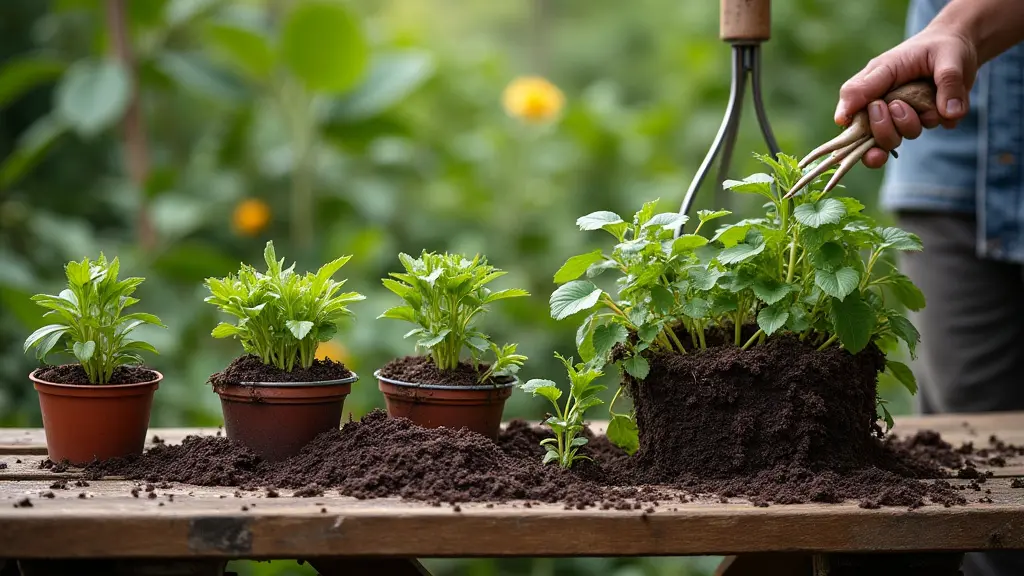
Remember that time your lolo tried to plant tomatoes and ended up with a patch of weeds instead? It’s a common story, and often, the tools make the difference! Whether you’re a seasoned gardener or just starting with a small herb garden, having the right gardening tools in the Philippines is essential. This guide is your one-stop resource, exploring the must-have tools, where to find them, and how to use them effectively. You’ll gain practical knowledge that helps you cultivate a thriving garden and avoid common pitfalls. Get ready to transform your backyard, balcony, or even a small pot into a vibrant green space! This post will provide tips and insights, increasing Time on Page and reducing Bounce Rate by offering useful advice.
Key Takeaways
- You will learn about the essential gardening tools in the Philippines, covering various gardening tasks.
- Discover where to buy these tools, including local markets and online stores.
- You’ll get tips on how to properly maintain your tools for longevity and optimal performance.
- Explore tips to select the right tools for your specific gardening needs and plant types.
- Understand the various types of soil and the necessary tools for each.
Essential Gardening Tools for Philippine Gardens
Every gardener, from the newbie with a potted plant to the seasoned veteran with a sprawling vegetable patch, knows the value of good tools. The right equipment makes every task easier, more efficient, and, let’s be honest, more enjoyable. In the Philippines, where the climate is conducive to year-round gardening, having a well-stocked toolkit is especially crucial. This section explores the fundamental gardening tools in the Philippines that every gardener should have, no matter the size or scope of their project. We’ll cover everything from the basic hand tools to specialized equipment that can elevate your gardening game. Understanding what each tool does and how it’s used is the first step toward creating a thriving, beautiful garden.
Hand Tools: The Gardener’s Best Friends
Hand tools are the heart and soul of any garden. They are the instruments you’ll use most frequently, and mastering their use is key to successful gardening. These tools are manageable, affordable, and perfect for various tasks, from preparing soil to planting seeds. The following hand tools should be an essential part of your gardening arsenal in the Philippines. These are the tools you’ll find yourself reaching for repeatedly, so it’s worth investing in good-quality options that will last.
- Trowel: This small, handheld tool is perfect for digging small holes, transplanting seedlings, and scooping soil. Its pointed blade makes it ideal for working in tight spaces.
- Hand Fork: Use this tool to loosen soil, remove weeds, and mix in compost or fertilizer in small areas. It’s great for preparing soil for planting.
- Hand Rake: This tool is used for smoothing soil, removing debris like leaves and twigs, and preparing the soil surface for planting or seeding.
- Weeder: This tool, often with a V-shaped or forked end, is designed to extract weeds from the soil, minimizing disturbance to surrounding plants.
- Garden Gloves: Protect your hands from dirt, thorns, and potential irritants with a good pair of gloves. Choose breathable, durable options.
A trowel is a simple yet indispensable tool for any gardener. Its primary function is to dig small holes for planting seeds, seedlings, or small plants. The shape of a trowel is usually a scoop-like blade with a handle, making it easy to scoop up soil and move it around. Its compact size is perfect for working in raised beds, pots, or containers where space is limited. Look for a trowel made of stainless steel or carbon steel for durability. Make sure the handle is comfortable and fits well in your hand, as you’ll be using this tool extensively. The trowel’s versatility makes it a must-have for any gardener, regardless of experience level. Whether planting herbs, flowers, or vegetables, a trowel is one of the most frequently used gardening tools.
The hand fork, with its small size and sturdy tines, is perfect for breaking up compacted soil in confined spaces. Its design allows you to aerate the soil, improving drainage and making it easier for plant roots to grow. You can also use a hand fork to mix compost, fertilizer, or other soil amendments into the soil. Choose a hand fork with strong tines and a comfortable handle to make gardening easier on your hands. The size of a hand fork makes it a good tool for working around existing plants without causing damage. It is a good choice for smaller gardens or for detail work in larger gardens. Always choose a hand fork with tines made from durable metal. Using a hand fork is an effective way to improve soil health and create the perfect environment for plants to thrive.
The hand rake is ideal for smoothing soil surfaces and preparing them for planting. It is great at removing debris like stones, leaves, and twigs, and breaking up clumps of soil. It is a compact version of the larger garden rake. This versatile tool is essential for creating a clean and even seedbed. The small size makes it manageable for use in tight spaces such as raised beds. Hand rakes also help incorporate amendments, like compost, into the soil. Choose a hand rake with sturdy tines, appropriate for the soil type. Hand rakes are essential for any gardener looking to create a well-maintained and aesthetically pleasing garden. It can be found at any local gardening supply shop in the Philippines.
A weeder is specially crafted for removing weeds, helping to keep your garden tidy and healthy. The most common type is a narrow tool with a V-shaped or forked tip, allowing you to get under weed roots and pull them out completely. This design minimizes disturbance to the surrounding plants and soil. The pointed end is helpful for removing deep-rooted weeds. Using a weeder regularly can prevent weeds from taking over your garden. It is an excellent alternative to using chemicals, keeping your plants healthy. When selecting a weeder, look for a comfortable handle and a blade made of strong metal. The weeder is an essential tool for all gardeners in the Philippines.
Garden gloves are crucial for protecting your hands during various gardening activities. They shield you from dirt, thorns, potential irritants, and cuts. Choosing the right gloves is key to a comfortable gardening experience. Look for gloves made from durable materials like leather, nitrile, or canvas. Breathable materials are important, as they prevent your hands from sweating too much. Consider the tasks you’ll be doing. Thicker gloves are better for handling thorny plants or rough materials, while thinner gloves are more suitable for tasks requiring greater dexterity, such as planting seedlings. Investing in a good pair of garden gloves is a small but important step towards ensuring your comfort and health while you work in your garden.
Larger Tools for Bigger Tasks
Once you’re familiar with the essentials, you may consider adding some larger tools to your collection. These are helpful for tasks that require more strength or are too time-consuming to do by hand. While not every gardener needs these, they can significantly increase efficiency, particularly in larger gardens. These tools can help in prepping your soil, cutting through overgrown vegetation, and handling larger quantities of materials, making your gardening experience even more effective and enjoyable.
- Shovel: Used for digging, moving soil, and planting larger plants or trees.
- Garden Hoe: Ideal for weeding, cultivating soil, and creating furrows for planting. It helps to keep soil loose and aerated.
- Garden Fork: Useful for turning compost, lifting root crops, and aerating the soil. It is more effective than a hand fork for large areas.
- Rake: Used for leveling soil, gathering leaves, and removing debris. There are different types, including leaf rakes and garden rakes.
- Secateurs (Pruning Shears): Essential for trimming, shaping plants, and cutting small branches.
A shovel is a versatile tool for various digging and moving tasks. A long-handled shovel is typically used for digging holes for planting shrubs and trees. It’s also suitable for transferring soil or compost from one place to another. Look for a shovel with a strong steel blade and a comfortable handle that suits your height. Some shovels have a pointed blade, perfect for digging in compacted soil, while others have a flat blade, better suited for scooping and moving materials. The right shovel can make a world of difference when preparing planting beds or moving large volumes of soil. This essential tool is invaluable in any gardening setup, regardless of its size.
A garden hoe is designed for weeding, cultivating soil, and creating furrows for planting. The head is usually a flat, blade-like piece of metal attached to a long handle. It is ideal for breaking up soil crusts and loosening the earth, which helps in the aeration and water absorption of the soil. The hoe’s ability to slice through weed stems is helpful in controlling weed growth. Using a hoe regularly makes maintaining your garden easier. When selecting a hoe, consider the type of soil you have and the tasks you’ll be using it for. Look for a hoe with a sturdy handle and a sharp, durable blade.
A garden fork, also known as a digging fork, is a larger version of the hand fork, designed for heavier tasks. It is excellent for turning compost piles, lifting root crops, and aerating the soil. The tines on the fork penetrate deeper than hand tools, allowing for better soil aeration and easier incorporation of organic matter. A garden fork is particularly effective in breaking up compacted soil. It is a must-have for anyone managing a compost pile or preparing large planting beds. Choosing a fork with a durable head and a sturdy handle is essential. The garden fork is an essential tool for any gardener who works with larger garden areas.
The rake is an important tool, serving different purposes depending on the type. A garden rake, with its sturdy tines, is used to level soil, remove debris, and break up clods of earth. A leaf rake, which has flexible tines, is used to gather leaves, grass clippings, and other light debris without damaging the soil. A rake is useful for smoothing the surface of the soil before planting. The size of the garden and the tasks you typically perform determines the choice of rake. Garden rakes often come with metal tines while leaf rakes generally feature plastic tines. Both types are essential for keeping your garden tidy, enhancing the appearance and health of the soil.
Secateurs, also known as pruning shears, are used for trimming and shaping plants, and for cutting small branches. They are a crucial tool for maintaining the health and appearance of your plants. Secateurs come in different types, including bypass and anvil styles, each suitable for different tasks and plant types. Bypass secateurs are ideal for clean cuts, perfect for live stems. Anvil secateurs are suitable for dead wood and thicker branches. Regularly pruning your plants can encourage better growth, remove dead or diseased branches, and shape the plant. When selecting secateurs, ensure that they fit comfortably in your hand. Sharp and well-maintained secateurs will help you make clean cuts.
Sourcing Your Gardening Tools in the Philippines
Now that you know the tools you need, where can you get them? Fortunately, the Philippines offers many options for acquiring your gardening equipment. Whether you prefer the charm of a local market or the convenience of online shopping, you’ll be able to find everything you need. This section looks into the best places to buy gardening tools in the Philippines, highlighting the advantages of each and offering suggestions to help you make informed buying decisions. Proper research and shopping can lead to great finds and long-lasting tools.
Local Markets and Hardware Stores
Local markets and hardware stores provide several advantages for those seeking gardening tools in the Philippines. They are ideal for in-person shopping, especially if you need to inspect the tool closely before purchase. These stores often carry a wide range of tools, from basic hand tools to larger equipment. The customer service aspect is also very important.
- Advantages:
- Direct Inspection: You can see, hold, and examine the tools before you purchase them. This lets you assess their quality and durability.
- Immediate Availability: You can purchase and use the tools immediately, without needing to wait for shipping.
- Local Expertise: Store staff can provide valuable advice on what tools are best suited for your garden.
- Support Local Businesses: Buying from local stores and markets helps support the local economy.
- Where to Find Them:
- Hardware Stores: Look for large hardware chains like Ace Hardware, True Value, and local hardware shops.
- Local Markets: Public markets usually have stalls selling gardening tools. These are excellent places to find affordable options.
- Plant Nurseries: Nurseries often have a selection of gardening tools, alongside plants and gardening supplies.
- Tips for Buying:
- Check Quality: Inspect the tool for rust, sharp edges, and a sturdy build.
- Test the Grip: Ensure the handles are comfortable and easy to hold.
- Ask for Advice: Do not hesitate to ask the staff for help or guidance on what to buy.
- Compare Prices: Look around to compare prices between different stores and markets.
Online Retailers and Specialty Shops
Online retailers and specialty shops provide a convenient way to purchase gardening tools in the Philippines. Online shopping saves time and offers a wide variety of choices, letting you choose from many products. You can buy equipment from the comfort of your home, and the tools will be delivered to your door. In addition, you can research the products before you buy and make an informed decision.
- Advantages:
- Wide Selection: Online retailers typically offer a wider selection of tools.
- Convenience: Shop from the comfort of your home.
- Price Comparisons: Easily compare prices from different retailers.
- Customer Reviews: Read reviews from other buyers to assess product quality.
- Where to Find Them:
- Major E-commerce Platforms: Lazada and Shopee are good places to start looking.
- Specialty Gardening Shops: Some retailers specialize in gardening tools.
- Online Marketplaces: Facebook Marketplace and other social media platforms can have local sellers.
- Tips for Buying:
- Read Reviews: Before purchasing, review the customer reviews.
- Check the Shipping Policy: Understand the shipping costs and delivery times.
- Compare Prices: Assess the total price, including shipping costs.
- Review the Return Policy: Ensure you understand the return policy in case the tool is damaged.
Caring for Your Gardening Tools
Taking care of your gardening tools is critical to ensure their long life and performance. It doesn’t matter how high-quality the equipment is; if it isn’t taken care of properly, it will degrade over time. Maintaining your tools can save you money by preventing the need for frequent
Cleaning and Maintenance
Cleaning and maintenance are the most basic steps in tool care. Cleaning your tools after each use removes dirt, sap, and other debris that can lead to corrosion or damage. Regular maintenance, such as sharpening blades and lubricating moving parts, ensures that your tools work well. Doing this will save you time and effort.
- Cleaning:
- Wipe Down After Each Use: After using a tool, wipe it clean with a damp cloth to remove soil and plant debris.
- Wash With Water and Soap: Periodically wash the tools with warm, soapy water. Use a scrub brush to get rid of tougher dirt.
- Remove Rust: Remove any rust with steel wool or a wire brush, then apply a rust-preventative coating.
- Sharpening:
- Sharpen Blades: Use a file or sharpening stone to sharpen the blades on pruning shears, shovels, and hoes.
- Regular Sharpening: Sharpen blades regularly to ensure they cut cleanly and efficiently.
- Lubrication:
- Lubricate Moving Parts: Apply a light oil to moving parts, such as pruning shears and loppers, to prevent rust and ensure smooth operation.
- Prevent Rust: Apply a rust-preventative coating to the metal parts of your tools.
Storage
How you store your gardening tools is important for their long-term health and your convenience. Proper storage protects tools from the elements, prevents them from being lost, and keeps them organized. A well-organized storage system will help protect the tools and keep them accessible when you need them.
- Storage Location:
- Dry Location: Store tools in a dry place to prevent rust.
- Indoor Storage: The best place is a garage or shed.
- Organizing:
- Use Tool Racks: Install tool racks or hang tools on the wall to keep them organized and accessible.
- Storage Containers: Store small tools in a toolbox or container to prevent loss.
- Seasonal Storage:
- Clean and Prepare: Before storing your tools for the season, clean, sharpen, and lubricate them.
- Protection: Consider covering tools with a tarp to provide additional protection from moisture and dust.
Choosing the Right Tools for Your Garden
The right tools can significantly affect your gardening success. The correct choices depend on several factors, including the type of plants, the size of your garden, and your experience level. There are many tools available, and it is important to select those that are appropriate for your specific needs. Careful consideration helps you invest in tools that meet your needs, improving your gardening efficiency and enjoyment. Whether you have a small balcony garden or a big farm, the right tools will help you succeed.
Considering Your Garden Type and Size
When selecting your tools, consider the specifics of your garden. The size, shape, and types of plants you plan to grow will all influence your tool choices. For example, a small balcony garden will not need the same tools as a large vegetable farm. Understanding your garden’s design helps you select tools that fit your needs.
- Small Gardens and Containers:
- Hand Tools are Sufficient: A trowel, hand fork, and hand rake should be sufficient.
- Compact Storage: Look for tools that can be easily stored in limited spaces.
- Medium Gardens:
- A Mix of Tools: Hand tools, plus a shovel, garden hoe, and pruning shears, will be helpful.
- Consider Wheelbarrows: A wheelbarrow can help you move soil and plants around.
- Large Gardens and Farms:
- Specialized Tools: Consider a garden fork, a larger rake, and a wider variety of specialized tools.
- Power Tools: Power tools can increase efficiency if you have a larger gardening area.
Matching Tools to Plant Types and Tasks
The type of plants you grow determines the tools you need. Different plants have different care requirements, which in turn require the right equipment. Choose tools that align with your specific gardening tasks and the needs of your plants. This ensures that you can manage your garden correctly and efficiently.
- For Flower Gardens:
- Trowel and Hand Fork: These are ideal for planting and transplanting flowers.
- Pruning Shears: Maintain the shape and health of flowering plants.
- For Vegetable Gardens:
- Garden Hoe: Use it to control weeds and maintain soil.
- Garden Fork: Improve soil aeration and prepare planting beds.
- For Trees and Shrubs:
- Shovels and Garden Forks: They help with planting and soil preparation.
- Pruning Saws: For larger branches, use pruning saws.
Understanding Philippine Soil Types and Tools
Knowing your soil type is an essential part of effective gardening. Philippine soil can vary greatly depending on where you are. This information affects your gardening strategies and determines the types of tools you need. Soil composition affects drainage, fertility, and the ability of the plants to thrive. Understanding the kind of soil you have is essential for successful gardening.
Common Soil Types in the Philippines
The Philippines has a variety of soil types. Each type has different properties that influence how water, nutrients, and air move through the soil. Understanding these differences can assist you in selecting the right tools and gardening methods. Knowing your soil type will help you customize your gardening efforts for optimal growth.
- Clay Soil: This type is dense, retains water, and can be difficult to work.
- Characteristics: It is heavy, compact, and has poor drainage.
- Tips: Mix in organic matter like compost and use a garden fork to improve aeration.
- Sandy Soil: This type drains quickly and may not retain enough moisture or nutrients.
- Characteristics: It is gritty, drains rapidly, and may lack nutrients.
- Tips: Add organic matter, which can improve water retention and fertility.
- Loam Soil: This is a balanced combination of sand, silt, and clay, ideal for gardening.
- Characteristics: It has good drainage, aeration, and water retention.
- Tips: This soil type is suitable for most plants.
Tools for Different Soil Types
The tools you select will depend on your soil type. Different types of soil call for different approaches to preparing and maintaining. If you choose the correct tools, your plants will thrive. Whether you are dealing with heavy clay or sandy soil, the right tools will help.
- For Clay Soil:
- Garden Fork: Use a garden fork to aerate the soil.
- Shovel: Use a shovel to add compost.
- For Sandy Soil:
- Shovel and Trowel: Add organic matter with a shovel and trowel.
- Hand Rake: Use it to level the soil.
- For Loam Soil:
- All-Purpose Tools: Loam soil is the easiest to work with.
- Hand Tools and Hoes: Use these for general gardening tasks.
Frequently Asked Questions
Question: What’s the best way to clean my gardening tools?
Answer: Rinse tools with water and use a scrub brush to get rid of dirt and debris. Then, wipe them down and apply a rust-preventative coating.
Question: Where can I find affordable gardening tools in the Philippines?
Answer: Local markets and hardware stores often offer affordable tools. Consider checking out stalls and comparing prices at these locations.
Question: How do I choose the right size of shovel for my garden?
Answer: Consider the tasks you will be doing with the shovel. A long-handled shovel is usually helpful for digging, while a smaller shovel might be more suitable for transplanting.
Question: What are the benefits of using a hand fork over a trowel?
Answer: A hand fork is better for breaking up compacted soil, aerating it, and mixing compost, while a trowel is ideal for small planting tasks.
Question: How often should I sharpen my pruning shears?
Answer: Sharpen your pruning shears regularly, especially after each use. Regular sharpening ensures clean cuts and helps plants heal faster.
Final Thoughts
With the right gardening tools in the Philippines, you’re well on your way to a thriving garden. From hand tools for small tasks to larger equipment for bigger projects, choosing the appropriate tools is the key. Remember to always clean, maintain, and store your tools correctly to extend their lifespan and ensure optimal performance. Consider your garden’s size, the kind of plants you’re growing, and your soil type when making your selections. By understanding these aspects, you can easily invest in tools that help you maximize your efforts. Don’t be afraid to experiment, explore, and find what works best for you and your gardening setup. Gardening should be a pleasure! So, get out there, grab your tools, and create a beautiful space that you can be proud of.