
Last updated: October 27, 2026
Quick answer: seven crops usually make the best starting point for a small organic garden: lettuce, radishes, spinach, bush peas, bush beans, cherry tomatoes, and one or two support-hungry crops you can train vertically.
Key Takeaways
- The strongest small-garden choices are fast-maturing, repeat-harvest, or upright crops.
- I pick vegetables that finish quickly, keep producing, or climb instead of sprawl.
- Radishes, lettuce, and spinach are often the quickest early harvests in a small garden.
- Lettuce, spinach, radishes, bush beans, and cherry tomatoes work well in containers when sized correctly.
A small organic garden should be packed with crops that earn their space fast, and the best vegetables for that job are leafy greens, roots, and a few compact fruiting plants. If the bed is tight, the winners are lettuce, radishes, spinach, bush peas, bush beans, and cherry tomatoes, because they give quick harvests or a lot of food from a small footprint. For planning basics on small-space growing, the USDA’s organic gardening guidance is a useful starting point, and the University of Minnesota Extension has container-growing advice that matches this approach.
The best vegetables for a small organic garden
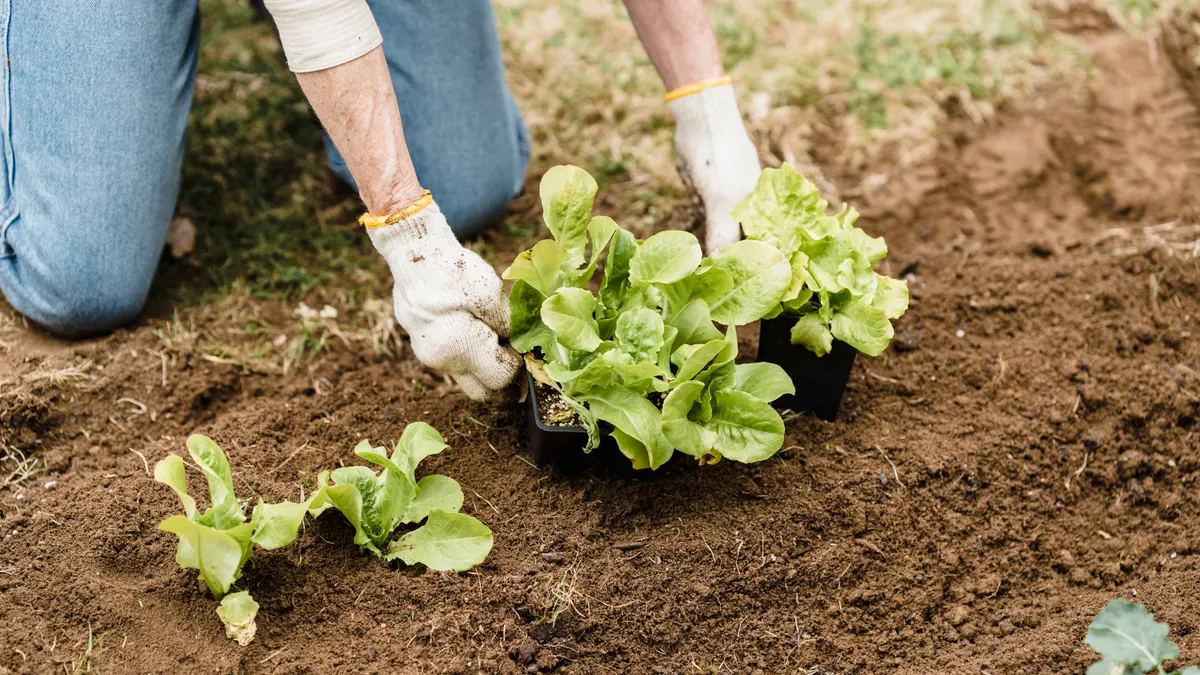
The best vegetables for a small organic garden are the ones that mature quickly, can be harvested often, or grow upright instead of sprawling. That means lettuce, radishes, spinach, bush peas, bush beans, and cherry tomatoes belong at the top of the list. For a general plant-by-plant reference, Cornell Cooperative Extension’s vegetable pages are a solid source.
These crops solve the three problems that small-garden growers face most: limited square footage, short seasons, and the need to keep the soil productive without wasting it on slow plants. Lettuce and spinach can be cut young in as little as a few weeks, radishes are among the faster roots you can grow, and beans and peas climb or stay compact rather than spreading across the bed. Cherry tomatoes take more time, but a single sturdy plant can keep producing through summer if it gets full sun and support.
The right choice also depends on what you want from the bed. If you want frequent harvests, choose cut-and-come-again greens. If you want a quick win, sow radishes. If you want the most food per square foot, add bush beans and trellised peas. If you want a crop that feels like a true summer anchor, keep one or two cherry tomato plants and prune the rest of the space for faster vegetables. For crop timing, the USDA Plant Hardiness Zone Map and your local extension office can help you match planting dates to your climate.
A small organic garden is not the place for sprawling crops that need wide spacing and long warm seasons. Full-size slicing cucumbers, winter squash, and large vining tomatoes can crowd out the bed and delay harvest. I would skip those unless the garden has vertical support, long sunlight hours, and a very patient grower.
How I choose crops that earn their space
I choose vegetables that do at least one of three things: finish fast, keep producing, or grow vertically. Those traits matter more than novelty in a bed that may only be 4 by 8 feet or a few containers on a patio.
Use this simple filter before buying seed packets:
- Look for a short days-to-harvest window. A crop that can be picked young within about 30 to 50 days gives you more flexibility than one that sits in the ground for months. Radishes and many lettuces fit here.
- Check the plant shape. Bush beans, compact peas, and determinate or compact tomato varieties use height better than width. In a small bed, that can mean the difference between one layer of food and two.
- Choose crops you can harvest in stages. Leaf lettuce, spinach, and some beans keep giving after the first picking. A plant that feeds you for 3 weeks is often a better use of space than one that gives a single harvest.
- Match the crop to the season. Cool-weather vegetables do best in spring and fall. Warm-weather crops like cherry tomatoes and beans belong after the soil has warmed.
- Avoid plants that need wide spacing unless they are unusually productive. A single large plant can be worth it, but only if the harvest justifies the room it takes.
This approach is better than choosing by popularity. A vegetable can be excellent in a large garden and frustrating in a tight one. For a small organic garden, space efficiency comes first, and flavor comes from freshness second.
Which vegetables give the fastest harvests?
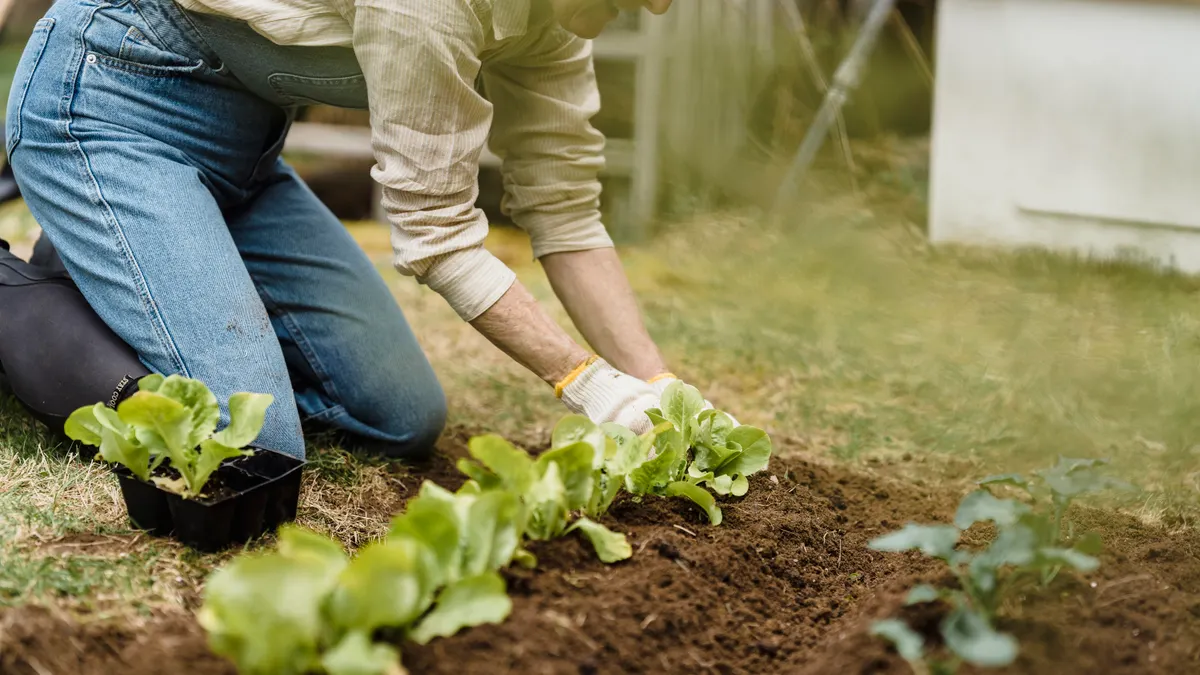
Radishes, lettuce, and spinach usually give the quickest payoff in a small organic garden. That speed is why they belong in the first round of sowing, not the back of the plan.
A quick harvest matters because it turns one patch of soil into several crops over a season. A row of radishes can be followed by lettuce. Lettuce can be cut, then replanted. Spinach can be harvested young, then replaced with a warm-season crop once the weather changes. That kind of turnover is the engine of a productive small bed.
Here is a practical planting sequence:
- Sow radish seed directly into loose soil 1/2 inch deep. You get a fast root crop without transplant shock, and the bed shows results quickly.
- Scatter lettuce or spinach seed in a short row or a 12-inch-wide patch. Thin the seedlings early so the remaining plants have room to size up.
- Harvest outer leaves first when the plants are large enough. That keeps the center growing and extends the picking window.
- Re-seed the gap as soon as a row finishes. Follow radishes with another quick crop, or move into a summer crop if the weather has shifted.
- Keep the soil covered with compost or mulch between rounds. Bare soil dries out faster and loses structure in a small plot.
The drawback of fast crops is that they can tempt you into sowing too thickly. Crowded lettuce and spinach make small leaves and invite disease where air cannot move. Thin early, even when it feels wasteful. One crowded row costs more in poor harvest than it saves in seed.
Can I grow compact tomatoes and beans in a small bed?
Yes, cherry tomatoes, bush beans, and bush peas are some of the smartest choices for a small organic garden, but each one asks for a different kind of support and timing.
Cherry tomatoes are valuable because a single plant can produce a long run of fruit in a small footprint, especially when trained to one or two main stems on a stake or cage. They are not a low-effort crop, though. They need sun, steady watering, and enough air movement to stay healthy. A crowded tomato plant can turn into a tangle fast, and that is a poor use of limited space.
Bush beans are one of the cleanest fits for a tiny bed. They stay compact, need less structural support than pole beans, and can fill a strip of soil without taking over the whole garden. They also fit well after spring greens have finished. The trade-off is that they do not keep producing forever the way a well-managed tomato can.
Bush peas are useful in cool weather and can be tucked into narrow spaces with a short trellis or pea netting. They are a good spring crop, but they usually fade once temperatures rise. If the bed is very small, that cool-season timing is a feature, not a flaw, because peas can be replaced with beans or tomatoes later.
I would not choose pole beans over bush beans for a first small garden unless the grower specifically wants a vertical harvest and has room for a trellis. Pole beans can be productive, but they occupy the bed for longer and can overwhelm nearby crops if support is weak.
The container-friendly crops that still make sense in a tiny garden
Lettuce, spinach, radishes, bush beans, and cherry tomatoes all adapt well to containers if the container size matches the plant. That makes them useful when the “garden” is really a few pots on a balcony or porch.
A container does two things at once: it limits root spread and gives you control over soil quality. That is a big plus in organic growing, because you can use a clean potting mix and compost instead of trying to fix exhausted ground. It also means watering becomes more frequent. Small pots dry faster than beds, especially in sun or wind.
The most reliable container choices for a small organic setup are:
- Lettuce and spinach in shallow-to-medium pots. These crops do not need deep root space and can be sown in succession.
- Radishes in a container at least a few inches deep. Fast roots work well in tight spaces if the soil stays loose.
- Bush beans in a medium-to-large pot. They want room for roots and enough water to keep flowering.
- A single cherry tomato in a large pot with a cage or stake. This is the most demanding option here, but one plant can still justify the space.
The trade-off is clear: containers are forgiving on soil quality but unforgiving on water management. If the pot dries out for even part of a hot day, lettuce can bitter, radishes can split, and tomatoes can stall. Small gardens reward attention, not neglect.
What makes a small organic garden productive all season?
Succession planting makes a small organic garden productive all season, because the same square foot can feed you more than once. The key is to think in rounds, not in single plantings.
A simple season can look like this:
- Start with cool-season crops in early spring. Sow lettuce, spinach, radishes, and bush peas while temperatures are still mild.
- Harvest the fastest crops first. Pull radishes, clip lettuce, and cut spinach before the plants overrun one another.
- Replace finished crops immediately. Put in bush beans or a cherry tomato once the soil is warm and the early bed opens up.
- Use vertical support for anything that climbs or leans. A 5- to 6-foot stake, cage, or trellis lets you keep pathways clear and light reaching the leaves.
- Feed the soil between rounds. Top-dress with compost so the bed can support another crop without getting exhausted.
This is where small organic gardening becomes strategic. The bed is not meant to hold every vegetable at once. It is meant to keep moving. A square foot that grows radishes in spring, beans in summer, and spinach in fall is more valuable than a square foot occupied by one slow crop all season.
The biggest mistake is planting only once and waiting. That turns a small garden into a one-note garden. Another mistake is filling every inch on day one. Leave space for what comes next, especially if you want quick crops to follow slower ones.
For a bigger planning framework, the hub page on organic vegetable garden can sit beside this article without repeating the crop choices here. For spacing and succession details, your local extension service can also help you map planting windows.
The most common mistakes with small-space crops
The most common mistakes are overcrowding, choosing plants that sprawl, and planting only for size instead of harvest speed. Each one costs either space, yield, or both.
Overcrowding sounds efficient, but it shrinks the final harvest. Lettuce heads stay small, spinach bolts faster in a packed row, and tomatoes lose air circulation. The fix is to thin seedlings early and accept fewer plants in exchange for healthier ones.
Choosing the wrong crop shape is another trap. A sprawling plant may be excellent in theory and useless in a 4-by-4-foot bed. A compact bean or a trained tomato usually earns more food per square foot than a vine with no support.
Planting only large, long-season vegetables is the slowest way to lose a small bed. If the first crop takes months and the second crop never gets planted, the garden gives away its biggest advantage: turnover.
A final mistake is ignoring support. A cherry tomato without a cage or stake leans into its neighbors. Bush peas without even a short trellis can mat down in wet weather. A simple support system, even if it is only a 4-foot frame, protects the whole bed.
The best small organic garden is not the one with the most types of vegetables. It is the one where each plant has a job, each harvest arrives on time, and nothing hogs space it does not earn.
What vegetables grow best in containers?
Lettuce, spinach, radishes, bush beans, and one cherry tomato plant are strong container choices. They fit the space better than sprawling crops and can still give useful harvests in pots or tubs. The catch is watering: containers dry out fast, so they need closer attention than in-ground beds, especially in warm weather.
Which vegetables are easiest for beginners?
Radishes, lettuce, and bush beans are usually the easiest place to start. They germinate quickly, show progress early, and do not demand complicated pruning or training. Spinach is also straightforward in cool weather. Cherry tomatoes are worth trying, but they ask for more support, sun, and watering than the others.
What can I grow in a tiny garden?
In a tiny garden, I would start with lettuce, radishes, spinach, bush peas, bush beans, and a compact cherry tomato if there is room for support. These crops give the best mix of speed and yield in a small footprint. A tiny bed works best when planted in succession, not all at once.
Drafted with AI; not yet reviewed by a person.