
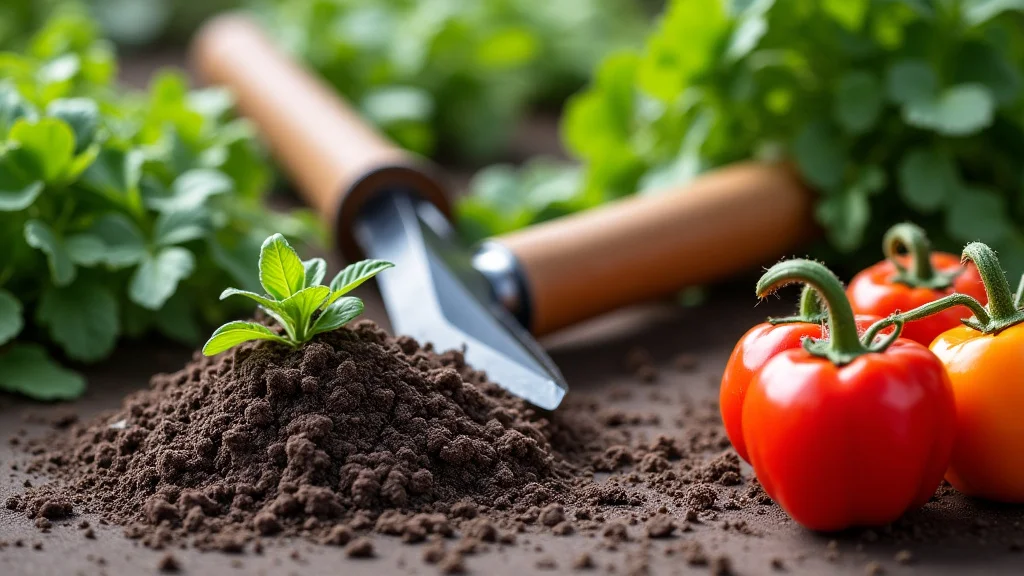
Remember that time you tried to plant a few herbs in your backyard, only to realize you were missing… well, everything? I was there once too. Armed with just a trowel and a hopeful heart, I quickly learned that the right examples of gardening tools can make all the difference. From simple hand tools to more elaborate equipment, having the right gear transforms a chore into a joy. This guide will walk you through the essential examples of gardening tools, helping you choose what you need to get started and set you up for gardening success. You’ll learn the different tools, how to use them, and which ones are best for certain tasks, improving your knowledge and boosting your confidence so you can tend your garden like a pro.
Key Takeaways
- Discover the essential hand tools for planting, weeding, and maintaining your garden.
- Explore the different types of tools for soil preparation and their uses.
- Learn about specialized tools for pruning, harvesting, and other specific gardening tasks.
- Understand the importance of choosing the right tools for your garden’s size and needs.
- Find out which examples of gardening tools are best for each gardening task.
- Get tips on maintaining your tools for longevity and effectiveness.
Essential Hand Tools for Every Gardener
Every gardener, from the newbie to the seasoned veteran, relies on a core set of hand tools. These tools are the foundation of any gardening task, providing the means to plant, weed, and maintain your plants. They are typically compact, easy to use, and essential for getting your hands dirty (in a good way!). Investing in quality hand tools means investing in the health and beauty of your garden. Let’s look at the basic examples of gardening tools needed to kickstart your gardening journey.
Trowel
The trowel is your best friend when it comes to planting, transplanting, and digging small holes. It’s a small, handheld tool with a curved, scoop-shaped blade. Trowels are perfect for digging into the soil, whether you’re starting seeds or moving small plants to a new spot. They’re typically made of stainless steel or carbon steel, with a wooden or plastic handle. Choose a trowel that feels comfortable in your hand and is sturdy enough to handle the soil in your garden. The pointed end helps break up the earth, so it’s excellent for working with the soil in pots or garden beds.
- Planting Seeds and Seedlings: A trowel is ideal for creating the right-sized holes for planting seeds and seedlings. Its size allows you to carefully control the depth and spacing of the plants, setting the stage for healthy growth.
- Transplanting Small Plants: When moving small plants from one spot to another, a trowel is indispensable. You can gently dig around the roots, lift the plant with minimal disturbance, and replant it in its new location.
- Weeding in Tight Spaces: A trowel’s narrow blade lets you get close to plants without disturbing them, so it’s good for pulling out weeds that pop up close to your favorite flowers.
For example, if you’re planting lettuce seeds, you’d use the trowel to make shallow holes a few inches apart, perfect for each seed. This precision prevents overcrowding and ensures each plant gets enough light, water, and nutrients.
Consider a scenario where you want to transplant a basil seedling. Use the trowel to carefully lift the seedling, roots and all, and transplant it to a sunny spot. This is particularly useful in areas with a lot of light.
For example, when weeding around petunias, use the trowel to gently remove the weeds without harming the delicate flower stems. This targeted approach keeps your flowerbeds looking clean and neat.
Hand Fork
A hand fork, also known as a garden fork, is a small, three or four-pronged tool used for loosening soil, mixing compost, and removing weeds. It’s a key tool for preparing the soil and ensuring good aeration. The tines, or prongs, are usually made of sturdy metal, and the handle is designed for comfortable gripping. The hand fork is essential for working in confined spaces, such as raised beds or containers.
- Loosening Soil: One of the primary functions of a hand fork is to loosen compacted soil, which improves drainage and allows air and water to reach plant roots.
- Mixing Compost and Amendments: The hand fork is perfect for mixing compost, fertilizer, or other soil amendments into the soil, enriching it with essential nutrients.
- Removing Weeds: A hand fork can be used to loosen weeds from the ground, making it easier to pull them out, roots and all.
If you’re preparing a bed for planting, use the hand fork to break up the soil, making it easier to plant seeds or transplant seedlings. This preparation allows for optimal root development, so your plants get a great start.
When working in your veggie patch, incorporate compost and balanced fertilizer using your hand fork. This gives the soil a boost and feeds the plants as they grow.
If you have persistent weeds in your flower beds, use the hand fork to gently lift them from the soil, preventing them from returning.
Hand Rake
A hand rake is a small version of a garden rake, with a flat head and tines that are closely spaced. It is primarily used for smoothing soil, removing small debris, and preparing seedbeds. It’s an important tool for creating a neat and tidy garden. The hand rake ensures the soil surface is even, making it easier to sow seeds and plant seedlings. It’s great for both small and large tasks, and an essential tool for any gardener.
- Smoothing Soil: A hand rake is ideal for leveling the soil surface after digging or adding amendments.
- Removing Debris: You can use a hand rake to remove leaves, small rocks, and other debris from the soil surface. This creates a clean environment for planting.
- Preparing Seedbeds: A hand rake is essential for creating fine seedbeds, where the soil is loose and well-prepared for planting.
When preparing a new bed for planting, use the rake to smooth the surface, creating an even planting area. This evenness is crucial for proper seed germination and uniform growth of your plants.
After the fall, use the rake to clean up fallen leaves or any other debris. By removing it, you prevent pests from creating homes and reduce the risk of diseases spreading.
Before sowing seeds, use the rake to create a well-textured soil surface. This preparation guarantees excellent seed-to-soil contact, which is vital for the seedlings to root and grow.
Tools for Soil Preparation and Maintenance
Healthy soil is the foundation of a thriving garden, which is why having the proper soil preparation examples of gardening tools is vital. These tools help you prepare, enrich, and maintain the soil. From turning the soil over to making sure it’s properly aerated, these tools play a critical role in the health and productivity of your garden. Let’s explore these important soil preparation tools and their function in your garden.
Garden Hoe
The garden hoe is a long-handled tool with a flat, blade used for weeding, soil cultivation, and creating furrows. It comes in different forms, such as the draw hoe (which pulls toward the user) and the push-pull hoe (which works in both directions). The hoe is a useful tool for clearing weeds and turning the soil. Having this tool can make soil preparation significantly easier and more efficient. The right garden hoe will make your gardening endeavors easier and more productive.
- Weeding: The primary use of a garden hoe is to remove weeds from garden beds. It can chop weeds at the soil surface, preventing them from spreading.
- Soil Cultivation: A garden hoe can be used to break up soil clods, level the ground, and prepare seedbeds. This helps improve soil aeration and water penetration.
- Creating Furrows and Rows: The hoe can be used to create shallow furrows or rows for planting seeds or transplanting seedlings. This provides a guide for even spacing.
If you’re dealing with a large patch of weeds, use a draw hoe to swiftly chop them down. This method is especially effective when used frequently, as it prevents weeds from setting seed.
After the rain, use a hoe to work the soil, breaking up any compacted areas and improving aeration. This is great for keeping the soil in great shape for planting.
If you want to plant your seeds or seedlings in a neat row, use the hoe to create shallow furrows. This ensures each plant receives the space and resources it needs to thrive.
Garden Fork
A garden fork is a long-handled tool with sturdy tines, similar to a hand fork but larger. It’s designed for turning, lifting, and aerating soil in larger areas. A garden fork is a powerful tool used for preparing garden beds, breaking up compacted soil, and incorporating organic matter. The durable design of a garden fork can handle rigorous tasks, making it a valuable addition to your tool collection.
- Turning Soil: A garden fork is very helpful for turning over the soil, whether you’re working on new beds or prepping existing ones for planting. This turning process helps to break up clumps.
- Aerating Soil: Garden forks are perfect for aerating soil, which is essential to make sure roots receive air and water. This is especially good for compacted areas.
- Incorporating Amendments: When you want to add compost, manure, or other soil amendments, a garden fork helps you mix everything together.
When establishing a new garden bed, use a garden fork to turn the soil, incorporating any compost or amendments as you go. This makes the soil ready for seeding.
Use the garden fork to gently lift and turn the soil, improving its aeration. This helps roots to grow, keeping your plants healthy.
During the spring, use the garden fork to mix in the organic matter, giving your plants the right ingredients and nutrients for the growing season.
Garden Rake
A garden rake is a long-handled tool with a wide head, used for leveling soil, removing debris, and preparing larger seedbeds. It’s an effective tool for maintaining neatness and promoting the health of your garden. The garden rake provides a uniform look. Its wide design allows you to cover a large area. This is a very useful examples of gardening tools for creating an attractive and productive garden.
- Leveling Soil: Using the garden rake to level the soil makes it easy to create a smooth surface, perfect for planting.
- Removing Debris: The garden rake is great at collecting leaves, twigs, and other litter that can clutter your garden.
- Preparing Seedbeds: You can create the perfect conditions for growing seeds by using a garden rake.
If you are re-doing a lawn, use the garden rake to level the soil, ensuring that the grass seeds have a good foundation.
Use your rake to clean your garden after a storm. Getting rid of the debris keeps your plants from being affected and keeps your garden neat.
Before sowing your seeds, use the garden rake to create a well-textured soil surface. This preparation guarantees excellent seed-to-soil contact, which is vital for the seedlings to root and grow.
Specialized Tools for Specific Tasks
Beyond the basics, many specialized examples of gardening tools can make certain tasks easier and more efficient. These tools address specific needs. Whether you’re trimming shrubs, harvesting vegetables, or managing your lawn, the right tools can simplify the process and improve your results. From pruning shears to harvesting knives, these specialized tools are worth adding to your arsenal.
Pruning Shears
Pruning shears, also known as secateurs, are used for trimming and shaping plants. They are essential for removing dead or overgrown branches, shaping shrubs, and maintaining the health of your plants. There are two main types: bypass shears, which have a cutting blade that passes by a base blade for a clean cut, and anvil shears, which have a cutting blade that closes against a flat surface. Pruning shears are critical for encouraging growth. They keep your plants healthy and looking good. Investing in quality pruning shears ensures clean cuts, which are crucial for minimizing disease and promoting healthy growth.
- Removing Dead or Damaged Branches: Pruning shears are vital for removing diseased, dead, or damaged branches. This prevents the spread of disease and encourages new growth.
- Shaping Plants and Shrubs: Pruning shears let you shape shrubs and trees, improving their appearance and promoting a more controlled growth.
- Promoting Airflow and Sunlight: Strategic pruning allows more sunlight and air to reach the inner parts of the plant, which is important for overall plant health.
If you see a diseased branch on a rose bush, cut it back to healthy wood, ensuring the cut is clean. This prevents the disease from spreading to other parts of the plant.
If you want to maintain the shape of your hedges, use pruning shears regularly to trim away any overgrown branches. This helps maintain the desired form and keeps the hedges looking neat.
Thin out the branches on fruit trees by pruning to open up the canopy. This increases sunlight exposure, which improves fruit production and reduces disease risks.
Loppers
Loppers are long-handled pruning shears used for cutting thicker branches that are beyond the reach of standard pruning shears. They have longer handles, providing extra leverage and the ability to cut through tough branches with ease. Loppers are a must-have for pruning larger shrubs and trees. They are useful for maintaining the shape, health, and appearance of your plants. The extra reach and leverage of loppers make it easier to reach higher branches and cut through thicker wood.
- Cutting Thicker Branches: The primary use for loppers is to cut through branches that are too thick for hand-held shears.
- Reaching High Branches: Loppers with long handles are useful for reaching high branches without using a ladder. This improves safety and makes pruning easier.
- Shaping Larger Shrubs and Trees: Loppers can be used to shape larger shrubs and small trees, maintaining their desired form.
If you need to remove a large branch from a tree, use the loppers to cut it cleanly. This ensures the cut heals well and prevents the spread of disease.
When pruning a tall shrub, use loppers with long handles to reach the upper branches, trimming them without needing a ladder. This is the safest way to shape your plants.
To keep your shrubs tidy and shaped, use loppers to trim any branches that are growing beyond the desired form. This keeps your plants looking healthy and beautiful.
Harvesting Knife
A harvesting knife is a specialized tool used for cutting and gathering vegetables and fruits from your garden. It usually has a curved blade, designed for precision cutting and ease of use. Having the correct harvesting tools makes the process much more efficient. Harvesting knives are essential for cleanly separating fruits and vegetables. This prevents damage to the plant and ensures the produce is harvested correctly. A good harvesting knife will have a sharp, curved blade for clean cuts. It will also have a comfortable grip for ease of use.
- Harvesting Vegetables: A harvesting knife is useful for cutting vegetables like tomatoes, peppers, and cucumbers cleanly from their stems.
- Harvesting Fruits: Similar to vegetables, harvesting knives are used to gather fruits from the trees or vines.
- Cutting Herbs: A harvesting knife is also a great tool for cutting herbs from their plants, making sure the plant continues to grow.
Use your harvesting knife to cut ripe tomatoes from their vines. Make sure to cut at a clean angle, keeping the rest of the plant intact.
If you have a peach tree, use the knife to cut the ripe peaches from the branch. This prevents damage to the fruit and the tree.
Cut basil leaves from the plant using the harvesting knife. This encourages continued growth, so you can enjoy fresh basil for a long time.
Choosing the Right Examples of Gardening Tools for Your Needs
The right tools will make your gardening more fun and more effective. Before you head to the garden center, take a moment to evaluate your gardening area. The size of your space, the type of plants you are cultivating, and your gardening goals will help you choose the right tools. From small container gardens to large vegetable patches, selecting the right tools will make all the difference. Knowing your garden and its requirements is essential for choosing the best examples of gardening tools.
Consider Your Garden’s Size and Type
The size of your garden is a key factor when selecting examples of gardening tools. Larger gardens often require different equipment than small container gardens or balcony gardens. A smaller garden might do fine with basic hand tools, but larger areas may require long-handled tools for efficiency. The type of plants you are growing is also important. Different plants require different care, so you’ll want to choose tools that are suited for your specific needs. Understanding your garden’s size and plant types helps you make informed choices, so you are buying the right tools.
- Small Gardens and Containers: If you have a small garden or are gardening in containers, focus on compact and versatile hand tools. A trowel, hand fork, and hand rake will be essential.
- Larger Gardens and Beds: For larger gardens, you will want long-handled tools such as a garden hoe and garden rake. These tools allow you to cover more ground quickly.
- Specific Plant Types: If you are growing specific plants, choose tools that suit their needs. For example, if you grow roses, pruning shears and loppers become essential.
For a small container garden, choose a trowel to plant and a hand fork to loosen the soil. These compact tools are perfect for working in confined spaces. They allow you to maintain your plants without having to use larger tools.
If you have a large vegetable patch, use a garden hoe to work the soil and a garden rake to level the beds. These tools make sure your bigger tasks are handled faster and with less effort.
If you grow fruit trees, consider investing in pruning shears to trim branches. This helps the plant grow and ensures you get a good harvest.
Prioritize Quality and Ergonomics
When choosing examples of gardening tools, think about quality and ergonomics. Quality tools are an investment, and they’ll last you longer and perform better. Ergonomics means the tool is designed to work well with your body, reducing fatigue and making your gardening experience more comfortable. Ergonomic features include comfortable grips, balanced designs, and handles that are the correct length for your height. This helps ensure that the tools are not only functional but also safe and easy to use. Prioritizing quality and ergonomics will improve your gardening experience, so consider these things when choosing your tools.
- Material and Durability: Choose tools made of durable materials like stainless steel or carbon steel. These materials are resistant to rust and wear.
- Comfortable Grips: Look for tools with comfortable grips that prevent slipping, especially when working in wet conditions.
- Balance and Weight: Choose tools that are well-balanced. This will reduce fatigue during use, making gardening easier and more enjoyable.
When selecting a trowel, opt for one made of stainless steel. This trowel will be able to handle the rigors of gardening and last for many seasons. The quality of the materials is important for a long lifespan.
When purchasing pruning shears, choose ones with rubberized grips. This will make them easier to handle, preventing blisters, even during extended use.
When buying a garden fork, ensure it is properly balanced. Balanced tools are easier to control, providing better support and helping you get the best results.
Think About Your Gardening Goals
Consider your gardening goals before buying any new tools. Are you focused on growing vegetables, flowers, or a bit of both? The type of garden you wish to create will guide your tool selection. If you want to expand your gardening skills, think about how your tool choice matches with your long-term goals. Understanding your priorities and objectives allows you to choose examples of gardening tools that suit your requirements and enhance your gardening experience. This can include things such as pruning or specific soil preparation requirements.
- Vegetable Gardening: If you’re growing vegetables, consider tools that will help you work the soil, plant seeds, and harvest your crops.
- Flower Gardening: If your focus is on flowers, you will want pruning tools for trimming and shaping, as well as tools that are used to maintain flower beds.
- General Maintenance: For general garden maintenance, think about tools that make tasks like weeding and leveling easier.
For vegetable gardening, consider a harvesting knife to cut your vegetables. Also, consider the hand rake to smooth soil and ensure good plant growth.
If you’re creating a flower garden, purchase pruning shears to shape the plants and a hand fork to loosen the soil. These tools are perfect for shaping plants and preparing beds for new growth.
If you plan on general garden maintenance, choose a good garden hoe and rake for general upkeep. These tools help keep your garden in good shape.
Maintaining Your Gardening Tools
Good care helps examples of gardening tools last longer and perform better. Regular cleaning and maintenance are essential for extending the life of your tools and ensuring they stay in good condition. Proper care ensures they are always ready to help you with your next gardening task. By following these easy steps, you can keep your tools in top condition for years.
Cleaning Your Tools
- Cleaning After Use: After each use, wipe down your tools to remove soil, sap, and plant residue. This prevents rust and corrosion.
- Washing and Drying: Wash your tools with soap and water periodically, particularly if they are used with chemicals or fertilizers. Make sure they are completely dry before storing.
- Removing Rust: If rust appears, use a wire brush or sandpaper to remove it. You can also use a rust remover. Then, apply a protective coating.
After using your trowel, wipe the blade to remove any soil residue. This prevents rust, which can damage the tool.
If you use fertilizer with your tools, wash them frequently with soap and water. After cleaning, let them dry completely before storing them.
If you see rust on your pruning shears, rub it off with sandpaper. After removing the rust, add some oil to keep them in good condition.
Sharpening and Oiling
- Sharpening Cutting Edges: Keep pruning shears, loppers, and knives sharp by sharpening them regularly. This makes cutting easier and prevents plant damage.
- Oiling Moving Parts: Lubricate the moving parts of your tools, such as the hinges on pruning shears, to keep them working smoothly.
- Storing Properly: Store your tools in a dry place to prevent rust. You can hang them or place them in a tool shed or garden box.
Keep your pruning shears sharp by using a sharpening stone. This makes cutting easier and prevents damage.
Put a few drops of oil on the hinges of your pruning shears to make them work smoothly. This also prevents the parts from getting rusty.
Put all your tools in your garden shed or a tool box to protect them from weather. This helps ensure they last a long time.
Protecting and Storing Tools
- Protecting Wooden Handles: Keep wooden handles in good condition by applying linseed oil periodically.
- Using Tool Wraps or Sheaths: Use tool wraps or sheaths to protect the cutting edges of your pruning shears and knives.
- Seasonal Storage: When you’re not gardening, make sure to clean and store all of your tools. This way they are ready when you want to garden next season.
Protect the wooden handles of your tools by rubbing them with linseed oil. This will keep them from drying out.
Store your pruning shears in a sheath. This protects the blades and keeps you from getting cut.
When the gardening season is over, clean your tools. Then, store them in a cool, dry place until you need them again.
Frequently Asked Questions
Question: What are the essential examples of gardening tools for beginners?
Answer: For beginners, the essential tools include a trowel for planting and transplanting, a hand fork for soil preparation, a hand rake for smoothing, and pruning shears for trimming.
Question: How often should I sharpen my pruning shears?
Answer: Sharpen your pruning shears before each pruning season or whenever you notice the cuts becoming less clean. Regular sharpening ensures efficient and precise cuts, which helps keep plants healthy and prevents damage.
Question: How do I remove rust from my garden tools?
Answer: To remove rust, you can use a wire brush, sandpaper, or rust remover. After removing the rust, clean the tools and apply a protective coating of oil to prevent future rust.
Question: What are the benefits of using ergonomic tools?
Answer: Ergonomic tools are designed to reduce strain and fatigue, making gardening more comfortable and enjoyable. They often feature comfortable grips and balanced designs to minimize stress on your wrists and hands.
Question: How do I choose the right size of garden hoe?
Answer: The size of the garden hoe should match your height and the size of your garden. Choose a hoe with a handle that allows you to stand upright without bending over too much, to prevent back pain. Consider the size of your garden when picking the blade width.
Final Thoughts
Choosing the right examples of gardening tools is an exciting step toward creating a beautiful and productive garden. From basic hand tools to specialized equipment, each item plays a unique role in planting, maintaining, and harvesting your plants. Starting with a set of essential hand tools such as a trowel, hand fork, and hand rake provides a great foundation. As your gardening experience grows, you can expand your collection with tools like pruning shears and loppers for precise care, or a garden hoe for larger areas. When choosing, consider your garden’s size, your planting needs, and the materials and ergonomics of the tools. Remember to clean and store your tools properly to keep them in top condition and guarantee many years of gardening enjoyment. With the right tools and a little bit of knowledge, you can begin a rewarding gardening journey.