
Last updated: October 27, 2026
Quick answer: For most indoor plants, choose a pot that is about 1 to 2 inches wider than the current root ball and has drainage holes. That is the simplest starting point for how to choose the right pot for an indoor plant.
A plant pot should fit the root ball, drain well, and stay the right size for the plant’s growth—not just match the room. In how to choose the right pot for an indoor plant, the pot should protect roots from sitting in wet soil, give the plant enough space to grow, and keep the container from drying out too fast or staying soggy for days. The University of Florida Extension and the Royal Horticultural Society both stress drainage and size control for container plants.
Key takeaways
- A good pot is chosen for roots first, looks second.
- Drainage holes matter more than color, pattern, or price.
- Pot size should usually move up in small steps, not by a huge jump.
- Terracotta dries faster; plastic holds moisture longer; ceramic often sits in the middle if it has drainage.
- A nursery pot inside a decorative pot can solve a lot of indoor plant problems.
- If a pot is too large, the soil stays wet too long; if it is too small, roots fill the space and the plant dries fast.
- A good starting point is the plant’s current root ball, not the size of the leaves alone.
Start with the plant’s roots, not the room
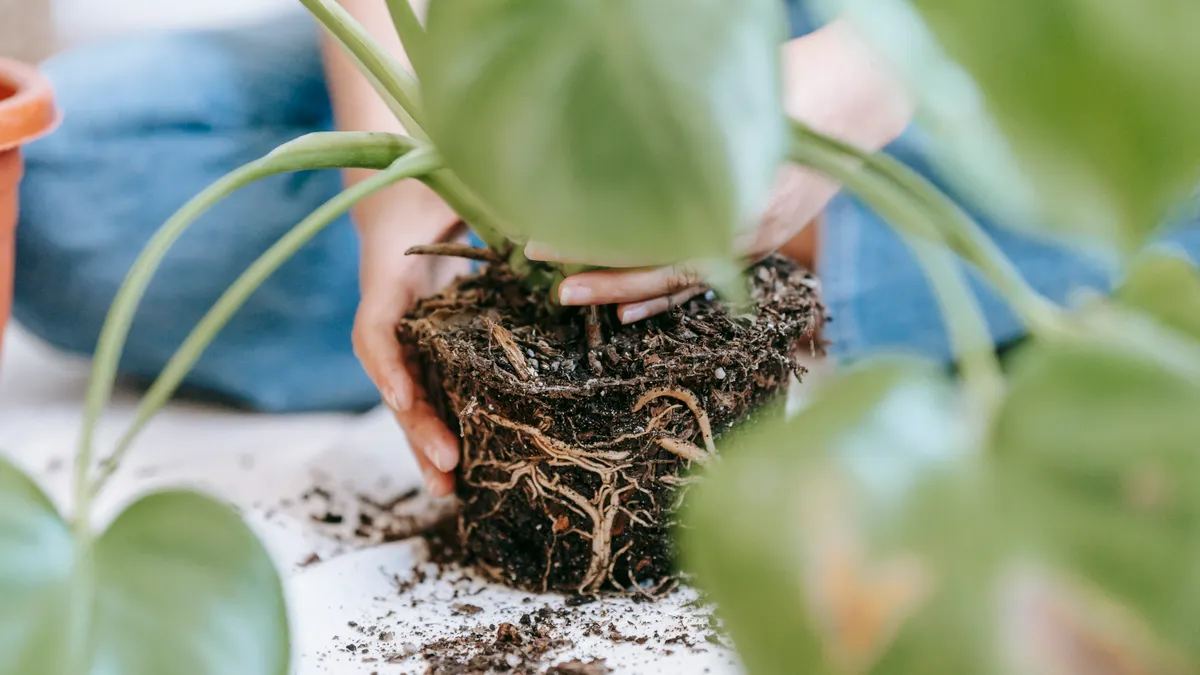
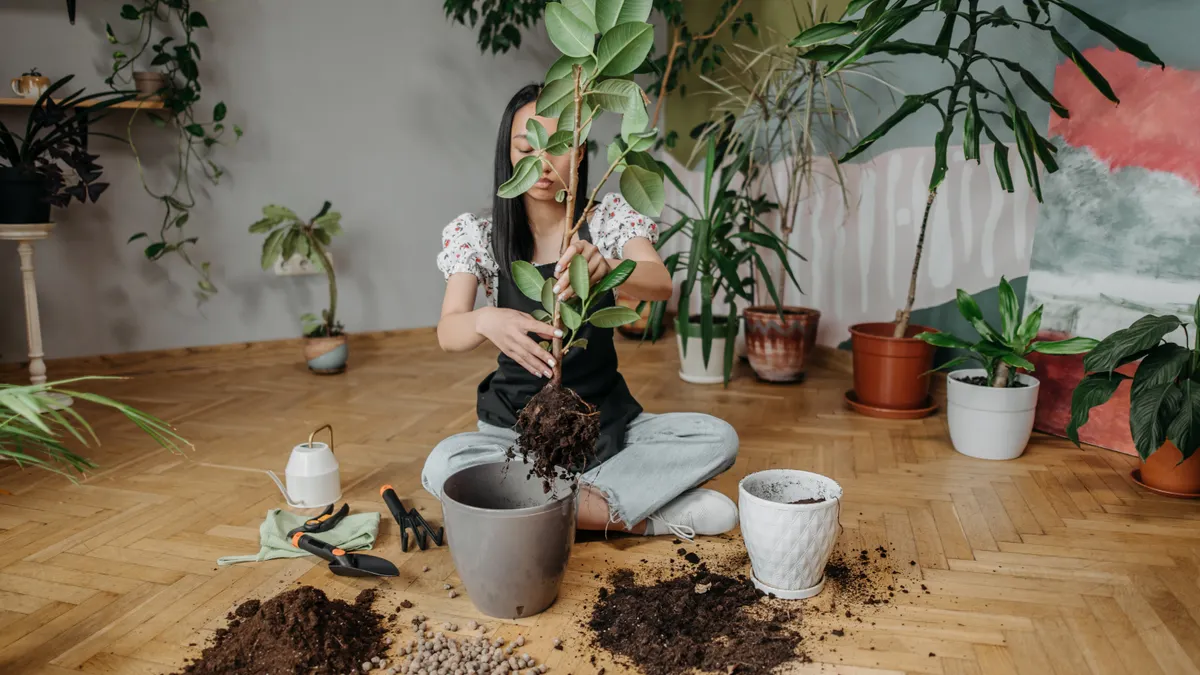
Choose the pot by matching it to the root ball first, because root health drives everything else. Before you buy a pot, slide the plant out of its current container or nursery pot and look at the root mass. You want a pot that gives the roots just enough new space without leaving a large ring of unused soil around them.
A practical rule is to move up one pot size at a time. That usually means going about 2 inches wider for smaller plants and about 1 to 2 inches wider for plants already in larger containers. If the current root ball is 6 inches across, a pot around 8 inches across is a reasonable next step. A much bigger pot can hold more wet soil than the roots can use.
What you should see when this works is a root ball that sits in the new pot with space on the sides but not a wide gap. The plant stands upright, and the soil line sits close to the rim, not buried deep in a giant container.
This is also where root bound plants matter. If roots circle tightly around the inside of the pot, poke through the drainage holes, or form a dense mat at the bottom, the plant has outgrown its home. A cramped root system is one reason a plant seems to dry out too quickly even when you water normally.
The wrong move is choosing a pot because the foliage looks large. A tall fiddle leaf fig or philodendron may have a modest root system compared with its top growth. The pot should follow the roots, not the leaves.
How big should a plant pot be?
A plant pot should be only slightly larger than the root ball, because extra soil space can work against indoor plants. The size choice is about balance: enough room for growth, but not so much room that the pot stays damp for too long.
For most houseplants, the next pot up is enough. If the plant is root bound, that small increase gives the roots fresh mix to grow into. If the pot is too large, the unused soil holds moisture after watering and can slow root growth.
A simple way to judge size is by the visible root mass and the current pot diameter:
- Remove the plant from its current pot or nursery pot.
- Measure the root ball across the widest point.
- Pick a pot about 1 to 2 inches wider than that measurement for smaller plants, or about 2 inches wider for very small plants.
- Check that the new pot is not so deep that the root ball sits far below the rim.
- Set the plant in place and look for even side space and a stable base.
When this is right, the plant sits centered, the roots are not crushed, and the pot does not look comically oversized. If you can fit your hand and a lot of loose soil between the root ball and the pot wall, the container is probably too large.
There are exceptions. Fast-growing plants may need room sooner, and very shallow-rooted plants may prefer a wider pot rather than a deeper one. Even so, a modest size increase is usually the safest starting point.
If you want a simple indoor gardening reference point, this is the same logic that keeps a plant collection healthy across different rooms and light levels.
Do indoor pots need drainage holes?
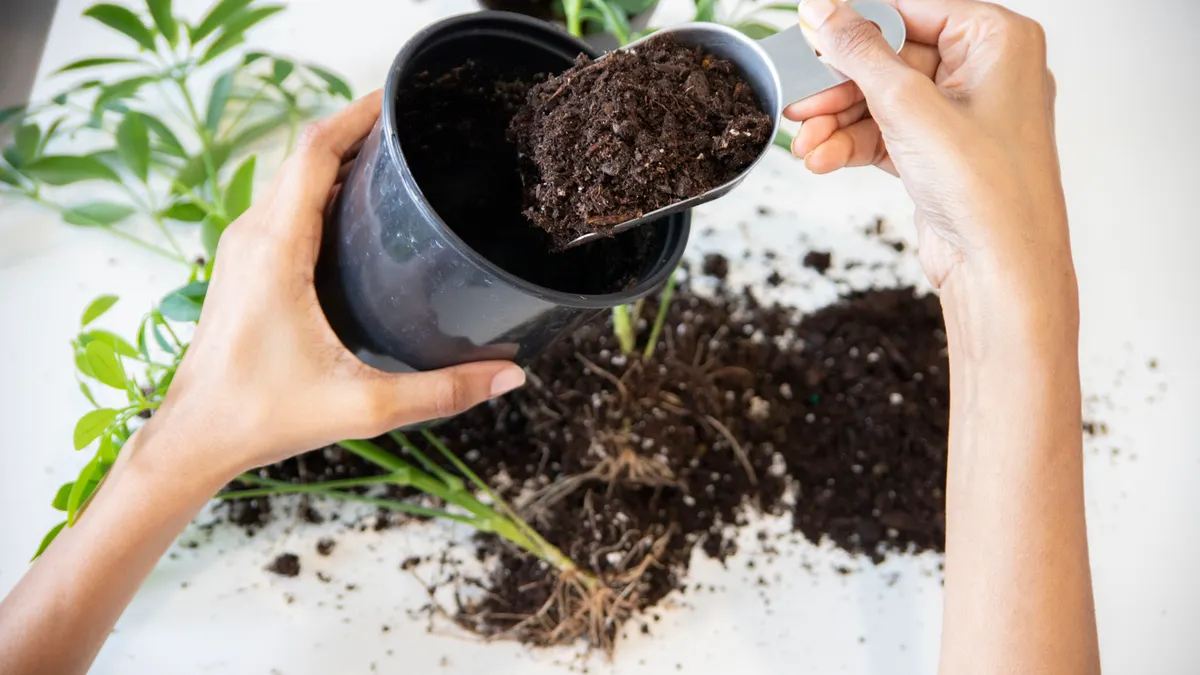
Yes, indoor pots should have drainage holes whenever possible, because excess water needs a way out. Drainage holes are the clearest signal that the pot is built to protect roots rather than trap water at the bottom.
A pot with drainage holes lets extra water escape into a drainage tray instead of pooling around the roots. That matters because indoor plants live in controlled conditions and usually do not dry out as quickly as outdoor containers. If water has nowhere to go, the bottom of the pot can stay wet long after the top looks dry.
Here is what to look for:
- One or more drainage holes in the base
- A matching drainage tray or saucer underneath
- A pot material and shape that let you lift the plant and inspect runoff
A drainage tray helps catch runoff and keep the floor, shelf, or windowsill dry. If the pot sits in a tray full of water, the drainage hole stops helping. The pot is still effectively standing in water.
A pot without drainage holes can work only if you are very careful and know how to manage moisture, usually by using a nursery pot inside it or by watering in a sink and emptying all excess water. If you are unsure, consult a local extension office or plant care professional. For most people, a pot with holes is the safer choice.
What this does not mean: every hole pattern is equal. A single large hole can work fine. Several smaller holes can also work. What matters is that water can leave the container and the roots do not sit in a puddle for hours. The Royal Horticultural Society also notes that drainage is essential for container success.
A plain plastic nursery pot with drainage holes is often a better functional choice than a beautiful pot with none.
Which pot material fits your plant and routine?
The pot material should match how quickly your soil dries and how often you want to water. Material changes moisture, weight, and temperature, so the same plant can behave differently in terracotta, plastic, or ceramic.
Terracotta pots are porous, so they dry faster. That can help if you tend to overwater or if the plant prefers a drier root zone. The downside is that terracotta can make soil dry out too fast in a warm, bright room, which means more frequent watering. It also chips more easily than plastic.
Plastic pots are light and hold moisture longer. They are practical for shelves, hanging setups, and plants that dry out too quickly in porous containers. The drawback is that plastic gives less help if you are prone to keeping soil wet. A plastic pot with drainage holes can still be a poor choice if the mix is heavy and the plant sits in low light.
Ceramic pots cover a wide range, but the useful version is the one with drainage holes and a tray. Glazed ceramic often holds moisture more like plastic than terracotta. Unglazed ceramic behaves more like terracotta. The weight can be a plus for tall plants that tip easily, but it can be annoying if you move pots often.
There is no universal “best” material. A terracotta pot is a poor match for a plant that already dries too quickly. A plastic pot is a poor match for a plant that rots easily in wet soil. A decorative ceramic cachepot without drainage is a poor main container unless you use it as a cover pot.
A nursery pot is the most flexible option because it usually has drainage holes and can sit inside a nicer outer pot. That gives you function first and appearance second.
Pick a nursery pot inside a decorative pot when you want flexibility
A nursery pot inside a decorative pot is the easiest setup when you want control over moisture and still want the plant to look finished. This method gives you drainage, easy repotting, and a cleaner look without committing to a single heavy container.
The nursery pot is the working pot. It usually comes with holes in the bottom and is designed for plant production and transport. The decorative pot is the cover pot. It hides the nursery pot and improves the room’s look.
Use this setup when:
- You like a ceramic or patterned container that has no drainage hole
- You want to check root growth without disturbing the plant as much
- You move plants around seasonally
- You want to take the plant to a sink, water it, let it drain, and put it back
The key is fit. The nursery pot should sit inside the cover pot without wobbling. Leave enough room at the bottom so runoff does not sit against the base of the nursery pot. If the outer pot is too shallow, the inner pot may sit in standing water after watering.
This method is especially useful for plants that change pots often or for people who are still learning how fast their indoor conditions dry soil. It is less tidy if the cover pot is too small, because the inner pot may show above the rim or leave too little space for drainage.
A nursery pot is not a compromise in the bad sense. It is often the most practical answer for indoor plants because it keeps drainage and flexibility while letting the room keep the style.
What to avoid when choosing a pot
Avoid oversized pots, pots without drainage, and containers chosen only for looks, because each one can cause root trouble. These are the mistakes that create the most expensive problems later, even when the plant itself was healthy.
- Too much extra space. A pot that is far larger than the root ball holds too much wet mix. The cost is slow drying and a higher chance of root damage. Choose a modest size increase instead.
- No drainage holes. Without a way for water to escape, the bottom layer stays saturated. Use a pot with holes or treat the decorative pot as a cover pot only.
- Heavy, moisture-holding mix in the wrong material. A plant in a plastic pot with dense soil can stay wet for too long. Match the material to the drying needs of the plant.
- A pot that is too shallow or too deep. A deep pot can leave roots buried in extra wet soil; a shallow one can crowd the root system. Fit the shape to the plant’s root form.
- Choosing by color alone. A black, white, or patterned pot does not tell you whether the roots will stay healthy. Looks matter after function.
The honest limitation here is that no pot fixes a bad watering habit by itself. If the plant is kept too wet or too dry, the right container still has to work with the care routine. A pot is a tool, not a rescue plan.
The better habit is to inspect the plant’s roots and current pot before buying anything new. That check reduces the risk of a poor fit.
When should you repot, and how does the pot choice change?
Repot when the plant is root bound, drying out very fast, or visibly outgrowing its container, because the new pot should solve a current root-space problem rather than serve as a calendar event. Pot choice changes most when roots fill the old container or circle tightly inside it.
Signs the plant may need a new pot include roots coming out of drainage holes, water running straight through with little absorption, or the plant becoming unstable because the top growth outweighs the pot. If the root ball lifts out in one dense shape, the pot may be too small for the plant’s current growth.
When you repot, the new pot should usually be only slightly larger than the old one. That is the part many people get wrong. They move from a 6-inch pot to a 10-inch pot and wonder why the soil stays wet. The safer move is a small step up that gives the roots room without leaving a moat of unused soil.
If the plant is healthy and not root bound, you may not need a new pot at all. A decorative outer pot can be enough if the inner nursery pot still fits well and the plant is stable. That avoids unnecessary disturbance.
The pot choice is the one that matches the plant’s stage: a snug pot for a young plant, a slightly larger one for a root-bound plant, and a drainage-friendly material for the room and watering style. If you want the broader context for placing and caring for plants indoors, the indoor gardening hub covers the larger setup around the pot.
How big should a plant pot be?
A plant pot should usually be just one size larger than the current root ball. That means enough extra room for new roots, but not a huge jump that leaves too much wet soil around them. For many indoor plants, 1 to 2 inches wider is enough, especially when the plant is already root bound.
Do indoor pots need drainage holes?
Yes, indoor pots should have drainage holes whenever possible. Drainage holes let excess water leave the pot instead of sitting at the bottom around the roots. If you like a decorative pot with no holes, use it as a cover pot and keep the plant in a nursery pot with drainage inside it.
When should I repot a plant?
Repot a plant when roots fill the container, circle tightly, or come out of the drainage holes, or when the plant dries out unusually fast and becomes unstable. If the plant is still healthy and not crowded, it may not need repotting yet. A small pot change is usually better than a large one.
Drafted with AI; not yet reviewed by a person.