
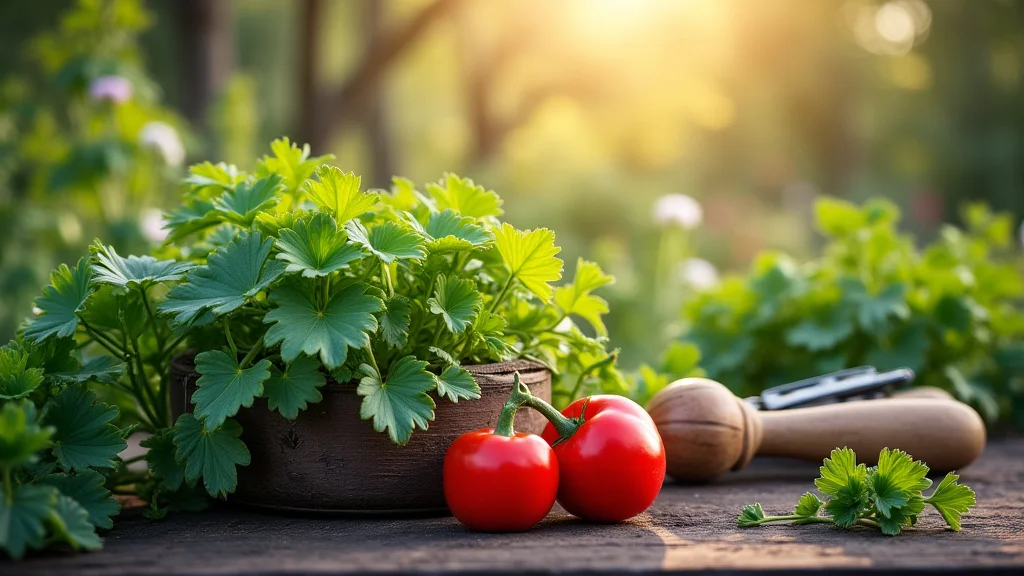
Remember that time you tried to plant a sunflower with just your bare hands? Yeah, we’ve all been there. Getting started with gardening can feel a little overwhelming, especially when you walk into a garden center and see a wall of shiny, mysterious implements. But don’t worry! This guide will break down the essential tools you need to become a successful gardener, no matter your experience level. You’ll learn what each tool does, how to use it safely, and even discover some handy tips to help your plants thrive. By the end, you’ll feel confident and equipped to tackle any gardening project.
Key Takeaways
- Learn the essential tools every gardener should own.
- Discover how to use each tool safely and effectively.
- Understand the different types of tools available for specific gardening tasks.
- Find out how to choose the right tools for your garden and your needs.
- Get tips on maintaining and storing your gardening implements.
- Explore advanced tools that can boost your gardening prowess.
Essential Hand Tools for Every Gardener
Your journey into the world of gardening begins with the basics. These are the hand-held implements that you’ll use most frequently, forming the foundation of your gardening toolkit. Think of them as your primary weapons against weeds, your allies in planting, and the companions you’ll rely on to nurture your plants from tiny seedlings to bountiful harvests. It’s important to choose good-quality hand tools that are comfortable to hold and built to last, as these will be your most frequent companions in the garden. They should also be sized appropriately for your body and the types of gardening work you’ll be doing. A well-chosen set of hand tools not only makes your work easier but also makes it more enjoyable.
The Trowel
The trowel is perhaps the most fundamental tool for any gardener. It’s a small, hand-held implement with a scooped blade, perfect for digging small holes, transplanting seedlings, and scooping up soil. Its compact size and ease of use make it ideal for tasks like planting bedding plants, bulbs, or herbs in pots or directly in the ground. The trowel’s blade can be made from various materials, but stainless steel is a popular choice for its resistance to rust and ease of cleaning. A comfortable handle is essential, as you’ll be using the trowel frequently. Look for one with a grip that fits your hand well and provides good control.
- Digging holes: The main job of a trowel is to dig small holes for planting seeds or seedlings.
- Transplanting: It is also useful for carefully moving small plants from one place to another.
- Weeding: Trowels help in removing small weeds around plants.
- Mixing Soil: A trowel mixes fertilizers and soil amendments into the soil.
- Easy to clean: Stainless steel is ideal since it is easy to clean after each use.
The Hand Fork
If the trowel is your planting friend, the hand fork is your soil-aerating buddy. A hand fork has several tines, like a miniature pitchfork, which are designed to loosen and aerate the soil. This is vital because well-aerated soil provides better drainage, allowing air and water to reach the roots of your plants. This, in turn, helps with the healthy development of plants. Use your hand fork to gently break up compacted soil, mix in compost or other amendments, and remove small weeds that might be hiding. The hand fork is particularly useful in raised beds or containers where soil can become tightly packed.
- Loosening soil: A hand fork is great for breaking up compacted soil.
- Aerate: It improves airflow around plant roots.
- Mixing compost: Ideal for incorporating compost and other soil amendments.
- Weed removal: The hand fork helps in removing weeds.
- Lightweight: Its lightweight design makes it easy to handle.
Hand Rake
The hand rake, with its small size and multiple tines, is your go-to for tasks like smoothing soil surfaces, raking up small debris, and spreading mulch. It’s a versatile tool that can be used to prepare seedbeds, clean up fallen leaves, and create a neat, tidy appearance in your garden beds. Unlike larger, garden rakes, the hand rake is easy to maneuver, even in tight spaces, making it perfect for smaller gardens, flower beds, and containers. The tines on a hand rake can vary in shape and spacing, so consider the type of tasks you’ll be doing when choosing one. Choose one that you find comfortable to hold and that suits your style of gardening.
- Leveling soil: This is a key tool for leveling soil surfaces.
- Debris removal: Hand rakes also clear away small debris such as leaves.
- Mulch spreading: Use it to spread mulch evenly.
- Seedbed preparation: Great for creating the right seedbed.
- Easy to manage: The hand rake is light and easy to manage in confined areas.
Essential Long-Handled Gardening Tools
While hand tools are great for smaller tasks, long-handled tools give you the power and reach you need for bigger projects. They help save your back and make it simpler to manage larger areas of your garden. A well-rounded collection of long-handled tools includes implements for digging, cultivating, and sweeping. Proper storage is necessary for these tools because they’re bigger, making sure they’re in good shape for the next time you use them. The investment in quality, long-handled tools will reward you with a more efficient and comfortable gardening experience.
Garden Hoe
The garden hoe is a fundamental tool for controlling weeds and preparing soil. This tool typically has a long handle with a flat or angled blade, ideal for slicing through weeds just below the soil surface or breaking up the soil. The variety of hoe styles, such as the draw hoe, the scuffle hoe, and the Dutch hoe, all have unique uses. A draw hoe is designed for drawing soil towards or away from plants, and a scuffle hoe works by slicing weeds back and forth, cutting them at the soil level. The right hoe can make weeding much less of a chore and is important for preparing beds for planting. Proper maintenance, like keeping the blade sharp, will ensure your hoe is effective.
- Weeding: A hoe is an essential tool for removing weeds.
- Soil preparation: It’s great for breaking up soil and preparing beds.
- Various types: Explore different types such as draw or scuffle hoes.
- Sharp blade: A sharp blade makes weeding much easier.
- Easy maintenance: Proper care ensures the hoe’s effectiveness.
Spade and Shovel
Spades and shovels are essential for digging, turning soil, and moving materials. The spade is typically used for digging, cutting through roots, and edging beds, featuring a flat, sharpened blade. A shovel is best for moving loose materials like soil, mulch, or compost. Shovels often have a curved blade and can be designed for specific tasks. For instance, a pointed shovel is great for digging, while a square-edged shovel is suitable for moving materials. A well-designed spade or shovel should have a sturdy handle and a comfortable grip to lessen strain during prolonged use. Choosing the correct tool for the job makes your gardening tasks more efficient and less stressful.
- Digging: Spades are made for digging and turning soil.
- Moving materials: Shovels help in moving soil, mulch, or compost.
- Various types: There are shovels and spades for various jobs.
- Strong handle: A sturdy handle and grip helps prevent strain.
- Efficiency: The correct tool makes gardening more efficient.
Garden Fork
A garden fork is a powerful tool for turning, lifting, and aerating the soil, and it’s essential for breaking up clumps of soil and mixing in compost or other soil amendments. It is often confused with a hand fork, but garden forks have long handles and are designed for larger areas. Garden forks are also useful for harvesting root crops like potatoes. There are several types of garden forks, and one of the most common is the digging fork, which has four tines and is excellent for breaking up hard soil. If you have compacted soil, the garden fork is an essential tool, allowing you to improve soil structure and get the nutrients to the roots of your plants. This is key to a productive garden.
- Turning soil: Garden forks are ideal for turning soil.
- Aerating soil: They help with aeration and drainage.
- Incorporating amendments: Useful for mixing in compost.
- Harvesting: Garden forks can be used for harvesting root crops.
- Soil structure: They improve soil structure.
Specialized Tools to Enhance Your Gardening
Beyond the fundamental tools, there are specialized implements that can make your gardening work easier and more successful. These tools are designed for certain tasks, providing benefits such as better efficiency, precision, and ease. If you’re serious about gardening and want to get the most out of your plants, these implements are good investments. These specialized tools can also make specific gardening jobs easier and more enjoyable. They are helpful for both beginners and experienced gardeners. It’s time to add these specialized tools to your gardening collection!
Pruners and Secateurs
Pruners and secateurs are essential for keeping your plants healthy and encouraging growth. These cutting tools are used to trim branches, stems, and other parts of plants. There are several types, including bypass pruners, which make a clean cut and are ideal for live, green growth, and anvil pruners, which are better for dead or dry wood. Secateurs are great for a range of pruning tasks, like trimming back roses, shaping shrubs, and snipping off dead flowers. Regular pruning promotes better air circulation, increases light penetration, and encourages new growth. Choosing high-quality pruners with sharp blades is essential for making clean cuts. This prevents damage to your plants and reduces the risk of disease.
- Pruning: Pruners are essential for trimming branches and stems.
- Types: Select from bypass or anvil pruners.
- Shape shrubs: Useful for shaping shrubs and cutting dead flowers.
- Good air circulation: Pruning increases airflow and promotes plant health.
- Quality blades: Select high-quality pruners with sharp blades.
Garden Kneeler and Seat
For those who have a lot of planting or weeding to do, a garden kneeler and seat can provide great comfort. These tools help reduce strain on your knees and back. Many garden kneelers have a padded surface and a sturdy frame, making kneeling more comfortable. They can also turn into a seat, allowing you to take a break while working in your garden. This can be especially useful for gardeners with mobility issues or anyone who spends extended periods of time tending to their plants. This is not only about comfort but also about preserving your physical health. When choosing a garden kneeler or seat, make sure it is strong and can support your weight, and that it has an easy-to-clean design.
- Comfort: Garden kneelers and seats make gardening more comfortable.
- Reduce strain: They lessen strain on your knees and back.
- Convertible: They convert to seats.
- Mobility: Perfect for those with mobility issues.
- Strong and cleanable: Choose a model that is strong and easy to clean.
Wheelbarrow or Garden Cart
A wheelbarrow or garden cart is an indispensable tool for transporting soil, mulch, compost, and other supplies around your garden. A wheelbarrow is often more suitable for small gardens or narrow spaces. Garden carts, which often have four wheels, can handle larger loads and are suitable for bigger areas. These tools can make hauling heavy materials easier. When selecting a wheelbarrow or garden cart, consider the size of your garden and the types of materials you’ll be moving. A sturdy frame, puncture-resistant tires, and comfortable handles are features that will enhance your gardening experience. This tool helps in garden chores by saving time and effort.
- Transportation: Great for moving materials.
- Wheelbarrow: Great for smaller gardens and restricted spaces.
- Garden Cart: Excellent for larger gardens and hauling heavier loads.
- Consideration: Choose a size based on your garden and needs.
- Durable: A sturdy frame and sturdy tires are essential.
Choosing the Right Tools for Your Gardening Needs
Choosing the right tools is a key step in getting your garden growing the right way. It’s about finding implements that fit your needs and style. The types of gardening you’ll be doing are the first things to consider. Then, consider the size of your garden. Smaller gardens need only a few essential tools, while larger gardens may require a larger selection. It’s about buying quality tools that make your work easier, more enjoyable, and that will stand the test of time.
Consider Your Gardening Space
Before you begin buying gardening implements, carefully consider the size and layout of your garden. A small balcony garden might only require a small trowel, a hand fork, and a few pots. A larger garden or vegetable plot, however, will need implements for digging, turning soil, and managing weeds. The type of soil will also affect your tool selection. Clay soils can be compacted and require sturdier implements like a digging fork or a broadfork to aerate them. Loamy soils are generally easier to work with. If you have raised beds, you might need different tools than if you are working directly in the ground. The arrangement of your garden will also help you determine the kind of tools you need.
- Garden size: The size of the garden affects the tools you need.
- Soil type: Compacted soil needs sturdier tools.
- Raised beds: Raised beds may require different tools.
- Balcony gardens: Small spaces require minimal tools.
- Layout: The garden design influences tool selection.
Match Tools to Your Tasks
Think about the types of tasks you’ll be performing regularly. If you’re a flower gardener, you might need pruning shears to keep your plants healthy, and a hand rake to keep your garden tidy. Vegetable gardeners will require a hoe to manage weeds, a spade to turn the soil, and a garden fork to prepare the soil. If you enjoy growing herbs, a trowel and a small watering can might be sufficient. Consider tasks like planting, weeding, pruning, and harvesting. Matching your tools to these tasks will ensure that you have the appropriate equipment to make your gardening tasks efficient and less strenuous. This will also enhance your garden’s beauty and productivity.
- Flower gardening: Pruners and hand rakes are essential.
- Vegetable gardening: Hoes, spades, and garden forks are useful.
- Herb gardening: Trowels and small watering cans are the essentials.
- Consider tasks: Planting, weeding, pruning, and harvesting.
- Efficiency: Matching tools to tasks enhances efficiency.
Invest in Quality and Durability
Investing in high-quality gardening tools is a smart move. Although it may seem tempting to go with the cheaper alternatives, quality implements are usually more durable and long-lasting. Look for tools made from rust-resistant materials like stainless steel. Handles should be made from strong and comfortable materials. Quality tools are much more likely to last through repeated use and harsh conditions. High-quality tools often come with warranties, which gives you assurance. Buying good tools also makes your gardening more fun and less stressful because they are more effective and easier to use. This makes your work easier and allows you to enjoy gardening even more.
- Durability: Investing in good tools makes them long-lasting.
- Rust-resistant materials: Stainless steel is ideal for durability.
- Strong handles: Sturdy and comfortable handles are important.
- Warranties: Look for warranties that give you assurance.
- Enjoyment: High-quality tools make gardening more enjoyable.
Maintaining and Storing Your Gardening Tools
Proper maintenance and storage of your gardening tools are essential for keeping them in great condition and prolonging their life. This is key to having a successful garden. Regular cleaning, sharpening, and proper storage help protect your implements from rust, corrosion, and wear. It also means that your tools will be ready when you need them. Taking these simple steps will save you money in the long run and help you enjoy your gardening more.
Cleaning Your Tools After Each Use
After each use, take the time to clean your tools to remove soil, sap, and other debris. This prevents rust, corrosion, and the spread of plant diseases. Use a wire brush or a putty knife to remove dirt from the blades and heads of your tools. After removing the debris, wash your tools with water and soap, and wipe them dry. This will not only remove debris but also remove any plant diseases that could spread to other plants in your garden. Regularly cleaning your tools also makes them safer to handle and more efficient to use. These maintenance steps will add years to the life of your implements.
- Remove soil: Get rid of soil and debris after use.
- Wire brush: Use it to remove dirt from blades and heads.
- Wash with soap: Clean with water and soap to remove contaminants.
- Disease prevention: Cleansing stops the spread of plant diseases.
- Long lifespan: Cleaning regularly helps to extend the lifespan of your implements.
Sharpening and Repairing Tools
Maintaining sharp edges on your pruning tools, hoes, and spades makes them more efficient and easier to use. A sharp blade makes cleaner cuts and requires less effort. To sharpen your implements, use a file or a sharpening stone at the correct angle. Inspect your tools regularly for any signs of damage or wear and perform maintenance. This is crucial for fixing broken handles, replacing worn-out parts, or welding cracks. Having your tools ready makes the gardening process much easier. It’s a key part of your garden’s maintenance.
- Sharp edges: Sharpening tools enhances efficiency.
- Cleaner cuts: Sharpened blades make clean cuts and take less effort.
- Filing: Use a file or a sharpening stone at the correct angle.
- Inspect tools: Inspect tools regularly for damage.
- Tool readiness: Prepared tools help you while gardening.
Proper Storage for Longevity
Proper storage is key to extending the life of your gardening tools. After cleaning and sharpening your implements, store them in a dry place. A shed, garage, or even a designated corner of your garden can be used. Store long-handled tools upright using hooks, racks, or wall-mounted systems to save space and prevent damage. This prevents the blades from accidental contact with the ground. You may want to store your tools in a covered area. Regular storage maintenance means that your tools will always be ready for use, season after season. Taking this simple step will keep your implements in top condition.
- Dry storage: Store tools in a dry area.
- Shed or garage: Use a shed or garage for storage.
- Organized: Store long-handled tools upright.
- Protect blades: Protect blades from accidental contact.
- Ready: Storage keeps tools in good shape.
Advanced Tools and Techniques for the Dedicated Gardener
If you have some experience in gardening, you might want to consider some of the more advanced tools and techniques to take your skills to the next level. These implements and practices can assist you in boosting efficiency, improving yields, and making gardening a more rewarding and enjoyable hobby. These advanced implements can revolutionize your gardening skills. Whether you’re interested in improving irrigation, enhancing your soil, or exploring more specialized planting, these advanced tools will make you more productive.
Automated Irrigation Systems
Automated irrigation systems can save time and make sure your plants receive consistent and regulated watering. These are very helpful, particularly during hot and dry weather. Drip irrigation systems deliver water directly to the root zone, reducing water waste and the risk of disease. Sprinkler systems are great for larger areas. Many irrigation systems can be programmed with timers, allowing you to schedule watering sessions for various parts of your garden. You can also monitor your soil and water more efficiently. Automated irrigation systems help your garden thrive while reducing the time you have to spend watering. This frees up your time, and helps your plants thrive.
- Water efficiently: Reduce water waste with drip systems.
- Timers: Set timers to water efficiently.
- Water when needed: Automated systems can provide plants with what they need.
- Drip irrigation: Good for root zones and less water waste.
- Larger gardens: Sprinkler systems cover large areas.
Soil Testing Kits and Amendments
Regular soil testing is a great way to monitor the health and balance of your garden soil. Soil testing kits measure the pH level and the key nutrients in your soil. These tests provide you with the information you need to customize your gardening practices. Based on the results of the tests, you can add soil amendments like compost, manure, or fertilizers to correct imbalances and make sure that your plants receive the nutrients they need to thrive. Soil testing gives you the information you need to make the best decisions for your plants. A healthy soil leads to productive plants and a more enjoyable gardening experience.
- Testing: Soil testing helps measure pH and nutrients.
- Assess: Know what your plants need.
- Adjust: Add compost, manure, or fertilizers as needed.
- Best decisions: Make informed decisions based on testing results.
- Healthy plants: Soil health leads to productive plants.
Specialty Planting Tools and Techniques
There are some specialist implements and methods for the experienced gardener who is looking to refine their skills. These tools, such as seeders, dibblers, and transplanters, help make the planting process easier. Seeders help with even spacing and planting. Dibblers create perfect holes for planting bulbs and seedlings. The techniques you use for various planting methods, such as square-foot gardening, raised beds, and companion planting, can increase yields, reduce the chances of disease, and create a visually appealing garden. These advanced implements and techniques will enhance your skills and your garden.
- Seeders: These help in sowing seeds evenly.
- Dibblers: These create holes for planting bulbs.
- Transplanters: Move plants with ease and without damage.
- Square-foot gardening: Maximize your planting space.
- Companion planting: Plant certain plants together for better results.
Frequently Asked Questions
Question: What is the most important tool for a beginner gardener?
Answer: The most important tool for a beginner gardener is a good quality trowel. It’s versatile, easy to use, and essential for planting, transplanting, and weeding.
Question: How often should I sharpen my pruning shears?
Answer: Sharpen your pruning shears at least once a year, or more frequently if you use them often. This will make sure that your cuts are clean and precise.
Question: What’s the best way to store long-handled tools?
Answer: Store long-handled tools vertically, using hooks or racks. This prevents the blades from touching the ground and keeps them organized.
Question: What are the benefits of using a garden cart instead of a wheelbarrow?
Answer: A garden cart can handle larger loads and is often easier to maneuver on uneven terrain. They are great for transporting bulky items.
Question: How can I tell if my soil needs amendments?
Answer: You can use a soil testing kit to measure the pH and nutrient levels of your soil. This will help you find any imbalances that need to be addressed.
Final Thoughts
Now that you know what tools are used for gardening, you’re ready to start growing! This guide has equipped you with a good understanding of the essential implements, from the hand trowel to the garden fork, and showed you how to choose, use, maintain, and store them. Remember to pick your tools based on the size of your garden and the type of tasks you’ll be doing. Maintaining your tools properly will increase their longevity and make your gardening work easier and more rewarding. By investing in quality implements, and taking the time to learn how to use them, you will have the knowledge and implements to take on any gardening project. So, grab your trowel, and start turning that soil—your dream garden is waiting!