
Last updated: October 27, 2026
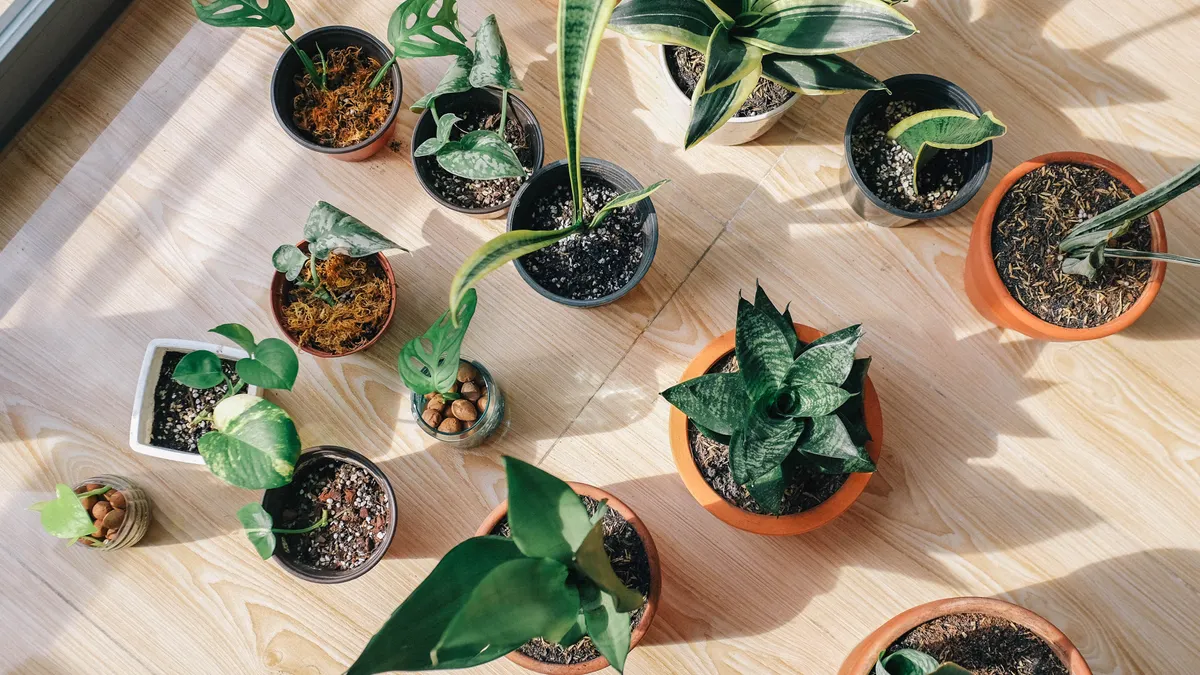
Five beginner-friendly houseplants keep showing up for a reason: they cope with ordinary apartment conditions better than fussier choices. For Best Indoor Plants for Beginners, the usual starter picks are snake plant, pothos, ZZ plant, spider plant, and peace lily.
Missed waterings, a dim corner, a week of neglect — these are the situations beginner indoor plants have to survive. The best starter group is snake plant, pothos, ZZ plant, spider plant, and peace lily if you want something more forgiving than demanding.
Key takeaways
- Pick plants that handle ordinary apartment conditions, not ones that need perfect light or a rigid watering schedule.
- Snake plant and ZZ plant rank among the toughest options for forgetful waterers, but they grow more slowly and respond less if you want quick, lush growth.
- Pothos is an easy all-around starter plant for many homes because it handles a range of light and bounces back after a dry spell.
- Spider plant is easy too, though it dislikes mineral-heavy tap water and can get browned tips.
- Peace lily is a good pick if you want a dramatic plant that tells you when it is thirsty, but it is less forgiving of repeated neglect than pothos or ZZ plant.
- None of these is ideal if your only available spot is near a hot, direct south-facing window or if you want a plant that can go weeks without any check-in.
How I rank beginner indoor plants
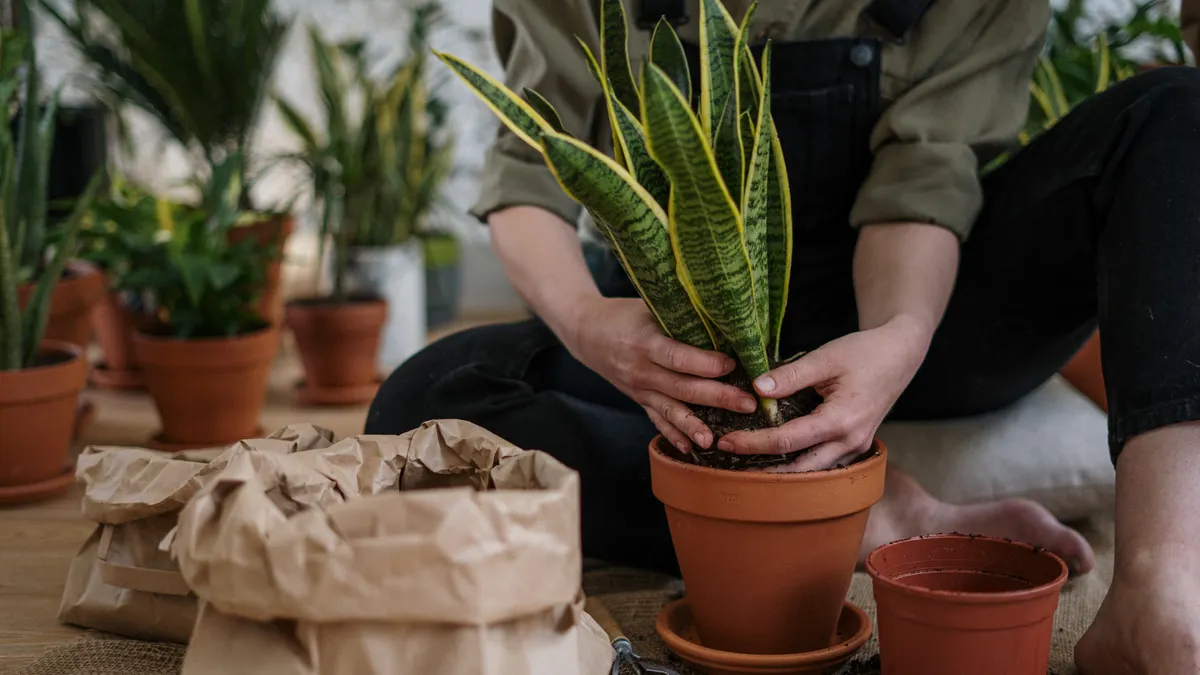
I judge beginner indoor plants by the mistakes they forgive, not by how pretty they look in a nursery. Low-light tolerance, watering needs, recovery after neglect, and whether the plant stays manageable in a normal room are the main filters. Glossy leaves are nice; they are not the whole story.
Beginners usually go wrong in one of three ways: too little light, too much water, or wildly inconsistent watering. A solid starter plant should survive at least one of those mistakes without collapsing. Easy on the label does not always mean easy at home — that mismatch can sting.
One honest trade-off: the simplest plants are often the least dramatic. Snake plant and ZZ plant can sit quietly for a long time, which is exactly why they suit beginners so well. Want fast, lush growth and regular new leaves? Pothos usually feels more rewarding than a tougher plant that moves slowly. Flowers are a different story, so this list is not the place to start if blooms are your priority.
For a quick source on light and plant care basics, the Royal Horticultural Society has practical guidance on houseplant light levels and watering habits: https://www.rhs.org.uk/houseplants. For toxicity questions, the ASPCA plant list is a reliable reference: https://www.aspca.org/pet-care/animal-poison-control/toxic-and-non-toxic-plants.
Which beginner indoor plants are easiest to keep alive?
For many beginners, pothos is the easiest all-around choice, with snake plant and ZZ plant close behind if forgetting to water is your usual problem. That ranking shifts a bit depending on the home: dim rooms push snake plant and ZZ plant upward, while slightly brighter spaces make pothos and spider plant more rewarding.
Here is the short version of the five most common starter plants:
- Pothos — It tolerates medium to low light and usually needs water only after the top layer of soil dries out. The fast growth helps beginners see progress, which is encouraging; the downside is that it can become leggy in poor light, and it is not pet-safe.
- Snake plant — It handles low light and dry soil better than most houseplants. A good choice for anyone nervous about overwatering, though not a universal fit. Wet soil is its weak point, so a heavy hand with the watering can does more damage here than on many other plants.
- ZZ plant — One of the better options for neglect tolerance and dim rooms. Thick stems store moisture, so frequent watering is not needed. The trade-off is slow growth; if you want a plant that changes week by week, this one may feel static.
- Spider plant — Good for brighter indirect light and fairly easy to read. It often shows stress through brown tips, which is useful feedback but not pretty. Mineral-heavy tap water can make it look ragged if conditions are uneven.
- Peace lily — Helpful for beginners who want a clear signal when the plant is thirsty, since it droops dramatically before recovering after watering. The downside is that the dramatic wilt can make people overreact and keep the soil too wet. It is also not pet-safe.
If I had to narrow the list to one plant for a first-time owner, pothos is the safest general recommendation for many homes. For a very dim home, or for someone who forgets plants for a week or more, snake plant or ZZ plant makes more sense.
Which beginner indoor plants handle low light best?
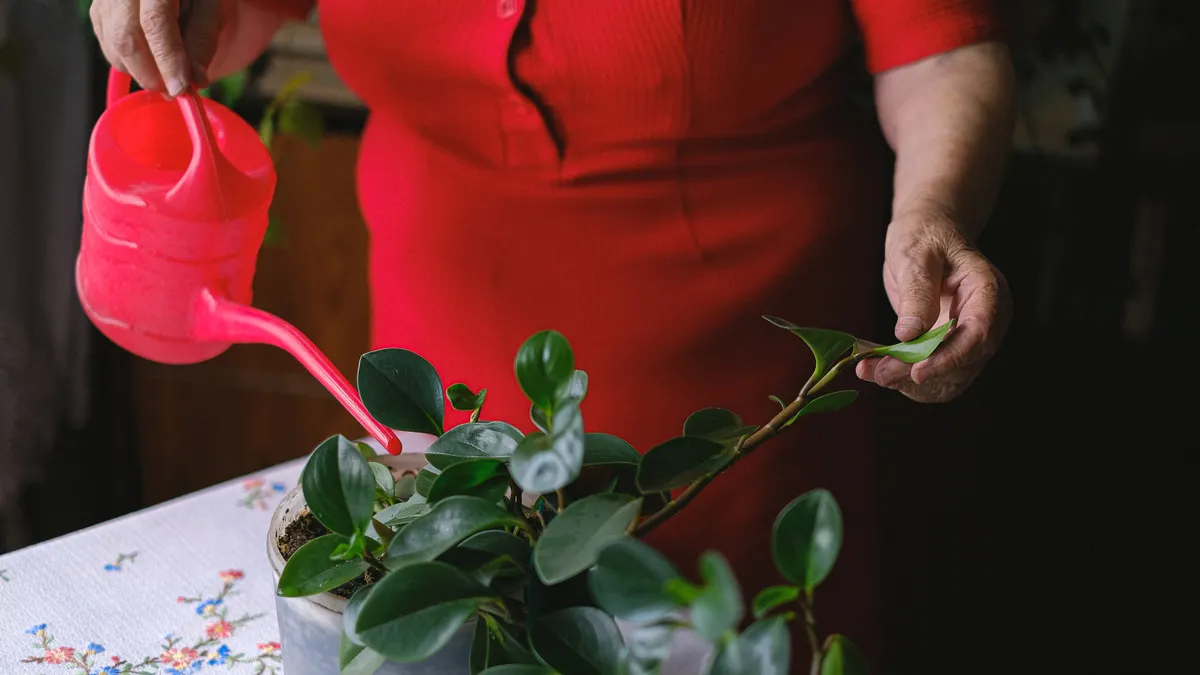
Snake plant and ZZ plant handle low light better than the others on this list, but “low light” still means some usable daylight, not a windowless closet. That distinction matters, because many beginners hear “low light” and assume “no light”; the plant then declines slowly, like a leaky tire.
Low-light tolerance is not the same thing as low-maintenance everywhere else. Snake plant and ZZ plant forgive under-watering far better than overwatering, so their main risk is too much love, not too little. Pothos can also survive in lower light, but it stretches and loses density faster than snake plant or ZZ plant. Spider plant and peace lily usually want brighter indirect light to look their best.
Here is the practical rule: if a plant will sit several feet back from a window, choose one that naturally stores water in its leaves, stems, or roots. Snake plant and ZZ plant do that. Thin, softer growth usually wants more light and more regular water. That is why spider plant and peace lily are better by a bright east window than in the back of a shaded room.
A common mistake is matching a plant to a room by color alone. Dark green leaves do not guarantee a love of darkness. In practice, the easiest starter plants for low light are the ones with thick, structured leaves or stems, not the ones that merely look tropical.
If your only available spot is consistently dim, skip anything sold as a “flowering indoor plant” unless you can move it nearer the glass.
How often should a beginner water indoor plants?
Water by soil dryness, not by a fixed weekly calendar, because the right interval changes with pot size, light, and room temperature. The common mistake is watering on autopilot every 7 days, which often overwaters snake plant and ZZ plant and undercuts the roots long before the leaves look unhappy.
Use this simple routine:
- Check the soil with a finger about 1 inch deep. If it still feels moist, wait; if it feels dry at that depth, watering is usually due.
- Water until a little drains from the bottom. A pot with a drainage hole is a practical must for beginners, because it helps excess water escape and reduces the chance of standing water around the roots. If you are unsure about a plant’s setup or symptoms, consult a local extension office, a nursery professional, or your veterinarian if pets are involved; the Royal Horticultural Society also explains why drainage matters: https://www.rhs.org.uk/houseplants.
- Empty the saucer after about 10 to 15 minutes. Standing water invites root rot.
- Repeat only when the plant actually dries back down. For snake plant and ZZ plant, that may mean a much longer gap than for pothos or peace lily.
- Watch the leaves for clues. Drooping on a peace lily can mean thirst; yellowing on most of these plants more often points to overwatering than underwatering.
The biggest beginner error is giving every plant the same schedule. Pothos usually tolerates a bit more regular moisture than snake plant or ZZ plant. Spider plant likes steadier watering than the desert-tough options, but soggy soil still bothers it. Peace lily wants more consistent moisture than the others, yet it should not sit wet for days.
If you remember only one thing, make it this: water the plant in response to the soil, not the calendar.
Which beginner plant is right for my room and routine?
The right beginner plant is the one that matches your light and your habits, not the one that looks nicest in a store. So “best” depends on whether you forget watering, whether your room gets bright indirect light, and whether you have pets.
Choose pothos if you want the most forgiving all-rounder and you have a spot with medium to low light. It is not pet-safe, so it is a poor choice for homes with curious cats or dogs. Because it grows quickly enough to show you that your care is working, it can feel encouraging for a new plant owner.
Choose snake plant if your main problem is overwatering or if your room is dim. It is a strong option for someone who leaves town for a few days or simply does not want to think about watering very often. Wet soil is its main weakness, so it is not ideal if you are likely to “help” it too often.
Choose ZZ plant if you want one of the more neglect-tolerant options on the list. It is especially useful for offices, bedrooms, or corners that do not get bright light. The trade-off is slow growth, so it can feel underwhelming if you want a lively, fast-changing plant.
Choose spider plant if your room gets brighter indirect light and you want a plant that usually communicates stress early. It is a good first plant for someone who likes seeing new growth and baby plantlets. Brown tips are the drawback, and they show up often with inconsistent watering or mineral-heavy water.
Choose peace lily if you want a plant that clearly signals thirst and you can keep up with a more regular watering rhythm. It is a bit less forgiving than pothos, snake plant, or ZZ plant, and it is not pet-safe.
The beginner mistakes that kill houseplants fastest
The quickest way to lose a beginner houseplant is to treat every plant as if it came with the same instructions. A snake plant, pothos, and peace lily may all sit on the same shelf, but they do not want the same watering rhythm or the same amount of light.
The first mistake is overwatering. It damages root health first, then leaf color, then the whole plant. Drainage and soil checks fix most of it; skipping those is like driving with the parking brake on.
The second mistake is putting a plant too far from the window. Growth, shape, and leaf density all suffer. The plant may survive for a while, but it gradually becomes sparse or weak. Move it closer to bright indirect light, or choose a tougher plant like snake plant or ZZ plant for the dim spot.
The third mistake is buying for looks instead of tolerance. Beginners pay for that one most often, because the prettiest plant in the shop is often the least forgiving at home. A peace lily can look elegant on day one and still be a bad fit if no one can water regularly. A pothos may look ordinary by comparison, but it is often the wiser first purchase.
The fourth mistake is ignoring pets. That can turn a nice starter plant into a risk, especially with pothos and peace lily. If cats or dogs can reach the plant, start with a pet-safe option instead of assuming any houseplant is harmless. For a fast check, the ASPCA toxic and non-toxic plants list is a useful reference: https://www.aspca.org/pet-care/animal-poison-control/toxic-and-non-toxic-plants.
The fifth mistake is expecting instant change. Snake plant and ZZ plant grow slowly, often over months rather than days. That is normal. Beginners sometimes overcorrect because they think slow growth means trouble.
Best starter picks by beginner problem
The best starter plant depends on the mistake you make most often, which is why one “winner” is less useful than a match.
- If you forget to water: choose ZZ plant or snake plant. They handle dry spells better than the others, but they are the wrong choice if you tend to water everything on a schedule without checking the soil.
- If you want the easiest all-around plant: choose pothos. It is forgiving, grows quickly, and shows visible progress in a way that keeps new plant owners interested. It is not the right pick if pet safety is a priority.
- If you want a plant that teaches you by giving clear signals: choose peace lily. It droops when thirsty, which is useful, but it needs a more attentive owner than snake plant or ZZ plant.
- If you want something simple and bright: choose spider plant. It is approachable, though brown tips are common enough that perfectionists may dislike it.
- If your room is dim and your routine is irregular: choose snake plant first, then ZZ plant. Those two fit people who want survival, not fuss.
My bottom line is plain: pothos is the best first buy for many people, snake plant and ZZ plant are best for forgetful owners, spider plant is best for a brighter room with a steadier routine, and peace lily is best for someone who wants feedback and can keep up with it. If the plant has to survive pets, cross pothos and peace lily off the list and start over with a pet-safe search.
Which indoor plant is easiest to care for?
Pothos is the easiest indoor plant for most beginners. It handles a range of light, tolerates missed waterings better than many houseplants, and grows quickly enough to show progress. It is not perfect for every home, though: it is not pet-safe, and it can become leggy if kept too far from a window.
What indoor plant needs the least light?
Snake plant and ZZ plant need the least light on this list. Snake plant is the safer pick for beginners because it also forgives irregular watering, while ZZ plant is excellent for dim spaces but grows more slowly. Low light still means some daylight, not a room with no window at all.
What houseplants are safe for pets?
No plant is safe in every situation if a pet chews it, but the safer direction is to choose non-toxic options rather than guessing. For pet households, many people start by checking the ASPCA toxic and non-toxic plants list before buying. Avoid pothos and peace lily if your cat or dog reaches houseplants easily.
Drafted with AI; not yet reviewed by a person.