
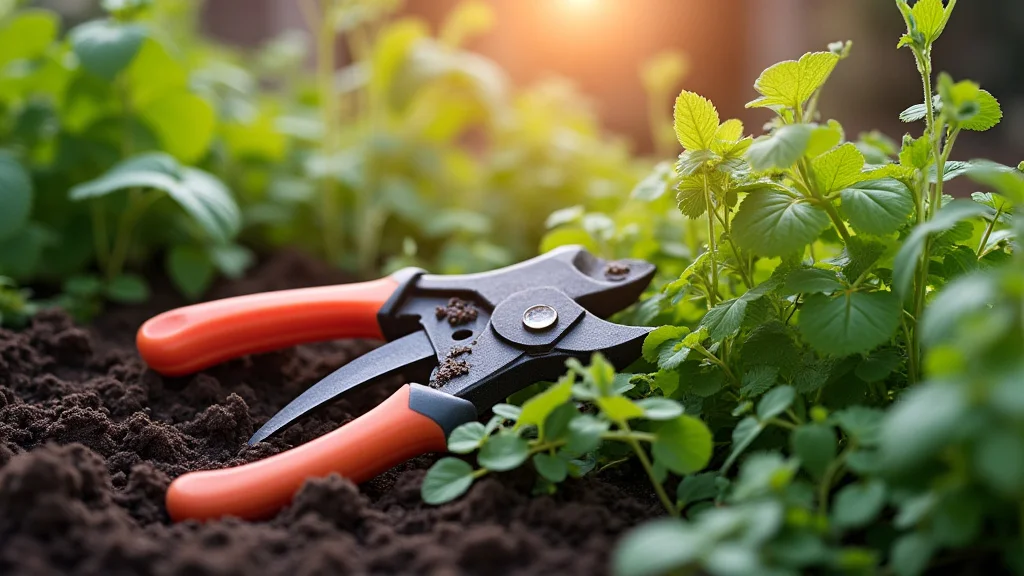
Remember that time you tried to plant a rose bush with a flimsy trowel? The handle snapped, soil flew everywhere, and your dream garden felt a little further away. We’ve all been there! Selecting the right gardening hand tools can make a huge difference, turning a chore into a joy. This guide will walk you through the essential tools, helping you choose the best ones for your specific garden needs. You’ll learn what to look for, how to use them, and how to keep them in top shape. By the end, you’ll be ready to cultivate a thriving garden with ease, improving both your gardening experience and how long you stay on the page while doing so.
Key Takeaways
- Learn about the essential gardening hand tools for various gardening tasks.
- Discover how to choose the right tools based on your garden’s size and the types of plants you grow.
- Understand the different materials used in tools and how they impact their durability.
- Get tips on using gardening hand tools correctly to prevent injury and make gardening more efficient.
- Find out how to maintain your tools to ensure they last for years.
- Learn about specific tool recommendations for different gardening jobs.
Essential Gardening Hand Tools
Building a successful garden starts with having the right gardening hand tools. This involves far more than just grabbing whatever’s on sale. Each tool serves a specific purpose, and choosing the correct ones will save you time, energy, and prevent frustration. While the specific tools you need depend on your garden’s size and the types of plants you’re growing, some tools are essential for nearly every gardener. These tools form the foundation of your gardening arsenal, allowing you to handle a variety of tasks from planting and weeding to digging and pruning. Having these key items on hand means you will be prepared for anything your garden throws your way.
The Trowel: Your Planting Companion
The trowel is probably the most commonly used hand tool. It is ideal for tasks such as digging small holes for planting seedlings, transplanting small plants, and scooping soil. It’s a small, handheld shovel with a curved blade and a handle. The best trowels are made from stainless steel, which resist rust, or from sturdy, hardened steel for maximum durability. A comfortable handle is also crucial, as you’ll be holding it for extended periods. Look for trowels with ergonomic handles that fit your hand well, reducing strain and improving control. The size of the trowel blade can vary, with wider blades ideal for moving larger amounts of soil and narrower blades more suited for precision planting. When selecting a trowel, consider the size of your garden and the type of plants you’ll be working with. For small gardens or container gardening, a smaller trowel will likely suffice. For larger gardens with more significant planting projects, a larger trowel can save time and effort.
-
Blade Material: The blade material impacts longevity and ease of use. Stainless steel trowels resist rust and clean easily, making them a good option for beginners. Hardened steel trowels are incredibly durable, perfect for heavy-duty gardening, though they need more cleaning to prevent rust.
Stainless steel blades are rust-resistant and easier to clean, while hardened steel blades provide more durability for tougher tasks. Choose based on your gardening needs and how much you want to maintain your tools.
-
Handle Design: A comfortable handle is vital to prevent hand strain, especially during prolonged use. Look for trowels with ergonomic handles made from materials like wood or rubber.
Ergonomic handles ensure comfort and reduce hand fatigue. Consider handles that are non-slip for better control when wet.
-
Blade Shape and Size: The shape and size of the trowel determine its versatility. Wider blades scoop more soil, ideal for larger plants, while narrower blades are better for tight spaces.
The blade’s width dictates how much soil you can move at once. A narrower blade excels in confined spots, while a wider blade speeds up planting.
-
Durability Considerations: Check for a trowel where the blade and handle connect securely. Welded or riveted connections are more reliable than those that rely on glue.
A strong connection between the blade and handle is crucial for avoiding breakage. Welded or riveted construction typically means a more durable tool.
Hand Rake: Smoothing the Surface
The hand rake is a versatile tool for various tasks, primarily used for leveling soil, removing debris, and preparing seedbeds. It has a head with several tines attached to a short handle. Hand rakes differ from their larger counterparts (the garden rake) in that they are designed for smaller areas and more delicate work. They are great for small garden plots, raised beds, and container gardening. Hand rakes are designed to efficiently smooth out surfaces, loosen the soil, and remove stones, weeds, and other undesirable materials. The best hand rakes have a sturdy construction with durable tines. Consider materials like tempered steel for the tines and a comfortable, ergonomic handle to reduce strain. The distance between tines can vary, with closely spaced tines better suited for fine raking and wider spaces designed for moving larger debris. The design allows you to create a smooth, level surface. It is essential when sowing seeds or planting seedlings to ensure good contact between the seeds or roots and the soil.
-
Tine Material: The material of the tines affects the rake’s durability and effectiveness. Look for tempered steel tines, which resist bending and breaking.
Tempered steel tines last longer, especially when dealing with tough soil and debris. These materials prevent bending and offer increased tool longevity.
-
Handle Material: The handle should provide a comfortable grip and be strong enough to withstand pressure. Wood or ergonomically designed plastic handles are both good choices.
A good handle ensures a comfortable and secure grip. Wooden handles have a classic feel, while ergonomic plastic handles can reduce hand strain.
-
Head Width and Tine Spacing: Wider heads cover more ground, while the spacing of the tines determines the rake’s ability to handle different debris sizes.
A wider head helps cover more area and a closer tine spacing is best for fine soil and removing small debris. Wider spacing excels at moving leaves.
-
Durability and Construction: The rake’s construction should be sturdy, with the tines securely attached to the head. Look for rakes where the head and handle are firmly connected.
Check how the tines are attached and how the handle connects to the head. Solid construction prevents breakage and extends tool life.
Weeder: Tackling Unwanted Guests
Weeders are designed to remove weeds from your garden, a job that’s essential for plant health and garden aesthetics. The various designs of weeders include the classic hand weeder (also known as a dandelion weeder), a narrow, pointed tool used to dig around the root, and other weeding tools with specialized shapes for different weed types. The best weeders are made from sturdy materials like stainless steel or hardened steel and feature a comfortable handle. The type of weeder you choose depends on the types of weeds in your garden and the soil conditions. A good weeder will have a sharp blade or claw to slice through the soil and grab the weed’s roots. Some weeders are designed to lift the entire weed and its root system, while others simply sever the weed at the soil line. Removing weeds early in their growth cycle is easier, as their roots are smaller and less established. Regular weeding prevents weeds from competing with your desirable plants for resources like water, nutrients, and sunlight, helping your garden thrive. A sharp, well-designed weeder can make this task much more manageable.
-
Blade or Claw Shape: The shape of the weeding tool influences its effectiveness. Choose a tool that matches the type of weeds you commonly find in your garden.
Consider the weed’s root structure when selecting a tool. A narrow blade is excellent for digging around taproots, while a claw works well to grab and lift weeds.
-
Material: Stainless steel and hardened steel are ideal materials, offering durability and resistance to rust.
Select durable materials like stainless or hardened steel to withstand repeated use. A strong material will mean less bending and less tool replacement.
-
Handle Comfort: Look for ergonomic handles that are comfortable to hold for extended periods. This feature is especially important during repetitive weeding.
Ergonomic handles can reduce hand fatigue. Consider a cushioned or rubberized grip for extra comfort.
-
Type of Weeder: The design should be appropriate for your weeding style. Dandelion weeders, for example, are specifically designed to remove taproot weeds.
Different weeders offer varied approaches. Some weeders are designed to lever weeds out of the ground, while others cut below the surface.
Hand Fork: Aerating and Loosening Soil
The hand fork is essential for loosening compacted soil, aerating the ground, and incorporating compost or fertilizer. This tool has several tines, like a miniature pitchfork, and a short handle. Hand forks are particularly useful in preparing planting beds, breaking up clods of soil, and allowing air and water to penetrate more easily. The best hand forks are made from strong materials like forged steel, with tines that can withstand pressure. A comfortable handle is essential, and often hand forks have ergonomic grips to reduce strain on your hand and wrist. Using a hand fork before planting helps to improve soil drainage and root growth, ensuring that your plants receive the nutrients they need to thrive. Proper soil aeration is key for plant health, and the hand fork is a vital tool for achieving this. Hand forks are especially helpful in raised beds and container gardens, where the soil can become compacted quickly.
-
Tine Material and Shape: Look for forged steel tines for durability. The shape of the tines impacts how effectively the soil is aerated and loosened.
Forged steel tines last longer, even when working with tough soil. Tines that are slightly curved can effectively aerate the soil and grab roots.
-
Handle: The handle should provide a comfortable and secure grip. Wooden or ergonomic plastic handles are suitable.
A comfortable handle prevents hand strain. Choose a material that you find easy to grip and comfortable to hold for extended periods.
-
Tine Count and Spacing: The number and spacing of the tines affect how the fork works the soil.
Forks with more tines can break up soil more thoroughly, while those with fewer can make quick work of a large area.
-
Durability and Construction: The fork should be sturdy, with the tines securely attached to the handle. A robust connection ensures the tool’s long life.
A hand fork should be built to withstand regular use. Check the connections between the tines and the handle to ensure longevity.
Choosing the Right Tools for Your Garden
The size and type of your garden will play a large role in determining the tools you need. A small balcony garden might only require a trowel, hand fork, and a small hand rake, while a large vegetable garden will need a more comprehensive tool selection, including a broader selection of weeding tools and potentially a garden hoe or even a small digging shovel. Consider the types of plants you plan to grow. If you’re growing many seedlings or delicate plants, a trowel is essential for planting. For a lawn, a hand rake is perfect for grooming and maintaining the soil. If you will be growing flowers or other ornamental plants, the specific needs of these plants can influence your tool selection. Before purchasing tools, consider the soil type in your garden. For example, if you have clay soil, you’ll need tools that can handle tough, compacted soil. For sandy soils, consider the use of tools to help retain water and nutrients. Always plan ahead when you are selecting tools to get the best for your garden.
Assessing Your Garden Size
-
Small Gardens (Balconies, Patios): Focus on compact tools that can be stored easily. A trowel, hand rake, and a small weeding tool should suffice.
Small gardens need tools that are easy to maneuver and store. Choose multi-functional tools to save space.
-
Medium Gardens (Raised Beds, Small Yards): A standard set of tools is recommended, including a trowel, hand fork, hand rake, and a sturdy weeder.
A good starting point includes essential tools for planting, weeding, and soil preparation.
-
Large Gardens (Vegetable Gardens, Flower Beds): You will likely require a full set of tools, including a digging shovel, a garden fork, and various weeding tools. Consider long-handled tools to avoid bending.
Consider the use of a wide range of tools for various tasks, including pruning and heavier soil work.
Considering Your Planting Needs
-
Seedlings and Small Plants: A trowel is essential for planting. A hand fork will aid in loosening soil around the root systems.
Precision is vital when handling delicate seedlings. A trowel and hand fork help with gentle handling.
-
Vegetable Gardens: A hand fork, various weeding tools, and a hand rake are important for soil preparation, weed control, and general upkeep.
Vegetable gardens require tools for soil preparation and frequent weeding to make sure plants thrive.
-
Flower Beds: Tools should focus on precision planting, weeding, and soil aeration.
Fine-tune your tool selection to meet the needs of ornamental plants. A small hand rake can also assist in grooming.
Soil Type and its Impact
-
Clay Soil: Choose sturdy tools made from high-strength materials. The hand fork is key for breaking up compaction.
Clay soil is dense and demands robust tools that can penetrate and break up compacted soil.
-
Sandy Soil: Focus on tools that help with soil structure and water retention. A hand rake can aid in smoothing and leveling the ground.
Sandy soils are well-draining, meaning that a good tool selection would center on soil structure and water retention.
-
Loamy Soil: Loamy soil is considered ideal and versatile. A basic set of quality tools will be sufficient.
Loamy soil generally works well and requires minimal intervention, so standard tools should be sufficient.
Materials and Durability
The materials that your gardening hand tools are made of can significantly impact their performance, durability, and lifespan. Different materials offer different benefits, ranging from resistance to corrosion to ease of use. Understanding the properties of these materials will help you choose tools that will last and meet your gardening needs. Some tools are exposed to significant wear and tear, and some are exposed to the weather. Selecting the right materials ensures that your tools remain reliable for years. It is best to choose a material for your gardening hand tools that is durable for the particular purpose it will be used for.
Steel Types: Strength and Resistance
-
Stainless Steel: Highly resistant to rust and corrosion, making it great for tools that are frequently exposed to water and soil. It’s generally easier to clean and maintain, which is excellent for beginner gardeners.
Stainless steel tools are corrosion-resistant, easy to clean, and need less upkeep. This also makes them ideal for wet conditions.
-
Carbon Steel: Strong and can be sharpened to a fine edge. It may need more care to prevent rust, which makes it less ideal for gardeners in humid areas.
Carbon steel tools are known for their strength and ability to take a sharp edge, but they need more care to prevent rust.
-
Hardened Steel: Very durable and can withstand heavy use. It provides greater longevity but is also more prone to rust if not cared for properly.
Hardened steel tools are perfect for heavy-duty tasks but require protection from rust. Consider how much effort you want to invest in tool maintenance.
Handle Materials and Ergonomics
-
Wood (Ash, Hickory): Provides a comfortable grip and can absorb shock. Wood handles are traditional and aesthetically pleasing but require maintenance to prevent splintering.
Wood handles offer a comfortable grip and a classic look, but they may need more care, such as oiling, to prevent damage.
-
Plastic (Polypropylene): Lightweight, durable, and weather-resistant. It can come with ergonomic designs and is easy to clean.
Plastic handles are lightweight, durable, and easy to clean, making them ideal for gardeners who want low-maintenance tools.
-
Rubber (Overmolded): Provides a non-slip grip, increasing control. It can reduce hand strain during prolonged use, which can improve your gardening comfort.
Rubber handles offer a secure grip and can reduce hand fatigue during repetitive tasks.
The Importance of Tool Construction
-
Welded Connections: Welded connections are generally stronger and more durable than other types of fasteners.
Welded connections provide excellent strength and resist separation, which is very important for handling tough jobs.
-
Riveted Connections: Rivets are also reliable, offering a strong way to join the blade to the handle.
Rivets provide a secure and long-lasting connection, ensuring that the tool will last.
-
Solid Construction: Solid construction across the entire tool indicates quality and durability.
A tool’s build quality is a major indicator of its longevity and performance in the garden.
Using Your Gardening Hand Tools Correctly
The proper use of gardening hand tools is vital for both gardening success and personal safety. Correct techniques will make your gardening tasks easier, more efficient, and reduce the risk of injury. Learning the right ways to use each tool ensures that you can cultivate your garden with ease and skill. It’s not just about owning the right tools; it’s about using them correctly to maximize their effectiveness. Even the best tools can become useless or even dangerous if used incorrectly, and learning the right methods of usage is imperative.
Trowel Techniques: Planting and Transplanting
-
Digging the Hole: Use the trowel to dig a hole that is slightly larger and deeper than the plant’s root ball.
Make sure the hole size accommodates the plant’s root system, for better establishment. Remember to keep it a little larger!
-
Planting Depth: Plant seedlings at the same depth they were in their previous container. For bare-root plants, ensure the roots are spread out, not cramped.
Planting at the proper depth helps the plant adapt to its new home. Planting the same depth as before is best.
-
Backfilling: Gently backfill the hole with soil, tamping lightly to remove air pockets. Avoid packing the soil too tightly.
Backfilling correctly encourages good root-to-soil contact. Use the trowel to guide soil and be gentle with it.
Hand Rake Methods: Leveling and Debris Removal
-
Leveling the Soil: Use the hand rake to smooth the soil surface, filling in low spots and removing high ones.
A level surface is key, particularly before sowing seeds. Use the rake to even it out.
-
Removing Debris: Rake gently to remove rocks, weeds, and other debris that can hinder plant growth.
Clean your soil by removing unwanted materials with the rake. That improves air and water infiltration.
-
Preparing Seedbeds: Use the rake to lightly loosen the top layer of soil before sowing seeds.
Lightly loosen soil to improve soil contact for your seeds. Make sure not to go too deep and damage the soil.
Weeder Wisdom: Effective Weed Removal
-
Weeding Technique: Insert the weeder at an angle to get beneath the weed’s roots. Gently lift or lever the weed out of the ground.
A proper angle ensures that the entire root system is removed, which will help to reduce re-growth. Remove as much of the root as possible.
-
Removing the Entire Root: Focus on removing the entire root system to prevent regrowth. Pull the weed and its root from the ground, ensuring that there are no remaining pieces.
Complete removal of the root system prevents regrowth and minimizes future weeding efforts. A full removal is the goal!
-
Working with Different Weeds: Different weeds might require different techniques. Be careful of any plants that have thorns or can irritate your skin.
Adapt your approach based on the weed type. Different weeds require different methods to remove. Be careful to protect yourself!
Hand Fork Tips: Aerating and Mixing
-
Soil Aeration: Insert the fork tines into the soil and gently lift and loosen. Avoid overworking or disrupting the soil structure.
Lifting the soil to aerate improves drainage and allows the roots to breathe and grow. Insert the tines and carefully lift.
-
Mixing Compost or Fertilizer: Use the fork to mix compost or fertilizer into the soil, ensuring even distribution.
Mixing compost or fertilizer in the soil will help give nutrients to your plants and support their health. It is very useful!
-
Breaking Up Clumps: Use the fork to break up any large clumps of soil, promoting better root penetration.
Breaking up soil clumps aids in better water and nutrient absorption, which is key for healthy plants. Use your hand fork to break them up.
Maintaining Your Gardening Hand Tools
Proper maintenance of your gardening hand tools will extend their life and ensure they function effectively. Regular care prevents rust, keeps blades sharp, and ensures that your tools are ready for action whenever you need them. Even the best tools can be damaged without proper upkeep. Following these maintenance tips will make sure that your gardening hand tools always perform well, ready to make your gardening tasks easier. Properly maintained tools are safer, more efficient, and ultimately will save you money in the long run.
Cleaning Your Tools
-
Cleaning After Each Use: Remove soil, debris, and plant material after each use.
Cleaning tools right away prevents corrosion and makes them last longer.
-
Washing: Wash tools with warm, soapy water to remove any remaining soil or residue.
Washing your tools is a simple step that keeps them clean and ready to use again.
-
Drying: Thoroughly dry tools to prevent rust.
Drying is crucial, particularly if your tools are carbon steel. Remove any moisture.
Sharpening and Rust Prevention
-
Sharpening Blades: Sharpen blades regularly using a file or whetstone.
Sharp blades are easier to use and more effective. Consider a tool-specific sharpener, and regularly sharpen your tools.
-
Rust Prevention: Apply a light coat of oil to metal surfaces to prevent rust.
Oiling prevents rust, particularly for carbon steel tools. Do this regularly, for lasting use.
-
Storage: Store tools in a dry place. Consider hanging tools or using a tool rack.
Proper storage prevents rust and damage. Keep tools clean and in a dry place.
Handle Care and Storage
-
Wood Handle Maintenance: Apply linseed oil to wood handles to prevent cracking and splintering.
Oil wood handles for protection. This helps with longevity, by keeping them from getting damaged.
-
Handle Inspection: Inspect handles for any damage or loose connections.
Regular inspection prevents accidents and ensures your tools are safe to use.
-
Proper Storage: Store tools in a dry place, either on a tool rack or hanging.
Storing tools properly can prevent damage from rust and extend the tool’s lifespan. Be sure to dry them before storage.
Frequently Asked Questions
Question: What is the best material for gardening hand tools?
Answer: The best material depends on the tool and your needs, but stainless steel or hardened steel offers a great balance of durability and rust resistance. For handles, wood or ergonomically designed plastic are excellent choices.
Question: How often should I sharpen my gardening hand tools?
Answer: Sharpen your gardening hand tools regularly, ideally after every few uses. If your tools feel dull, it’s time to sharpen them.
Question: How do I remove rust from my gardening hand tools?
Answer: You can remove rust by scrubbing the affected areas with steel wool or a wire brush, then applying a rust-inhibiting oil.
Question: Can I use the same tools for all types of plants?
Answer: While some tools are versatile, you may want specialized tools for certain plants or tasks. For example, a delicate trowel is useful when you transplant small seedlings.
Question: How do I store my gardening hand tools to extend their lifespan?
Answer: Store your tools in a dry place, either on a tool rack or hanging them up. Clean and dry the tools before storing them to prevent rust.
Final Thoughts
Choosing and caring for your gardening hand tools can transform your gardening experience. By selecting the appropriate tools for your garden’s size, your planting interests, and your soil type, you’ll be well-equipped to manage all of the different tasks. Understanding the materials used and investing in durable, well-made tools is a step towards a more enjoyable and efficient gardening. Remembering how to use each tool correctly and implementing regular maintenance will ensure your tools are always ready to help you, and increase their overall longevity. Embrace the joy of using the right tools to create a flourishing garden. Get out there, choose your tools, and get started planting!