
Last updated: November 04, 2026
Quick answer: Most indoor gardening setups work best when you match plants to the light you already have; in practical terms, a bright window or a simple grow light is enough to start, and a handful of reliable plants can succeed in a small room.
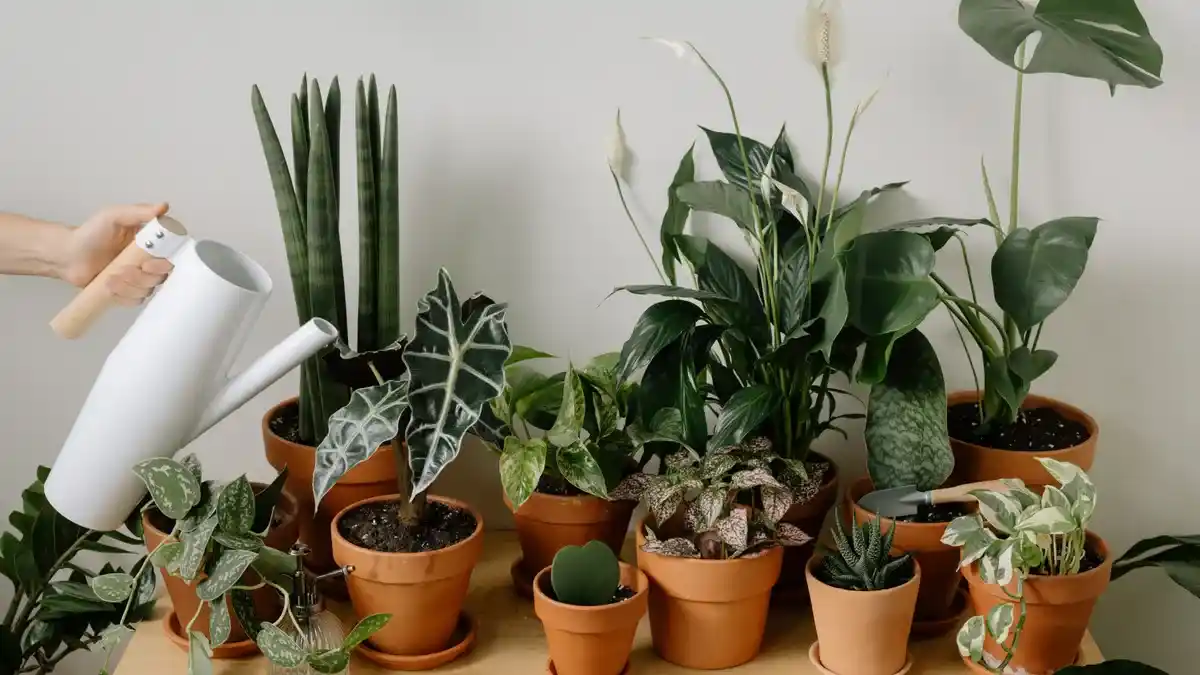
Indoor Gardening — The Complete Guide works best when you treat it like a light-and-water system, not a collection of cute pots. The fastest way to lose a houseplant is to buy it, tuck it into a dark corner, and water on a fixed schedule. I write on plant care and growing systems, and the same rule keeps showing up: light decides success, drainage prevents disaster, and plant choice matters more than decoration.
Key takeaways
- Most indoor gardens fail for the same three reasons: too little light, soggy soil, and choosing plants that do not match the room.
- Start with the space you have, not the plants you want. A bright south-facing window, a dim bedroom, and a basement shelf need different setups.
- The easiest beginner wins are pothos, snake plant, spider plant, herbs under a grow light, and one or two succulents in a very bright spot.
- Good drainage is not optional. A pot with a hole and a tray beats a decorative cachepot almost every time.
- A simple grow light can turn a weak setup into a workable one, especially in rooms that get less than about 6 hours of real sun.
- You do not need fancy gear to begin, but you do need to match the plant to the room and resist overwatering.
What indoor gardening is really for
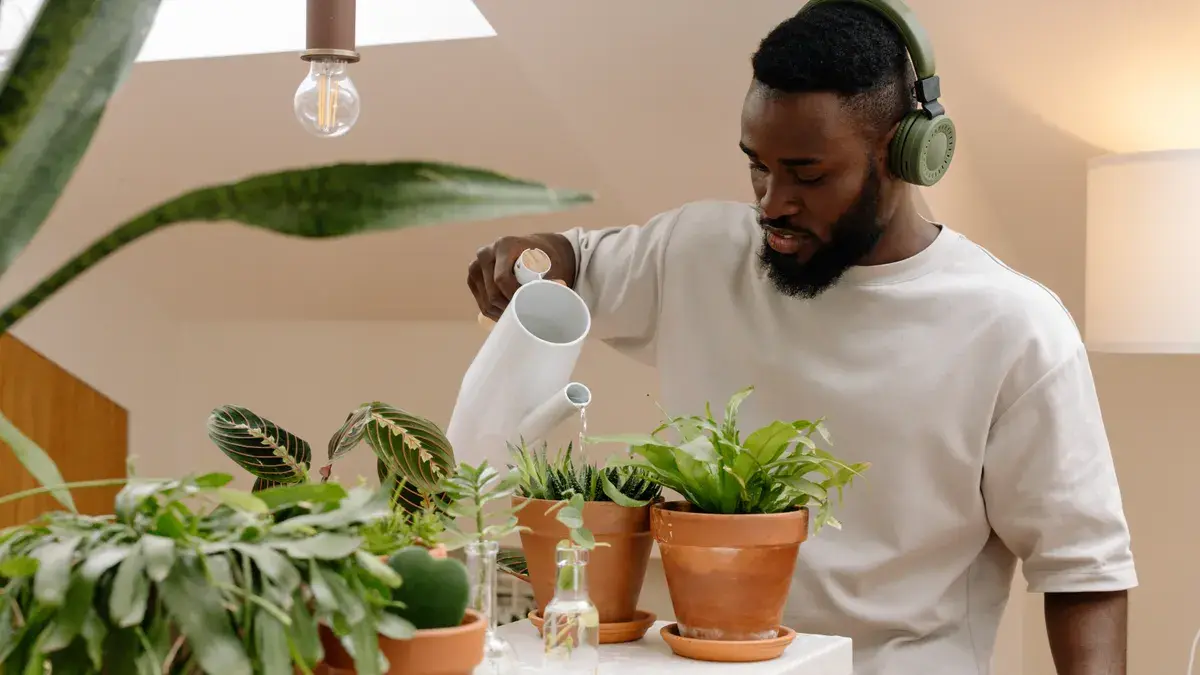
Indoor Gardening — The Complete Guide is for growing plants in a controlled room, not for recreating a greenhouse in your living room. That distinction matters because a window sill, a shelf, and a kitchen counter each create different light, humidity, and temperature conditions. The goal is not to “keep plants alive” in the abstract. The goal is to give each plant the smallest workable version of its ideal habitat.
For most people, the first question is not which plant is prettiest. It is which plant can survive the light already available. A philodendron can tolerate lower light than a rosemary plant. A basil plant under a weak lamp will stretch, pale, and disappoint within weeks. A cactus in a humid bathroom may survive for a while and then rot from the roots upward. Those failures are usually mismatches, not bad luck.
The practical benefit of indoor gardening is control. You can adjust watering, move pots to better light, and add a grow light during short winter days. The drawback is that mistakes show up faster than they do outdoors. A pot with no drainage hole can stay wet for days. A closed room can trap stale air and encourage fungus gnats if the soil stays damp. Indoor gardening rewards consistency, not enthusiasm.
A good beginner setup is usually one of two paths: low-light foliage plants near a bright window, or edible plants under a dedicated light. Decorative mixed arrangements are where many people go wrong. A fern, a succulent, and a basil plant do not want the same watering schedule. Keep plants with similar needs together and the whole system becomes easier to manage.
How much light do indoor plants actually need?
Most indoor plants need brighter light than a room feels like it has. Human eyes adapt quickly; plants do not. A south-facing window often provides the strongest direct light, east-facing windows give gentler morning sun, west-facing windows can be hot in the afternoon, and north-facing windows usually support only low-light species unless you supplement them.
The easiest way to think about light is by plant type. Low-light plants like ZZ plants, snake plants, and many philodendrons can handle indirect light and shorter days. Medium-light plants such as peace lilies, pothos, and spider plants do best near a bright window with filtered sun. High-light plants such as tomatoes, peppers, basil, and most succulents need a much stronger source, often a true grow light for several hours a day.
A generic article often says “bright, indirect light” and leaves it there. That phrase is too vague to help. Bright indirect light usually means a spot close to a window where the sun does not hit the leaves all day, or a place lit by a grow light with a strong enough output to keep growth compact. If a plant starts leaning hard toward the window, gets long bare stems, or produces small pale leaves, the light is too weak.
This is where a grow light becomes worth considering. For many apartment growers, one LED light bar or panel can do more than moving a plant around a room every week. For herbs and seedlings, a timer matters almost as much as the lamp itself. A simple 12 to 16 hour cycle is common for many indoor food plants, though exact needs vary by species. The weak point is convenience: lights add cords, cost, and setup time, so they are overkill for a few forgiving foliage plants in a bright window. For setup details, our grow-light guide and indoor herb garden guide cover practical options.
One useful standard to know is PPFD, or photosynthetic photon flux density, which describes how much usable light reaches the plant. Consumer lighting brands do not always publish it clearly, and if they do not, it can be harder to judge a product. A plant light with no meaningful output data is difficult to evaluate. Better to buy from a seller that states coverage area, spectrum, and mounting distance than from a product page that relies on vague adjectives.
Which plants are easiest for beginners, and which should you skip?
The easiest beginner plants are the ones that forgive missed waterings and imperfect light. Pothos, snake plant, spider plant, ZZ plant, and many philodendrons are strong first choices because they tolerate ordinary rooms and recover from routine mistakes. If the goal is confidence, start there. If the goal is fresh herbs, choose basil, mint, or chives only if a bright window or grow light is already in place.
Succulents are the classic trap. They look simple, but they are only easy when the light is strong and the potting mix drains fast. In a dim room, many succulents stretch, thin out, and lose the tight shape people expect. Cacti are even less forgiving of excess water indoors. The common error is to water them “a little” every few days. That pattern is usually worse than drought because the roots never dry properly.
Ferns can work indoors, but they are not beginner-proof. They prefer steadier moisture and often do better in bathrooms or kitchens where humidity is naturally a bit higher. If the room is dry and the person watering is forgetful, a fern becomes a frustration plant fast.
Herbs deserve a special warning. Parsley and mint can stay productive indoors, but rosemary and thyme demand more light and better air circulation than most casual growers expect. Tomato seedlings are another frequent mistake: they can germinate in a windowsill, then collapse into weak, pale stems if the light is too soft.
A smart starter set for a typical apartment is one pothos, one snake plant, and one herb or edible under a lamp. That mix teaches three different skills: watering on demand, reading leaf signals, and managing stronger light. It also keeps the whole project affordable and low-stress. A person who begins with six fussy plants often learns less than a person who begins with two reliable ones.
What do you need to set up an indoor garden?
You need fewer tools than most shopping lists suggest, but the tools you do buy should be the right ones. The essentials are a pot with drainage, a saucer or tray, quality potting mix, a watering can or narrow spout, and, when light is weak, a grow light with a timer. That is enough for most indoor gardens.
The pot matters more than the decorative outer container. A drainage hole lets extra water escape so roots do not sit in stagnant soil. A cachepot without a hole can still work, but only if the inner pot drains fully and is never left in standing water. Many beginner failures start with a beautiful pot and no exit for excess moisture.
Potting mix is another common misunderstanding. Outdoor garden soil is too dense for containers and can compact into a wet brick indoors. A proper potting mix holds moisture while still leaving air around the roots. For succulents and cacti, the mix should drain faster than standard houseplant soil. For moisture-loving plants, the mix can be slightly richer but still airy.
Fertilizer is useful, but it is not a rescue tool. If a plant is getting the wrong light or too much water, fertilizer will not fix it. In fact, fertilizing a stressed plant can worsen the problem. A common indoor schedule is light feeding during active growth and little to none in the darker months, though the exact timing depends on the species and local conditions.
If space is tight, vertical setups help. Shelves, window ledges, and hanging planters let you use height instead of floor space. Just remember that higher shelves may receive less natural light than expected. A shelf a few feet back from a window can be dramatically darker than the sill itself. For more planning help, see our small-space gardening tips and indoor plant pots guide.
For a serious edible setup, a grow light, timer, and a stable rack are often better than a room full of random pots. A simple 4-foot shelving unit with a light bar can support seedlings, herbs, and small leafy greens far more reliably than a sunny-looking corner with no direct light.
How do you water indoor plants without overdoing it?
Watering indoor plants correctly means checking the soil, not following a calendar. A weekly schedule is a rough starting point, not a rule. One plant in a porous terracotta pot near a sunny window may dry quickly. Another in a plastic nursery pot in a cool room may stay wet for far longer. The soil decides, not the date.
The simplest method is to feel the top inch or two of soil before watering. If it still feels damp, wait. If it feels dry and the pot feels lighter than usual, water thoroughly until excess runs out the bottom. Then empty the saucer. That flush is useful because it wets the full root zone, not just the top layer.
The mistake to avoid is tiny, frequent watering. That pattern keeps the top layer damp and the lower roots deprived of oxygen. Root rot begins in oxygen-poor, wet soil. The plant often looks thirsty at first, which tricks people into adding more water. Yellow leaves, mushy stems, fungus gnats, and sour-smelling soil are all signs the system is too wet.
Plant type changes the schedule. Succulents want to dry out more between waterings. Ferns and some tropicals prefer steadier moisture. Herbs in a bright indoor garden usually need more frequent water than foliage plants because they grow fast and use more moisture. A terracotta pot dries faster than plastic. A warm room dries faster than a cool one. A fan or open window can speed evaporation.
If the room is low light, water less often. Weak light slows growth and lowers water use. That fact is easy to miss, and it is why many indoor plants drown in winter. The plant is not drinking because it is not growing much. The soil stays wet, roots struggle, and the cycle repeats.
Bottom watering can help for some plants, especially those with very dry potting mix or sensitive foliage. However, it is not a cure-all, and it is best used with judgment or professional guidance if a plant is declining. It still requires a pot with drainage and a plant that can dry out afterward. No method replaces the basic habit of checking the soil.
Can you grow herbs and vegetables indoors?
Yes, but only if you treat them like working crops rather than house decor. Herbs and vegetables indoors need stronger light, more regular feeding, and more attention to airflow than ornamental foliage plants. Basil, chives, mint, lettuce, microgreens, and some dwarf peppers are realistic. Large fruiting crops without strong light are usually disappointing.
The clearest rule is this: leafy crops are easier than fruiting crops. Lettuce and herbs need less energy than tomatoes or peppers. That is why a countertop herb garden can work on a bright kitchen window while a cherry tomato often struggles there. Fruiting plants need more intense light for longer periods, and they become leggy when that light is missing.
A grow light changes the equation. For indoor edibles, the lamp should be the main light source, not a supplement to a weak window. A timer helps keep the schedule consistent. Without one, the lights end up on too little or too much, and growth becomes uneven. A shelf setup also keeps plants closer to the light, which matters because intensity drops fast with distance. For specific crop ideas, our indoor herb garden guide and microgreens guide are useful next steps.
Fertilizer is more important for edible plants than for many houseplants, since herbs and greens are harvested repeatedly. A mild, balanced feeding plan can support regrowth, but heavy feeding without enough light produces soft, weak stems. This is where indoor gardening becomes a balance: the plant can only use the nutrients that the light allows it to process.
The main drawback is space. Edible plants often need more light footprint than a single decorative pot. A person trying to grow enough basil for regular cooking will need room for a light, not just a sunny windowsill. If that space is not available, a few cut-and-come-again herbs may be a better target than a full indoor vegetable project.
What are the most common indoor gardening mistakes?
The biggest mistake is treating every plant the same. A snake plant and basil do not share a watering plan, and a succulent does not belong in the same wet tray as a fern. Mixed-care plant groupings are attractive but often inefficient. One weak plant can also hide a larger setup problem, especially when every pot looks “about right” from a distance.
The second mistake is buying plants before checking the light. This is the fastest route to disappointment. A shady apartment may still support indoor gardening, but only with the right species or a grow light. A sunny-looking room can be misleading if curtains, overhangs, or window film block the usable light.
The third mistake is ignoring airflow and humidity. Stagnant air does not help most indoor plants. Too much moisture in a closed room encourages fungus gnats and leaf disease, while too little humidity can crisp fern tips and stall some tropical plants. A small fan on a low setting can help circulate air, but it should not blast the plants directly.
The fourth mistake is using pots that are too large. A big pot holds more soil than a small root system can dry out. That extra wet soil stays cold and stagnant longer, which increases the risk of rot. A snug pot is usually safer than an oversized one.
The fifth mistake is expecting recovery to be instant. Indoor plants often take weeks to respond to better light, better soil, or a new watering rhythm. New growth is the real signal. A damaged leaf usually does not heal; it simply stays damaged. The goal is healthier future growth, not cosmetic perfection.
For the reader who wants the shortest path to success, the advice is plain: start with one light source, three compatible plants, and a watering habit you can keep for months.
Which indoor gardening setup should you choose?
Choose a window-based foliage setup if you want the lowest-maintenance path and you have a bright east, south, or west window. Choose a grow-light setup if you want herbs, seedlings, or vegetables, or if your rooms stay dim for most of the day. Neither works well if you ignore drainage, buy plants first, and hope the room will “make do.”
The window setup wins for people who want a simple living room or office garden. It is cheaper, quieter, and easier to maintain. A pothos, snake plant, and spider plant can do well with ordinary care near a decent window. The drawback is that you are at the mercy of seasonal light changes. Winter can reduce growth sharply, and some windows are simply too dark for anything beyond low-light plants.
The grow-light setup wins for people who want more control. It is the better choice for herbs, seedlings, and compact edible gardens because the light stays consistent. The drawback is the extra gear: lamp, timer, shelf or hanger, and ongoing electricity use. It also asks more of the grower, because the plants will grow faster and reveal mistakes faster.
If the goal is decoration alone, start with hardy foliage plants. If the goal is fresh food, start with a lighted herb rack or a small seed-starting shelf. If the goal is to keep difficult plants alive, reconsider the plant choice rather than adding more accessories. No amount of misting fixes poor light for a sun-loving plant.
Head-to-head: window setup vs grow-light setup
| Criteria | Window setup | Grow-light setup | Winner for this condition |
|---|---|---|---|
| Upfront complexity | Low; one pot, one tray, one suitable window | Moderate; light, timer, mounting, pots | Window setup for beginners |
| Control over light | Depends on season and exposure | Consistent and adjustable | Grow-light setup for herbs or seedlings |
| Best plant types | Foliage plants, low-light species | Herbs, seedlings, vegetables, higher-demand plants | Grow-light setup for food plants |
| Cost to start | Usually lower | Usually higher because of hardware | Window setup for low budget |
| Seasonal stability | Drops in winter and cloudy periods | Stays steady year-round | Grow-light setup for year-round growth |
| Space efficiency | Good on a sill or small table | Better on shelves and vertical racks | Grow-light setup for vertical use |
| Risk of overwatering | Higher in low light, because soil dries slowly | Lower if light and airflow are balanced | Grow-light setup in dim rooms |
| Noise and maintenance | Silent and simple | Timer and cord management required | Window setup for simplicity |
| Productivity | Limited by natural light | Higher yield for edible plants | Grow-light setup for productivity |
When does indoor gardening stop making sense?
Indoor gardening stops making sense when the room cannot supply enough light and there is no appetite for adding equipment. A dark hallway, a windowless basement, or a room where the blinds stay shut most of the day is a poor match for many plants. If the only available light is decorative, not functional, the plants will struggle.
It also stops making sense when the grower wants the look of plants without the care. Living plants are not static decor. They grow, shed leaves, need repotting, and change shape. If the actual desire is visual greenery with no maintenance, high-quality artificial plants are a better fit than a doomed collection of real ones.
Another reason to pause is travel. A plant-heavy setup that depends on frequent watering can become a burden if the household is away often. Self-watering tools help in some cases, but they do not rescue every plant, especially those that dislike staying wet. A person who is gone for long stretches may do better with drought-tolerant species only, or with fewer plants overall.
There is also the issue of pets and children. Many common houseplants are not safe if chewed, and indoor gardening should be planned around that risk. If a cat eats leaves or a toddler reaches every low shelf, the plant list needs to be narrowed to safer options and placed out of reach. A beautiful setup is not worth a veterinary visit.
The honest test is simple: if the room, schedule, or household habits cannot support routine care, scale the project down. One tough plant in the right spot is better than ten struggling plants on a shelf.
FAQ
How often should indoor plants be repotted?
Repotting is usually needed when roots circle the pot, water runs straight through too fast, or growth stalls despite good care. Many houseplants are fine for 12 to 24 months in the same container, but the exact timing depends on the species, pot size, and growth rate.
Do indoor plants really clean the air?
Indoor plants can improve a room’s feel, but they should not be treated as an air-cleaning system. A few houseplants will not replace ventilation, filtration, or cleaning routines. Their main value is ornamental, psychological, and in some cases edible.
Is misting helpful for indoor plants?
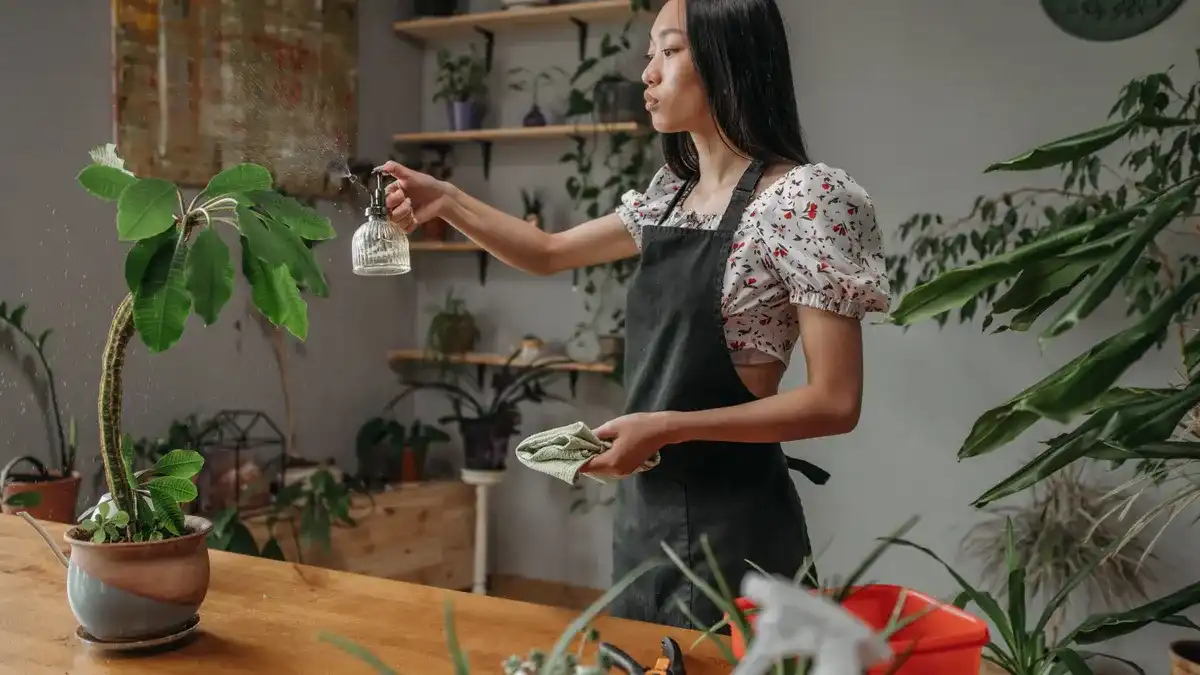
Misting helps very little for most plants and can create wet leaf surfaces without meaningfully raising room humidity. A pebble tray, humidifier, or better room conditions usually does more. Ferns and some tropicals may appreciate higher humidity, but misting alone is not a fix.
What is the easiest indoor plant to start with?
Pothos is one of the easiest starts for many beginners because it tolerates ordinary indoor conditions and shows stress without collapsing immediately. Snake plant is another strong candidate. The best choice still depends on the room’s light, since even easy plants need enough of it.
Drafted with AI; not yet reviewed by a person.