
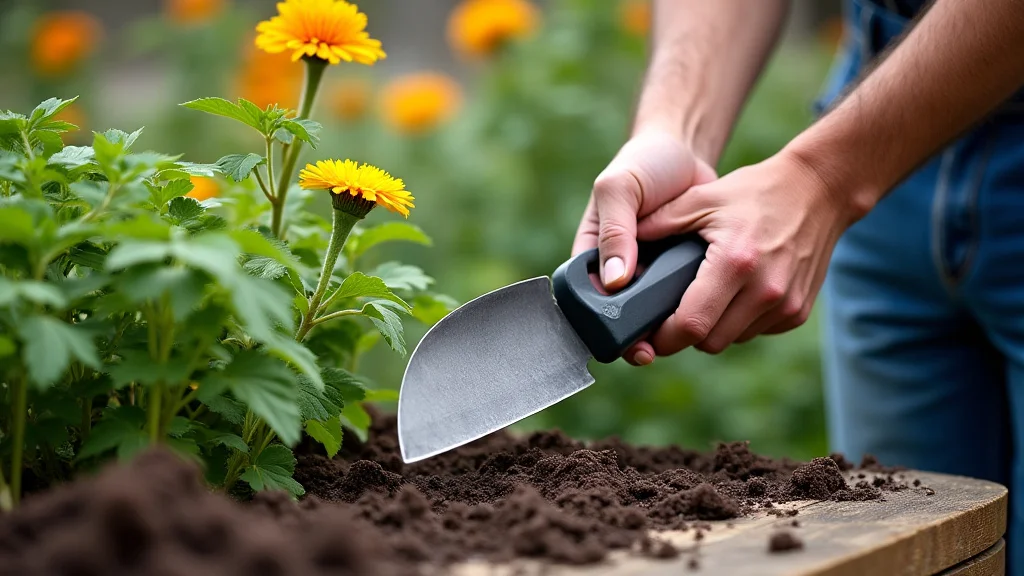
The sun is out, the birds are singing, and your garden is calling! But before you can get your hands dirty, you need the right tools. Remember that frustrating afternoon last summer, wrestling with a dull shovel and a leaky hose? This post will help you avoid that. We’ll explore the essential gardening tools Australia gardeners need, from sturdy spades to efficient watering systems. You’ll discover how to select the best tools for your specific needs, ensuring your garden thrives. By the end, you’ll be armed with the knowledge to make informed choices and create a thriving outdoor space, improving your gardening experience. This is your guide to buying great gardening tools Australia!
Key Takeaways
- Learn about the essential tools every Australian gardener should have.
- Discover how to choose the right tools based on your garden’s size and needs.
- Understand the different types of gardening tools available in Australia.
- Find out about materials and construction to ensure tool durability.
- Get tips on tool maintenance for a longer lifespan.
- Explore options for purchasing your new gardening tools in Australia.
Essential Gardening Tools Australia
Every gardener, from the beginner to the expert, needs a core set of tools. These tools are the foundation upon which your gardening success is built. They’ll help you prepare soil, plant seeds, tend to your plants, and keep your garden tidy. Focusing on quality in this area will save you time, effort, and money over the long term. This section covers the basic equipment you’ll need to get started.
Hand Tools for Planting and Weeding
Hand tools are the workhorses of any garden. They allow for precision work, perfect for planting seedlings, weeding around delicate plants, and loosening the soil. Investing in a good set of hand tools is a must. Look for tools with comfortable handles and strong, rust-resistant blades. The following tools will be your best friend when getting your garden ready.
- Trowel: A small, handheld tool with a curved blade, ideal for digging small holes for planting seedlings and transplanting small plants. The best trowels are made from stainless steel and have a comfortable handle.
- Hand Fork: Perfect for loosening soil, removing weeds, and aerating the ground around your plants. Look for a hand fork with sturdy tines.
- Weeder: A specialized tool for removing weeds, particularly those with deep roots. Choose a weeder that’s comfortable to grip and allows for effective weed removal without damaging surrounding plants.
- Hand Cultivator: Used for breaking up soil, removing small weeds, and preparing the ground for planting. It has several small tines for efficient soil work.
A trowel is a simple but essential tool. It’s used for various tasks, including digging small holes for planting seeds, seedlings, and bulbs. It can also assist with moving small plants and scooping up soil. When selecting a trowel, consider its size, handle comfort, and the material of the blade. Stainless steel trowels are a popular choice due to their rust resistance and durability. The shape of the blade can vary; some are rounded, while others are more pointed. A comfortable handle will prevent hand fatigue when you are using the trowel for extended periods.
A hand fork is designed with several tines, resembling a miniature pitchfork. It is used to loosen the soil, gently removing weeds, and aerating the soil to improve drainage and nutrient penetration. Hand forks can also be used to mix compost or fertilizer into the soil around plants. Look for forks made of strong materials, like forged steel, that can withstand repeated use. The spacing between the tines is important. If the tines are too close together, the fork may not be effective at loosening compacted soil. If they are too far apart, it might not be suitable for working around smaller plants.
A weeder comes in many forms, each with a specific design to tackle different types of weeds. Some have a V-shaped blade for levering weeds out of the ground, while others have a narrow blade for digging around plant roots. Weeder handles often have a curved design to provide a good grip and leverage. When choosing a weeder, consider the types of weeds in your garden and the soil conditions. Some weeders are designed for specific tasks, like removing dandelions with their long taproots. A well-designed weeder can make weed removal a much easier chore.
The hand cultivator is a versatile tool with multiple tines, perfect for breaking up compacted soil, removing small weeds, and preparing the soil for planting. Unlike the hand fork, the cultivator has shorter, often more numerous tines. These tines are used to break up clumps and loosen the soil surface. This tool is valuable for working in tight spaces and around established plants. The design of the hand cultivator can vary, but most have a comfortable handle and durable tines. Consider the handle shape and the spacing of the tines. Narrower tine spacing is beneficial for fine soil work.
Larger Tools for Soil Preparation and Maintenance
For larger tasks, you’ll need some larger tools. These are ideal for preparing garden beds, moving larger quantities of soil, and managing your lawn or larger planting areas. Quality and durability are even more important when selecting these tools, as they’re often subjected to heavier use. Don’t skimp on these essential tools!
- Spade: Used for digging, turning soil, and edging garden beds. Look for a spade with a strong blade and a comfortable handle.
- Fork: A four-pronged tool used for turning over soil, spreading mulch, and lifting bulky materials. A good garden fork should be durable and have strong tines.
- Rake: Used for leveling soil, removing debris, and gathering leaves. There are different types of rakes for various tasks.
- Hose and Watering Can: Essential for providing water to your plants. Choose a durable hose and a watering can with a rose head for gentle watering.
A spade is a flat-bladed tool used for digging, cutting through roots, turning over soil, and edging garden beds. A good spade has a sturdy blade, often made of forged steel, which can withstand heavy use. The handle can be made of wood or fiberglass, with the latter often being more durable. The shape of the blade can vary. Some spades have a pointed end for easier penetration of hard soils, while others have a square end for more efficient soil moving. The handle should be comfortable to grip. It allows you to maintain good leverage when digging. The blade’s angle can vary, influencing how easily you can lift and turn the soil.
The garden fork is similar to a pitchfork, but it is specifically designed for gardening tasks. It has four strong tines, which are ideal for turning over soil, spreading mulch, lifting compost, and moving other bulky materials. A garden fork is particularly useful for breaking up clods of soil. It is more effective than a spade in this regard. Choose a fork with tines made of forged steel to ensure durability. Look for a comfortable handle, which helps with leverage and reduces strain during use. The spacing between the tines is important. It should be wide enough to allow soil to pass through but close enough to handle bulkier materials effectively.
A rake is a long-handled tool with a row of teeth, used for leveling soil, removing debris like leaves and grass clippings, and preparing seedbeds. There are different types of rakes, each designed for specific purposes. A leaf rake, usually made of plastic or flexible metal, is ideal for gathering leaves. A garden rake with rigid metal tines is better for leveling soil and breaking up clumps. The size of the rake head and the spacing of the tines also vary. Choose a rake with a comfortable handle length that suits your height. This helps prevent back strain. The weight of the rake is a consideration. A lighter rake is easier to handle, but a heavier rake may be better for certain tasks.
Watering your garden is crucial. A hose and watering can are essential tools for providing the necessary moisture to plants. A good hose should be durable, resistant to kinking, and long enough to reach all areas of your garden. Look for a hose made of reinforced rubber or a similar material. A watering can, preferably with a rose head (a sprinkler head), is ideal for providing a gentle, even watering, especially for seedlings and delicate plants. Consider the size and weight of the watering can. Make sure it is comfortable to carry when filled with water. Many watering cans come with detachable rose heads that allow you to switch between a gentle shower and a direct stream of water.
Choosing the Right Gardening Tools Australia
Selecting the right tools involves more than just picking what looks good. It involves considering your garden’s size, the types of plants you’re growing, and your personal preferences. Matching your tools to the task at hand and your own needs will save you time and energy, and make your gardening experience more enjoyable.
Assessing Your Garden’s Size and Needs
The size of your garden is the first factor to consider when choosing tools. A small balcony garden will have different needs than a large suburban backyard. You should take stock of the types of plants you are growing, too. Different plants require different levels of care, and some tools may be more important for your specific needs than others.
- Small Gardens and Balconies: For small spaces, you can get away with a minimal set of tools. A trowel, hand fork, small hand rake, and a watering can will often suffice. Consider a compact storage solution.
- Medium-Sized Gardens: These gardens benefit from a more comprehensive tool set, including a spade, garden fork, and a longer handle rake.
- Large Gardens and Vegetable Patches: These spaces require a full set of tools, including power tools like a lawnmower, edger, and possibly a rototiller.
Gardens on balconies or in small spaces, like courtyards, require a focused approach to tool selection. You’ll need compact tools that can be stored easily. Essential tools would include a small hand trowel for planting in containers, a hand fork for loosening soil, a small hand rake for tidying up, and a watering can for targeted watering. Look for tools made of durable materials that are designed to last. To make the most of your space, consider a tool caddy or a storage box that also serves as a small work surface. Choose lightweight tools to reduce fatigue.
For medium-sized gardens, your tool kit should be more comprehensive. In addition to hand tools, a spade for digging and turning soil, a garden fork for breaking up soil and moving compost, and a long-handled rake for leveling soil and gathering leaves become necessary. Consider adding a weeder to help keep weeds under control. Also, a hose with a spray nozzle will be helpful for watering larger areas. Storage becomes more important as the number of tools increases, so consider a tool shed, a garden cart, or a wall-mounted rack.
Large gardens and vegetable patches necessitate a complete and extensive set of tools. You’ll need all of the tools mentioned above, plus equipment for managing the lawn and larger areas. This might include a lawnmower (electric or petrol), an edger for maintaining clean lines around beds and paths, and potentially a rototiller for breaking up large areas of soil. In these gardens, a wheelbarrow is extremely useful for moving soil, compost, and other materials. A sprayer might be needed for pest control. Consider how much storage space you will need to keep all these tools. Proper maintenance, including regular sharpening and cleaning, becomes even more important.
Evaluating Tool Materials and Construction
The material and construction of your tools are directly linked to their durability and effectiveness. Choosing quality tools from the start will save you money in the long run. Cheap tools can break quickly and become a waste of money.
- Handle Materials: Handles can be made of wood, fiberglass, or metal. Wooden handles offer a classic feel. Fiberglass and metal handles are generally more durable and weather-resistant.
- Blade Materials: Blades are typically made of steel. Stainless steel is resistant to rust, while carbon steel is stronger but needs more maintenance.
- Construction Quality: Look for tools with solid construction, secure joints, and well-designed features that enhance functionality.
The material used to make the handles significantly affects the performance and lifespan of your tools. Wooden handles, especially those made from hardwood like ash, are a traditional choice. They offer a good grip, absorb shock, and provide a classic feel. However, wood can rot, crack, or splinter over time, especially if exposed to moisture and the elements. Fiberglass handles are a popular alternative. They are strong, weather-resistant, and don’t rot. Metal handles, such as those made from steel, are extremely durable but can be heavier. Consider the tool’s intended use and the conditions in your garden. The shape and design of the handle are also crucial. Ergonomic handles that are curved or padded can reduce hand fatigue during extended use.
The material of the blade determines how effective the tool will be. Steel is the most common material for blades, with variations that provide different benefits. Stainless steel offers excellent rust resistance. It is perfect for tools that are frequently exposed to moisture. However, it may not hold as sharp an edge as other types of steel. Carbon steel is extremely strong and can hold a very sharp edge, making it excellent for digging and cutting. Carbon steel blades require more maintenance to prevent rust. You’ll need to clean and dry them after each use. You may also need to apply a protective oil. Look for blades that are properly heat-treated. The best tools will have blades that balance hardness with flexibility to withstand the stresses of gardening.
The overall quality of construction affects how well your tools will perform and how long they will last. Check the joints and connections. These are often the weakest points in a tool. Ensure that the blade is securely attached to the handle, and that there is no play or looseness. Examine the welds or rivets to make sure they are strong and smooth. Consider the overall design. Does it seem well-balanced and comfortable to use? Look for tools with features that improve functionality, such as ergonomic handles, sharpened blades, and rust-resistant coatings. Quality construction results in a tool that is not only more effective but also safer to use. Pay attention to how the tool feels in your hand. Look for tools that have been made with care.
Gardening Tools Australia: Maintenance and Storage
Taking care of your tools is essential for extending their lifespan and ensuring they perform at their best. Proper maintenance is also important for your safety and to avoid unnecessary effort or damage while gardening. This section is all about keeping your tools in good shape.
Cleaning and Sharpening
Regular cleaning and sharpening are crucial for maintaining your tools. Soil, sap, and other debris can reduce the effectiveness of your tools and lead to rust. Sharp tools are also safer to use. Dull tools are more likely to slip and require more force, which increases the risk of accidents.
- Cleaning: After each use, clean your tools with a brush or cloth to remove soil and debris. For stubborn dirt, use soap and water. Dry the tools thoroughly to prevent rust.
- Sharpening: Sharpen blades regularly using a file, whetstone, or sharpening tool. A sharp blade makes for easier, safer gardening.
- Rust Prevention: Apply a light coat of oil to metal tools to prevent rust. Store tools in a dry place.
Regular cleaning is an easy step, but it makes a big difference in maintaining your tools. After each use, use a stiff brush, cloth, or even a garden hose to remove soil, sap, and any other debris. For sticky substances, use warm, soapy water. Rinse the tools to remove any residue, and dry them thoroughly with a clean cloth. This is especially important for metal tools. Soil can hold moisture, which promotes rust. Make it a habit. Cleaning your tools will prevent the buildup of grime, increase the efficiency of your work, and extend the lifespan of your tools. Take care to wipe down the wooden handles. Regularly cleaning prevents their deterioration.
A dull blade makes gardening more difficult and potentially dangerous. Regularly sharpen your tools to keep them performing at their best. You can use a file, whetstone, or a specialized sharpening tool. When sharpening, maintain the original angle of the blade, and move the sharpening tool along the cutting edge in one direction. Regularly sharpen your pruners, secateurs, and shovels. Sharpening increases efficiency and reduces the effort required for tasks like cutting through roots. Proper sharpening will also prevent your tools from becoming dangerous and making gardening more pleasurable.
Rust is a serious enemy of gardening tools. It degrades the metal and reduces their effectiveness. To prevent rust, apply a light coat of oil to metal tools after cleaning. You can use a spray lubricant, or a food-grade oil like mineral oil. Also, make sure that your tools are stored in a dry place. A shed or a storage rack inside your garage will keep them protected from the elements. If you notice rust spots, remove them immediately with steel wool or a rust remover. Then, apply a protective coating of oil. Check your tools regularly. Early action will prevent the spread of rust.
Tool Storage Solutions
The right storage solutions can help protect your tools and make them easily accessible. The best solutions will keep your tools organized and safe from the elements. There are many solutions to consider.
- Tool Sheds and Garages: The ideal place to store your tools. Protects them from the weather and keeps them organized.
- Wall-Mounted Racks and Hooks: Great for saving space and keeping tools organized.
- Tool Carts and Bags: Portable storage solutions for carrying tools around the garden.
A tool shed or garage provides the best protection for your gardening tools. These enclosed spaces shelter your tools from rain, sun, and other harsh elements. It also prevents the potential for rust or corrosion. A shed or garage allows you to organize your tools systematically. You can use shelves, hooks, and racks to create dedicated storage space. Also, the space is secured. It protects your investment from theft. If you lack space for a full shed, consider a smaller storage cabinet or a tool bench. The key is to keep your tools out of the weather and easily accessible.
Wall-mounted racks and hooks are an effective way to store tools, especially in smaller spaces. These solutions keep tools off the ground and neatly organized. This means you’ll easily find what you need. Consider using a pegboard. This allows you to customize the layout. Choose hooks designed to hold the weight of your tools. Install these solutions on a wall in your shed or garage. This method maximizes space efficiency. It helps prevent accidental injuries. It also keeps your tools within easy reach. Organize them by type or frequency of use. This system also allows for easy cleaning and maintenance. Remember to consider the size and weight of your tools when selecting racks or hooks.
Tool carts and bags offer convenient, portable storage for your gardening tools. They’re excellent for gardeners who need to move their tools around the yard. A tool cart typically features wheels and a series of shelves, bins, and compartments. This allows you to carry multiple tools at once. Tool bags are typically made of durable fabrics. They contain pockets and loops to hold a variety of tools. When choosing a tool cart or bag, consider the size and weight of your tools. Look for a design that is comfortable to carry or roll. These solutions also let you keep your tools close at hand as you work, preventing you from constantly going back and forth to a fixed storage location. These systems can keep your tools safe and organized.
Gardening Tools Australia: Where to Buy
You have a lot of options in Australia for purchasing your gardening tools. You can choose from large hardware stores, specialized gardening supply stores, and online retailers. Each has its own benefits, so consider your needs and budget when making a decision.
Hardware Stores and Garden Centers
Hardware stores and garden centers are great places to start your tool shopping. These stores offer a wide selection, often with the ability to see and handle the tools before you buy them. This allows you to check their quality and ensure they feel comfortable in your hands.
- Large Hardware Chains: Bunnings Warehouse and Mitre 10 are common choices. They offer a broad range of tools, often at competitive prices.
- Specialized Garden Centers: These centers often have a deeper selection and knowledgeable staff.
- Benefits and Drawbacks: Consider the range of products, price, staff expertise, and your proximity to the store.
Large hardware chains, such as Bunnings Warehouse and Mitre 10, are convenient choices for purchasing gardening tools in Australia. They offer a vast selection. You can usually find the tools you need in one place. These stores often have competitive pricing, sales, and special offers. You can check the tools out in person before you buy them. Staff members are often on hand to offer advice. However, the service may be less specialized than at a garden center. The breadth of their product range can sometimes make the process overwhelming.
Specialized garden centers focus on gardening supplies, offering a deeper selection of tools, plants, and other gardening essentials. You are more likely to find high-quality, specialized tools at a garden center. The staff is usually more experienced and knowledgeable about gardening. They can offer advice and recommendations. However, the prices may be slightly higher than at a large hardware chain. They may also be located further away from you. If you are serious about gardening, a specialized garden center is usually the better choice.
When choosing where to purchase your gardening tools, weigh the benefits and drawbacks of each option. Large hardware chains provide convenience and competitive pricing. Specialized garden centers offer a more in-depth selection and staff expertise. The choice depends on your individual needs and priorities. Consider the range of products. Ensure that they have the tools you’re looking for. Think about the price. Compare prices from different stores. Evaluate the expertise of the staff. Consider how close the store is to your home.
Online Retailers and Marketplaces
Online retailers and marketplaces provide convenience and often competitive pricing. You can compare products and read reviews from other customers. However, you will not be able to hold the tools before buying them.
- Amazon and eBay: These platforms offer a wide range of tools from various sellers.
- Specialty Online Stores: Some stores specialize in gardening tools. This can offer a more curated selection.
- Considerations for Online Shopping: Check shipping costs, return policies, and read customer reviews.
Amazon and eBay provide easy access to a wide array of gardening tools. These platforms connect you with many sellers. This gives you a vast selection. You can compare prices easily and read customer reviews. The convenience of shopping from home is also a significant advantage. The downside is that you can’t see the tools in person before buying them. Quality can vary between sellers. There is also the potential for shipping delays and return complications. Always check the seller’s rating, read reviews, and examine the product details carefully before making a purchase.
Specialty online stores that focus on gardening tools offer a more curated and often high-quality selection. These stores often provide more detailed information about their products. They can offer expert advice. They may specialize in particular brands or types of tools. The selection is typically more focused than on general marketplaces. This can make it easier to find the perfect tool for your needs. The prices can be slightly higher. Check for shipping costs and return policies before making a purchase. Look for a store with a strong reputation. Check customer reviews to ensure the store is reliable.
Before purchasing gardening tools online, always consider shipping costs and return policies. These factors can affect the overall cost and convenience of your purchase. Carefully read customer reviews to gain insights into the product’s quality and the seller’s reliability. Check the product specifications carefully to ensure that it meets your needs. Pay close attention to the warranty. This is useful if the product breaks down. Also, be patient with the delivery time. Keep a record of your order. Online shopping provides excellent convenience and a wide selection, but it is important to be a careful and informed consumer.
Here’s a quick comparison of the benefits of each option:
| Retailer Type | Pros | Cons |
|---|---|---|
| Hardware Stores | Wide selection, competitive prices, ability to test tools | Less specialized knowledge, potentially overwhelming |
| Specialized Garden Centers | Deeper selection, expert advice, high-quality products | Potentially higher prices, fewer locations |
| Online Retailers | Convenience, competitive prices, wide selection | Inability to test tools, shipping costs, potential for quality variation |
Frequently Asked Questions
Question: What are the most important gardening tools for beginners in Australia?
Answer: For beginners, a trowel, hand fork, hand rake, and a good watering can are essential. These tools cover most basic gardening tasks like planting, weeding, and watering.
Question: What is the best material for gardening tool handles in the Australian climate?
Answer: Fiberglass and metal handles are great in Australia. They’re durable, weather-resistant, and won’t rot like wood. They also withstand intense sun.
Question: How often should I sharpen my gardening tools?
Answer: Sharpen blades before the beginning of each gardening season and whenever you notice they’re becoming dull. Regular sharpening ensures efficient and safe work.
Question: How can I prevent rust on my gardening tools?
Answer: After each use, clean and dry your tools. Apply a light coat of oil to metal parts. Store your tools in a dry shed or garage.
Question: What’s the best way to store my gardening tools in a small space?
Answer: Wall-mounted racks or hooks are great for saving space. Tool bags or carts can also keep your tools organized and mobile.
Final Thoughts
Now you have the knowledge to equip yourself with the best gardening tools Australia has to offer, and your garden is on its way to flourishing! Remember, the right tools can make all the difference in your gardening experience. They’ll save you time and energy, allowing you to enjoy the process and the results more. Focus on quality, consider your garden’s size and your specific needs, and don’t neglect proper maintenance. Cleaning and sharpening your tools is a must! By investing in the right equipment and taking good care of it, you’ll be well-prepared to create and maintain a beautiful and thriving garden. So, go forth and start your gardening adventure with confidence. Happy gardening!