
Remember that time you tried to plant a few flowers in your backyard using a regular kitchen spoon? It didn’t go well, right? The soil was hard, the spoon bent, and your flowers looked… well, let’s just say they didn’t thrive. Gardening, like any hobby, is easier and more rewarding when you have the right tools. This post will give you the inside scoop on a complete list of gardening tools to help you grow a thriving garden. You’ll learn the purpose of each tool and how to use them effectively. Get ready to transform your green space into a beautiful and bountiful oasis. By the end, you’ll feel confident and equipped to tackle any gardening project.
Key Takeaways
- You’ll discover a comprehensive list of gardening tools suitable for various tasks.
- Learn about the different types of tools and their specific functions.
- You will be able to choose the right tools for your specific gardening needs.
- Understand the proper techniques for using and maintaining each tool.
- You’ll learn about essential safety tips while using the tools.
- You’ll become knowledgeable about where to purchase the best tools.
Assembling Your List of Gardening Tools: The Essentials
Building a successful garden starts with having the correct tools. It’s like having the right equipment for any project. Without the proper implements, even the simplest tasks can become difficult and time-consuming. From preparing the soil to harvesting your crops, having the right tools makes the gardening process enjoyable and efficient. This section covers the fundamental items that every gardener, regardless of experience, should have on hand. It’s the foundation of your gardening toolkit.
Hand Tools for Planting and Weeding
Hand tools are the workhorses of any garden. They’re what you’ll use most often, for everything from planting tiny seeds to removing pesky weeds. These tools are designed for precision and are perfect for smaller areas, raised beds, or when you need more control. They are lightweight and easy to handle, even for beginners. Let’s explore the basic hand tools everyone should have in their gardening arsenal.
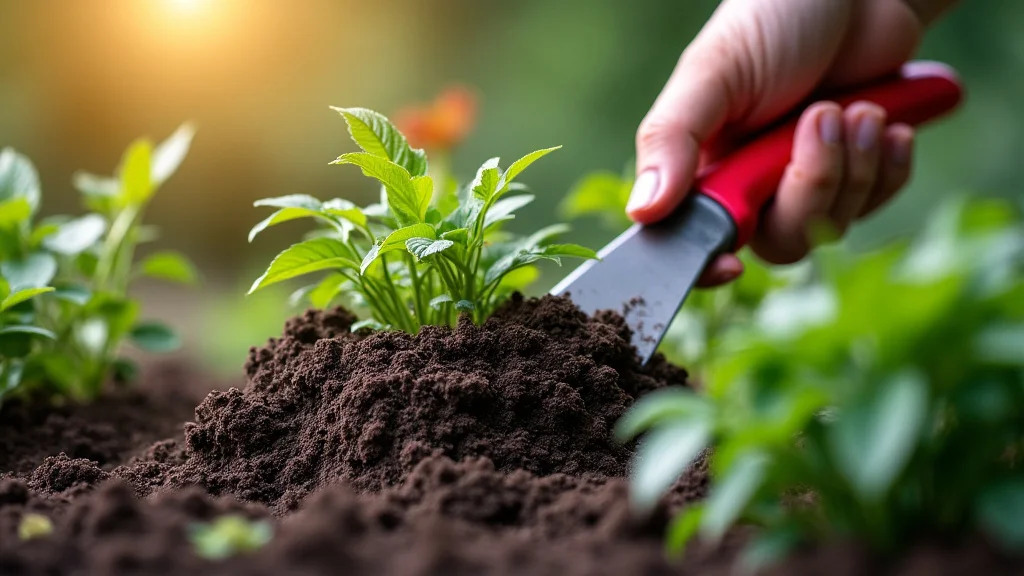
- Trowel: The trowel is your go-to tool for planting and transplanting seedlings. Its small, scoop-shaped blade is perfect for digging small holes, moving soil, and getting plants into the ground.
- Hand Fork: A hand fork is a small, three- or four-pronged tool ideal for loosening soil, mixing in compost, and weeding. It’s perfect for breaking up clumps in tight spaces.
- Weeder: A weeder is a specialized tool designed to remove weeds, roots and all. These tools come in various shapes and sizes.
A trowel is a small, hand-held tool with a curved, blade-like scoop. It’s typically made of stainless steel or plastic. The handle can be made of wood or plastic, providing a comfortable grip. A good trowel should be sturdy and durable enough to dig in various soil types without bending or breaking. When choosing a trowel, consider the handle design; a comfortable grip can prevent hand fatigue. The size of the trowel is also something to consider depending on the size of your hands, and the types of plants you plan on gardening. Consider the ease of cleaning the material the trowel is made from as well.
The hand fork, often made of durable metal, is designed with tines that are spaced apart to effectively aerate and turn the soil. Unlike a trowel, the hand fork doesn’t scoop. It penetrates the ground, making it suitable for breaking up compact soil or removing weeds at the root. The handle typically matches the length of other hand tools. Choosing a hand fork means paying attention to the material used; stainless steel is preferred because it won’t rust easily. The weight and the design of the handle are also important factors when considering ergonomics. A well-designed hand fork can greatly improve the efficiency of your gardening tasks, especially in confined areas.
Weeders are designed with a narrow, pointed blade or a forked tip. The blade is perfect for getting under the roots of weeds and pulling them out, root and all. Some weeders have a notched edge, which helps grip the weed for more efficient removal. This can eliminate the need for chemical herbicides. You can choose from many types of weeders. The ‘Hula Hoe’ has a flat blade that slices off weeds just below the surface, and the ‘Collinear Hoe’ is good for chopping through weeds.
Pruning Tools: Keeping Your Plants Healthy
Pruning tools are essential for keeping your plants healthy and encouraging growth. Regular pruning helps to shape plants, remove dead or diseased branches, and allow more sunlight and air to reach the plant’s core. Using the right pruning tool for the job is essential to avoid damaging your plants. Let’s review the key pruning tools you should have for your gardening needs.
- Hand Pruners (Secateurs): These are small, handheld shears used for cutting stems and small branches. They are perfect for deadheading flowers, trimming herbs, and shaping small shrubs.
- Loppers: Loppers are long-handled pruning shears used for cutting thicker branches that are out of reach. They provide extra leverage, making it easier to cut through larger stems.
- Pruning Saw: A pruning saw is designed for cutting larger branches that loppers can’t handle. The saw’s blades are specifically designed for cutting wood.
Hand pruners, also called secateurs, come in two main styles: bypass and anvil. Bypass pruners have a blade that passes by a cutting edge, similar to scissors. They make clean cuts and are ideal for live plants. Anvil pruners have a blade that closes onto a flat surface (the anvil), best for dead wood. These usually have a safety latch to keep the blades closed when not in use. Some also have a spring to open the blades. Choose pruners with a comfortable grip to avoid hand strain, and select ones that fit the size of your hands. These are essential for maintaining the health and aesthetics of your plants.
Loppers have long handles, which can range from 15 to 36 inches, providing leverage to cut branches that are difficult to reach with hand pruners. They are used for pruning thicker branches, often up to 1.5 inches in diameter, depending on the model. Like hand pruners, loppers come in bypass and anvil styles. Bypass loppers are better for making clean cuts on live wood, while anvil loppers are often used for dead wood. When choosing loppers, consider the length of the handles; longer handles give more power. Look for a model with a comfortable grip and a blade made of high-quality steel.
Pruning saws have curved or straight blades with aggressive teeth for cutting through wood efficiently. They’re best for removing branches that are several inches in diameter. Pruning saws often have folding blades for safety and portability. The teeth of the saw are carefully designed for different cutting actions. When selecting a pruning saw, consider the blade length and tooth design, which affect the speed and quality of the cut. Look for a saw with a comfortable handle and a blade that’s easy to sharpen or replace.
Tools for Soil Preparation and Planting
Preparing the soil and getting your plants in the ground is an important part of any gardening project. The quality of your soil impacts your plants’ health and how well they grow. These tools help create the perfect environment for your plants. Let’s delve into the essential tools that make soil preparation and planting a breeze.
- Shovel: A shovel is a must-have for digging, moving soil, and transplanting larger plants.
- Garden Fork: A garden fork is used for turning over soil, breaking up clumps, and mixing in compost and fertilizer.
- Hoe: Hoes are used for weeding, tilling the soil, and creating rows for planting. The head of a hoe can be a variety of shapes.
Shovels are essential tools for a variety of tasks in the garden, including digging holes for planting trees and shrubs, moving soil from one place to another, and mixing compost. They come in various shapes and sizes. The most common types include round-point shovels (good for digging) and square-point shovels (better for scooping and moving materials). The blade is typically made of steel, attached to a wooden or fiberglass handle. When choosing a shovel, consider the blade shape, the length of the handle, and the weight. A shovel with a comfortable grip will reduce strain.
Garden forks are robust tools with strong tines designed for aerating and turning over soil. They’re excellent for breaking up compacted soil, and mixing in organic matter. Unlike a shovel, the garden fork doesn’t scoop; it penetrates the soil to lift and turn it. They come in different sizes, with the number of tines varying. The tines can be square or slightly curved. When selecting a garden fork, consider the handle material (wood or fiberglass), the tines’ material (steel), and the weight of the tool. A well-designed garden fork is a great tool for managing soil health.
Hoes come in various styles. A draw hoe is designed for pulling towards you to slice weeds below the surface. A scuffle hoe is pushed and pulled and is very effective at quickly cutting off weeds at the soil surface. Hoes are versatile tools for weeding, aerating the soil, and creating planting rows. The head of a hoe can be different shapes, and the handle length can be adapted to make it easier to reach different areas. When selecting a hoe, consider the type of soil you have and the tasks you’ll be doing. A lightweight hoe is useful for frequent weeding, whereas a sturdier model is needed for tougher jobs.
Watering Tools: Keeping Your Garden Hydrated
Water is essential to the health of your garden. The right watering tools can make this task easier and more effective, ensuring your plants get the right amount of moisture. Let’s explore the key watering tools for efficient and effective gardening.
- Watering Can: A watering can is a portable container used for watering plants by hand. It’s great for small gardens, containers, and targeted watering.
- Garden Hose: A garden hose is used to deliver water to your garden. They’re available in various lengths and materials.
- Sprinkler: Sprinklers deliver water to a large area of your garden. They come in various types, including oscillating, rotating, and stationary sprinklers.
Watering cans come in different sizes, from small ones designed for indoor use to larger models for outdoor gardens. Most watering cans have a rose (a sprinkler head) at the spout to provide a gentle shower, which is beneficial for delicate plants. Choose a watering can made of durable material, such as plastic or metal. Consider the capacity and the weight of the can, especially if you have a large garden. A watering can with an ergonomic handle will reduce strain.
Garden hoses are essential for providing water to your garden. These can be made of rubber, vinyl, or a combination of materials. They come in different lengths, typically ranging from 25 to 100 feet. When choosing a garden hose, consider the material, the length, and the diameter. A wider diameter hose provides more water pressure. Also, look for features like reinforced construction to resist kinking and UV-resistant materials to extend the hose’s life. A hose nozzle can be added to the end to control the water flow and pattern.
Sprinklers can be useful in any garden. They can be placed on the ground or attached to a hose. Different types of sprinklers deliver water in various patterns. Oscillating sprinklers move back and forth, covering a rectangular area. Rotating sprinklers spray water in a circular pattern. Stationary sprinklers provide a fixed spray. When choosing a sprinkler, consider the size and shape of your garden. Check for adjustable settings to control the water flow and coverage area. A good sprinkler can help efficiently water a large area.
Advanced Tools: Taking Your Gardening to the Next Level
Once you’ve mastered the essentials, you can add some specialized tools to your collection. These advanced tools can make more complicated tasks easier. They provide a deeper level of efficiency and precision to your gardening routine. Let’s explore some tools that can enhance your gardening experience.
Power Tools and Equipment
Power tools can save time and effort. They can be especially useful for larger gardens or if you have limited mobility. They are typically an investment and require some maintenance. Let’s look at a few power tools that can make your gardening tasks more efficient.
- Rototiller: A rototiller, also known as a garden tiller, is a motorized tool for breaking up and preparing soil for planting.
- Lawn Mower: A lawn mower is a machine for cutting grass.
- String Trimmer: Also known as a weed eater, a string trimmer is used to trim grass and weeds in hard-to-reach areas.
A rototiller uses rotating blades to break up the soil. They come in different sizes and power levels. Rear-tine tillers are designed for larger gardens. They’re more powerful and can break up hard-packed soil. Front-tine tillers are lighter and more maneuverable, suitable for smaller gardens. When selecting a rototiller, consider the size of your garden and the type of soil. Features to look for include adjustable tilling depths, easy-to-use controls, and safety features.
Lawn mowers come in various types. There are push mowers, which you walk behind. Then, there are riding mowers for large lawns. They can be gas-powered, electric, or even manual. They use rotating blades to cut grass. When selecting a lawn mower, consider the size of your lawn, the terrain, and your personal preferences. Choose a mower with adjustable cutting heights and a durable cutting deck. Electric mowers are more environmentally friendly. Riding mowers can save a lot of time on large lawns.
String trimmers use a rapidly spinning nylon string to cut grass and weeds. They are excellent for trimming around trees, along fences, and around the edges of lawns. String trimmers can be gas-powered or electric. Gas trimmers offer more power and are suitable for larger properties, while electric trimmers are typically quieter and more environmentally friendly. When selecting a string trimmer, consider the size of your property and the types of plants you’ll be trimming. Choose a trimmer with a comfortable handle, an adjustable cutting head, and a durable string. Some trimmers also come with attachments for edging or brush cutting.
Specialty Tools for Specialized Tasks
These tools are designed for very specific gardening jobs. They can save time and provide precision for unique needs in your garden. Let’s look at some specialty tools that can help you with particular challenges or gardening styles.
- Wheelbarrow: A wheelbarrow is a single-wheeled cart used for transporting soil, compost, and other gardening materials.
- Compost Bin: A compost bin is used to turn yard waste and food scraps into nutrient-rich compost.
- Garden Kneeler/Seat: A garden kneeler or seat provides comfort and support while gardening, reducing strain on your knees and back.
Wheelbarrows are essential for moving heavy materials around your garden. They typically have a single wheel in the front and two handles in the back, making them easy to maneuver. They come in different sizes and materials, with metal and plastic being the most common. When selecting a wheelbarrow, consider the size of your garden, the types of materials you’ll be transporting, and the weight capacity. A well-designed wheelbarrow with a comfortable grip and a sturdy frame is a worthwhile investment. Some wheelbarrows also have features like flat-free tires for easy use.
Compost bins come in various styles, including open bins, enclosed bins, and tumbling composters. Compost bins accelerate the natural decomposition process, creating compost that can be used to enrich the soil. When selecting a compost bin, consider the space you have available, the amount of waste you generate, and your personal preferences. Look for a bin that’s easy to access and that provides good airflow for the composting process. Tumbling composters can be particularly useful. They make turning the compost easier.
Garden kneelers or seats are designed to make gardening more comfortable. They typically feature a cushioned surface for kneeling or a seat for sitting. Some kneelers also come with built-in storage. They help to protect your knees and back. When selecting a garden kneeler or seat, consider the height, the weight capacity, and the comfort of the cushioning. Look for a model that’s easy to move around your garden and that can withstand the elements. Many gardeners find that using a garden kneeler/seat helps them work longer and more comfortably.
Maintaining Your List of Gardening Tools
Like any equipment, gardening tools require care to ensure they last. Proper maintenance increases their lifespan, efficiency, and safety. A well-maintained tool works better and is safer to use. Regular care will help you avoid unnecessary repairs or replacements. Here’s a guide to keeping your gardening tools in great shape.
Cleaning and Storage Techniques
Proper cleaning and storage are the keys to keeping your tools in good condition. Taking the time to do this after each use will prevent rust and decay. Make cleaning and storage part of your gardening routine to ensure your tools are always ready. These are the practices for keeping your tools functional.
- Cleaning After Use: After each use, wipe down your tools to remove dirt, mud, and plant debris. This prevents corrosion and extends their life.
- Sharpening Blades: Dull blades are inefficient and can damage plants. Sharpen pruners, shears, and other cutting tools regularly using a sharpening tool or file.
- Proper Storage: Store tools in a dry place to prevent rust. Hang tools on a wall or store them in a tool shed or garage.
Cleaning your tools after each use is essential for keeping them in good condition. Begin by wiping down the blades and handles with a damp cloth or brush to remove any dirt and debris. Then, use a wire brush to remove any stubborn dirt. You can also wash your tools with soap and water. Dry the tools thoroughly to prevent rust. Clean tools make gardening easier. They also ensure the tools remain functional.
Sharpening your blades regularly is essential for efficient pruning and cutting. Use a sharpening tool or a file to maintain a sharp edge on pruners, loppers, and other cutting tools. Follow the angle of the blade when sharpening, and sharpen in one direction. Consider using a sharpening stone for a fine edge. Regular sharpening not only makes your tools more effective but also reduces the risk of damaging your plants. A sharp blade makes a clean cut. That speeds healing and avoids disease.
Proper storage is essential for maintaining your tools. Always store your tools in a dry, covered area. A garage or garden shed is ideal. If storing tools outdoors, consider using a tool shed or covering them with a tarp. Hang tools on a wall using hooks or racks. This prevents damage and keeps them organized. Storing tools properly helps them last longer, protects them from the elements, and makes them easier to find.
Rust Prevention and Maintenance
Preventing rust and maintaining your tools is important for keeping them functional. Rust can damage tools and make them difficult to use. Regular maintenance is key to protecting your tools and extending their life. These are some useful methods for keeping your tools in great condition.
- Rust Removal: If rust develops, remove it using steel wool, sandpaper, or a rust remover. Then, apply oil to protect the metal.
- Lubrication: Lubricate moving parts, such as those on pruners and loppers, to ensure smooth operation.
- Handle Care: Keep wooden handles clean and dry. Treat wooden handles with oil or varnish to protect them.
Even with the best care, rust may develop on your tools. You can remove rust using steel wool, sandpaper, or a rust remover. Once the rust is removed, clean and dry the tool. Then, apply a thin coat of oil, such as linseed oil, to protect the metal from future rust. Regular rust removal and oiling will keep your tools in top condition and make them last longer.
Lubricating moving parts is essential for keeping your tools working effectively. Apply oil, such as WD-40 or a general-purpose lubricant, to the hinges, joints, and blades of your pruners, loppers, and other tools with moving parts. Wipe away any excess oil. Regular lubrication will keep your tools running smoothly. Lubrication will also help prevent wear and tear and extend the life of your tools. Lubricate the parts every few months or as needed.
The handles of your tools need care, too. Clean wooden handles with a damp cloth and allow them to dry. Apply linseed oil or varnish to protect them from moisture and damage. Check for cracks or splinters and repair or replace the handle as needed. Properly maintained handles will provide a comfortable grip and make your tools safer to use. Well-maintained handles can make gardening more enjoyable.
Choosing Your List of Gardening Tools: What to Consider
Deciding which tools to buy can be daunting with the many options available. Selecting the right tools for your specific needs will ensure you get the most out of your gardening experience. Before you spend, consider these factors to make sure you’re investing wisely.
Assessing Your Gardening Needs
Begin by considering the scale and type of your gardening project. Assessing your needs ensures you have the right tools for the job. Consider the size of your garden, the types of plants you plan to grow, and the frequency of your gardening activities. This assessment helps determine which tools are essential and which are optional.
- Garden Size: The size of your garden impacts the types and number of tools you need. Larger gardens often require more tools, such as a rototiller, lawn mower, and more extensive watering systems. Smaller gardens can often be managed with a basic set of hand tools.
- Types of Plants: Different plants have different needs, which affect your tool choices. For example, growing roses requires pruning shears, while growing vegetables may require hoes and trowels.
- Frequency of Gardening: The frequency of your gardening activity affects how often you’ll use your tools. Regular gardeners may need more durable and versatile tools than occasional gardeners.
The size of your garden is a key factor in choosing the right tools. If you have a large garden, you may need a wider range of tools, including power equipment. This will save you time and energy. For small gardens, a basic set of hand tools is often sufficient. Consider how much area you will need to cover when deciding which tools to acquire. Larger gardens require tools such as a wheelbarrow, a rototiller, and a riding mower.
Different types of plants will require different tools. If you’re growing flowers and shrubs, you’ll need pruning shears for deadheading. For vegetables, you’ll need tools such as hoes and trowels. Consider the specific needs of the plants you plan to grow. If you’re growing a lawn, you’ll need a lawn mower and a string trimmer. Also, consider any support structures that might be needed.
If you garden frequently, you will want durable and ergonomic tools. The more often you garden, the more you will use your tools. This means they will endure more wear and tear. Regular gardeners will need to invest in high-quality tools that can withstand frequent use. Occasional gardeners can often get by with a basic set of tools. Consider how often you plan to garden, and choose tools accordingly.
Selecting Quality Tools
Choosing quality tools will save you time and money. Investing in durable, well-made tools will ensure they last for years. These factors can help you choose the best tools for your gardening needs.
- Material and Construction: Look for tools made of durable materials like stainless steel or high-quality wood.
- Comfort and Ergonomics: Consider the comfort of the handles and the overall design. Ergonomic tools reduce strain and fatigue.
- Warranty and Reviews: Check for warranties and read reviews. Warranties can protect you from defects, and reviews can give you insights into tool performance.
Pay attention to the materials used in the construction of the tools. Stainless steel is resistant to rust and corrosion. Hardwood handles are durable and comfortable. High-quality tools are built to withstand heavy use. Look for well-constructed tools that will last for years. Avoid tools made from cheap materials. Cheap tools tend to break down quickly.
Comfort and ergonomics are important considerations when selecting gardening tools. Look for tools with comfortable handles that fit your hand. Ergonomic designs reduce strain and fatigue during long gardening sessions. Consider the weight of the tool and the grip on the handles. Comfortable tools make gardening more enjoyable. They also help prevent injuries.
Check the warranty before buying any gardening tool. Read reviews from other gardeners to get an idea of the tools’ performance and durability. A good warranty indicates the manufacturer’s confidence in their product. Reviews can also provide valuable information about a tool’s usability and performance. Reviews can help you make an informed decision and avoid purchasing a tool that might not meet your needs.
Frequently Asked Questions
Question: What are the essential hand tools every gardener needs?
Answer: Every gardener should have a trowel, a hand fork, and a weeder.
Question: What is the best way to keep my tools from rusting?
Answer: Clean your tools after each use and store them in a dry place. Remove any rust that does develop with steel wool or a rust remover, and apply oil.
Question: How often should I sharpen my pruning shears?
Answer: Sharpen your pruning shears whenever the blades become dull. Dull blades can damage plants.
Question: What’s the difference between a round-point shovel and a square-point shovel?
Answer: Round-point shovels are ideal for digging, while square-point shovels are better for scooping and moving materials.
Question: How can I choose the right size of garden hose?
Answer: Choose a garden hose based on the size of your garden and the water pressure you need. Consider the length, diameter, and material of the hose.
Final Thoughts
With a well-chosen list of gardening tools in hand, you’re ready to transform your garden from a dream into a reality. Remember, the right tools not only make gardening easier, but they also help you get the most out of your plants. From planting seedlings with a trusty trowel to shaping shrubs with hand pruners, each tool plays a part in the success of your garden. Proper care and maintenance are the keys to ensuring your tools last for years. So, take the time to clean, sharpen, and store them correctly. Gardening is an ongoing process. Continue to experiment with different tools, explore new techniques, and, most importantly, have fun! Your thriving garden awaits, ready to bring beauty and satisfaction with every harvest.