
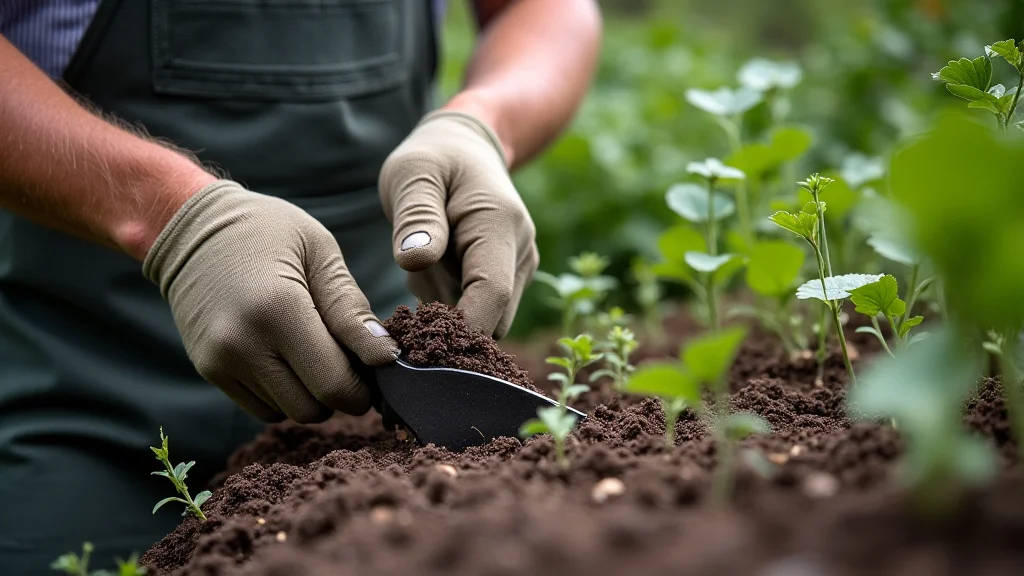
Remember that time you tried to edge your lawn with a dull kitchen knife? Yeah, me too. The struggle is real when you lack the right equipment. But don’t worry, even if your thumb isn’t green, this guide will get you started with the essential gardening tools for men. We’re going to explore what you need, from the basics to some cool extras, so you can turn that overgrown jungle into a space you can be proud of. You’ll also learn how to choose tools that last and make gardening less of a chore. Get ready to ditch the frustration and get your hands dirty the right way. This post will transform your approach, increasing your enjoyment and making the process far less of a burden.
Key Takeaways
- Discover the must-have gardening tools for men to get you started.
- Learn about the different types of tools and what they’re used for.
- Find out how to choose tools that fit your needs and budget.
- Understand how to care for your tools to make them last.
- Get tips on the best tools for specific gardening tasks.
- Explore some cool gadgets that can make gardening easier.
Getting Started With Gardening Tools
The first step is gathering the right gardening tools for men. It’s like building a toolbox for your yard, each piece serving a unique purpose. Having the right equipment makes a huge difference, turning a potentially frustrating experience into something enjoyable. There are many different tools, but getting the right ones will depend on the size of your garden and what you plan to grow. Don’t feel like you need everything at once. Start with the basics and expand your collection as you get more into gardening. Choosing high-quality tools that are built to last will save you money in the long run and make your gardening work much more efficient.
The Basic Gardening Tool Kit
Every gardener, regardless of their skill level, needs a solid foundation of tools. These are the workhorses of the garden, the ones you’ll reach for time and again. They are also relatively affordable, making them great for beginners. These essential pieces make up your core tool collection, helping you tackle everything from planting to weeding to general maintenance. The right basic tools are important for anyone starting a gardening project, allowing you to get the job done quickly and easily.
- Hand Trowel: Perfect for digging small holes, transplanting seedlings, and scooping soil.
- Hand Fork: Great for breaking up soil, weeding, and mixing in compost.
- Gardening Gloves: Protect your hands from dirt, thorns, and blisters.
- Hand Pruners: Used for cutting stems, pruning small branches, and harvesting.
- Watering Can or Hose: Provides water to your plants.
A hand trowel is like your small, personal shovel. It’s ideal for planting small flowers, bulbs, and herbs. Its small size allows you to work in tight spaces, making it perfect for raised beds or container gardens. Look for a trowel with a sturdy handle and a solid blade, preferably made from stainless steel, to prevent rust. Its simple design means it’s easy to clean and store. You can use it to measure the depth of the hole needed for your plants and move the soil with precision. Using a hand trowel is a great place to start as you build your gardening skills.
The hand fork is a small, handheld version of a garden fork, with tines that are ideal for loosening compacted soil. It’s great for aerating soil around plants without damaging their roots. Its small size is useful for weeding in dense areas or between plants. You can use a hand fork to break up clumps of soil, helping you prepare the ground for planting. It’s also useful for mixing in compost or other soil amendments, ensuring they are evenly distributed. Choose one with a comfortable handle and strong tines that won’t bend easily.
Gardening gloves are a must-have, protecting your hands from cuts, scrapes, and dirt. They also make tasks like weeding and pruning much more comfortable. Different types of gloves are available for different purposes, with some being more resistant to thorns and others being more breathable. Look for gloves made from durable materials like leather or synthetic fabrics. Consider the fit, and make sure they allow you to move your fingers freely. Wearing gloves prevents the spread of bacteria from the soil to your skin. Regular use of gardening gloves will help your hands stay clean and healthy.
Hand pruners, also known as secateurs, are small, handheld scissors designed for cutting stems and small branches. They are crucial for maintaining the shape and health of your plants. Use them to prune roses, trim bushes, and harvest vegetables. Look for bypass pruners, which provide a clean cut, minimizing damage to plants. Consider a model with a locking mechanism for safety. Sharpen them regularly to ensure they make clean cuts, making the pruners last longer. Quality pruners can improve the health of your plants and make pruning an easy task.
Whether you choose a watering can or a garden hose, having a way to water your plants is essential. A watering can is great for small gardens or containers, allowing you to direct water exactly where it’s needed. A hose is better for larger areas, allowing you to water more plants quickly. Look for a hose made from durable materials and a nozzle with different spray patterns. Use a watering can or hose to water plants early in the morning or late in the afternoon to avoid water loss due to evaporation. Both are necessary to ensure your plants are well-hydrated.
Choosing the Right Gardening Tools for Men
Choosing the right tools goes beyond just the basics. It’s about finding tools that fit your needs and make gardening easier. This section will explore the factors you should consider when selecting gardening tools, from the quality of materials to the types of tools available. Making informed choices now means you’ll spend less time and effort on maintenance and repair later. By focusing on your personal requirements and preferences, you can put together a collection of tools that perfectly supports your gardening goals. Investing in the right tools is a decision that pays off over time.
Materials and Construction
The materials a tool is made from directly affect its durability and how long it lasts. Tools made from high-quality materials will withstand years of use. For handles, consider wood or fiberglass, both of which are durable and can absorb shock. Blades should be made from stainless steel, which is rust-resistant, or carbon steel, which is stronger but requires more maintenance. Spending a little more on quality materials usually results in longer lifespans and better performance. This also helps reduce the environmental impact by decreasing the need for frequent replacements.
- Handles: Look for ergonomic designs and durable materials like hardwood or fiberglass.
- Blades: Stainless steel is rust-resistant; carbon steel is stronger but needs care.
- Construction: Check for sturdy construction and secure connections.
The handle is the part of the tool you hold, so it’s important that it’s comfortable and fits well in your hand. Ergonomic handles are designed to reduce strain and prevent blisters. Hardwood handles are strong and provide a good grip, while fiberglass handles are lightweight and resistant to weather. Make sure the handle is securely attached to the tool’s head, so it doesn’t break off during use. A good handle will make your gardening more enjoyable and less tiring.
The blades of your tools are the business end, so the material they’re made from is crucial. Stainless steel blades resist rust and are low-maintenance, making them perfect for those who don’t want to spend time sharpening. Carbon steel blades are stronger and hold a sharper edge, which can be useful for cutting through tough materials. They require more care, meaning they will need to be cleaned and oiled regularly to prevent rust. Ensure blades are sharp for a cleaner cut that is better for plant health.
Pay attention to how the tool is built. The connections between the handle and the head of the tool should be strong and secure. Look for tools that feel solid and well-balanced in your hand. If a tool has moving parts, make sure they operate smoothly. Quality construction makes a big difference in how long your tools will last and how well they perform. A poorly constructed tool might break or bend easily, so spend some time checking that all parts are properly joined.
Tool Types for Different Tasks
Different gardening tasks require different types of tools. This section explores the specific tools you need for planting, weeding, pruning, and soil preparation. Having the correct tool for the task makes your work easier and more efficient. Knowing the purpose of each type of tool will help you choose the right ones for your garden and the specific things you are trying to accomplish. Each tool is designed to help you, so let’s review some different gardening tasks and the right tools for the job.
- Planting Tools: Trowels, transplanters, and dibbers for getting plants in the ground.
- Weeding Tools: Hoes, weeding knives, and cultivators to keep your garden clear.
- Pruning Tools: Pruners, loppers, and pruning saws for maintaining plant health.
- Soil Preparation Tools: Garden forks, shovels, and tillers for healthy soil.
When it comes to planting, the right tools can make all the difference. A hand trowel is your go-to tool for digging small holes and planting seedlings or bulbs. A transplanter, which has a wider blade, is perfect for moving larger plants with more of their root ball intact. A dibber is a pointed tool used to create holes in the soil for planting seeds or small plants. Ensure your planting tools are the right size for the job; this way, you avoid damaging delicate roots. Proper planting practices and good tools guarantee your plants have the best start possible.
Weeding can be a tedious chore, but the right tools can make it much more manageable. A hoe is great for removing weeds quickly across a large area. A weeding knife is perfect for removing weeds close to plants, especially weeds with deep roots. A cultivator is used to loosen the soil and dislodge weeds. These tools all help you remove weeds effectively and make your garden look tidy. Using the right weeding tools will reduce the time you spend on weeding and help keep your garden looking its best.
Pruning tools are essential for maintaining the health and appearance of your plants. Hand pruners are ideal for smaller branches and stems. Loppers, with their long handles, are used for thicker branches that are difficult to reach. A pruning saw is used for cutting through larger branches. Regular pruning improves air circulation, promotes new growth, and helps keep your plants healthy. Make sure your pruning tools are sharp and clean to prevent the spread of disease.
Preparing the soil is a vital step in any gardening project. A garden fork is used to loosen and aerate the soil. A shovel is useful for moving large quantities of soil, compost, and mulch. A tiller, especially for large gardens, helps break up the soil. Healthy soil is the foundation of a successful garden, providing plants with the nutrients and water they need. Preparing the soil is an investment, helping plants grow strong and giving you better results.
Budgeting for Your Gardening Tools
Setting a budget is a wise move, helping you manage spending and make informed choices. This includes considering both the initial cost of the tools and any maintenance expenses. Planning the tools you need and setting a budget avoids overspending and ensures you invest in tools that will last. Prioritizing essential tools first and adding more as your needs grow helps you stay within your budget. This can make gardening an affordable hobby and ensure you get the most value for your money.
- Start Small: Prioritize essential tools and add more as your needs grow.
- Consider Used Tools: Look for used tools in good condition to save money.
- Factor in Maintenance: Budget for sharpening, oiling, and other upkeep.
Start with the basics. Get the essential tools first, like a trowel, hand fork, and gloves. Then, as your gardening experience grows, you can add more tools to your collection. This prevents you from overspending right away and gives you the tools you need to do basic gardening tasks. Focus on the tools that will be most useful for the type of gardening you want to do. You can always add specialty tools later. This way, you don’t overwhelm your budget.
Check out local yard sales, flea markets, and online marketplaces for used gardening tools. You can often find high-quality tools at a fraction of the cost of new ones. Ensure that any used tool is in good condition; check the handles for any signs of damage. If the blades are worn, you can sharpen or replace them. Buying used tools is good for the environment and a great way to save money. Many times, you can find quality tools that will last a long time for a bargain price.
All gardening tools need some maintenance to keep them working well. Budget a little extra for sharpening blades, buying oil, and any other maintenance supplies. Regular maintenance will make your tools last longer and perform better. Set aside some time to clean and care for your tools after each use. A little bit of maintenance can make a huge difference in the lifespan of your tools. Good maintenance ensures your tools are always ready when you need them.
Taking Care of Your Gardening Tools
Taking care of your gardening tools is important for keeping them in good condition. Proper care ensures the tools remain reliable and safe. This includes cleaning, sharpening, and storage, which extends the tools’ lifespan. Following simple maintenance practices can help you enjoy your tools for years to come. Routine tool care saves money, by reducing the need to replace tools and improves your gardening experience. You will reduce wear and tear and have tools ready when needed.
Cleaning and Maintenance
Regular cleaning and maintenance are key to keeping your tools in top shape. Cleaning helps prevent rust and keeps tools working efficiently. Proper maintenance, like sharpening blades, is critical for safety and the effectiveness of your tools. Maintenance extends the life of the tools and saves money by reducing the need for replacements. Making maintenance a routine part of your gardening routine provides better performance and reduces wear and tear.
- Cleaning After Use: Remove dirt and debris after each use to prevent rust.
- Sharpening Blades: Keep blades sharp for clean cuts and plant health.
- Oiling and Lubrication: Protect moving parts and prevent rust.
After each use, take a moment to clean your tools. Wipe off any dirt, soil, and plant debris, which can cause rust or corrosion. Use a brush or cloth to remove the dirt. You can wash tools with water and soap if necessary, but be sure to dry them thoroughly before storage. Cleaning regularly helps keep your tools in good condition. It’s a quick and simple step that can help your tools last a long time.
Sharp blades are essential for clean cuts, which help plants heal more quickly and reduce the risk of disease. Use a file or sharpening stone to sharpen blades regularly. Be sure to follow the manufacturer’s instructions. A sharp blade is safer to use than a dull one, as it requires less force. Sharpening improves cutting efficiency and helps extend the life of your tools.
Oiling and lubricating moving parts, such as the hinges of pruners and loppers, helps keep them working smoothly and prevents rust. Use a light machine oil or a specific tool lubricant. Apply the oil to the moving parts and wipe away any excess. Oiling should be done regularly, especially before storing the tools for an extended period. This helps keep your tools in excellent working condition and prolongs their lifespan.
Storage Solutions
Good storage is important for protecting your tools and keeping them organized. Proper storage prevents damage and makes it easy to find what you need. A well-organized storage system will keep your tools secure, whether that is in a shed or garage. Proper storage makes your gardening experience more efficient and helps you maintain your tools’ performance and durability. A good storage system can also prevent injuries and keep children or pets safe.
- Tool Shed or Garage: Protect tools from the elements.
- Wall-Mounted Racks or Hooks: Maximize space and keep tools organized.
- Toolboxes and Baskets: Portable storage for smaller tools.
Store your tools in a tool shed or garage to protect them from the weather. This will keep them dry and prevent rust. Choose a location that is cool, dry, and away from direct sunlight. A secure storage location will also prevent theft. Good storage can also make the tools easier to find when you need them. A designated storage area also makes it simpler to maintain your tools and keep them in good condition.
Wall-mounted racks and hooks are great for organizing tools, especially if you have limited space. These allow you to store your tools vertically, keeping them off the floor and making them easy to access. You can find racks and hooks at most hardware stores. Consider using shadow boards, which show the outline of each tool. This makes it easy to see if a tool is missing. These systems help you find tools quickly and keep your workspace tidy.
Toolboxes and baskets are useful for carrying and storing smaller tools. These allow you to keep your tools organized and accessible, even when you’re working in the garden. Choose a toolbox or basket that is the right size and has compartments to hold your tools. You can use a toolbox to carry tools from one place to another. Baskets are great for storing hand tools that you use frequently. Keeping your smaller tools organized will improve your gardening experience.
Cool Gadgets and Tools for Men
While the basic tools are essential, there are other cool gadgets that can enhance your gardening experience. These innovative tools can make various gardening tasks simpler, faster, and more enjoyable. These gadgets offer conveniences to elevate your gardening efforts. These gadgets are designed to provide assistance, make work easier, and improve the overall pleasure of gardening. Incorporating these gadgets can transform your work in the garden.
- Soil Testers: Help you understand your soil’s pH and nutrient levels.
- Automated Irrigation Systems: Save time and ensure plants get the right amount of water.
- Battery-Powered Tools: Provide cordless convenience and ease of use.
Soil testers give you valuable data about your soil’s pH and nutrient levels, which helps you understand what your plants need to thrive. There are different types of soil testers, from simple handheld meters to more advanced digital ones. Knowing the pH level helps you choose the right plants. Testing your soil reduces guesswork and ensures your plants receive the right amount of nutrients, promoting healthy growth. Soil testing helps maximize your gardening efforts and results.
Automated irrigation systems can save you time and ensure that your plants receive the right amount of water. These systems use timers and sensors to water your garden automatically, taking the guesswork out of watering. They can be particularly useful if you have a large garden or if you travel frequently. You can customize the watering schedule and amount of water delivered. The convenience of these systems allows you to focus on other gardening tasks.
Battery-powered tools, such as trimmers and hedge shears, provide cordless convenience and ease of use. The freedom from cords makes it easier to move around your garden, especially if you have a large area. Battery-powered tools are often lighter and quieter than their gas-powered counterparts. They are also better for the environment. These tools provide all of the performance of traditional tools, but with the added convenience of being cordless.
Gardening Tooling for Men: A Case Study
Let’s look at a few examples of how these tools can be used in real gardening scenarios. These will give you an idea of how to apply the information you’ve learned. See how the right equipment can turn a simple task into an easy one. These will show you how to apply the information to everyday problems and gardening tasks. Learn from the experiences of others, and get inspired to make your own gardening even better.
- Scenario 1: Starting a Vegetable Garden:
A man decides to start a vegetable garden in his backyard. He begins by using a garden fork and shovel to prepare the soil. He then uses a hand trowel to plant his seedlings. Watering is done with a hose, and he uses hand pruners to trim the plants as needed.
- Scenario 2: Maintaining a Flower Garden:
Another man has a flower garden and wants to keep it looking nice. He uses a hand fork to loosen the soil, and a hoe to weed. He prunes dead flowers regularly with hand pruners. Watering is done with a watering can, ensuring each plant gets the right amount of water. A soil tester helps make sure the soil has the correct pH level.
Frequently Asked Questions
Question: What are the essential gardening tools for beginners?
Answer: A hand trowel, hand fork, gardening gloves, hand pruners, and a watering can or hose are the most basic tools for beginners.
Question: How do I choose the right size gloves?
Answer: Measure around the palm of your hand, just below your knuckles, and compare that measurement to a glove size chart.
Question: How often should I sharpen my pruning shears?
Answer: Sharpen your pruning shears whenever they start to make rough cuts, or at least once a season.
Question: What are the best materials for a garden hose?
Answer: Look for hoses made from reinforced rubber or vinyl for durability and flexibility.
Question: How do I clean my tools after use?
Answer: Remove dirt and debris with a brush or cloth, then wipe the tools clean and dry before storing.
Final Thoughts
So, there you have it – the core gardening tools for men and how to use them. From the basic trowel to some of the cool gadgets, you are now equipped to tackle your garden with confidence. Remember, the right tools make all the difference, transforming those daunting tasks into manageable and enjoyable ones. Don’t be afraid to experiment, try new things, and slowly expand your toolkit as your gardening skills grow. Your garden is an investment in your home and your well-being. Start small, learn as you go, and always keep an eye out for ways to make the process easier and more fun. So, grab your gloves, pick up some tools, and get started; your dream garden is just a few steps away.