
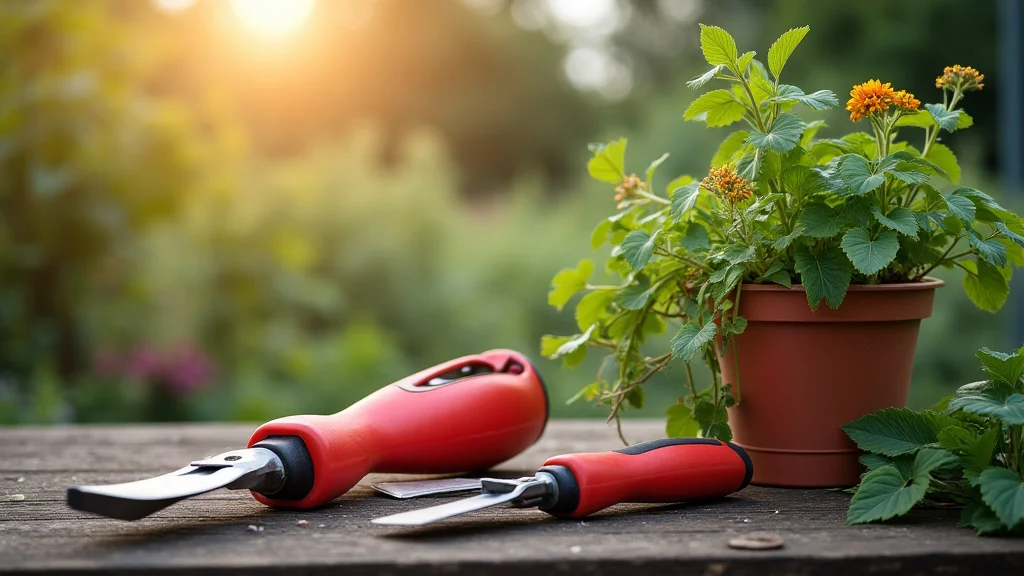
Remember that time you tried to identify a tool from your grandfather’s shed? Or maybe you were browsing online, completely lost in a sea of trowels and cultivators? Finding the right gardening tools pictures can be tricky. This post cuts through the jargon and shows you exactly what each tool is for. You’ll learn the names, uses, and even some fun facts about essential gardening tools pictures to get your garden growing beautifully. By the end, you’ll be able to identify any tool, making your gardening experience smoother and more enjoyable. Get ready to transform your gardening skills!
Key Takeaways
- You will learn the names and uses of common gardening tools.
- You’ll understand the different types of tools for specific gardening tasks.
- You’ll discover how to choose the right tools for your garden size and needs.
- You’ll find tips on maintaining your tools for long-lasting use.
- You’ll explore the best online resources for more gardening tool information.
- You can be inspired by beautiful pictures of gardening tools and techniques.
Essential Gardening Tools for Beginners
Starting a garden can feel overwhelming, but the right tools make all the difference. Think of your tools as your allies in the battle against weeds and the quest for vibrant blooms. It’s like having the perfect set of paintbrushes when you’re starting to paint. This section breaks down the must-have tools for new gardeners. From digging to planting, we’ll cover the tools that will make gardening a joy.
Hand Trowel
The hand trowel is a small, handheld shovel, often made of stainless steel or plastic. It’s used for various tasks, making it a very versatile tool. Using the hand trowel allows for precision work, such as digging small holes for planting seedlings, transplanting small plants, or scooping up soil. It’s excellent for working in tight spaces and raised beds. A good trowel feels comfortable in your hand and has a sturdy blade to handle different soil types. Trowels also help spread fertilizer or compost around the base of plants. Using a trowel, a gardener can easily create the perfect environment for plants to thrive.
- Planting Seedlings: The trowel is the perfect size for digging holes for small plants and starting seedlings, ensuring roots have room to spread.
- Transplanting: When moving small plants from one place to another, the trowel helps to carefully lift the plants and their roots.
- Weeding: A trowel is helpful in removing weeds by getting underneath them and carefully pulling them out, root and all.
- Mixing Soil: The trowel is useful for mixing compost or fertilizer with the soil.
This precision allows gardeners to place each plant carefully, giving each the best chance to grow.
This lessens the disruption to the plant and makes it easier for it to adjust to its new location.
A good trowel prevents the roots from being left behind, ensuring the weed will not grow back.
By blending the soil, a trowel guarantees that the nutrients are evenly distributed, promoting better plant growth.
Hand Fork
The hand fork, often called a garden fork, is a smaller version of the digging fork. This tool features several tines and is designed for loosening soil, removing small weeds, and working in narrow spaces. It is typically made of steel. Its small size makes it perfect for tasks in pots, raised beds, or tight corners where a larger fork is too bulky. It also aerates the soil, allowing air, water, and nutrients to reach plant roots. The hand fork, used correctly, provides the right conditions for healthy plant growth and a well-maintained garden.
- Loosening Soil: A hand fork is great for gently loosening compacted soil.
- Weed Removal: The fork can be used to dig out weeds.
- Working in Containers: The hand fork fits easily into pots and containers, making it easy to turn the soil.
- Blending Compost: Use the hand fork to blend compost or other soil amendments into the existing soil.
Loosening soil improves drainage and makes it easier for roots to spread, leading to healthier plants.
This helps to remove weeds, preventing them from taking nutrients away from your plants.
This ensures that the soil stays well-aerated and nutrient-rich, encouraging strong plant growth.
A hand fork makes it easy to integrate the compost into the soil, creating a healthier environment for plant roots.
Gardening Gloves
Gardening gloves protect your hands from dirt, thorns, and other hazards while you’re working in the garden. They come in various materials, including leather, cotton, and synthetic fabrics, each offering different levels of protection and breathability. Choosing the right gloves is key to gardening comfortably. Gloves protect your skin from scratches, blisters, and potential irritants. Gloves also increase grip, making it easier to hold tools and handle plants. The simple act of putting on gardening gloves can turn your hands into a force field.
- Protection from Thorns: Sturdy gloves shield your hands from thorns when handling roses or other thorny plants.
- Protection from Irritants: Gloves protect against soil-borne irritants and chemicals.
- Increased Grip: Gloves increase grip, making it easier to hold tools and plants.
- Comfort and Warmth: Gloves keep your hands warm and comfortable.
This reduces the chance of painful scratches and helps you work confidently.
Gloves prevent skin irritation, rashes, and allergic reactions from contact with plants or soil.
With better grip, gardeners can perform tasks more easily.
This allows gardeners to work longer and stay comfortable in cooler conditions.
Tools for Soil Preparation
Proper soil preparation is the secret to a thriving garden. Good soil structure allows roots to spread easily, and ensures that plants can access water and nutrients. This section will explore the tools that help prepare your soil to create a perfect environment for plants. The right tools can make soil preparation simple and enjoyable, turning the soil into a healthy foundation for plant life. With these tools, you can ensure your plants get the best possible start.
Garden Fork
A garden fork is a long-handled tool with four or more tines. It is used to turn over, loosen, and aerate soil. Garden forks are more effective than shovels for breaking up clumps and improving drainage. The tool can be used to incorporate compost or other organic matter into the soil. Choose a fork with strong tines and a comfortable handle. A well-prepared garden bed ensures roots have access to everything they need to grow, leading to healthier and more productive plants. A garden fork is an investment that makes a big impact.
- Turning Over Soil: A garden fork is used to turn over the soil in beds.
- Loosening and Aerating: Forks help to loosen and aerate the soil.
- Mixing in Amendments: The fork helps to mix compost, manure, or other soil amendments.
- Removing Debris: The fork can be used to remove rocks, roots, and other debris.
This process breaks up compacted soil and prepares the beds for planting.
Loosening soil lets air, water, and nutrients reach plant roots, resulting in stronger growth.
Incorporating amendments improves soil fertility and structure.
Removing debris clears the way for planting and encourages a healthy garden bed.
Shovel
A shovel is another essential tool for soil preparation, featuring a long handle and a broad blade. Shovels are used for a variety of tasks, from digging holes and trenches to moving soil and other materials. They come in different designs, including round-point and square-point shovels, each suited for specific tasks. Shovels are made of metal, like steel, or heavy-duty plastic, with ergonomic handles for ease of use. A shovel is a good tool for digging planting holes, moving compost, or shaping garden beds.
- Digging Holes: Use a shovel to dig holes for planting trees, shrubs, and large perennials.
- Moving Soil: Shovels can be used to move soil, compost, and other materials.
- Creating Beds: Use a shovel to create new garden beds or to edge existing ones.
- Mixing Materials: The shovel assists in mixing compost or other soil amendments.
Digging holes allows you to plant each plant at the correct depth, helping with root growth.
This process makes it easier to distribute materials.
Proper edging gives a garden a more defined and maintained look.
Mixing ensures all components blend, creating a better environment for plant life.
Hoe
A hoe is a long-handled tool with a flat blade, perfect for various soil preparation tasks. Hoes are great for weeding, cultivating soil, and creating planting furrows. Many different types of hoes exist, including the draw hoe, the scuffle hoe, and the Warren hoe, each suitable for different tasks. Hoes help to eliminate weeds. A good hoe should have a sharp blade. The right hoe can make soil preparation and maintenance a simple task.
- Weeding: A hoe removes weeds easily.
- Cultivating Soil: Hoes cultivate the top layer of soil, loosening the surface.
- Creating Furrows: A hoe can create rows in the soil.
- Preparing Seedbeds: Use a hoe to prepare seedbeds by removing debris and smoothing the soil.
Weeding prevents competition for nutrients, promoting better plant growth.
Cultivating improves soil aeration and helps with water absorption.
Furrows help with the planting of seeds or transplanting seedlings, ensuring they are planted at the proper depth.
A clean and smooth seedbed makes it easier to sow seeds and promotes good germination rates.
Watering and Irrigation Tools
Watering is the backbone of any successful garden, providing the essential liquid for plant growth. Proper irrigation methods prevent both underwatering and overwatering, which are the main causes of plant-related issues. From watering cans to sprinklers, the right tools make this important task both easier and more effective. Efficient watering ensures that your plants stay healthy and your garden stays thriving. Investing in good watering tools saves time and helps create a healthy garden.
Watering Can
A watering can is a simple yet essential tool for every gardener, especially for those with small gardens or container plants. Typically made of plastic or metal, watering cans come in different sizes, from small ones designed for houseplants to larger ones for outdoor use. They usually have a spout with a rose (a sprinkler head) at the end, which gently distributes water. Using a watering can provides a gentle, controlled watering solution. Choose a watering can that is comfortable to carry, with a spout design that directs water where you need it.
- Targeted Watering: Watering cans allow you to direct water to the base of plants.
- Gentle Application: The rose on the spout spreads the water gently.
- Portability: Watering cans are easy to carry around the garden.
- Controlled Usage: It helps control the amount of water each plant gets.
Targeted watering delivers water directly to the plant’s roots, reducing water waste.
This avoids disturbing the soil or damaging delicate plants or seedlings.
This makes watering individual plants in different locations easy and efficient.
This helps to prevent overwatering or underwatering.
Garden Hose
A garden hose is an essential tool for watering larger gardens. Typically made of rubber or vinyl, garden hoses come in various lengths and diameters, allowing you to reach different areas. They can be attached to a variety of attachments, such as spray nozzles and sprinklers, providing versatility in watering methods. A good hose should be flexible, durable, and resistant to kinks. This is a very useful tool for watering large areas, making it easier to keep your plants properly hydrated. A good hose can make watering a less time-consuming chore.
- Watering Large Areas: A garden hose allows you to reach plants across your yard.
- Attachment Versatility: Hoses can be fitted with nozzles and sprinklers.
- Quick Watering: A hose makes watering your garden efficient.
- Easy to Control: By attaching spray nozzles, you can control the water flow.
The garden hose is helpful in watering areas that a watering can cannot reach.
Different attachments allow you to customize your watering.
Hoses can be used for watering large areas in a shorter time, saving energy.
This helps regulate water flow to plants.
Sprinkler
A sprinkler is a device that distributes water over a wide area, mimicking natural rainfall. Sprinklers come in various types, including oscillating, rotating, and stationary sprinklers. They connect to a garden hose and are a simple way to irrigate lawns, flower beds, and other large areas. Choose a sprinkler based on your garden size, shape, and water pressure. Sprinklers help conserve water by distributing water evenly. A sprinkler provides consistent watering.
- Wide Coverage: Sprinklers provide broad coverage, watering lawns and gardens.
- Automatic Watering: You can set some sprinklers on timers.
- Even Distribution: Sprinklers distribute water evenly.
- Water Conservation: Sprinklers are useful for water conservation.
This helps ensure that all plants receive enough water.
This helps to automate watering and saves time and energy.
This prevents overwatering and underwatering, resulting in healthier plants.
With careful use, sprinklers can help you use water wisely.
Pruning and Cutting Tools
Pruning is essential for plant health and appearance, helping to stimulate growth, shape plants, and remove diseased or damaged parts. The right pruning tools, designed for different tasks, make this process more efficient and less stressful for the plants. This section explores the tools needed to keep your plants thriving. Pruning promotes healthier plants. With the right tools and techniques, you can keep your plants flourishing.
Hand Pruners (Secateurs)
Hand pruners, also known as secateurs, are small, handheld shears used for cutting stems, branches, and deadheads up to about an inch in diameter. They come in two main types: bypass and anvil pruners. Bypass pruners make clean cuts, and anvil pruners are better for deadwood. Choosing the right pruners for the task ensures clean, precise cuts. Well-maintained hand pruners help shape plants, and remove dead or damaged growth. These are the workhorses of any garden pruning kit.
- Deadheading: Hand pruners are used to remove dead flower heads.
- Shaping Plants: Pruners shape plants and shrubs to maintain their desired form.
- Cutting Stems: Hand pruners easily cut through stems for propagation.
- Precise Cuts: Pruners provide precise cuts.
Deadheading promotes the growth of new flowers and maintains the appearance of your plants.
This helps plants to be visually pleasing.
Cutting the stems promotes better plant health.
Precise cuts are important for plant health and disease prevention.
Loppers
Loppers are long-handled pruning tools used to cut thicker branches that are too large for hand pruners. Typically made with bypass blades, loppers provide leverage, allowing you to cut branches up to 2 inches in diameter. They come in various lengths, giving you reach. The long handles of loppers reduce strain on your back and arms. Loppers are a key tool for removing dead branches or shaping shrubs. Loppers make it easy to prune larger branches.
- Cutting Thick Branches: Loppers are used to cut branches that are too thick.
- Reaching High: Loppers help you reach high branches.
- Easy Leverage: The long handles provide leverage.
- Shaping Shrubs: Loppers help to shape shrubs by removing excess growth.
This clears away deadwood and keeps plants healthy.
Loppers allow you to prune branches out of reach, improving airflow and light penetration.
Leverage makes it easier to cut through thick branches.
Shaping shrubs keeps them looking their best.
Pruning Saw
A pruning saw is designed to cut through larger branches that are beyond the reach of loppers. These saws have narrow blades with sharp teeth. Pruning saws come in various forms, including folding saws and pole saws. They make quick work of branches and are essential for removing dead or diseased limbs. Choosing the right saw can make difficult pruning tasks easier. A well-maintained pruning saw ensures clean cuts, promoting plant health. The pruning saw ensures the health of your trees.
- Cutting Large Branches: Pruning saws easily cut through branches that are too big for loppers.
- Clean Cuts: Saws make clean cuts.
- Safety: Using a pruning saw keeps your hands away from branches.
- Tree Health: Saws can remove diseased or damaged limbs.
Removing these branches improves the tree’s health and appearance.
Clean cuts help prevent disease and promote quick healing.
This helps you work safely and accurately.
Removing damaged limbs helps to prevent the spread of disease.
Other Useful Gardening Tools
Beyond the core essentials, a few more tools can significantly enhance your gardening experience. These tools may not be necessary for every gardener, but they can make specific tasks easier and more efficient. These tools allow you to explore different types of gardening. Each tool serves its unique purpose, making your gardening activities more enjoyable and productive.
Wheelbarrow
A wheelbarrow is a two-wheeled or one-wheeled cart used for transporting soil, compost, plants, tools, and other garden materials around your yard. It’s an invaluable tool for gardeners with larger areas or those who do a lot of heavy lifting. Wheelbarrows come in different sizes and materials. A wheelbarrow makes moving large quantities of materials much easier. A wheelbarrow can save time and energy.
- Transporting Materials: Wheelbarrows help you transport soil, mulch, compost, plants, and tools.
- Managing Heavy Loads: It makes it easier to manage heavy loads.
- Working Efficiency: Using a wheelbarrow improves working efficiency.
- Versatility: Wheelbarrows have many uses.
You can move materials with ease, reducing the physical strain on your body.
The wheelbarrow supports and balances the weight, so you can move materials easily.
This is extremely useful when doing a lot of work.
You can use your wheelbarrow for a variety of tasks.
Garden Kneeler and Seat
A garden kneeler and seat can bring comfort and support to gardeners during extended periods of work. These tools can be used in two ways. You can use it as a bench to sit on while you work. When flipped over, it can be used as a kneeling pad. Many kneelers come with storage pouches for tools, providing quick access. A garden kneeler and seat protects the knees and back. It can reduce strain.
- Knee Support: Garden kneelers provide padded support for your knees.
- Back Support: You can use a bench for support.
- Tool Storage: Many models come with tool pouches.
- Comfort: The garden kneeler and seat offers more comfort.
Kneelers reduce strain while working.
This helps to reduce strain.
Tool pouches keep tools handy.
Comfort allows you to work longer.
Weed Puller
A weed puller is a tool designed to remove weeds from your lawn and garden. It typically features a long handle with a forked or clawed head. Weed pullers are easy to use. The head is pushed into the ground around the weed. The weed can then be pried out from the roots. Weed pullers help get rid of weeds without harsh chemicals. It can save a lot of time. Weed pullers keep your garden weed-free.
- Weed Removal: It pulls weeds.
- Easy to Use: The weed puller makes weeding easy.
- Root Removal: Weed pullers remove weeds from the roots.
- Environmentally Friendly: Weed pullers are environmentally friendly.
This helps remove weeds and prevents them from spreading.
With an easy design, weeding becomes less of a chore.
They help prevent weeds from coming back.
They avoid the need for harsh chemicals.
How to Select the Right Gardening Tools
Choosing the right gardening tools is crucial for both your gardening success and your comfort. Consider the size of your garden, the types of plants you will be growing, and your physical abilities. Start with the basics and expand your collection. When choosing tools, it is best to consider what kind of gardening you will be doing. With these factors in mind, you can choose tools that will make gardening a pleasant experience.
Consider Your Garden Size
The size of your garden will play a big role in your tool selections. A small balcony garden might only need a few hand tools, such as a trowel, hand fork, and watering can. Larger gardens will require larger tools, such as shovels, hoes, and wheelbarrows. Larger gardens can also require more specialized tools. Consider your space before choosing tools.
- Small Gardens: Small gardens require a trowel and a small hand fork.
- Medium Gardens: Medium gardens need a shovel, a hoe, and a garden hose.
- Large Gardens: Large gardens need more specialized tools.
- Storage: Think about storage when choosing your tools.
These smaller tools are best for container gardening.
These tools are great for managing larger spaces.
Larger gardens benefit from tools, such as a wheelbarrow.
Smaller tools are easier to store.
Think About the Types of Plants You Will Grow
The types of plants you grow will affect the type of tools you will need. If you are mainly growing flowers, hand pruners, and a watering can might be sufficient. If you are growing vegetables, you might need a hoe, a shovel, and a garden fork to manage the soil. Trees will require loppers and pruning saws. Consider what plants you will grow before choosing your tools.
- Vegetable Gardens: Use hoes and shovels for soil preparation.
- Flower Gardens: Pruners and watering cans are ideal tools.
- Tree Planting: For trees, loppers and saws are key.
- Specialized Plants: Some plants require specific tools.
You can use these tools to maintain your vegetables.
These are the best tools for taking care of flowers.
These tools will help you care for trees.
You may need specialized tools for those plants.
Consider Your Physical Abilities
Gardening tools should be comfortable and easy to use. If you have mobility issues, a long-handled tool or a garden kneeler might be necessary. Consider the weight and grip of the tools. Choose tools with ergonomic handles that reduce strain on your body. Remember to choose tools that fit your needs and that you find comfortable. Gardening tools should be easy to use.
- Long Handles: Long-handled tools reduce the need to bend over.
- Lightweight Tools: Choose tools that are lightweight.
- Ergonomic Handles: Look for ergonomic handles.
- Garden Kneelers: Consider garden kneelers and seats.
These are helpful if you have back issues.
Lightweight tools are best to use if you have mobility issues.
Ergonomic handles reduce strain.
These provide support.
Gardening Tools: Maintenance and Care
Proper maintenance and care will ensure your gardening tools last for years. Regularly clean and sharpen your tools. Tools that are properly maintained are safe and efficient. Simple maintenance tasks can make a big difference in how your tools perform and how long they will last. By taking good care of your tools, you will improve your gardening experience.
Cleaning Your Tools
Cleaning your tools after each use helps remove dirt, sap, and other debris that can lead to rust or damage. Use a stiff brush or a putty knife to remove dirt and then wash the tools with soap and water. Drying your tools thoroughly prevents rust from forming. Regular cleaning will keep your tools in top shape and make them last. Regularly clean your tools to make them last a long time.
- Brush Dirt: Brush off dirt.
- Wash with Soap and Water: Wash tools with soap and water.
- Dry Thoroughly: Always dry your tools.
- Store in a Dry Place: Store tools in a dry place.
Brushing removes dirt that may cause damage.
Washing your tools with soap and water keeps your tools clean.
Drying your tools prevents rust.
This is crucial for keeping your tools in good condition.
Sharpening Blades
Sharpening the blades of your tools ensures they cut efficiently and safely. Use a file or a sharpening stone to sharpen blades. The angle depends on the tool type. Regularly sharpen your tools to keep them at their best. Sharpening blades improves safety. Sharpening blades makes your tools more effective.
- Use a File or Stone: Use a file or stone.
- Maintain the Correct Angle: Keep the angle correct.
- Sharpen Regularly: Sharpen your blades regularly.
- Check for Damage: Check your tools for damage.
These are the best tools for sharpening blades.
The correct angle makes the tool more effective.
Regular sharpening ensures the tools perform as intended.
This ensures you are using them safely.
Proper Storage
Storing your tools correctly will protect them from the elements and keep them organized. Hang tools on a wall or store them in a shed. Keep them out of direct sunlight and moisture. Store tools in a dry location. Using storage will keep your tools organized. Correct storage will help keep them in good condition.
- Store Indoors: Keep tools inside.
- Hang on a Wall: You can hang your tools.
- Use a Shed: A shed is perfect for storing your tools.
- Avoid Moisture: Avoid moisture.
This protects your tools from the elements.
Hanging your tools will help with organization.
Sheds protect your tools from sunlight.
Make sure your tools are kept dry.
Where to Find Gardening Tools Pictures
Finding quality gardening tools pictures can be a helpful way to learn about the various gardening tools available. Searching online resources will improve your gardening knowledge. Online resources offer many details about gardening. You can gain inspiration for your own garden with these resources. These resources provide visuals and detailed information.
Online Retailers
Many online retailers have high-quality gardening tools pictures on their websites. These can be helpful in identifying tools and comparing different products. Many online retailers use detailed photographs and videos to showcase their tools. These pictures are great resources for gardeners of all experience levels. These resources help shoppers better evaluate their options. Browse these retailers to find images that will help you in your gardening endeavors.
- Large Retailers: Check the websites of major retailers.
- Specialty Stores: Explore specialty gardening stores.
- Product Pages: Look at product pages.
- User Reviews: Take a look at user reviews.
These sites typically offer many visuals of gardening tools.
These can provide more specific tools.
These pages usually have clear images.
User reviews help to identify the tools that are the best.
Gardening Blogs and Websites
Gardening blogs and websites are wonderful resources for high-quality gardening tools pictures. They often feature reviews and guides. Many bloggers create detailed image galleries that help gardeners explore tools. These sites often include information that’s specific to gardening tools. These sites can provide inspiration for your gardening projects. These sites combine imagery and information.
- Review Websites: You can see reviews.
- Tutorials: Blogs include tutorials.
- Image Galleries: Look at the galleries.
- Recommendations: Blogs often make recommendations.
Review websites often use images.
You can learn more about how to use the tools.
These image galleries will give you great visuals.
This will help you find the best tools.
Social Media
Social media platforms are great places to find gardening tools pictures and gain insight from other gardeners. Follow gardening accounts to see a wide range of tools. You can view user-generated content, which gives you different insights. Social media also provides an opportunity to see how other gardeners use their tools. Social media connects you with other gardeners. You can gather ideas from many sources on these sites.
- Follow Gardening Accounts: Follow your favorite gardening accounts.
- Explore Hashtags: Explore hashtags.
- Join Gardening Groups: Join gardening groups.
- Engage with Users: Engage with other users.
These accounts regularly provide images.
Hashtags will help you to find what you are looking for.
Gardening groups will give you ideas and advice.
You can learn a lot from other gardeners.
Frequently Asked Questions
Question: What are the essential gardening tools for beginners?
Answer: Essential tools for beginners include a hand trowel, hand fork, gardening gloves, watering can, and a small hand shovel. These tools cover the basic needs of planting, weeding, and watering, making them perfect for new gardeners.
Question: How do I choose the right size of garden hoe?
Answer: Select a hoe based on your needs and garden size. A draw hoe is great for weeding, while a scuffle hoe is great for light cultivation. The Warren hoe is best for making rows for planting. If you have a small garden, a smaller hoe is fine.
Question: What are the benefits of using a hand pruner versus loppers?
Answer: Hand pruners (secateurs) are best for small stems and branches up to an inch in diameter, perfect for deadheading and shaping. Loppers, with longer handles and a larger blade span, provide the leverage needed for thicker branches, typically up to 2 inches, and are ideal for pruning shrubs and small trees.
Question: How do I maintain my gardening tools to prevent rust?
Answer: Clean your tools after each use to remove dirt, sap, and other debris. Wash them with soap and water, then dry them thoroughly. Store your tools in a dry, covered area like a shed or garage to keep them away from moisture. You can also apply a thin layer of oil to metal parts to protect them from rust.
Question: Where can I find advice on using specific gardening tools?
Answer: Gardening blogs, YouTube channels, and websites often offer detailed tutorials and how-to guides for using specific gardening tools. Search for tutorials on the tools you are interested in, and look for guides with pictures. Many retailers also provide product information. Gardening books are also helpful.
Final Thoughts
The right gardening tools pictures can transform your gardening tasks from a chore into a joy. Whether you’re just starting or looking to enhance your toolkit, understanding the purpose and use of each tool can elevate your skills. This detailed guide has covered a wide range of tools, from essential hand tools to more specialized options, helping you select the perfect ones. The insights you’ve gained can help you better prepare your garden, water, and prune with ease. Now, take what you’ve learned and start exploring the world of gardening tools pictures. With the right knowledge and tools, you can create the garden you always dreamed of. Happy gardening!