
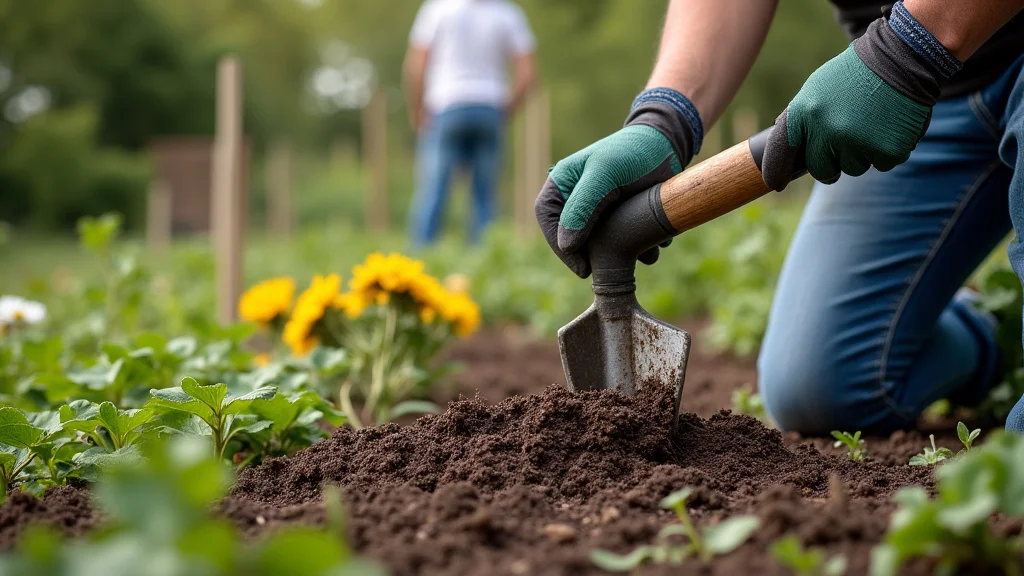
Remember that time your neighbor offered you fresh tomatoes, and all you could think was, “I wish I had a garden”? Well, you’re not alone. Many of us dream of fresh herbs, vibrant flowers, and the satisfaction of growing our own food. The first step, though, can seem a little overwhelming. But don’t worry! This guide will provide you with a comprehensive yard tools list for gardening, breaking down everything you need to get started. From essential hand tools to helpful power equipment, we’ll cover it all, making the process simple and enjoyable. You’ll gain practical knowledge about each tool, learn how to use them effectively, and discover which tools are best suited for your specific gardening needs. This information will help you cultivate your green space and enjoy the fruits (and vegetables!) of your labor.
Key Takeaways
- You’ll learn about the essential hand tools for various gardening tasks.
- Understand the purpose and benefits of different types of power equipment.
- Discover how to choose the right tools based on your garden’s size and needs.
- Get tips on tool maintenance for longevity and optimal performance.
- Learn how to plan and prepare your garden space effectively.
- Gain confidence to begin your gardening adventure with the right equipment.
Essential Hand Tools for Your Yard
Before you get into the more elaborate equipment, let’s start with the basics. Having the right hand tools is the foundation of any successful gardening endeavor. They’re your first line of defense against weeds, your helping hand when planting, and your companions in nurturing your plants. These tools are the building blocks of a thriving garden and you will rely on them the most. A quality set of hand tools will be comfortable to use and durable enough to withstand the rigors of gardening.
The Trowel and Its Many Uses
The trowel is a small, handheld shovel with a curved blade and a comfortable handle. It’s one of the most versatile tools in your arsenal. Think of it as your all-purpose tool for a variety of tasks. With a trowel, you can easily plant seedlings, transplant small plants, dig small holes for bulbs, and scoop out weeds. The size and shape make it ideal for working in tight spaces and raised beds. A good trowel should be made from durable materials like stainless steel to withstand rust and bending. Look for a handle that fits comfortably in your hand to avoid fatigue, especially when working on a larger gardening project. This tool is a gardening must-have.
- Planting Seedlings: Using the trowel, you can dig a hole that perfectly fits the root ball of your seedling, giving it the best possible start.
- Transplanting Small Plants: If you need to move a small plant from one location to another, the trowel helps you gently lift it with its roots intact.
- Weeding: Trowels are great for digging up weeds, especially those with taproots. You can get under the weed’s roots and lift them out without damaging surrounding plants.
- Mixing Soil: The trowel is useful for mixing in compost or other soil amendments in small areas or containers.
Real-life example: Sarah started her small herb garden using only a trowel. She used it to plant, weed, and even mix the soil. Her herbs thrived! The simple trowel allowed her to easily manage her little plot.
The Hand Fork: Loosening and Aerating
A hand fork is a smaller version of a garden fork, with three or four tines. It’s designed for a variety of tasks, particularly for loosening the soil and aerating around plant roots. This tool is beneficial for plants, because it improves drainage and allows roots to breathe and absorb nutrients more efficiently. The hand fork is lightweight and easy to maneuver, making it perfect for smaller gardens, raised beds, and container gardening. Choosing a hand fork with sturdy tines is essential, because these tools need to handle tougher soils, especially if they are compacted. Hand forks are also handy for removing stones and rocks, and mixing compost into the soil. In addition, you can use a hand fork to gently break up soil clumps and make them easier to work.
- Loosening Soil: Use the hand fork to gently break up compacted soil in planting beds, making it easier for roots to spread.
- Aerating Around Roots: Carefully work the hand fork around the roots of plants to allow air and water to reach them more effectively.
- Weeding in Compacted Soil: Hand forks help pry out weeds from difficult spots, especially in heavily compacted areas.
- Mixing Amendments: You can use a hand fork to gently blend compost, fertilizer, or other soil amendments into your planting beds.
According to a survey by the National Gardening Association, 80% of gardeners say aerating their soil with a hand fork significantly improved their plant growth.
The Weeder: Weed-Busting Weapon
A weeder, often a long, narrow tool with a forked or hooked end, is specifically designed for removing weeds, particularly those with deep roots. Weeders are useful for tackling those stubborn weeds that have established themselves in your garden beds. The hooked or forked end helps you get beneath the roots, allowing you to lift the entire weed out of the ground. This tool is valuable because it minimizes disruption to surrounding plants. The length of a weeder’s handle can vary, but a longer handle may be preferable for minimizing strain on your back, which is beneficial if you are working on a large garden. Always remember to weed when the soil is moist for easier extraction.
- Deep-Rooted Weeds: The weeder is perfect for tackling dandelions, thistles, and other weeds with long taproots.
- Weeding Around Plants: Use it to carefully remove weeds that are close to your desirable plants without disturbing them.
- Ease of Use: The design allows you to target weeds easily and efficiently, reducing the amount of time you spend weeding.
- Prevents Re-Sprouting: By getting the entire root out, you reduce the chances of the weed growing back.
Sample scenario: Imagine you have a bed of roses, but dandelions are starting to take over. Using your weeder, you can carefully remove those weeds, ensuring your roses get the sunlight, water, and nutrients they need.
Essential Gardening Tools
Hand tools are an excellent starting point, but as your gardening grows, you may discover a need for larger tools. Expanding your yard tools list for gardening to include long-handled tools and some power equipment is a smart move. They help you tackle larger areas, reduce physical strain, and make a lot of tasks much more efficient. These tools enable you to prepare soil, plant large quantities of plants, and maintain your garden. Investing in durable, high-quality tools that are designed to last will provide you with years of gardening success.
Garden Hoe: Versatility in Soil Preparation
A garden hoe is a long-handled tool with a flat, bladed head. It is commonly used for a variety of tasks, including cultivating the soil, removing weeds, and creating furrows for planting. This tool is an essential addition for large planting areas. Different styles of garden hoes are designed for specific tasks. For instance, the “draw hoe” is best for pulling soil toward you, while the “stirrup hoe” is great for slicing weeds just below the surface. A hoe is also very effective in preparing the soil for planting by breaking up clumps and leveling the surface. When selecting a hoe, consider the length of the handle and the weight. A well-balanced hoe that is the correct length will help minimize back strain.
- Weeding: Use the hoe to slice off weeds at the soil surface, preventing them from taking root.
- Soil Preparation: Use it to break up soil clumps, level the ground, and create furrows for planting seeds or seedlings.
- Cultivating: Turn over the top layer of soil to aerate it and eliminate weeds.
- Hilling: Use the hoe to mound soil around the base of plants like potatoes or tomatoes.
Case study: A homeowner decided to create a large vegetable patch. A garden hoe helped him prepare the soil efficiently. This led to a larger and more productive garden.
Garden Fork: Turning the Soil
A garden fork, typically a long-handled tool with four or more tines, is designed for turning, lifting, and aerating the soil. This tool is often used when preparing planting beds, breaking up compacted soil, and incorporating organic matter. A garden fork enables you to work larger areas more efficiently. When turning the soil, the garden fork helps improve drainage and oxygenation, which is beneficial for plant health. To select a garden fork, focus on a model that is the right size and has a handle that is comfortable. A sturdy fork can handle challenging soil conditions. If you choose wisely, you will have a long-lasting and reliable tool.
- Turning Soil: Use the fork to turn over soil, especially in the spring, to prepare it for planting.
- Incorporating Compost: Mix compost, manure, or other organic matter into the soil to improve its fertility.
- Breaking Up Clods: Garden forks are great for breaking up large clumps of soil.
- Aerating Soil: The fork helps to aerate the soil, which increases drainage and allows roots to breathe.
Rake: Leveling and Debris Removal
A garden rake is a long-handled tool with a horizontal row of tines, used primarily for leveling soil, removing debris, and gathering leaves. This tool is essential for both garden preparation and maintenance. During planting, the rake can be used to smooth the soil surface after turning it with a fork or hoe. When it comes to debris removal, the rake is essential for tidying up fallen leaves, small twigs, and other garden waste. Choose a rake that is the proper size and is comfortable to use. A rake with a metal head is more suitable for heavier tasks, while a plastic head is beneficial for more delicate jobs. A rake is a fundamental tool for all garden types.
- Leveling Soil: Use the rake to smooth the surface of planting beds before sowing seeds or transplanting seedlings.
- Removing Debris: Gather leaves, twigs, and other garden debris.
- Preparing Seedbeds: The rake prepares a fine, even surface for planting.
- Mulch Distribution: Use it to spread mulch evenly across your garden beds.
According to the University of California, raking your garden beds helps to remove potential habitats for pests and diseases, keeping your plants healthier.
Power Equipment for Efficient Gardening
As your garden grows, you may discover that hand tools alone are no longer enough. The addition of power equipment can greatly increase efficiency, particularly in larger gardens. These tools are designed to streamline tasks like tilling, mowing, and even watering. While power equipment involves an initial investment, the time saved and the increased productivity make it a beneficial choice for serious gardeners. Power equipment is essential for anyone who wants to spend less time working and more time enjoying their garden.
Rototiller: Soil Preparation Made Easy
A rototiller, often referred to as a tiller, is a motorized machine with rotating blades designed to break up and aerate the soil. This tool dramatically speeds up soil preparation, making it an indispensable item for large gardens or areas with heavy clay soil. It cuts down on manual labor, allowing you to prepare large planting areas much faster than using hand tools. The rototiller works by churning the soil, incorporating organic matter, and creating a loose, well-aerated seedbed. There are both front-tine and rear-tine tillers, each suitable for different tasks and garden sizes. Front-tine tillers are more compact and better for smaller gardens, while rear-tine tillers offer more power and are ideal for larger areas. When selecting a rototiller, think about the size of your garden and the type of soil you have. Also, consider the storage space you have available.
- Soil Aeration: The rotating blades loosen and aerate the soil, which is essential for healthy root growth.
- Weed Control: Tilling the soil helps to eliminate existing weeds and prevent future growth.
- Incorporating Organic Matter: Tillers help to mix compost, manure, and other amendments into the soil for improved fertility.
- Preparing Seedbeds: Creates a fine, loose soil perfect for planting seeds or transplanting seedlings.
Sample scenario: You have a large plot where you want to plant a vegetable garden. Instead of spending hours using a fork, a rototiller makes the task quick and simple. You can transform a large patch of grass into a thriving vegetable garden in just a couple of hours.
Lawn Mower: Keeping Your Lawn in Shape
A lawn mower is a motorized machine designed to cut grass to a uniform height, which is essential for maintaining a tidy lawn. The lawn mower comes in various types, including push mowers, riding mowers, and robotic mowers. These options provide a range of advantages for different needs. Push mowers are ideal for small lawns. Riding mowers are best for larger properties. Robotic mowers are fully automated and offer a ‘set it and forget it’ option. Regular mowing keeps the grass healthy and prevents weeds from taking hold. The mower’s height adjustment and type (electric, gas, or battery-powered) should be considered. Proper lawn mowing helps you have a beautiful lawn.
- Grass Cutting: Keeps your lawn neat and at the right height.
- Weed Control: Regular mowing prevents weeds from getting a foothold.
- Healthier Lawn: Promotes healthy grass growth by allowing the plants to get more sunlight and air.
- Aesthetics: Creates a tidy and appealing look for your outdoor space.
String Trimmer/Weed Whacker: Edge and Detail Work
A string trimmer, also known as a weed whacker or edge trimmer, is a motorized tool that uses a rotating string to cut grass and weeds, especially in areas where a lawn mower cannot reach. This tool is beneficial for edging around flower beds, trees, and fences, and for trimming weeds in hard-to-reach places. These tools are essential for achieving a clean and well-maintained look. String trimmers come in electric (corded or battery-powered) and gas-powered models. Electric trimmers are better for smaller yards. Gas trimmers are beneficial for large properties. When you are picking a string trimmer, focus on the weight, balance, and type of cutting line. These factors affect the tool’s ease of use and cutting performance. The right string trimmer provides precision control, improving your lawn’s aesthetics.
- Edge Trimming: Create clean, defined edges around lawns, flower beds, and walkways.
- Weed Removal: Cut down weeds in areas the lawn mower can’t reach.
- Precision Work: Great for detail work around trees, shrubs, and other garden features.
- Ease of Use: Lightweight and easy to maneuver, making trimming a simpler task.
A survey by the American Society for Horticultural Science found that using a string trimmer can reduce hand-weeding time by up to 60%.
Choosing the Right Tools for Your Gardening Needs
Choosing the right tools for your garden can be an exciting process. The tools you choose should always depend on the size of your garden, the type of plants you intend to grow, and how much time you are willing to spend on maintenance. Knowing your garden and its needs will help you pick the right tools that enable you to maximize your gardening experience. You will quickly learn what is effective for you.
Garden Size and Type
The size and type of your garden are critical factors when it comes to tool selection. A small balcony garden or container garden only needs a few essential hand tools, like a trowel, a hand fork, and a watering can. For a medium-sized garden with raised beds and some planting areas, you might need a long-handled hoe, a rake, and a watering system. For large gardens, vegetable patches, or extensive flowerbeds, power equipment like a rototiller and a lawn mower become useful investments, because they help with labor. The type of garden, whether it is a vegetable garden, a flower garden, or a combination, impacts the tools you need. Vegetable gardens often require a hoe for weeding and row cultivation, while flower gardens may benefit more from specialized pruning tools. The correct tool choice ensures your garden has the correct equipment.
- Small Gardens: A trowel, hand fork, and hand weeder are generally all you’ll need.
- Medium Gardens: Add a long-handled hoe, rake, and perhaps a small watering system.
- Large Gardens: Power equipment like a rototiller and lawn mower will save time and effort.
- Vegetable Gardens: Consider a hoe for weeding and cultivating rows.
Plant Types and Gardening Goals
The types of plants you intend to grow significantly impact your tool requirements. If you intend to grow vegetables, you may need tools to support specific needs. Growing tomatoes may require a staking tool, while growing herbs benefits from a good pair of pruning shears. For flower gardens, pruners and specific tools for deadheading and shaping are helpful. If you focus on a mix of flowers, vegetables, and shrubs, you should have a good range of hand tools, including a trowel, a hand fork, and a weeding tool. Pruning shears are critical for shaping and maintaining shrubs and bushes. Whether you are creating a simple home garden or something more complex, you can begin to pick the right tools for your specific needs.
- Vegetables: You’ll likely need a hoe, and a dibber for planting seedlings, and perhaps staking tools for tomatoes.
- Flowers: Pruners for deadheading and shaping, along with a trowel for planting.
- Shrubs and Hedges: Pruning shears or hedge trimmers for maintenance.
- All-Purpose: A comprehensive set of hand tools, including a trowel, fork, weeder, and pruners.
Budget Considerations and Tool Quality
Budget always influences tool selection. It’s smart to start with essential hand tools, especially if you are on a tight budget. As your budget allows and your gardening needs evolve, you can expand your equipment over time. Quality is very important when selecting tools. While it may be tempting to buy inexpensive tools, it is often better to invest in high-quality tools that are designed to last. Tools made from durable materials like stainless steel and with sturdy handles will provide years of reliable use. Reading online reviews and asking fellow gardeners for advice helps you choose the right tools for your needs. Good quality, durable tools may cost more at the start, but they save money and hassle in the long term.
- Start Small: Begin with essential hand tools, then add more as you need them.
- Prioritize Quality: Invest in tools made from durable materials that will last.
- Read Reviews: Before you purchase, read reviews to learn about the tool’s performance.
- Consider Warranties: Tools with warranties give you peace of mind and protect your investment.
Tool Maintenance and Storage Tips
Regular maintenance is essential to keep your gardening tools in good condition. Proper maintenance helps your tools function at their best. Clean tools are more effective and last longer. Correct storage practices preserve your tools, preventing rust, damage, and unnecessary wear. Taking a bit of time for tool care can make a huge difference, ensuring your tools are ready whenever you need them. When you take good care of your tools, you’ll be able to enjoy gardening for years to come.
Cleaning and Sharpening
Cleaning and sharpening your gardening tools regularly keeps them in optimal working condition. After each use, wipe off dirt, mud, and plant debris from your tools. You can use a brush and water, or a specialized tool cleaner, to remove caked-on residue. Wipe the tools dry to prevent rust. Sharpening blades, such as those on pruners, hoes, and shovels, makes them cut more effectively. Use a file or a sharpening stone to sharpen blades at the appropriate angle. For power equipment, follow the manufacturer’s directions for blade maintenance. Proper cleaning and sharpening not only make gardening tasks easier, but they will also prolong the life of your tools, so you can enjoy your outdoor projects for years to come.
- Wipe Down After Use: Remove dirt and debris with a brush and water or a tool cleaner.
- Dry Thoroughly: Prevent rust by drying your tools completely.
- Sharpen Blades: Use a file or sharpening stone to keep blades sharp.
- Oil Moving Parts: Lubricate hinges and moving parts on pruners and other tools to keep them functioning smoothly.
Rust Prevention and Storage
Preventing rust and keeping your tools stored correctly protects them from the elements, prolonging their lifespan. Clean tools thoroughly before storing them. Apply a thin coat of oil or rust inhibitor to metal surfaces to prevent rust formation. Store tools in a dry, covered area. A shed, garage, or tool rack will provide the necessary protection. Consider using a tool rack or organizer to keep your tools off the ground and easily accessible. Proper storage and rust protection are critical for maintaining the efficiency and durability of your tools, so they are ready for action whenever you are. A little effort will keep your tools working, helping you with years of enjoyable gardening.
- Clean and Dry: Dry your tools thoroughly before storage to reduce the risk of rust.
- Apply Oil: Apply a light coat of oil or rust inhibitor to metal surfaces.
- Store Indoors: Keep your tools in a shed, garage, or other protected space.
- Organize and Access: Use a tool rack or organizer for easy access.
Frequently Asked Questions
Question: What’s the best tool for digging holes for planting?
Answer: A trowel is your best friend for digging holes when planting seedlings or smaller plants. Its compact size and curved blade make it perfect for precision work, making sure you can plant easily.
Question: How often should I sharpen my garden tools?
Answer: Sharpen your tools at least once a year, or more often if you use them frequently. Sharpening keeps your tools effective, reduces strain, and helps your garden flourish.
Question: Is it necessary to use power tools for a small garden?
Answer: Power tools are generally not needed for a small garden. However, a small electric tiller or trimmer can be useful for those with limited mobility or a lot of weeds.
Question: How do I remove weeds with deep roots?
Answer: For weeds with deep roots, use a weeder. Its design allows you to get beneath the roots and pull the entire weed out.
Question: What is the best way to store my gardening tools?
Answer: Clean and dry your tools after each use, then store them in a dry shed, garage, or tool rack to prevent rust and damage.
Final Thoughts
Creating a thriving garden starts with having the right tools. Your yard tools list for gardening can range from simple hand tools to more sophisticated power equipment, but the core idea is to equip yourself with tools that match your garden’s size, your planting goals, and your personal preferences. The process of picking and using these tools opens a pathway to making your garden dreams come true. By beginning with the right tools, and then expanding your set as your needs grow, you can ensure that you are ready for every task that comes your way. Remember to take care of your tools by keeping them clean, sharp, and properly stored. This will not only extend their life, but also allow you to enjoy gardening for years. So, get outside, start preparing your soil, and have fun!