
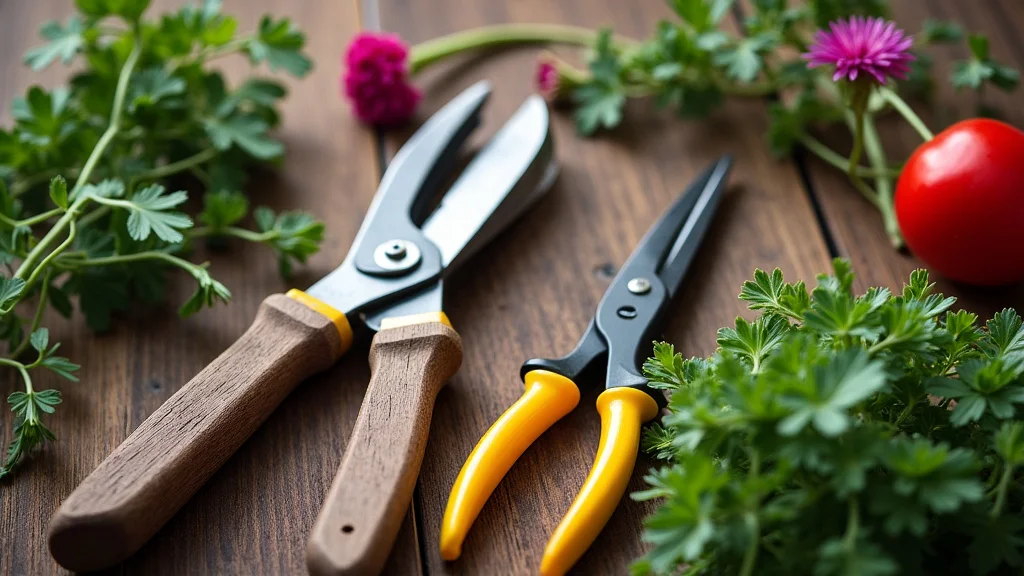
Picture this: It’s a beautiful Saturday morning, the sun is shining, and you’re ready to get your hands dirty. You head to the shed, eager to begin your gardening projects, only to be confronted with a chaotic mess of trowels, rakes, and clippers. Finding what you need feels like an archaeological dig! This is a common struggle for many gardeners, but it doesn’t have to be your reality. This guide explores the benefits of a well-organized setup and focuses on easy ways to implement a gardening tools organizer. You’ll learn how to transform your cluttered space into an efficient and enjoyable workspace. By the end, you’ll know exactly how to reclaim your gardening space and keep your tools in prime condition, improving your gardening experience. You will also gain practical tips and ideas for making the most of your space and keeping your gardening tools organizer easy to manage.
Key Takeaways
- Learn the benefits of a well-organized gardening space.
- Discover various types of gardening tools organizers.
- Understand the importance of tool maintenance and care.
- Find strategies for optimizing storage space in any setting.
- Get tips for organizing tools for different gardening tasks.
- Explore DIY ideas and cost-effective organizational solutions.
The Value of a Well-Organized Gardening Space
A disorganized gardening area can lead to frustration, wasted time, and even damage to your valuable tools. Imagine the time saved when you can quickly grab the right trowel instead of rummaging through a pile. Beyond convenience, a tidy space promotes safety and extends the life of your equipment. Properly stored tools are less likely to rust, break, or become lost. Having a dedicated gardening tools organizer also encourages better maintenance habits. Knowing where everything belongs makes it easier to clean and store your tools after each use, ensuring they are ready for the next gardening adventure. Moreover, a clean and orderly space is simply more enjoyable to work in, making your gardening experience more satisfying.
Improved Efficiency and Reduced Frustration
One of the most immediate benefits of an organized gardening space is increased efficiency. No more wasting precious gardening time searching for tools. Imagine having all your essential items readily available, allowing you to focus on the task at hand. This efficiency extends beyond just saving time; it also reduces frustration. When you are not constantly battling clutter, you can enjoy your gardening activities more fully. A well-organized space streamlines your workflow, making the entire process smoother and more enjoyable. It is like having a well-oiled machine, where everything works together seamlessly, allowing you to maximize your productivity and enjoyment.
- Instant Access to Essential Tools: Locate every tool in seconds, eliminating the need for searching.
- Faster Project Completion: Working with easy access to tools means you complete projects faster.
- Reduced Frustration: Eliminating the time spent searching reduces annoyance and improves mood.
Enhanced Tool Preservation and Safety
Proper storage is essential for preserving the condition and prolonging the lifespan of your gardening tools. Exposure to the elements, like moisture and sunlight, can cause rust, corrosion, and deterioration. A dedicated gardening tools organizer protects your tools from these harmful factors. Storing tools in a dry, covered space is a simple yet highly effective way to prevent damage. In addition, an organized space promotes safety. Sharp tools like pruning shears and hoes are less likely to cause accidents if they are stored in designated locations, out of the reach of children and pets. This creates a safer environment for everyone involved in your gardening activities. Keeping your tools in top condition means they’ll work better and last longer.
- Protection from the Elements: Storing tools indoors prevents rust and degradation.
- Reduced Risk of Damage: Organized storage minimizes the chance of tools getting lost or stepped on.
- Improved Safety: Proper storage helps prevent accidents from sharp tools.
Cultivating a More Enjoyable Gardening Experience
A tidy and well-organized gardening space is more than just practical; it contributes significantly to the overall enjoyment of gardening. A clean workspace reduces the mental clutter that can detract from your experience. You will feel more relaxed and focused when you are not overwhelmed by a chaotic environment. It creates a space you want to spend time in, enhancing your motivation to garden. The joy of gardening comes not only from the act of growing plants but also from the overall process, including the preparation and organization. A well-ordered gardening tools organizer can transform your gardening area into a sanctuary, making it a source of pleasure and relaxation.
- Increased Motivation: A clean space makes you more excited to garden.
- Reduced Stress: A calm environment reduces feelings of stress and allows you to enjoy the process.
- Enhanced Focus: A tidy space minimizes distractions, allowing you to focus on your tasks.
Exploring Different Types of Gardening Tools Organizers
The best gardening tools organizer depends on your space, the number of tools you own, and your personal preferences. There is a wide variety of organizational solutions available, ranging from simple to elaborate. From basic tool racks to specialized storage units, the options are plentiful. Consider the size of your shed or garden space, the types of tools you need to store, and your budget when making a decision. Several innovative organizational options, such as wall-mounted organizers, tool belts, and mobile carts, also add to convenience. Understanding different types of organizers will help you choose the ideal system for your gardening needs.
Tool Racks and Wall-Mounted Solutions
Tool racks and wall-mounted solutions are great for maximizing space and keeping tools off the ground. These are especially useful in small sheds or garages where floor space is limited. Tool racks often feature hooks and slots to hold tools with different handle sizes and shapes. Wall-mounted organizers can be custom-built or purchased pre-made, offering a tailored solution for your specific tool collection. Mounting tools on walls allows you to see everything at a glance. It keeps tools within easy reach, reduces clutter, and ensures the floor remains clear. The simplicity and effectiveness of these organizers make them popular choices.
- Space Efficiency: Perfect for small sheds or garages, utilizing vertical space effectively.
- Easy Visibility: Allows you to see and grab tools quickly.
- Customization Options: Wall-mounted solutions can be tailored to fit your specific needs.
Storage Bins, Boxes, and Containers
Storage bins, boxes, and containers are versatile and practical choices for organizing gardening tools and supplies. They come in various sizes and materials, offering options for every budget and need. Use transparent bins to see the contents without opening them. Labeled boxes provide a great way to keep items sorted and easily accessible. Consider containers with compartments to separate smaller items like seeds, gloves, and twine. These storage solutions are helpful for grouping similar items together, making it easy to find what you need. They also protect your tools from dust and moisture.
- Versatility: Can be used for a wide range of tools and supplies.
- Organization: Helps keep items sorted and easily accessible.
- Protection: Keeps tools safe from dust and moisture.
Mobile Carts and Tool Belts
Mobile carts and tool belts are ideal for gardeners who need to move their tools around the garden. A mobile cart provides storage and transportation, allowing you to easily move tools to where they are needed. These are especially useful for larger gardens where it is impractical to carry tools. Tool belts offer a convenient way to carry essential tools while working in the garden, keeping them within reach. They are perfect for small tasks and can also reduce the need for constantly going back and forth to your storage area. They make gardening more efficient and are especially helpful during longer gardening sessions.
- Portability: Easily move tools around your garden.
- Convenience: Keeps essential tools within reach.
- Efficiency: Saves time and effort during gardening tasks.
Essential Tool Maintenance and Care
Regular maintenance ensures your gardening tools remain in top condition, perform effectively, and last for many years. Proper care helps prevent rust, corrosion, and damage, saving you money in the long run. Cleaning your tools after each use, sharpening blades, and storing them properly are all important practices. Knowing how to maintain your tools is as important as having a gardening tools organizer. It helps extend their life and ensures they are always ready for use. By following a few simple steps, you can keep your tools in prime condition and enjoy gardening with efficient and reliable equipment.
Cleaning and Sharpening Your Tools
Cleaning and sharpening are the cornerstones of tool maintenance. After each use, wipe down your tools to remove dirt, sap, and debris. This prevents rust and corrosion. You can use a wire brush and soapy water for tougher messes. Regular sharpening of blades is also critical. A sharp blade cuts more cleanly and requires less effort, reducing the strain on both you and the tool. Use a file or sharpening stone for blades. Proper sharpening and cleaning not only extend the lifespan of your tools but also improve their performance.
- Regular Cleaning: Prevents rust and corrosion.
- Blade Sharpening: Improves cutting efficiency and reduces effort.
- Extended Lifespan: Regular maintenance increases the longevity of your tools.
Rust Prevention and Lubrication
Rust is a gardener’s enemy. Preventing rust is essential for keeping your tools in good working order. To prevent rust, ensure tools are completely dry before storage. Apply a rust-preventative lubricant, such as a spray oil or a coating, to metal surfaces. This creates a barrier against moisture. For wooden handles, consider applying linseed oil or a similar wood protectant to prevent cracking. Lubricate moving parts, such as the hinges of pruning shears, to ensure smooth operation. Proper lubrication not only prevents rust but also reduces friction, making your tools easier to use.
- Moisture Control: Ensure tools are dry before storage to prevent rust.
- Protective Coatings: Use lubricants to create a barrier against moisture.
- Smooth Operation: Lubricate moving parts to reduce friction and improve performance.
Proper Storage Techniques
Proper storage is the final piece of the tool care puzzle. Tools should be stored in a dry, well-ventilated area. Using a gardening tools organizer to keep tools off the ground prevents damage. Hanging tools or placing them in racks protects them from impact and keeps them easily accessible. Ensure sharp tools are stored safely, away from children and pets. This means covering blades with protective sheaths or storing them in closed containers. Always return your tools to their designated spots after use, forming a habit that makes maintenance easier.
- Dry Environment: Store tools in a dry area to prevent rust.
- Safe Storage: Keep sharp tools and chemicals out of reach.
- Designated Spaces: Return tools to their places after each use.
Optimizing Storage Space in Your Gardening Area
Regardless of whether you have a large shed or a small balcony, maximizing storage space is key to an organized garden. Effective space optimization allows you to keep your tools and supplies neatly arranged, even in tight areas. This includes using vertical space, making use of unused corners, and selecting storage solutions. Thinking creatively about how to store your tools can significantly improve your gardening experience. Good storage means more than just having a place for your tools. It means creating a functional and enjoyable work area.
Making Use of Vertical Space
One of the most effective strategies for maximizing space is to utilize vertical space. Wall-mounted organizers, shelves, and overhead racks are ideal for this. They keep tools off the ground and create more usable floor space. You can hang tools with hooks, mount shelves to store containers, or install overhead racks for infrequently used items. Consider using pegboards to create a customizable organizational system. These are particularly useful for storing tools of different sizes and shapes. By utilizing vertical space, you create a more efficient and clutter-free environment.
- Wall-Mounted Organizers: Keeps tools off the ground and easy to access.
- Shelving: Provides storage for containers, pots, and supplies.
- Pegboards: Offers customizable storage for various tools.
Utilizing Unused Corners and Small Spaces
Every gardening space has unused corners and small areas that can be transformed into storage. Consider installing corner shelves to make use of awkward spaces. Even the space behind a door can be turned into a storage area with the right organizational system. Install narrow shelves or racks to hold tools and supplies in these underutilized areas. Look at your space with an eye for potential storage opportunities. Often, a small adjustment can make a big difference in terms of organization. By being resourceful, you can create functional storage areas where you might not have considered them before.
- Corner Shelves: Optimize unused corner spaces.
- Door Organizers: Utilize the space behind doors for storage.
- Narrow Shelves: Fit into tight spots to store tools and supplies.
Selecting Multi-Purpose Storage Solutions
Multi-purpose storage solutions are a great way to save space and money. Look for storage containers that can also serve as work surfaces or seating. For example, a sturdy bench with built-in storage can provide seating, storage, and a handy workspace. Choose storage boxes with lids that can be used as tables. Selecting multi-purpose items is a wise investment. They provide extra utility and simplify your organizational setup. Think creatively to find items that serve multiple purposes, maximizing the use of your available space.
- Storage Benches: Provides seating and storage.
- Multi-Functional Boxes: Offer storage and serve as tables.
- Rolling Carts: Can be used for storage and transport.
Organizing Tools for Specific Gardening Tasks
Effective organization helps you manage the tools you need for specific gardening tasks. Grouping tools by their function helps ensure that everything you need is readily accessible. Whether you are planting flowers, pruning shrubs, or harvesting vegetables, having the correct tools available can streamline your work. Consider creating separate storage areas for different types of activities, such as planting, weeding, and watering. Having your tools organized by task saves time and effort. It allows you to focus on the task at hand.
Organizing Tools for Planting
When organizing tools for planting, focus on items such as trowels, hand rakes, shovels, and planting pots. Group these tools together in a dedicated container or section. Consider using a small toolbox or tote bag to hold frequently used planting tools. Label the container clearly so that you know exactly where everything is. You might also want to include items like measuring tapes and markers. Having these items organized together ensures you have everything needed to plant flowers, vegetables, or shrubs efficiently and quickly.
- Dedicated Container: Store planting tools in one accessible place.
- Essential Tools: Include trowels, hand rakes, shovels, and pots.
- Additional Items: Add measuring tapes and markers to the set.
Organizing Tools for Weeding and Pruning
For weeding and pruning, you will need items such as weeders, hoes, pruning shears, and loppers. Keep these tools separate from planting tools. Use a different storage area or container to prevent mixing. Grouping your weeding tools near your pruning tools can save you time. Consider a wall-mounted rack or a tall container to keep these longer-handled tools in order. Add protective eyewear and gloves to complete the set. This will allow you to quickly grab your weeding and pruning tools when necessary.
- Separate Storage: Keep weeding and pruning tools separate.
- Essential Tools: Includes weeders, hoes, pruning shears, and loppers.
- Safety Gear: Add gloves and safety glasses for protection.
Organizing Tools for Watering and Maintenance
Watering and general maintenance requires tools such as watering cans, hoses, sprinklers, and fertilizer. Create a separate storage area or container for these items. Keeping watering tools together makes it easy to maintain your plants. Consider a hose reel or a designated space to store your hose and nozzles. Grouping fertilizer and other maintenance supplies, such as plant food or sprayers, will help you take care of your plants more efficiently. Keeping these items organized will make watering and general plant care tasks simple.
- Dedicated Area: Group watering and maintenance tools together.
- Essential Tools: Include watering cans, hoses, and sprinklers.
- Additional Supplies: Add fertilizer and other plant care products.
DIY Ideas and Cost-Effective Solutions
You do not have to spend a fortune to organize your gardening tools. Many DIY and cost-effective solutions can help you create a functional and efficient gardening tools organizer. Using repurposed items, such as old pallets, crates, or jars, can be a great way to save money and reduce waste. The solutions you create can be customized to fit your specific needs and space. Here are some simple, cost-effective options to help you build your own storage solutions.
Repurposing and Upcycling Items
Repurposing and upcycling items is a fantastic way to create budget-friendly storage. Old pallets can be turned into tool racks or shelves. Old jars can be converted into containers for seeds, small tools, and other supplies. Use old crates for storing tools or planting pots. With a little creativity and effort, these items can be turned into useful storage solutions. Using repurposed items adds character to your gardening space. These DIY projects are also a sustainable and eco-friendly approach to creating a gardening tools organizer.
- Pallet Projects: Transform old pallets into tool racks or shelves.
- Jar Storage: Use jars for seeds and small tools.
- Crate Organization: Repurpose old crates for tool storage.
Creating a Budget-Friendly Tool Rack
Building a basic tool rack is an easy and inexpensive DIY project. You can build a simple tool rack with wooden planks and some hooks or pegs. Cut the planks to the desired size and attach them to the wall. Install hooks or pegs to hold your tools. You can also use PVC pipes as individual holders. This budget-friendly solution provides a dedicated space to store your tools. This simple yet effective tool rack will make your tools easily accessible. They can also be customized to fit your specific needs and the available space.
- Wooden Planks and Hooks: Use basic materials to build a tool rack.
- PVC Pipe Holders: Use PVC pipes for individual tool storage.
- Customization: Tailor the rack to your specific tools and space.
Using Storage Hacks and Clever Ideas
There are countless ways to create storage solutions with everyday items. Use pegboards for versatile and customizable storage. Hang baskets from the ceiling to store small items. Use labeled containers to organize your supplies. Take advantage of drawers and shelves in your shed. Many storage hacks and clever ideas can transform your space. By being creative, you can find simple and innovative ways to keep your tools organized. A clever gardening tools organizer will help you create a more efficient and enjoyable gardening experience.
- Pegboard Systems: Create custom storage with pegboards.
- Hanging Baskets: Use hanging baskets for small items.
- Labeled Containers: Use labeled containers for organization.
Frequently Asked Questions
Question: How often should I clean my gardening tools?
Answer: Clean your tools after each use to remove dirt and debris. This helps prevent rust and corrosion, extending their lifespan.
Question: What is the best way to store my long-handled tools?
Answer: Store long-handled tools like rakes and hoes on a wall-mounted rack or in a tall container to save space and keep them accessible.
Question: How can I protect my tools from rust?
Answer: Dry your tools thoroughly after each use and apply a rust-preventative lubricant. Store them in a dry, well-ventilated area.
Question: What are some good storage solutions for small gardening supplies?
Answer: Use small containers, labeled boxes, or clear bins to store seeds, gloves, twine, and other small items.
Question: How can I organize tools for specific gardening tasks?
Answer: Group tools by their function, such as planting, weeding, or watering, and store them in separate containers or sections.
Final Thoughts
Having a well-organized gardening space is more than just about aesthetics; it is a key part of becoming a more efficient gardener. From tool racks to mobile carts, many gardening tools organizer solutions are available to suit any space and budget. Maintaining your tools through cleaning, sharpening, and proper storage guarantees that your tools work well. You have the skills needed to make a more efficient and enjoyable gardening experience. By following the tips and ideas in this guide, you can create a gardening space that is both functional and inviting. Take action today, and get ready to enjoy a more streamlined and fulfilling gardening experience. Now go and transform your gardening area into an organized paradise!