
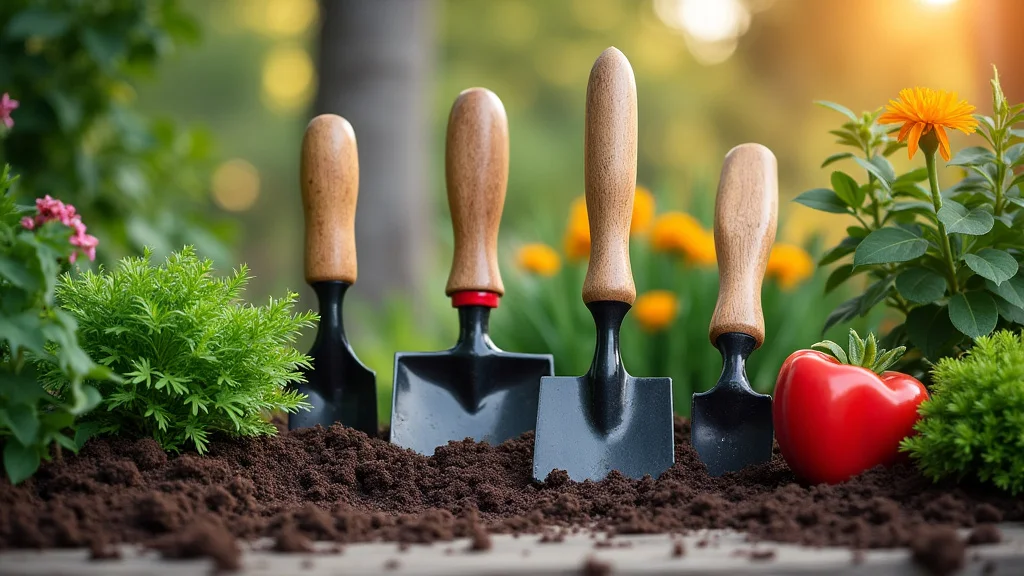
The sun is shining, the birds are singing, and your garden is calling! But wait, are your tools ready? Did you leave them out in the rain last season? Many of us have experienced the frustration of a dull trowel or a rusty rake when we’re eager to get our hands dirty. Luckily, finding great gardening tools on sale can revitalize your gardening experience without breaking the bank. This post will explore how to identify the best deals and the important features to consider, transforming your gardening from a chore into a joy. You’ll learn how to choose the right tools, find them at discounted prices, and keep them in great shape, which will improve your overall gardening success. This information will also help you budget smarter and maximize your garden’s potential.
Key Takeaways
- Discover the best places to find gardening tools on sale.
- Learn about the different types of gardening tools and their uses.
- Understand the features to look for when purchasing new tools.
- Get tips on maintaining your tools to extend their lifespan.
- Explore options for finding budget-friendly tools.
- Maximize your gardening success with the right tools and strategies.
Essential Gardening Tools for Beginners
Starting a garden can seem overwhelming, especially when you consider all the different tools available. But you don’t need every gadget to get started! Focusing on essential tools first is a great way to build your gardening kit. These tools will handle most basic gardening tasks, from planting to weeding, and they’ll help you nurture your plants so you can enjoy fresh produce or beautiful blooms.
Hand Tools
Hand tools are the foundation of any gardener’s toolkit. They’re perfect for smaller areas, container gardening, and tasks that require precision. Look for tools that feel comfortable in your hand and are made from durable materials. Consider the size and weight of the tool as well; lighter tools may be easier to use for extended periods. These are the tools that will become your gardening companions, so invest in quality.
- Trowel: A small, hand-held shovel for digging, planting, and transplanting.
- Hand Rake: Used for smoothing soil, removing debris, and leveling surfaces.
- Hand Fork: Excellent for breaking up compacted soil, loosening weeds, and working fertilizer into the ground.
- Weeding Tool: Designed to remove weeds from the soil by the roots.
A trowel is a gardener’s best friend. Whether you’re planting seedlings, digging out weeds, or transplanting small plants, a good trowel is indispensable. Look for one with a sturdy, rust-resistant blade and a comfortable handle. The blade’s shape should be slightly curved to make scooping soil easier.
A hand rake is a versatile tool perfect for preparing your soil. It can also assist in leveling the ground for planting. Choose one with strong tines that won’t bend easily. It should be lightweight and easy to maneuver in tight spaces, allowing you to prepare the seedbed or tidy up your flower beds easily.
A hand fork is a powerful tool for loosening soil, especially in areas where the soil is dense. Its tines can penetrate compacted soil, making it easier for plant roots to grow. It’s also great for mixing compost or other soil amendments. Look for a durable fork with a solid handle that can withstand some pressure.
Weeds are a common gardening frustration, so a good weeding tool is a must. These tools come in various designs, from simple pullers to more specialized tools with blades that can cut through tough weed roots. Look for a weeding tool that’s comfortable to use and effective at removing weeds without disturbing your other plants.
Long-Handled Tools
Long-handled tools are essential for larger gardens or for those who want to avoid bending over too much. They’re designed to help you cover more ground and perform tasks like turning soil, moving compost, and sweeping. Choosing the right handles and materials will make a big difference in comfort and efficiency.
- Garden Hoe: Used for weeding, cultivating soil, and creating furrows for planting.
- Spade: Excellent for digging, edging, and moving soil.
- Garden Fork: Used for turning and aerating soil, as well as moving compost or manure.
- Leaf Rake: Designed for gathering leaves, grass clippings, and other debris.
The garden hoe is a fundamental tool for weed control and soil preparation. The sharp blade is used to slice weeds below the soil surface, preventing them from growing back. It’s also useful for making rows for planting seeds. The shape of the hoe head can vary, with each design serving a slightly different purpose.
A spade is used for tasks that involve digging, like preparing planting beds or transplanting larger plants. It has a flat blade that is strong enough to cut through the soil. When selecting a spade, consider the blade’s size and shape. A slightly curved blade can make scooping soil easier.
A garden fork, similar to a hand fork but with a longer handle, is essential for turning and aerating soil in larger areas. It’s also great for mixing in compost or other soil amendments. Look for a fork with sturdy tines and a comfortable handle that is long enough for you to work without excessive bending.
A leaf rake is indispensable for clearing leaves and other debris from your lawn or garden beds. Rakes are typically made with flexible tines that won’t damage your plants. When choosing a leaf rake, consider the width of the head and the length of the handle to find the best fit for your height and the size of your garden.
Choosing Quality Gardening Tools on Sale
When you’re looking for gardening tools on sale, it’s tempting to grab the cheapest option. However, investing in quality tools, even when on sale, is a better idea. This means that you should consider the materials used, the construction of the tool, and the handle design. A well-made tool will be more durable, last longer, and be more comfortable to use, making gardening a more enjoyable experience.
Materials and Construction
The materials used to make gardening tools can significantly impact their longevity and performance. High-quality tools are often made with rust-resistant metals, durable handles, and strong joints. A well-constructed tool can withstand the rigors of gardening, including exposure to the elements and frequent use. This is especially important for tools you will use frequently.
- Metal: Look for tools made from stainless steel or carbon steel, as these are more resistant to rust.
- Handles: Consider the materials used for the handles. Wood, fiberglass, and composite materials all have different advantages.
- Construction: Inspect the joints and connections on the tools, ensuring they are solid and well-made.
The metal used in gardening tools is crucial. Stainless steel resists rust and is generally very durable, perfect for tools that will be exposed to moisture. Carbon steel tools are also durable but may need more care to prevent rust. Choose metals that can handle the specific tasks you’ll be using the tool for.
The handles of your gardening tools play a big role in comfort and control. Wood handles are classic and provide a good grip, but they can be prone to splintering. Fiberglass and composite handles are more durable and weather-resistant. Choose a handle that feels comfortable in your hand and is the appropriate length for your height and tasks.
Check the construction of your gardening tools on sale before you buy them. Look for tools where the head is securely attached to the handle. A tool with weak joints is likely to break under pressure. Well-constructed tools will last longer and be a better value in the long run.
Handle Design and Ergonomics
The design of a tool’s handle directly affects your comfort and ability to work efficiently. A well-designed handle will reduce strain on your hands and wrists, allowing you to garden for longer periods without fatigue. The handle should be comfortable to grip and provide good control over the tool. Consider these aspects while shopping.
- Grip: Look for handles with a comfortable grip. This might include rubberized or textured grips.
- Shape: Consider the shape of the handle and how it fits in your hand.
- Length: Make sure the handle length is appropriate for your height and the tasks you will be performing.
A comfortable grip is essential for avoiding blisters and hand fatigue. Some tools come with rubberized or textured grips that provide extra comfort and control, especially when your hands are wet. A good grip will let you focus on gardening, rather than on your tools.
The shape of the handle matters. Ergonomically designed handles can help reduce strain on your wrists and hands. Some handles have curved or contoured designs that mold to your hand. Try holding the tool to see how it feels before you buy it.
The length of the handle should allow you to work comfortably without having to bend over too much. If you are tall, you may want a longer handle to avoid back strain. If you are doing detail work, a shorter handle may give you more control. Consider the tasks you will be doing before selecting a tool.
Where to Find Gardening Tools on Sale
Finding gardening tools on sale requires some smart shopping and planning. You can find deals at a variety of places, from local garden centers to online retailers. Keep an eye out for seasonal sales, clearance events, and special promotions. By being patient and flexible, you can get great tools without spending a fortune.
Local Garden Centers and Nurseries
Local garden centers and nurseries often offer sales on gardening tools on sale, particularly at the end of the season. They may also have promotions tied to holidays or other special events. Supporting your local stores can also give you access to expert advice and support from local gardeners, which is always an advantage.
- End-of-Season Sales: Look for sales at the end of the spring and summer seasons.
- Holiday Promotions: Keep an eye out for sales around holidays like Mother’s Day and Father’s Day.
- Clearance Sections: Check the clearance sections for discontinued items or tools with minor imperfections.
Garden centers often have big sales at the end of the gardening season to clear out inventory. This is a great time to find tools at significantly reduced prices. Make your plans ahead of time to make sure you get the best selection.
Many garden centers and nurseries run special promotions during holidays, such as Mother’s Day and Father’s Day. These sales often include tools, making them a great time to purchase gifts or add new tools to your collection.
Clearance sections in garden centers and nurseries can be a treasure trove of discounts. You might find slightly damaged items or overstocked tools at significantly reduced prices. These items often work fine and can be a great value if you are not worried about cosmetic flaws.
Online Retailers
Online retailers, like Amazon, often have a large selection of gardening tools on sale. They may have competitive prices and offer convenience. You can compare prices from different sellers, read reviews, and find tools that fit your needs and budget. Using price comparison websites will also save you time and help you find deals.
- Price Comparison Websites: Use these sites to compare prices from different retailers.
- Seasonal Sales: Look for sales around major holidays and events.
- Customer Reviews: Read customer reviews to get a sense of tool quality.
Price comparison websites are an excellent way to find the best deals on gardening tools on sale. These sites let you quickly compare prices from several different retailers, so you can find the lowest price. They often show you price histories, so you can tell if a sale is a good deal.
Online retailers often hold sales around major holidays, like Black Friday and Cyber Monday. These can be great times to find significant discounts on gardening tools. Be sure to check online marketplaces regularly and watch for flash sales that may offer limited-time discounts.
Before purchasing tools online, read the customer reviews. Reviews can provide valuable insights into the quality, durability, and performance of a tool. They can reveal information about the tools’ ease of use, comfort, and the seller’s customer service.
Tool Maintenance and Storage
Proper maintenance and storage are key to extending the life of your gardening tools on sale. By taking a few simple steps, you can keep your tools in top condition for years to come. This includes cleaning your tools after each use, sharpening blades, and storing them properly during the off-season. Routine maintenance will make your gardening more enjoyable and efficient.
Cleaning and Sharpening
Cleaning and sharpening your tools after each use will prevent rust and keep them working well. After each use, wipe down your tools with a damp cloth to remove any dirt and plant matter. Sharpening the blades regularly will also improve their cutting performance, making gardening tasks easier. These simple practices will greatly extend the lifespan of your tools.
- Cleaning: Clean your tools after each use to remove dirt and debris.
- Sharpening: Regularly sharpen the blades of your tools to maintain their cutting ability.
- Rust Prevention: Apply a light coat of oil to metal surfaces to prevent rust.
Cleaning your gardening tools after each use prevents the build-up of dirt and plant matter, which can lead to rust and corrosion. A simple wipe-down with a damp cloth can be enough. For stubborn dirt, you may use a brush and some soapy water.
Sharpening your tool blades is essential for efficient cutting and prevents injury. Use a sharpening stone or file for tools with blades. Keep a good angle to maintain the blade. A sharp blade means less effort is needed when you work.
Rust can damage your tools. Prevent rust by applying a light coat of oil to metal surfaces after cleaning and sharpening. This creates a barrier against moisture. You can use any type of oil you have on hand, or purchase a special tool protectant.
Storage
Proper storage is essential to protect your tools from the elements and prevent damage. Store your tools in a dry, covered area, like a shed or garage. Hanging your tools or storing them on a rack will keep them organized and prevent them from getting lost or damaged. Protecting your tools will extend their lifespan.
- Dry Storage: Store tools in a dry place to prevent rust.
- Organized Storage: Keep your tools organized using racks or hooks.
- Off-Season Storage: Protect tools during the off-season by cleaning and oiling them before storing them.
Moisture is the biggest enemy of metal tools, so dry storage is crucial. A shed, garage, or even a covered porch will protect your tools from rain and dew. Always wipe down tools before storing them to remove any moisture.
Organizing your tools helps you easily find what you need and prevents them from getting damaged or lost. Tool racks or hooks are perfect for hanging tools. Consider arranging them by type for quick access.
Before storing your tools for the off-season, give them a thorough cleaning, sharpening, and oiling. If your tools have wooden handles, consider applying a coat of linseed oil to protect them from drying out. This will get your tools ready for the next gardening season.
Budget Gardening and DIY Options
You don’t need expensive equipment to enjoy gardening. There are many ways to garden on a budget, and you can find great deals on gardening tools on sale. Look for used tools, make your own tools, or repurpose existing items. This approach can also offer you a deeper connection to your garden.
Buying Used Tools
Buying used tools can be a great way to save money and find quality tools at a fraction of the original price. Check local classified ads, online marketplaces, and yard sales for used tools. You can often find well-made tools that have only been used a few times. Inspect the tools carefully before buying to make sure they’re in good condition.
- Yard Sales and Flea Markets: Check these for used tools at low prices.
- Online Marketplaces: Browse online marketplaces like Craigslist or Facebook Marketplace.
- Tool Libraries: Consider joining a tool library to borrow tools.
Yard sales and flea markets are a gold mine for finding cheap gardening tools. Sellers often offer tools at very low prices to get rid of them. Check often, as the selection changes regularly. Make sure you examine the tools before you buy, looking for any damage or rust.
Online marketplaces offer a wide selection of used tools from local sellers. You can often find great deals. Contact the seller with any questions before you make a decision, and arrange to see the tools in person before you purchase.
Tool libraries let you borrow tools for a set time, saving you money on the initial purchase. They’re a good option for infrequent users. Tool libraries typically have various gardening tools, so you can experiment with what you need.
DIY Gardening Tools and Repurposing
DIY tools and repurposing old items can also save you money and give you a creative outlet. You can transform household items into useful gardening tools. This can be fun for you and it’s also better for the environment. Let your creativity be your guide!
- Repurposing Household Items: Turn old kitchen utensils into gardening tools.
- Making Your Own Tools: Try building your own tools using reclaimed materials.
- Using Alternative Materials: Experiment with alternative materials for gardening tasks.
Many household items can become useful gardening tools. For example, you can use old spoons or forks as trowels and forks. Repurposing not only saves money but also gives you a way to recycle items you no longer use.
Building your tools can be a satisfying experience. You can create unique tools, such as a dibber from a piece of wood or a small hand rake from wire and a piece of wood. The Internet provides many tutorials on how to create various tools.
Consider using readily available items for gardening tasks. You can use old containers for pots, and newspapers for mulch. Think outside the box and try different materials.
Real-Life Examples and Scenarios
Here are some examples of how to maximize your gardening tools on sale purchasing power and usage to make your gardening experience more enjoyable and successful. These examples show how to get the most from your tools and budget.
- Scenario 1: Starting a Vegetable Garden on a Budget:
A young couple is planning to start a small vegetable garden. They begin by looking for gardening tools on sale at their local garden center, finding a basic hand tool set and a used garden fork. Instead of buying new pots, they repurpose old containers and coffee cans for planting. They also build a small raised garden bed using reclaimed wood. By focusing on essentials and repurposing, they create a productive garden with minimal spending.
- Scenario 2: Expanding an Existing Flower Bed:
An experienced gardener wants to expand her existing flower bed. She finds a great deal on a heavy-duty shovel and a hand rake at an end-of-season sale. She then purchases some compost and mulch on sale. She uses the new tools to prepare the new space, incorporating the compost and mulch into the soil. As a result, her flowers thrive.
- Scenario 3: Maintaining a Community Garden Plot:
A group of friends shares a plot in a community garden. They decide to pool their resources and look for gardening tools on sale together. They find a high-quality wheelbarrow and a set of long-handled tools at a discounted price at a local nursery. They split the cost and share the tools. This cooperative approach allows them to keep the garden plots in excellent shape.
Here are some useful facts about how gardening tools on sale can help you save money. Here are some interesting statistics about the benefits of buying tools on sale.
| Benefit | Data |
|---|---|
| Average Savings | Consumers can save up to 30-50% on gardening tools on sale during seasonal promotions and clearance events. |
| Tool Longevity | Properly maintained tools last for an average of 5-10 years, increasing the value of initial savings. |
| Community Gardening | Community gardens can reduce food expenses by an average of $600 per year per family. |
Frequently Asked Questions
Question: When is the best time to find gardening tools on sale?
Answer: The best times to find tools on sale are during end-of-season sales (late summer/early fall) and around holidays such as Mother’s Day and Father’s Day.
Question: What is the most important thing to look for when choosing a hand trowel?
Answer: The most important thing to look for in a hand trowel is a sturdy, rust-resistant blade with a comfortable handle.
Question: How can I prevent rust on my metal gardening tools?
Answer: Prevent rust by cleaning your tools after each use, sharpening the blades, and applying a light coat of oil to metal surfaces.
Question: Where can I find used gardening tools?
Answer: You can find used tools at yard sales, flea markets, online marketplaces, and occasionally through tool libraries.
Question: What are some good DIY options for gardening tools?
Answer: You can repurpose household items, such as spoons and forks as trowels, or build tools using reclaimed materials.
Final Thoughts
Finding great deals on gardening tools on sale doesn’t have to be a complicated task. With a little research, patience, and some smart shopping strategies, you can equip your garden without breaking the bank. Remember to prioritize quality over quantity, and consider the long-term value of well-made tools. Take advantage of seasonal sales, look at online retailers, and explore your local garden centers for the best deals. By taking care of your tools and choosing the right ones for your gardening needs, you can transform your garden. Happy gardening!