
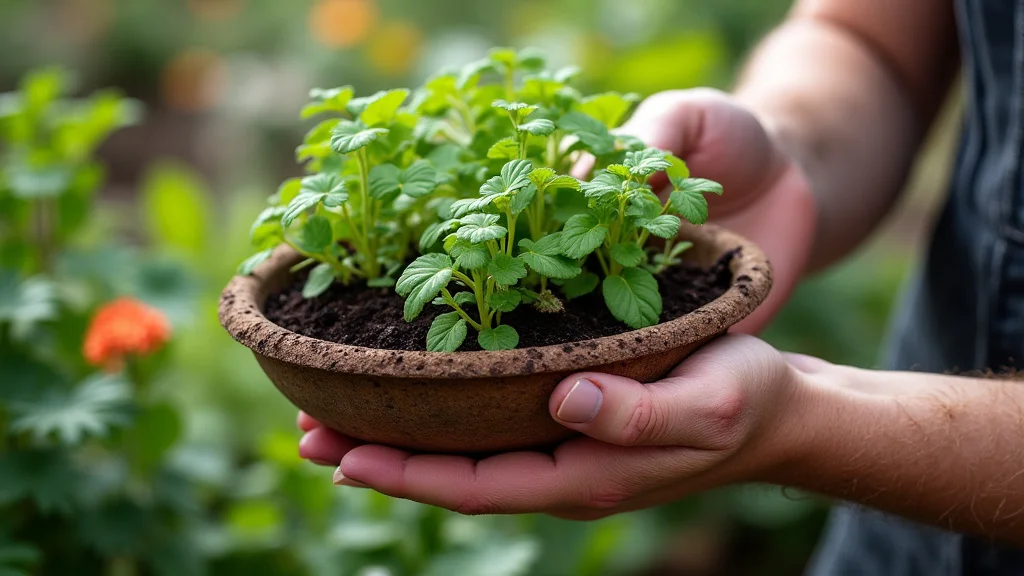
Remember that time your prized tomato plant withered, leaving you with a handful of sad, green leaves? We’ve all been there! The right gardening tools on Amazon can make the difference between a thriving garden and a frustrating one. This post explores the best tools available, giving you the knowledge to choose the perfect equipment for your needs. You’ll explore a variety of tools, learn how to identify quality, and discover ways to maximize your gardening potential. By the end, you’ll be able to confidently select the right gardening tools on Amazon and turn your outdoor space into a lush paradise.
Key Takeaways
- Learn about essential gardening tools available on Amazon.
- Discover how to choose high-quality tools that last.
- Understand the different types of tools and their uses.
- Find out how to compare tools and read reviews on Amazon effectively.
- Explore options for different gardening needs, from small spaces to large gardens.
- Get tips on maintaining and caring for your gardening tools.
Essential Gardening Tools on Amazon for Every Gardener
Building a successful garden starts with the right equipment. Amazon offers a vast selection of gardening tools, from basic hand tools to power equipment. Having the appropriate tools can simplify tasks, save you time, and improve the health and appearance of your plants. This section provides an overview of the tools every gardener should consider, emphasizing functionality and quality. We will explore the must-have tools for planting, weeding, pruning, and more, as well as the benefits of investing in durable, high-performing tools that will stand the test of time and usage.
Hand Tools for Planting and Maintenance
Hand tools are the foundation of any gardener’s toolkit. These tools offer precision and control for essential tasks like planting, weeding, and cultivating the soil. Choosing the right hand tools can improve your gardening experience. You will explore a variety of hand tools, discussing the benefits of each tool and how they contribute to gardening success. Understanding the function of each hand tool enables gardeners of all skill levels to nurture their gardens effectively.
-
Trowel: A small, handheld tool with a curved, scoop-shaped blade. It is used for digging small holes for planting seedlings, transplanting small plants, and scooping up soil. Trowels come in various sizes and materials, with stainless steel or carbon steel blades being the most durable.
The trowel is your planting partner. This tool is useful for the initial planting process, offering precision and control. With a trowel, you can easily dig small holes for seedlings, ensuring your plants get off to a good start. It is crucial for transplanting, allowing you to move small plants without damaging their roots. A trowel’s ease of use and small size make it ideal for smaller gardens and pots.
-
Hand Rake: A small rake with short tines, used for smoothing soil surfaces, removing small debris, and spreading mulch. Hand rakes are essential for preparing planting beds and keeping your garden tidy.
A hand rake’s primary function is to smooth the soil before planting, creating an ideal environment. It removes small debris, such as leaves and twigs, which may affect plant health. It also helps with even distribution of mulch, which protects the soil and conserves moisture. The hand rake is a versatile tool that improves garden appearance and enhances plant growth.
-
Hand Fork: A small fork with short, sturdy tines, ideal for loosening soil, mixing in compost, and aerating the soil around plants. It’s effective for working in tight spaces and around plant roots.
The hand fork is key for loosening compact soil, improving aeration, and nutrient absorption. It is especially useful in raised beds or containers. Using a hand fork before planting or adding amendments improves soil structure, making it easier for roots to grow and thrive. This tool also helps with incorporating compost and other fertilizers. The hand fork helps your plants receive the nutrients they need.
-
Weeder: This tool is used to remove weeds from the soil. The weeder’s design is usually with a long handle and a forked or claw-like head, which is used to pull weeds out by the roots.
A weeder makes it easy to remove weeds, preventing them from stealing nutrients and water from your plants. It can be used in different soil types and garden layouts. A weeder’s design helps to dig deep and get rid of the entire weed, preventing regrowth. Regular use of a weeder keeps your garden healthy.
Pruning Tools: Keeping Your Plants Healthy
Pruning is a crucial aspect of gardening, involving the removal of dead or overgrown branches. Proper pruning encourages new growth and helps maintain plant health and shape. You’ll learn the different types of pruning tools available and how to use them safely and effectively. You’ll also learn to identify when and how to prune different types of plants to achieve the best results.
-
Hand Pruners (Secateurs): Small, handheld tools used for cutting stems and branches up to 1 inch in diameter. They are ideal for trimming flowers, shaping shrubs, and removing dead growth. Bypass pruners have a scissor-like cutting action, which produces cleaner cuts.
Hand pruners allow you to make clean cuts to promote the healing of the plant. They are ideal for routine pruning tasks. Bypass pruners are generally the go-to tool for pruning because they make the cleanest cuts. Hand pruners are also useful for harvesting flowers and maintaining the overall appearance of your plants. This tool is critical for promoting plant health and neatness.
-
Loppers: Long-handled pruners used for cutting thicker branches, typically up to 2 inches in diameter. Loppers provide extra leverage, making it easier to cut through tougher wood.
Loppers are especially designed for thicker branches, providing more force. The extra reach and leverage make them ideal for reaching and cutting branches higher up in trees or shrubs. Use loppers to remove dead wood, shape overgrown plants, and improve light penetration. Loppers can quickly complete tasks that would take longer with hand pruners. They are an essential part of any pruning kit.
-
Pruning Saw: A saw with a curved blade, designed for cutting branches larger than 2 inches in diameter. Pruning saws offer precision and make cutting through thick wood simple.
Pruning saws are used for the removal of larger branches that cannot be cut with hand pruners or loppers. They provide the power and control needed to make clean cuts through thick wood. Saws come with different blade designs, such as curved or straight, to accommodate various pruning needs. Using a pruning saw properly helps maintain the health and form of large trees and shrubs. This is a must-have for those with a variety of plant types.
Watering Equipment: Ensuring Proper Hydration
Watering is a vital task in gardening. The right watering equipment ensures that your plants receive the correct amount of water to thrive. The section explains various watering tools, from hoses and sprinklers to watering cans. It also explores the importance of water conservation and methods to conserve water in your garden. By the end, you’ll know the best ways to keep your plants watered efficiently and effectively.
-
Hoses: Flexible tubes used for carrying water from a water source to your garden. Garden hoses come in different lengths, materials, and diameters. Choose a hose that is durable and meets your gardening needs.
Hoses are useful for watering larger areas and providing continuous water to your plants. They are available in various lengths, so you can pick one suitable for your garden. Select a hose that is both durable and resistant to kinks. A good hose will make watering tasks easier and less time-consuming. Look for those made with UV-resistant materials to enhance their durability.
-
Sprinklers: Devices that distribute water over a wide area, mimicking rainfall. They are ideal for watering lawns, flower beds, and large gardens. There are various sprinkler types, including oscillating, rotary, and stationary.
Sprinklers offer efficient and even watering of large areas. Sprinklers help with conserving water and reducing water waste. Choose a sprinkler type that works best for your garden size and shape. Sprinklers enable you to set it and forget it, providing consistent hydration without constant monitoring. Ensure the sprinkler provides good coverage.
-
Watering Cans: Portable containers for watering plants by hand. They come in various sizes and materials, such as plastic or metal. Watering cans provide precise control, allowing you to direct water to the plant’s roots.
Watering cans are ideal for watering pots, raised beds, and small gardens. The user can carefully control the water flow, so they are great for plants that need regular watering. Watering cans are also perfect for watering plants that may need more attention. A watering can is a gardener’s basic tool for ensuring your plants get the right amount of water. Their portable design makes them user-friendly.
Choosing Quality Gardening Tools on Amazon
When shopping for gardening tools on Amazon, selecting quality is key to your success. High-quality tools are more durable, reliable, and comfortable to use, making gardening easier and more enjoyable. Knowing what to look for will save you time and money. This section guides you through the process of choosing the best tools, helping you evaluate materials, construction, and brand reputation. You’ll learn to identify features that impact performance and longevity, ultimately helping you make informed decisions when purchasing.
Materials and Construction: Durability Matters
The materials and construction of gardening tools have a direct impact on their performance and lifespan. Understanding how different materials perform and how tools are made will help you choose ones that withstand wear and tear. You’ll understand the benefits of different materials, such as stainless steel, carbon steel, and wood. Knowing the construction details will ensure you purchase durable, reliable tools that meet your gardening needs.
-
Stainless Steel: Highly resistant to rust and corrosion, making it a great choice for tools that will be exposed to moisture. Tools made from stainless steel are durable and require minimal maintenance.
Stainless steel tools are ideal for a range of gardening tasks, providing longevity and minimal upkeep. Stainless steel tools can handle wet conditions. This material helps prevent corrosion and rust, so it is a good investment. Tools made from stainless steel will last longer and continue to function over time.
-
Carbon Steel: Strong and durable, carbon steel can be sharpened to a fine edge. Carbon steel tools require more maintenance to prevent rust but provide excellent cutting performance.
Carbon steel tools are known for their sharp blades and are excellent for cutting and digging. The ability to sharpen carbon steel means these tools can maintain a cutting edge over time. Regular cleaning and occasional oiling are key to prevent rust. If properly cared for, carbon steel tools offer high performance.
-
Wood Handles: Offers a comfortable grip and can absorb shock. Hardwood handles are durable and provide a classic look and feel. They should be sealed to prevent water damage.
Wooden handles offer a comfortable grip and can reduce hand fatigue during extended use. The natural shock absorption makes wooden handles ideal for repetitive tasks. Handles should be made from hardwoods and properly sealed to resist water and weathering. With proper care, wooden handles can improve the appearance and feel of your tools.
-
Plastic Handles: Lightweight and often less expensive. Some plastic handles may not be as durable as wood or metal. Make sure the plastic is strong and the handle is ergonomically designed.
Plastic handles are lightweight and suitable for basic gardening needs. Ergonomic designs enhance comfort and reduce strain. Although they might not be as durable as wood or metal, strong plastics can still provide a useful grip. Consider the tool’s intended use and the design to ensure it provides comfort and efficiency.
Reading Reviews and Comparing Tools
Before buying gardening tools on Amazon, make use of the reviews. Reviews give insights into product performance and help you make the right choice. This section explains how to read and interpret reviews, compare different tools, and assess their suitability for your garden. You’ll learn to weigh customer experiences against product specifications to find the best tools.
-
Product Ratings: Check the overall star rating and the number of reviews. A tool with high ratings and many reviews often indicates customer satisfaction.
Product ratings provide a quick snapshot of customer opinions. A high rating, along with a significant number of reviews, increases confidence in the product. It suggests the tool meets customer expectations. However, always review details and individual comments for a full view.
-
Read Customer Reviews: Focus on reviews that describe real-world use and provide detailed feedback. Look for comments on durability, ease of use, and any issues.
Customer reviews offer valuable insights beyond ratings. Look for specific information about the tool’s performance under various conditions. Comments about durability, ease of use, and whether a tool delivers on its promises are helpful. Detailed feedback provides a better view.
-
Compare Product Specifications: Compare different tools’ features, sizes, and materials. Make sure they meet your needs. Pay attention to warranties.
Comparing product specifications helps you evaluate the tools that best fit your gardening needs. Match the tool’s specifications, such as size and material, with your garden’s requirements. Research and compare warranties to safeguard your purchase. Knowing the product specifications will help you make a better decision.
-
Check for Verified Purchase: Look for reviews that are from verified purchases to make sure they are written by actual users. This helps ensure the authenticity of the feedback.
Reviews with a “verified purchase” label generally mean the reviewer has bought the product from Amazon. These reviews can be trusted. This label offers peace of mind when assessing the tool. This step helps provide trustworthy information.
Gardening Tool Kits and Sets: Convenience and Value
For those new to gardening or looking for a comprehensive set of tools, kits and sets offer a great starting point. These sets provide a curated selection of tools, combining value with convenience. You’ll explore the advantages of purchasing tool kits and sets. You’ll learn what to look for in a set. This section gives you the knowledge to choose the best kit for your needs.
Types of Gardening Tool Kits
Amazon offers various gardening tool kits tailored to different needs and budgets. From beginner sets to professional-grade kits, there is something for everyone. This section breaks down different types of tool kits. It also includes the specific tools in each set, giving you an idea of what each kit includes.
-
Beginner Tool Kits: These kits usually include the basic hand tools. They’re ideal for those new to gardening. They typically include a trowel, hand rake, hand fork, and sometimes a weeder and pruning shears.
Beginner kits are affordable and provide the essential tools to get you started. They give a foundation for common gardening tasks. Such kits are an excellent way to start your gardening journey without a large investment. They are usually designed to be simple and easy to use. These kits have the tools you need to plant, weed, and maintain a small garden.
-
Intermediate Tool Kits: These sets include the beginner’s essentials and add more tools. This might include loppers, a watering can, and additional hand tools. These kits are for gardeners with more experience.
Intermediate tool kits offer a more comprehensive selection, suited for those with some gardening experience. The kit often adds pruning tools, such as loppers, and more tools to care for plants. These kits have tools to handle a wider array of gardening tasks. They represent a step up from starter sets, providing the resources needed for more complex gardening projects.
-
Professional Tool Kits: These high-end kits include professional-grade tools. They often feature durable materials and ergonomic designs. These kits cater to serious gardeners or professionals who need quality tools.
Professional kits usually contain high-quality tools that are designed to last. They often incorporate features that enhance comfort and efficiency. These kits will withstand extensive and rigorous use. Professional kits are an investment that provides gardeners with the best equipment for their gardening tasks.
Benefits of Purchasing Tool Sets
Purchasing gardening tool sets comes with several benefits. Tool sets offer convenience, value, and are a great way to start or improve your gardening setup. This section outlines the main benefits of investing in tool sets and how they can benefit you.
-
Cost Savings: Tool sets often provide better value than buying individual tools. This makes them a more economical choice, especially if you need multiple tools.
Sets are typically more cost-effective. Buying a set is generally cheaper than buying the same tools individually. The sets offer a complete set of gardening tools that provide a good return on your investment. Sets can help you start gardening without straining your budget.
-
Convenience: Tool sets provide a curated selection of essential tools, saving you the hassle of selecting each tool individually. They offer the essential tools you need in one package.
Tool sets save you time and effort because all the tools are assembled. You don’t have to search for each item individually. You can quickly get the tools you need. They also make it easier to start gardening.
-
Matching Tools: Tool sets are frequently designed to work together, so they meet your gardening needs. Tool sets can offer a balance, so you have everything for your task.
Sets can ensure you have a variety of tools. The matched tools provide consistency in quality and style. Sets help guarantee a balanced collection of tools, whether you’re new to gardening or an experienced enthusiast.
-
Ideal for Beginners: Tool sets provide the fundamental tools needed to get started, making them an excellent choice for beginner gardeners. It removes the stress of figuring out which tools you need.
Beginner sets provide everything a gardener needs in an easy-to-use package. These sets help with all the major gardening jobs. This can remove the anxiety related to tool selection. They also help improve the gardening experience.
Gardening Tools on Amazon for Specific Needs
Amazon offers a variety of tools that cater to specific gardening tasks and needs. Whether you have a small balcony garden or a large backyard, there are tools designed to improve your experience. You will understand how to choose the right tools for your space, garden type, and personal preferences. This section guides you through the process of selecting the best tools to achieve your gardening goals.
Tools for Small Spaces and Containers
If you have limited space, such as a balcony, patio, or small garden, you need tools that are compact and easy to store. Understanding how to select and use tools for these areas will help you create a thriving garden. You’ll explore the best gardening tools, providing information on the space-saving options.
-
Mini Hand Tool Sets: Compact sets of hand tools, including a trowel, hand rake, and hand fork, are designed for small spaces. These are easy to store and use in pots, raised beds, or limited areas.
Mini hand tool sets are designed for convenience, and they take up minimal storage space. The smaller size is perfect for working in pots or tight spots. These sets offer all the basic tools for planting, weeding, and cultivating in a compact form. The tools are easy to transport, making them perfect for those with small or multiple gardens.
-
Long-Handled Tools: Long-handled tools, such as trowels and cultivators, help with planting. This eliminates bending.
Long-handled tools prevent unnecessary bending, so they are great for small gardens. These are good for planting and other jobs in pots. These tools allow you to reach areas. Long-handled tools help maintain your garden with ease. It makes gardening more comfortable, especially for people with mobility issues.
-
Watering Cans with Spouts: Watering cans with thin spouts are ideal for directing water precisely to plants in pots and containers. They reduce water waste and help with watering.
Watering cans with narrow spouts enable precise watering of plants in pots and containers. They direct water right at the base of your plants, so you won’t waste water. These help prevent water from splashing and wasting water. These are useful for delicate plants that require gentle watering.
Tools for Vegetable Gardens and Flower Beds
Vegetable gardens and flower beds have different needs. Knowing which tools are most effective for these types of gardens will maximize your harvest and the beauty of your plants. This section discusses the tools, including those for soil preparation, planting, and maintenance. You’ll also learn how to use these tools effectively in your garden.
-
Garden Forks: Great for turning and loosening the soil. They help with amending soil before planting and are suitable for mixing compost or other organic matter.
Garden forks are great for turning and loosening soil, and they allow for good aeration. They are also used to incorporate compost or other nutrients. With garden forks, you can ensure plants have a good start. This tool helps with maintaining and improving the soil structure, and it is a must for healthy gardens.
-
Hoes: Used for weeding, cultivating soil, and creating planting furrows. The design of hoes is made to remove weeds and prepare the soil.
Hoes are great for removing weeds and cultivating the soil between rows of plants. They’re useful for creating furrows for planting seeds. Various types of hoes are available, so they meet your gardening needs. Proper hoeing helps with the appearance of the garden. Hoes help maintain the soil around your plants.
-
Soil Knives: Versatile tools. They help with digging, weeding, and transplanting in flower beds. They are great for cutting roots and other tasks.
Soil knives are versatile tools for different gardening tasks. The blades can be used for digging, weeding, and transplanting. They can be used to cut roots and other functions. Soil knives are good for different garden tasks. They are an essential tool for all gardeners.
Tools for Lawns and Large Gardens
Managing large lawns and gardens requires specialized tools to handle the scale of the work. You will learn the tools necessary to maintain lawns and large gardens efficiently. These tools include lawn mowers, rakes, and more. This will help you choose the correct equipment for your needs.
-
Lawn Mowers: Essential for maintaining a neat lawn. Choose from reel mowers, rotary mowers, or robotic mowers based on your lawn size and preferences.
Lawn mowers are crucial for keeping your lawn tidy and well-maintained. Select the right type. Reel mowers are useful for small lawns, and rotary mowers are suitable for larger areas. Robotic mowers offer automation, and they can be programmed to cut the grass. Mowers help you keep your lawn well-kept.
-
Leaf Rakes and Garden Rakes: Used for gathering leaves and debris, essential for lawn care. Leaf rakes are designed with flexible tines. Garden rakes are designed for moving soil and leveling surfaces.
Leaf rakes and garden rakes are essential for removing leaves, debris, and leveling surfaces. Leaf rakes are useful for collecting leaves without damaging your lawn. Garden rakes are made for breaking up clumps of dirt and leveling soil. These tools help keep the lawn neat.
-
Wheelbarrows or Garden Carts: Used for transporting tools, soil, and plants. These tools are useful for large gardens. Choose a model that can carry heavy loads.
Wheelbarrows and garden carts help transport tools, soil, plants, and other materials across the garden. Select a robust design that can handle large loads and rugged terrain. They make moving heavy materials easier, which will improve your gardening experience. They are great for any large gardening projects.
Maintaining and Storing Your Gardening Tools
Proper maintenance and storage prolong the life of your gardening tools on Amazon. The right care helps to keep your tools performing at their best and to prevent damage. This section provides tips on cleaning, sharpening, and storing your gardening tools to keep them in good condition for seasons. You will understand how to care for your tools and ensure they continue to perform.
Cleaning and Sharpening Your Tools
Regular cleaning and sharpening is critical to keeping your tools in good shape. It improves their effectiveness and lifespan. The section explains how to clean your tools to remove dirt and debris. It also has instructions on sharpening blades. These steps ensure your tools continue to function effectively.
-
Cleaning: Clean tools after each use to prevent the build-up of dirt, sap, and other debris. Use a wire brush or scraper to remove soil. Wipe metal parts with a clean cloth.
Cleaning tools is a simple step, but it protects tools against wear and tear. A wire brush can remove soil. Using a clean cloth is important to avoid corrosion. You will protect your tools. Regular cleaning maintains the tools’ performance.
-
Sharpening Blades: Sharpening keeps cutting tools efficient. Use a file or sharpening stone for blades. Sharpen at the correct angle to maintain the blade’s edge.
Sharpening the blades regularly ensures that you have smooth cuts. Use a file or sharpening stone to restore edges. Sharpening blades at the right angle will keep the tools effective. This practice ensures your pruning shears and other cutting tools are in good shape.
-
Lubrication: Lubricate moving parts with oil. This helps prevent rust and ensures that moving parts function smoothly.
Lubricating moving parts helps prevent rust and improves performance. Apply oil to the joints of pruners and loppers. This will keep them working properly. Lubricating will prolong your tool’s lifespan. These steps will keep your tools running in good order.
Storing Your Tools for the Season
Proper storage is important to protect your tools. Storing your gardening tools carefully will help to prevent damage and extend their lifespan. You’ll learn how to store your tools to keep them in the best condition, making sure they are ready for use. You’ll get storage tips, along with things to consider.
-
Dry Storage: Store tools in a dry place to prevent rust and corrosion. A shed or garage is an ideal storage spot.
Dry storage prevents rust and corrosion, extending the life of your tools. A shed or garage helps protect the tools. Storing them out of the elements helps keep tools dry and safe. This will provide a long life for your tools.
-
Hanging Tools: Hang tools on a wall or tool rack to save space and keep them organized. This also keeps the cutting edges safe.
Hanging tools on a wall or tool rack makes the items easy to find. It keeps the tools safe, with the blades protected. This method can help extend their lifespan. Hanging tools can free up space.
-
Using Tool Organizers: Use tool organizers to keep your tools organized. This makes it easier to find and use tools when you need them.
Tool organizers can make gardening easier. They provide designated spaces for each tool. It keeps the area neat. This system is great for those with small areas.
Frequently Asked Questions
Question: What are the essential gardening tools on Amazon for a beginner?
Answer: For a beginner, the essential gardening tools on Amazon are a trowel, hand rake, hand fork, pruning shears, and a watering can. These tools cover most basic gardening tasks, from planting to watering.
Question: How do I choose the right size of pruning shears?
Answer: When choosing pruning shears, consider the size of the branches you need to cut. Bypass pruners are best for small stems and branches up to 1 inch in diameter, while loppers are needed for thicker branches.
Question: What is the best way to clean my gardening tools?
Answer: Clean your gardening tools after each use by removing soil and debris with a wire brush or scraper. Wipe metal parts with a clean cloth to prevent rust and corrosion.
Question: How often should I sharpen my pruning tools?
Answer: Sharpen your pruning tools at the start and end of each gardening season, or when you notice that the cuts are no longer clean. Frequent sharpening ensures the tool is in good working order.
Question: Where is the best place to store my gardening tools?
Answer: Store your gardening tools in a dry, covered space such as a shed or garage to prevent rust and corrosion. Use a tool rack or organizer to keep them accessible and organized.
Final Thoughts
Choosing the right gardening tools on Amazon is a key step towards achieving gardening success. From the essential hand tools to the specialized equipment for lawns and gardens, Amazon offers a wide selection to fit every need. You have learned how to evaluate the quality of tools, compare different options, and read reviews to ensure you make the right choice. Proper care and maintenance of your tools will extend their lifespan and keep them performing their best. So, whether you are starting a new garden or upgrading your existing tools, there is a perfect set waiting for you. Go ahead and explore the options, compare, and order the tools that will help you turn your gardening dreams into reality. The journey toward a flourishing garden begins with the right tools, and Amazon has them ready for you.