
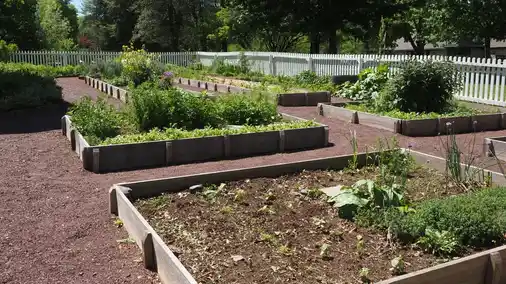
Last updated: November 05, 2026
Quick Answer: For Organic Vegetable Garden Planning for Beginners, start with a site that gets 6 to 8 hours of direct sun, beds 3 to 4 feet wide, and a soil plan that includes testing and compost.
Key Takeaways
- A beginner’s organic garden plan starts with sun, space, and a soil-fertility strategy.
- Pick the easiest sunny site, even if another corner looks better.
- Keep beds narrow enough to reach all plants without stepping inside.
- Include soil testing, compost, and a written plan for organic feeding.
An organic vegetable garden plan starts with sun, space, and soil, not seeds. For Organic Vegetable Garden Planning for Beginners, the right site and layout usually matter more than the first crop list. If the bed gets too little light, the layout is cramped, or the soil is shallow and tired, the garden will fight you all season. The good news is that a beginner can make the right calls before planting anything.
What an organic vegetable garden plan needs first
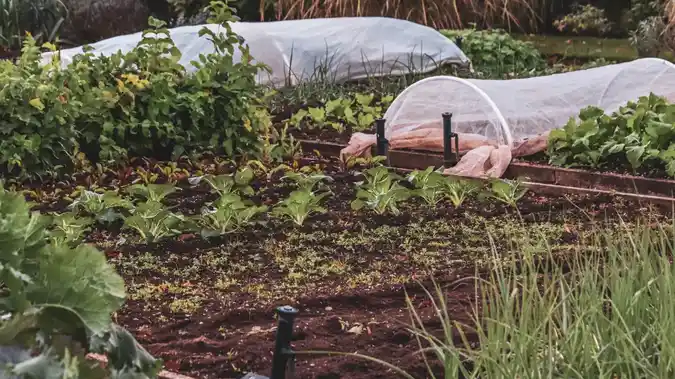
An organic vegetable garden plan needs a sunny site, a realistic amount of space, and a way to keep the soil fed without synthetic shortcuts. Before sketching beds, walk the yard for one full day and note where direct sun lands. Most vegetable crops need 6 to 8 hours of direct sun, so a spot that looks bright for only part of the day is often a poor choice.
Start with a simple map on paper. Mark buildings, fences, trees, downspouts, water access, and the path you will use to reach the garden. A beginner often places beds in the prettiest open patch, then discovers that the hose does not reach it or that a maple tree steals light by midsummer. A good plan avoids that kind of friction.
The second piece is the soil. Organic gardening depends on building fertility through compost, mulch, and careful soil management, so the starting soil matters. If the ground is compacted, stony, or very shallow, raised beds may be the smarter layout. If the native soil is decent, in-ground beds can work well and cost less.
The third piece is rotation. Even a small garden needs a plan for where crops will go next year, especially tomatoes, peppers, potatoes, beans, cabbage family crops, and lettuce. Crop rotation reduces the chance that the same nutrient demand or pest pressure keeps hitting the same spot. A beginner does not need a complex farm system; a simple 3- or 4-bed rotation is enough to start.
How do I choose the right site for sunlight and access?
Choose the site that gives the most direct sun and the easiest daily access, even if it is not the prettiest corner of the yard. This is the decision that shapes everything else, because no amount of compost can fully make up for a dark, inconvenient location.
Use a phone note, a sketch, or a yard planner to compare two or three possible spots. A bed near the kitchen door often gets better use than one hidden at the far edge of the yard. That matters because a beginner is more likely to water, weed, and harvest on schedule when the beds are easy to reach. If you have to drag a hose 60 feet through a narrow gate, the garden becomes a chore fast.
Look for these site traits:
- Sun exposure: aim for a place with 6 to 8 hours of direct sun.
- Drainage: avoid low spots where water sits after rain.
- Wind: strong wind dries plants and can shred tall crops.
- Tree roots: roots compete with vegetables for water and nutrients.
- Water access: a spigot, rain barrel, or reliable hose route matters.
If you have two acceptable spots, choose the one with the flattest ground and the fewest root problems. A slightly less attractive site with better sun is usually better than a nicer-looking patch in partial shade. This is not the time to hope that leafy crops alone will save the plan. A garden in 4 hours of sun can produce some food, but it will be a compromise, not a full vegetable garden.
For a small suburban yard, a common beginner mistake is putting beds too close to a fence or wall. That can create shade for part of the day and make the back side of the bed hard to reach. Leave enough room to walk around the beds, or at least to reach into the center without stepping on the soil.
How should I lay out vegetable beds before I plant?
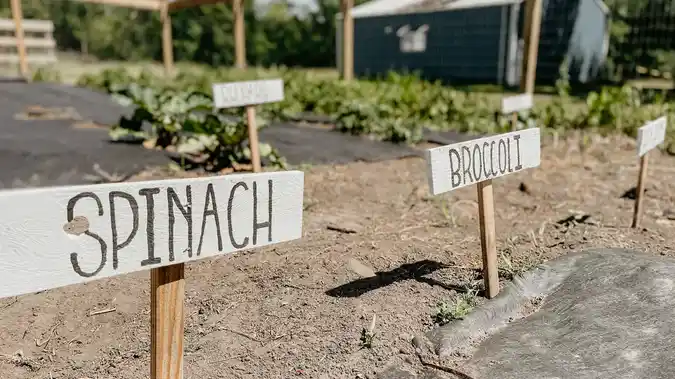
Lay out vegetable beds so every part of the bed can be reached without stepping on the growing area. That usually means narrow beds, clear paths, and a simple shape that fits the yard instead of forcing the yard to fit the garden.
A practical beginner layout often uses beds about 3 to 4 feet wide, because that width lets most people reach the center from one side or from both sides without compacting the soil. Length can vary with the site. A 6-, 8-, or 10-foot bed is easier to manage than a long run that becomes awkward to water, weed, and rotate. Keep paths wide enough for a wheelbarrow or at least for comfortable footing; 18 to 24 inches is a useful range for many small gardens.
Here is a simple planning order:
- Measure the total usable space in feet, including room for paths and access.
- Mark where the beds will sit with string, stakes, or hose lines.
- Check that each bed gets the same sun pattern through the day.
- Reserve the closest bed for crops you will harvest often, such as lettuce or herbs.
- Leave a spot for compost access and watering so those jobs do not cross the whole yard.
- Draw the final plan on paper before buying soil, edging, or seeds.
When this works, the drawing looks tidy but not crowded. You should be able to point to each bed and say what crop family will go there this season and what might move there next season. If the plan is all rectangles with no thought for reach or traffic, it is too vague.
Raised beds are a strong option if the native soil is poor, but a beginner does not need to build them from scratch to make a plan. What matters now is the footprint, the access, and the sun. Save construction details for later. An organic vegetable garden plan becomes much easier once the bed size and walkway pattern are fixed.
What soil and compost decisions belong in the plan?
Your plan should include soil testing, compost use, and a clear note about how you will keep the beds organically fed. That is the soil side of the garden, and it should be decided before planting because it affects bed choice and crop performance.
A soil test is the cleanest starting point. It tells you whether the soil is acidic, neutral, or alkaline, and it can point out nutrient gaps that compost alone will not fix quickly. Many state extension services offer soil testing, and that is the most reliable place to start if you want a plain reading rather than guesswork. If the test result shows a major pH problem, the solution may change the whole plan. That is better found out before you buy transplants.
Compost belongs in the plan as a regular input, not as a one-time rescue. Most beginner gardens do well when compost is worked into the bed surface before planting and then added again as a top dressing later in the season, depending on crop needs and soil condition. The exact amount depends on your soil and the bed depth, so the honest answer is to follow the soil test and the specific crop requirements rather than assume one universal recipe.
It also helps to think about mulch at the planning stage. Straw, shredded leaves, or untreated grass clippings can reduce evaporation and slow weeds, but check local extension guidance or ask a professional before using a mulch that could bring weed seed, disease, or herbicide residue into the beds. That means less watering and less hand weeding, both of which matter to a beginner. If the plan includes very wide beds and no mulch strategy, the maintenance load is likely too high.
One trade-off is that organic soil building is slower than dumping in a quick synthetic fix. That makes an organic plan better for someone who is willing to improve the beds over a few seasons, not someone who expects instant results from thin, exhausted ground. If the soil is deeply contaminated or badly disturbed, a professional soil assessment may be the safer starting point before any edible crop goes in.
For a trustworthy reference on soil stewardship and organic production practices, I’d point to the USDA National Organic Program and to state cooperative extension soil-testing resources. The USDA National Organic Program is also a useful reference for organic rules and standards, while your local extension office can explain soil tests in practical terms.
How should crop rotation fit into a beginner garden plan?
Crop rotation should be built into the map now, even if the first season only uses three crop groups. This keeps one bed from carrying the same crop family year after year, which helps with nutrient balance and pest pressure.
A beginner-friendly rotation can be simple:
- Bed 1: leafy crops and roots
- Bed 2: fruiting crops like tomatoes and peppers
- Bed 3: legumes such as beans or peas
- Bed 4: brassicas like cabbage, kale, or broccoli
If you only have two beds, split the garden mentally into halves and alternate the families each year. The point is not perfection; it is movement. Tomatoes should not follow tomatoes in the same exact ground if you can help it, and the same goes for other crop families that share pests or soil demands.
This is where many generic garden plans fail. They focus on what to plant this spring and ignore what happens next spring. The result is a pretty first-year bed that becomes harder to manage later. A rotation plan solves that by giving every bed a future role. Even if you change crops based on weather or appetite, the structure still helps.
A practical way to keep track is to label the beds on your paper map: A, B, C, and D. Write the crop family in each box for year one, then draw arrows for year two. That takes 10 minutes and saves confusion later. If a bed is deep in shade or has weaker soil, reserve it for crops that tolerate less ideal conditions instead of trying to force heavy feeders there.
The trade-off is that rotation can limit how much of your favorite crop you grow in one place. That is still better than planting by impulse and fixing the mess later. Organic vegetable garden planning works best when the layout assumes next year’s garden, not just this year’s shopping list.
The National Organic Program and extension publications on crop rotation are useful references if you want a deeper framework after the initial plan is drawn.
What should a beginner plan to grow first?
A beginner should plan a small, mixed garden that matches sun, space, and the family’s eating habits, not the longest seed list in the catalog. The right first planting plan is modest enough to manage and specific enough to avoid waste.
A useful approach is to group crops by how they behave in the bed. Fast crops such as lettuce, radishes, and some greens fit well along edges or in spots that will open up later. Taller crops such as tomatoes, pole beans, or trellised cucumbers need the north side of a bed in many layouts so they do not shade shorter plants. Root crops need loose, workable soil and do not belong in a bed full of rocks or fresh, undecomposed compost.
The planning question is not just “What looks good?” It is “What can I keep watered, weeded, and harvested on time?” A beginner often overplants tomatoes or zucchini and underplants the things that actually get eaten every week. A better first plan includes a few crops you know you will use, plus one or two experimental choices.
A simple rule: start with 3 to 5 crop types, not 12. That keeps the plan readable and the beds easier to rotate. If you want salad greens, tomatoes, beans, and herbs, that is enough for a first season. If you want to add succession planting later, fine, but do not make the first plan depend on a schedule you have never followed.
This page is about planning, so the honest limitation is that crop choice belongs to a separate decision. An organic plan can tell you where crops fit, how much sun they need, and how they rotate. It cannot make a bad crop list succeed in a bad site. If your spot has less than 6 hours of direct sun, many fruiting crops will underperform, and a shade-tolerant edible plan may be the better choice.
Final checks before the first seed goes in
Your plan is ready when the beds fit the sun, the paths fit your body, and the soil plan is written down. That is the point where a beginner should stop redesigning and start ordering seed, compost, or transplants.
Use this last pass before planting:
- Confirm the garden gets the best available sun in the yard.
- Check that every bed is reachable without stepping in it.
- Make sure water access is simple.
- Note which bed gets which crop family this year.
- Record whether soil testing still needs to be done.
- Decide where compost will be added first.
If one part still feels vague, fix that part now. A vague garden plan usually becomes a messy garden. The biggest cost of skipping the planning stage is not money; it is a season spent working around avoidable problems.
The clearest sign of a good plan is that it feels boring on paper. You know where each bed goes, how wide it is, what gets the most sun, and what crop family will follow next year. That kind of plain plan is exactly what a beginner needs.
What if I only have a small yard?
A small yard can still support a useful organic vegetable garden if the plan is tight and the beds are narrow. The key is to prioritize sunlight, access, and a short list of crops instead of trying to fit every favorite vegetable into the space.
For a compact site, one or two beds about 3 feet wide may be enough to start. Leave enough path space to reach every corner without stepping on the soil. If you only have one bright spot, use it for the crops that need the most sun and keep the design simple. A small garden that is easy to manage is better than a larger one that becomes a burden.
How do I choose a garden layout?
Choose the layout that gives each bed sun, access, and a clear job in the rotation plan. That is usually a simple rectangle or two rectangles with straight paths, not a complicated shape that looks clever on paper and awkward in practice.
Start by marking the site’s limits, then place the beds where the sun is best and the walking lines are shortest. If the garden needs a hose or wheelbarrow, make room for that now. A layout that is easy to maintain will usually outperform one that looks decorative but is hard to use.
What size should a vegetable garden be?
A vegetable garden should be only as large as the sun, soil, and your maintenance time can support. For a beginner, a smaller garden with a few manageable beds is usually the better choice.
A good size is the one you can water, weed, harvest, and rotate without falling behind. If the space forces beds wider than you can reach or paths that are too tight to use, it is too large for the first season.
Drafted with AI; not yet reviewed by a person.