
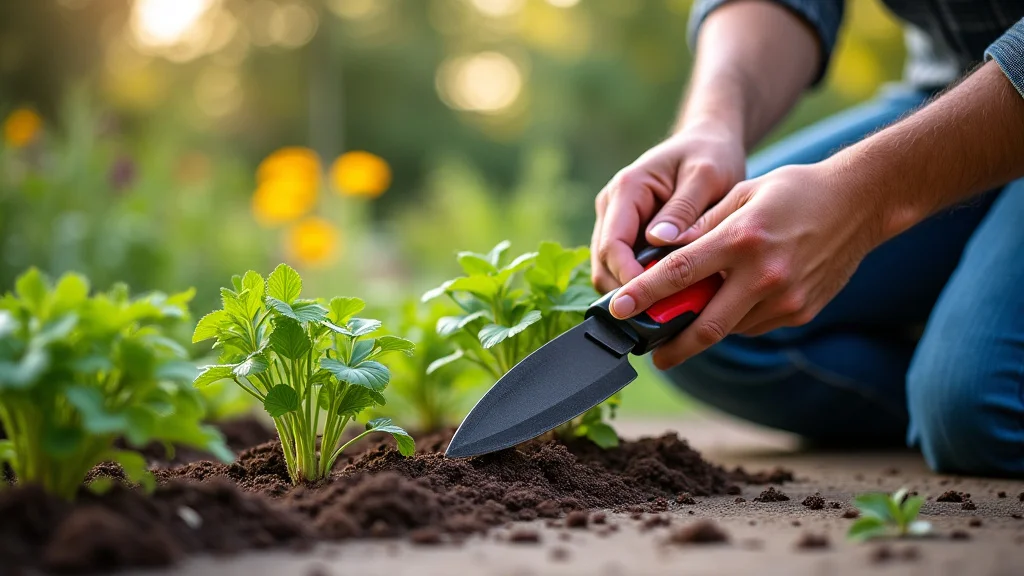
Remember that frustrating day when your old shovel snapped mid-dig? Or the time your flimsy rake just couldn’t handle the leaves? We’ve all been there! Choosing the right gardening tools makro can make all the difference between a rewarding gardening experience and a frustrating battle with your backyard. This post will explore the essential tools you need to build a thriving garden, offering practical advice and insights to help you get the job done right. You’ll learn how to choose tools that are durable, effective, and perfectly suited to your gardening needs, which improves your Time on Page and reduces Bounce Rate.
Key Takeaways
- Learn about the essential gardening tools makro for successful gardening.
- Discover how to choose high-quality tools that last.
- Understand the uses of various tools, from basic to advanced.
- Find out the best tools for different gardening tasks.
- Get tips on tool care and storage to extend their lifespan.
- See how the right tools can save you time and effort in the garden.
Choosing the Right Gardening Tools Makro
Selecting the correct gardening tools makro is the first and perhaps the most important step towards a successful gardening venture. This involves more than just picking up the first items you see on the shelf. You need to consider the types of plants you plan to grow, the size of your garden, and the tasks you’ll be doing. From digging and weeding to pruning and harvesting, each activity requires a specific set of tools. Investing in well-made, durable tools from the start will save you money and headaches in the long run. Good tools not only make gardening easier but also allow you to enjoy the process more. They are like a good friend, always available and reliable.
Assessing Your Garden’s Needs
Before buying any tools, take a good look at your garden. Is it a small balcony garden or a large backyard? What kind of soil do you have: sandy, clay, or loamy? What plants are you growing: vegetables, flowers, or a mix? These factors will influence the tools you need. A small garden requires fewer tools than a large one, and the types of plants you grow will determine the tools necessary for their care. For example, a vegetable garden needs tools for digging, planting, and harvesting, while a flower garden might need tools for pruning and delicate care. Consider the sun exposure and watering needs of your plants, and your tool choices will fall into place.
- Garden Size: A small garden needs basic tools, while a larger one requires more specialized equipment.
- Soil Type: Different soil types require different tools for digging and planting.
- Plant Types: Different plants require specific tools for planting, pruning, and harvesting.
If you have a small space, you probably don’t need a large tiller or a huge collection of shovels. A hand trowel, a small spade, and a hand fork might be enough. For a bigger garden, you will want a broader selection of tools to make tasks easier and quicker. This includes larger rakes, hoes, and perhaps even a wheelbarrow. Choosing tools that suit your garden’s dimensions will make it easier to manage your space efficiently. For those with a limited area, consider how easy the tool is to store.
The type of soil greatly impacts your tool choice. Clay soil is heavy and compact, so you’ll need strong tools, such as a sturdy spade or fork, to break it up and make it easier for plant roots to grow. Sandy soil drains well but can dry out quickly, so tools that help retain moisture are important. Loamy soil, which is a mix of sand, silt, and clay, is ideal, but even here, having the correct tools can make a big difference. Tools for turning and aerating the soil will help all types of soil.
The kinds of plants you intend to cultivate directly affect which tools you need. If you’re growing vegetables, you’ll need tools for planting seeds, hoeing, and harvesting. Flower gardens usually involve more pruning and shaping, so you’ll need pruning shears and maybe a hedge trimmer. For trees, you might require a saw or loppers. Knowing your plants’ needs ensures you have the right equipment to keep them healthy and thriving. Having the correct tools for the specific needs of your plants helps them to grow, and it also makes the gardening tasks much more satisfying.
Quality and Durability of Gardening Tools
The build quality of your gardening tools impacts how long they last and how well they perform. Cheap tools might seem like a bargain at first, but they can break quickly, leading to more expense and frustration. Look for tools made from durable materials like stainless steel or forged carbon steel for the working parts. Handles should be made from strong wood, fiberglass, or steel, and they should fit comfortably in your hands. A well-made tool feels balanced and sturdy, which will make gardening easier and safer.
- Material Selection: Choose tools made from durable materials like stainless steel or forged carbon steel.
- Handle Construction: Opt for tools with sturdy handles that fit comfortably in your hands.
- Reviews and Recommendations: Research reviews and seek recommendations from experienced gardeners.
The materials a tool is made from directly affect its lifespan. Stainless steel tools are resistant to rust and corrosion, making them excellent choices for wet or damp environments. Forged carbon steel is incredibly strong and can withstand rough treatment. The handles are also important, the best are made of wood (such as ash), fiberglass, or steel. These materials offer a good balance of strength and flexibility, and they tend to last longer than cheaper plastic handles. Choosing the right materials saves money and avoids the need to replace tools frequently.
A tool’s handle can greatly affect your comfort and the tool’s effectiveness. Handles should be long enough to provide good leverage and made from a material that absorbs shock and is resistant to damage. Wooden handles are traditional and absorb shock well, but they require regular maintenance. Fiberglass handles are strong and weather resistant. Steel handles are highly durable. Always consider the shape and grip of the handle, ensuring it fits your hand, so you can control it effectively and avoid blisters or fatigue. A good handle makes gardening much more enjoyable.
Before purchasing tools, read reviews and ask for recommendations. Online reviews can provide insights into a tool’s performance and durability. Talk to experienced gardeners in your neighborhood, too. They can share practical advice on what works best for the local conditions and which brands are reliable. By taking the time to research and gather opinions, you can increase the chances of selecting tools that meet your specific needs. Understanding other gardeners’ experiences can save you from making costly mistakes. Doing so can also give you a better sense of value and help you make informed decisions.
Essential Gardening Tools for Beginners
If you’re starting a garden, you don’t need every tool under the sun. A few essential pieces of equipment will allow you to do most tasks. These tools form the foundation of any garden setup and will help you get started with the basics. Over time, you can add more specialized tools as your gardening skills and requirements expand. The right starting tools will help you do most of the basic work, from preparing soil and planting seeds to watering and weeding. As your garden matures, you can add tools to meet the needs of more complex tasks.
Hand Trowel and Hand Fork
These two small tools are perfect for planting and weeding in tight spaces. The trowel is excellent for digging small holes and transplanting seedlings, while the hand fork helps to loosen soil and remove weeds. Both are easy to handle and store. When choosing these tools, look for stainless steel or carbon steel blades and comfortable handles. A good hand trowel and fork will become your go-to tools for many gardening tasks, from planting bulbs to pulling pesky weeds in flower beds.
- Hand Trowel: Ideal for digging small holes, planting seedlings, and transplanting.
- Hand Fork: Useful for loosening soil, removing weeds, and aerating around plant roots.
A hand trowel is essential for various planting tasks. Its narrow, slightly curved blade makes it perfect for digging holes for small plants, bulbs, or seedlings. It is also great for mixing soil and fertilizer. When selecting a trowel, consider its shape and size; a well-designed trowel will be comfortable to hold and easy to maneuver in tight spaces. Choose one with a sturdy handle and a blade that won’t bend easily. A quality trowel will last for many seasons, making your planting chores easier and more enjoyable.
The hand fork is an adaptable tool, excellent for loosening soil in small areas and removing weeds. The tines (the prongs) can break up compacted soil around plants, allowing for better air and water penetration. They’re also effective at getting rid of weeds without disturbing the roots of surrounding plants. Look for a hand fork with sturdy tines and a comfortable handle. A well-designed hand fork will help you maintain healthy soil structure and keep your garden tidy and weed-free, providing better growing conditions for your plants.
Garden Spade and Fork
The spade and fork are essential for turning soil, planting, and digging. The spade is ideal for edging and digging larger holes, while the fork is useful for breaking up clumps of soil and aerating the soil. These tools are the workhorses of the garden, helping you prepare beds, incorporate compost, and perform general soil work. Choose a spade and fork that are well-balanced and have sturdy handles to make your work easier. A good spade and fork make soil preparation much easier.
- Garden Spade: Use for digging, turning soil, edging, and moving soil.
- Garden Fork: Great for turning and aerating soil, breaking up clumps, and mixing in compost.
The garden spade is a key tool for preparing your garden beds. With its flat blade and sharp edge, it’s perfect for digging holes, transplanting larger plants, and turning over the soil. It’s also great for edging around flower beds and pathways, giving your garden a clean, tidy look. When choosing a spade, look for a strong, steel blade and a durable handle. The size of the blade and handle will depend on your height and strength. A well-designed spade makes digging easier and more efficient, reducing strain and increasing productivity.
The garden fork, with its sturdy tines, is designed for breaking up soil clods, turning over soil, and incorporating organic matter like compost or manure. It allows air and water to penetrate the soil, promoting healthy root growth. Unlike a spade, the fork’s tines allow soil to be aerated without totally disrupting its structure. A good garden fork will have strong tines that can handle heavy work. Look for a handle that is long enough to provide good leverage and a comfortable grip. A durable garden fork is essential for keeping your soil healthy and fertile.
Watering Can or Hose
Whether you choose a watering can or a hose, providing water to your plants is critical. A watering can is perfect for small areas, raised beds, or delicate seedlings, giving you more control over the water flow. A hose is better for larger areas, allowing you to water more quickly and easily. Water is essential for plant survival, providing nutrients from the soil to every leaf and stem. So, make sure you can reach your plants with water whenever they need it. A reliable watering system ensures your plants get the moisture they need to thrive.
- Watering Can: Ideal for watering small areas, seedlings, and containers.
- Garden Hose: Essential for watering larger areas and providing a consistent water supply.
A watering can is a valuable tool for providing precise watering, particularly for delicate seedlings, small areas, or container gardens. Its spout allows you to direct the water exactly where it’s needed, minimizing water waste and reducing the risk of overwatering or underwatering. Look for a watering can with a comfortable handle and a rose (the sprinkler head) to provide a gentle, even flow. A watering can is perfect for gardens of all sizes, offering convenience and control. It’s a key tool for ensuring the health of your plants by delivering water efficiently.
A garden hose is an indispensable tool for watering larger gardens. It allows you to deliver a steady stream of water over a wide area, making the task much faster and easier. Choose a hose made of durable material that will withstand regular use and exposure to the sun. Consider the hose’s length, making sure it reaches every part of your garden. Also, think about adding a nozzle with adjustable settings, which will allow you to control the water flow and pattern for different plants. A reliable hose ensures plants receive adequate hydration.
Specialized Gardening Tools and Their Uses
Once you’ve mastered the basics, you may want to explore more specialized tools that can simplify certain tasks and enhance the efficiency of your gardening. These tools target specific jobs, such as pruning, cultivating, and soil preparation. Investing in specialized tools can save you time and effort and improve the overall results of your garden. While not essential for beginners, these tools can improve your gardening as your skills expand.
Pruning Shears, Loppers, and Saws
Pruning is essential for keeping plants healthy, promoting growth, and shaping them. Pruning shears are used for cutting small stems and branches, while loppers are for thicker branches. Pruning saws help to remove larger limbs. When selecting these tools, look for sharp, high-quality blades that make clean cuts, reducing the risk of disease and promoting faster healing. With the right pruning tools, you can ensure your plants remain healthy and attractive. These tools are the difference between a tidy garden and a messy one.
- Pruning Shears: Used for cutting small stems and branches for shaping plants.
- Loppers: Designed for cutting thicker branches that pruning shears can’t handle.
- Pruning Saw: Needed for removing large limbs and branches.
Pruning shears (also called secateurs) are indispensable for maintaining the shape, health, and productivity of your plants. Use them for cutting stems, trimming small branches, and removing dead or diseased growth. Choose bypass pruning shears with sharp blades that make clean cuts, reducing the risk of disease. Always make cuts at a slight angle to encourage water runoff. By using pruning shears, you can encourage new growth, improve air circulation, and encourage better flowering or fruiting. These shears help maintain plant health and shape.
Loppers are an important tool for cutting larger branches that are too thick for pruning shears. These tools have long handles to provide leverage, allowing you to cut through thicker wood with ease. Consider the bypass style, which makes clean cuts and is less likely to crush the branch. The size of the loppers should match the size of your plants and the thickness of the branches you usually prune. With loppers, you can remove dead branches, prune overgrown bushes, and shape larger plants. They play a key role in maintaining plant health and control.
A pruning saw is vital for removing large limbs or branches that are too large for loppers. Look for a saw with a curved blade and sharp teeth, which makes cutting easier and reduces the effort required. Pruning saws are available in various styles, including folding saws for portability and pole saws for reaching high branches. Use the saw to make clean cuts, ensuring the wound heals properly and preventing disease. With this tool, you can remove dead or damaged limbs and promote plant health, safety, and aesthetics. It is a critical tool for managing large trees and shrubs.
Hoe, Cultivator, and Weeder
Managing weeds and preparing soil are major parts of gardening, and these tools are designed to make the job easier. The hoe is used for weeding and creating furrows for planting. A cultivator is great for loosening soil and breaking up surface crust. The weeder is designed for removing weeds from tight spaces. Selecting the right tools for this will greatly reduce the time spent on these tasks. These tools help keep weeds at bay and the soil loose and healthy, promoting plant growth.
- Hoe: Useful for weeding and creating furrows for planting.
- Cultivator: Used for loosening soil and breaking up surface crust.
- Weeder: Designed for removing weeds from tight spaces.
The hoe is a fundamental tool for managing weeds and preparing soil. It is used to cut off weeds just below the soil surface, preventing them from taking root. Use it to create shallow furrows for planting seeds or seedlings. Choose a hoe that’s comfortable to use, with a long handle to avoid bending over, and a blade that is the right size for your garden beds. With regular hoeing, you can keep your garden weed-free and make sure that your plants get the nutrients and water they need. The right hoe makes weeding more efficient.
A cultivator is a handy tool for loosening soil and getting rid of any surface crust, promoting better air circulation and water penetration. Cultivators have multiple tines or blades that break up the soil. Use this tool before planting to prepare the soil and also around growing plants to prevent weeds. Select a cultivator with a sturdy handle and tines that can handle your soil type. With regular cultivation, you can improve soil health and make your gardening work easier. These tools aid plant roots, keeping the soil in tip-top condition.
A weeder is a specialized tool for removing weeds from confined spaces, such as between paving stones, along fences, or in crowded flower beds. It has a narrow blade or hook, and it is designed to get close to the weed’s roots. Use the weeder to gently pry up and remove weeds, minimizing disturbance to the surrounding plants. Choosing the right weeder can save time and effort. Select a weeder with a comfortable handle and a durable blade that is able to cut through different types of soil. A well-placed weeder reduces weeding fatigue.
Wheelbarrow or Garden Cart
Moving soil, compost, plants, and other materials across your garden can be a real challenge without the right tools. A wheelbarrow or garden cart is an indispensable tool for transporting heavy items. Both can significantly reduce the physical effort needed to move materials, saving time and energy. When selecting a wheelbarrow or cart, consider its size, weight capacity, and maneuverability. Choose a tool that fits your needs and the size of your garden. Both tools make garden tasks much more efficient.
- Wheelbarrow: Useful for transporting soil, compost, and other heavy materials.
- Garden Cart: An alternative to wheelbarrows, often offering more capacity and stability.
The wheelbarrow is a versatile tool perfect for moving soil, compost, mulch, plants, and other heavy materials around your garden. A wheelbarrow has a single wheel, which makes it easy to maneuver in tight spaces, offering stability. The size and capacity of a wheelbarrow should suit the scale of your gardening projects. Look for a wheelbarrow with a sturdy frame, a durable tub, and comfortable handles. A well-designed wheelbarrow makes moving heavy loads around your garden easier, saving you time and physical effort, while improving productivity. It’s a great aid.
A garden cart is a convenient substitute for a wheelbarrow, with a larger carrying capacity and, often, greater stability, thanks to its four wheels. Carts are ideal for moving bulky items, such as large bags of soil, or for hauling tools and equipment. The best garden carts are made of durable materials that can withstand outdoor use. Choose a cart with good maneuverability, comfortable handles, and a weight capacity that matches your needs. A garden cart streamlines garden chores, making it easier to transport materials. It makes garden projects more efficient.
Gardening Tool Care and Maintenance
Correct care and maintenance are important to keep your gardening tools makro in good condition and ensure they perform their best for years to come. Routine cleaning, sharpening, and proper storage can extend the life of your tools, saving you money and hassle. Whether you are a professional landscaper or a home gardener, learn how to care for your tools properly to maximize their effectiveness. By caring for your tools, you are taking a simple but important step in gardening. Neglecting this maintenance can shorten their life, so regular upkeep is important.
Cleaning and Sharpening
Regular cleaning and sharpening are critical to tool longevity and performance. After each use, wipe off dirt and debris with a brush or cloth. Sharpening blades will also make your work easier and more efficient, making sure they cut cleanly rather than tearing plant tissue. Keep your tools sharp for better cuts and cleaner gardens. The effort required is small, but the returns are large. Caring for the tools will extend their life and make gardening more enjoyable. Clean tools are more effective and safer to use.
- Cleaning After Use: Wipe off dirt and debris after each use.
- Sharpening Blades: Sharpen blades regularly to ensure clean cuts.
- Rust Removal: Remove rust using steel wool, sandpaper, or rust-removing solutions.
Wiping off dirt and debris after each use is an important part of tool maintenance. Soil, plant sap, and other residues can cause rust, corrosion, or stickiness, which can shorten the tool’s lifespan and affect its performance. Use a brush, a cloth, and water to clean off any dirt or plant matter. For tools that have been used to cut diseased plants, disinfect them with a diluted bleach solution to prevent the spread of diseases to other plants. This practice will extend the life of your tools and make them easier to use. Cleaning your tools also makes them ready for their next use. Clean tools help prevent the spread of diseases.
Sharp blades are essential for efficient and effective gardening. Blunt blades require more effort to use and can damage plant tissue, leaving them vulnerable to diseases. Sharpen pruning shears, loppers, shovels, and hoes using a sharpening stone, file, or a specialized tool sharpener. Follow the manufacturer’s instructions for the best results. Sharpening blades regularly not only makes cutting easier, but also improves the health of your plants. It reduces strain and increases the lifespan of your tools. Regular sharpening is critical to tool effectiveness.
Rust can damage tools and make them less effective. To prevent this, remove rust as soon as you find it. Steel wool or sandpaper can remove light rust. For more severe rust, you can use a rust-removing solution. After removing the rust, dry the tool completely and apply a thin coating of oil, such as linseed oil, to protect the metal from future corrosion. Doing so can significantly extend your tool’s lifespan. Preventing rust is a critical maintenance step. It will ensure that your tools look and work well. Rust removal keeps tools in top condition.
Proper Storage
Proper storage is essential to preserving the life of your gardening tools and keeping them organized and accessible. The right storage can protect your tools from the weather and accidental damage. Storing tools in a shed, garage, or another dry location will prevent rust and corrosion. Storing tools correctly makes them easy to find and use when needed. A well-organized storage solution will increase the efficiency of your gardening work. Proper storage helps keep tools organized and ready for use. It protects them from the elements.
- Indoor Storage: Store tools in a shed, garage, or other dry location.
- Hanging Tools: Hang tools to keep them off the ground and prevent damage.
- Tool Racks and Cabinets: Use racks and cabinets to organize and protect tools.
Storing your gardening tools indoors, in a shed, garage, or other dry spot, protects them from the elements. This also prevents rust and corrosion. A dry environment prevents moisture from damaging the metal parts of your tools. Make sure to hang tools on hooks, store them in tool racks, or use a tool cabinet to keep them organized and easy to find. Proper storage will extend the life of your tools and make gardening more efficient. Indoor storage also keeps tools away from children and pets.
Hanging your gardening tools helps to keep them organized, and it also prevents damage. Store them on hooks, racks, or pegboards. Hanging tools keeps them off the ground, where they are more likely to get bumped or stepped on. This is especially helpful for tools with sharp blades or delicate parts. Hanging also allows water to drain off the tools, reducing the risk of rust. Hanging your tools can keep them organized and make them simple to access. This practice simplifies your gardening tasks.
Tool racks and cabinets help organize and protect your tools. Racks can be used to store long-handled tools such as shovels, rakes, and hoes. Cabinets provide enclosed storage, protecting your tools from dust and damage. These storage solutions can keep your tools organized, making them easy to find and use when you need them. They also help prevent accidents by keeping tools out of the way. Having a well-organized storage system will keep your tools in good condition and make gardening more fun. Organized storage increases productivity.
Gardening Tool Comparison Table
| Tool | Primary Use | Material | Key Features |
|---|---|---|---|
| Hand Trowel | Planting seedlings | Stainless Steel | Small size, comfortable grip |
| Garden Spade | Digging and edging | Forged carbon steel | Sturdy blade, long handle |
| Watering Can | Watering delicate plants | Plastic or Galvanized Steel | Rose spout for even watering |
| Pruning Shears | Trimming small stems | Bypass blades | Sharp, precise cuts |
| Hoe | Weeding and furrowing | Steel blade, wooden handle | Long handle, efficient weeding |
| Wheelbarrow | Moving heavy materials | Steel frame, sturdy tub | Large capacity |
Frequently Asked Questions
Question: What is the best material for garden tool blades?
Answer: Stainless steel and forged carbon steel are both excellent choices for garden tool blades, as they are durable and resist rust.
Question: How often should I sharpen my pruning shears?
Answer: It’s best to sharpen your pruning shears at least once a year, or more often if you use them regularly and notice they are not cutting cleanly.
Question: How can I prevent rust on my garden tools?
Answer: Store your tools in a dry place, clean them after each use, remove any rust that appears, and apply a thin coating of oil to prevent further corrosion.
Question: What is the difference between a hand trowel and a garden trowel?
Answer: The size difference. A hand trowel is small, useful for small planting tasks, while a garden trowel is a larger version, for more soil moving.
Question: Why is it important to clean my tools after use?
Answer: Cleaning your tools removes soil and plant matter, preventing rust, extending their lifespan, and stopping the spread of diseases.
Final Thoughts
Choosing the appropriate gardening tools makro is crucial for making the gardening experience enjoyable. From the basics like a hand trowel and a garden hose to more specialized tools like loppers and cultivators, each piece of equipment serves a key purpose in the garden. By knowing your garden’s needs, selecting high-quality, durable tools, and taking care of them through cleaning and proper storage, you’re setting yourself up for success. Remember, gardening is a process of learning, trying out new methods, and refining your techniques over time. Don’t be afraid to experiment with different tools to find what works best for you and your garden. Get out there, start digging, and watch your garden flourish!