
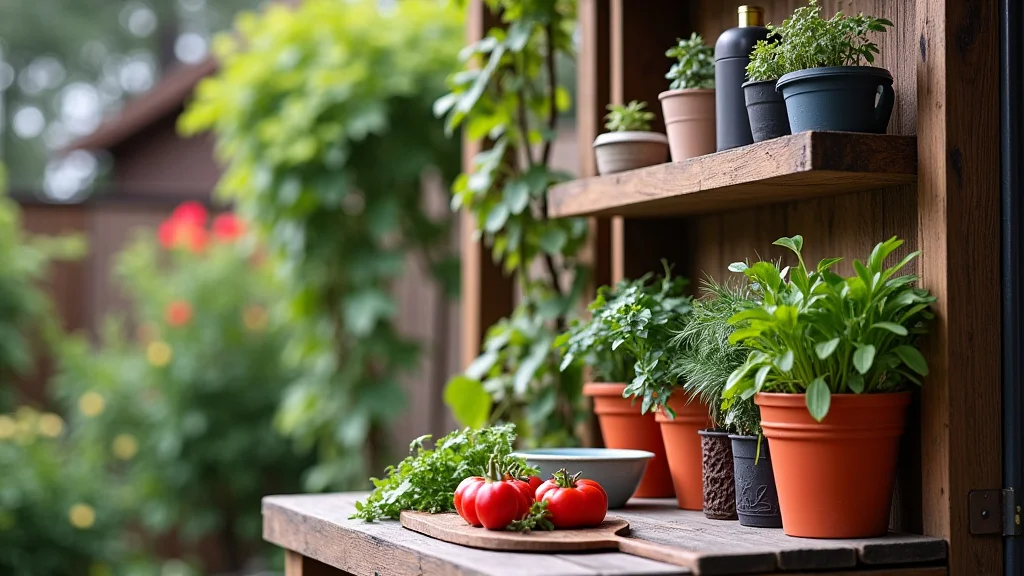
Picture this: it’s a beautiful Saturday, and you’re eager to get your hands dirty in the garden. You head out to the shed, ready to begin, but are immediately greeted by a tangled mess of shovels, rakes, and trowels. Sound familiar? That frustration of struggling to find the right gardening tools storage can quickly dampen your gardening enthusiasm. This guide is all about transforming that chaos into a calm, organized space where everything has its place. You’ll learn the best ways to keep your tools accessible and protected, maximizing your time spent enjoying your garden. By the end, you’ll have practical ideas for creating an efficient and enjoyable gardening experience. You will gain ideas to organize your space for the best gardening tools storage.
Key Takeaways
- Discover various gardening tools storage solutions for different spaces and needs.
- Learn how to clean and maintain your tools to extend their lifespan.
- Explore space-saving ideas for small gardens and limited storage.
- Understand the importance of safety when storing sharp and hazardous items.
- Find inspiration for organizing tools to improve gardening efficiency.
- Get tips on protecting your tools from the elements.
Choosing the Right Gardening Tools Storage Solutions
The first step in creating an organized garden is choosing the right gardening tools storage. This involves evaluating your space, the number of tools you own, and the climate conditions. Will you need a small storage box, a large shed, or something in between? Considering these aspects will help determine the best solutions to meet your specific needs and create an effective gardening workspace. From small storage solutions to larger storage options, there’s a multitude of choices available, each with pros and cons.
Storage Sheds
Storage sheds are an excellent choice for serious gardeners or those with a lot of tools. They provide ample space to store everything from shovels and hoes to lawnmowers and fertilizer. Sheds offer superior protection from the elements, shielding your tools from rain, snow, and sun damage. You can choose from various sizes and materials, including wood, plastic, and metal, each with different price points and maintenance requirements. Remember to consider the shed’s location, ensuring it’s accessible and fits well with your garden’s overall design.
- Size Considerations: Measure your tools and plan for future acquisitions. Leave room for a workbench or potting area.
- Material Selection: Wood offers a classic look but requires regular maintenance. Plastic is low-maintenance, while metal can be durable.
- Accessibility: Ensure easy access to your tools, with wide doors and clear pathways inside the shed.
- Ventilation: Proper ventilation prevents mold and mildew. Consider adding vents or windows.
Toolboxes and Storage Boxes
For gardeners with fewer tools or limited space, toolboxes and storage boxes are excellent options. These come in various sizes and materials, ranging from small plastic boxes for hand tools to larger metal tool chests. They’re portable, making it easy to move your tools around the garden as needed. Toolboxes are especially useful for keeping small hand tools organized and readily available. Storage boxes can also hold gardening supplies such as gloves, twine, and seed packets.
- Portability: Choose a toolbox or box with handles or wheels for ease of movement.
- Durability: Select a material that can withstand the elements, such as weather-resistant plastic or metal.
- Organization Features: Look for toolboxes with compartments, trays, or dividers to keep tools neatly organized.
- Weather Resistance: Ensure your toolbox or box provides adequate protection from rain and moisture, preventing rust and damage.
Wall-Mounted Storage
Wall-mounted storage solutions are perfect for freeing up floor space, particularly in a small shed or garage. These can include pegboards, tool racks, and hanging organizers. Pegboards are a versatile option, allowing you to customize the layout to fit your specific tools. Tool racks are designed to hold long-handled tools upright, while hanging organizers are great for storing gloves, small hand tools, and other accessories. They make it simple to see everything at a glance and keep tools within easy reach.
- Pegboards: Pegboards provide a versatile and customizable system for hanging tools.
- Tool Racks: Tool racks are excellent for storing long-handled tools and keeping them organized.
- Hanging Organizers: These are ideal for storing small hand tools, gloves, and other accessories.
- Installation: Make sure to securely mount wall-mounted solutions on a sturdy surface.
Cleaning and Maintaining Your Gardening Tools
Proper cleaning and maintenance of your tools are crucial for their longevity and performance. This involves regular cleaning after each use, sharpening blades, and oiling moving parts. Regular maintenance prevents rust, corrosion, and wear and tear, ensuring your tools remain in top condition for many seasons. It also helps to prevent the spread of diseases between plants, as dirty tools can transmit pathogens.
Cleaning Your Tools
After each gardening session, take a few minutes to clean your tools. This removes dirt, sap, and plant debris that can cause corrosion and rust. Use a wire brush or scraper to remove any stuck-on debris, then wash the tools with soap and water. Dry them thoroughly before storing. This simple step can dramatically increase the lifespan of your tools. Regular cleaning is a straightforward way to keep your tools in excellent condition.
- Remove Debris: Use a wire brush or scraper to remove dirt, mud, and plant residue.
- Wash with Soap and Water: Clean tools with soapy water to remove any lingering grime.
- Rinse and Dry: Rinse tools thoroughly and dry them completely to prevent rust.
- Sanitize: For tools used on diseased plants, sanitize them with a bleach solution or rubbing alcohol.
Sharpening Blades
Sharp tools are more efficient and safer to use. Dull blades require more effort and can damage plants. Sharpen pruners, shovels, and hoes regularly using a file or sharpening stone. Follow the manufacturer’s instructions for the best results. Sharpening your tools not only improves performance but also reduces the risk of accidents caused by dull blades that can slip or require excessive force.
- Use a File or Sharpening Stone: Select the correct tool for the blade type.
- Follow the Blade Angle: Maintain the original angle of the blade for effective sharpening.
- Hone the Edge: After sharpening, hone the edge to remove any burrs.
- Safety First: Wear gloves and safety glasses when sharpening tools.
Oiling and Protecting
Apply oil to the moving parts of your tools, such as the hinges of pruners and loppers, to prevent rust and ensure smooth operation. Use a rust inhibitor or protectant spray on metal surfaces to guard against corrosion. Storing tools in a dry location is also crucial. Proper lubrication and protection of the metal parts helps preserve your tools and makes them easier to use. These simple steps can make your gardening tools last for many years to come.
- Oil Moving Parts: Apply oil to the hinges and joints of your tools to prevent rust and maintain smooth operation.
- Use Rust Inhibitors: Use a rust inhibitor or protectant spray on metal surfaces.
- Store in a Dry Place: Keep your tools in a dry shed, toolbox, or storage box.
- Regular Inspections: Regularly inspect your tools for any signs of wear or damage.
Space-Saving Ideas for Small Gardens
If you have a small garden or limited outdoor space, you can still create an organized and efficient gardening setup. This involves making smart use of vertical space, multi-functional tools, and creative storage solutions. From hanging planters to narrow storage shelves, the possibilities for maximizing your limited space are plentiful.
Vertical Storage Solutions
Vertical storage is your best friend when space is tight. Utilize wall space by installing shelves, racks, or pegboards to store tools. Hang pots, tools, and accessories. Consider using a ladder shelf to create vertical storage space for plants and supplies. By building up, rather than out, you can store more items in a smaller area. This provides a clear, convenient location for all the gardening tools and supplies that are needed.
- Shelves: Install shelves to store pots, planters, and gardening supplies.
- Racks: Hang tool racks to store long-handled tools on walls.
- Pegboards: Use pegboards to hang smaller tools and accessories.
- Ladder Shelves: These can serve as both storage and a display for plants.
Multi-Functional Tools
Embrace tools that serve multiple purposes to reduce clutter. A multi-head tool can be a hoe and a rake, saving storage space. Look for tools that have multiple functions or attachments. These can include foldable saws, trowels with built-in measuring, and gardening gloves with storage pockets. This approach minimizes the number of tools you need to store and makes the best use of your available space. Using tools that provide several benefits can make a significant difference.
- Multi-Head Tools: Choose tools with interchangeable heads.
- Folding Tools: Use foldable saws and other folding tools.
- Trowels with Measuring: These can also function as a ruler.
- Gloves with Pockets: These can hold small accessories.
Creative Storage Solutions
Think outside the box when creating storage solutions. Consider using old buckets, containers, or repurposed items as planters or storage for tools. A bench with built-in storage can provide a comfortable seating area and a place to keep your tools hidden away. These solutions provide extra space and keep the work area tidy, making gardening even more enjoyable. This provides both functional and attractive storage solutions that make the most of the available space.
- Repurposed Items: Reuse old containers, buckets, or crates.
- Bench with Storage: Use a bench with built-in storage.
- Rolling Carts: Use rolling carts for easy tool transport.
- Outdoor Storage Boxes: These can hold tools and other gardening supplies.
Safety and Gardening Tools Storage
Safety should always be a top priority when it comes to gardening and gardening tools storage. This involves storing sharp and hazardous tools properly, keeping them out of reach of children and pets, and always wearing appropriate safety gear. By following these guidelines, you can create a safer gardening environment for everyone. It’s about protecting yourself, your family, and your pets from accidents and injuries.
Storing Sharp Tools
Always store sharp tools like pruners, saws, and shovels with their blades covered or safely secured. Use blade guards or sheaths to prevent accidental cuts. Store tools in a way that prevents them from falling or being knocked over. These measures are crucial to prevent injuries. Safe storage is not only important for your well-being but also the well-being of those around you. Proper storage is crucial.
- Use Blade Guards: Cover blades with guards or sheaths.
- Store Upright: Keep tools upright in a rack or holder.
- Secure Tools: Prevent tools from falling or tipping over.
- Separate Sharp Tools: Store sharp tools away from other items.
Keeping Tools Out of Reach
Store tools in a locked shed, toolbox, or storage container, especially if you have children or pets. Keep tools out of reach of small children and animals, who may not understand the potential dangers. Make sure the storage area is inaccessible. Using protective measures will help prevent accidents. This offers added protection from unintentional injuries.
- Locked Storage: Use a locked shed, toolbox, or container.
- High Shelves: Store tools on high shelves.
- Childproof Latches: Secure containers with childproof latches.
- Supervision: Supervise children when tools are in use.
Using Protective Gear
Always wear appropriate safety gear when gardening and storing tools. This includes gloves, safety glasses, and sturdy shoes. Gloves protect your hands from cuts, blisters, and thorns. Safety glasses shield your eyes from debris, and sturdy shoes protect your feet from injury. Wearing the proper safety gear will also minimize the risk of accidents. This ensures that you are prepared for safe gardening practice.
- Gloves: Wear gloves to protect your hands.
- Safety Glasses: Use safety glasses to protect your eyes.
- Sturdy Shoes: Wear sturdy shoes to protect your feet.
- Ear Protection: Use ear protection when using power tools.
Improving Gardening Efficiency with Organized Tools
An organized garden and efficient gardening tools storage can significantly improve your gardening experience. Keeping your tools accessible and knowing where everything is will save you time and reduce frustration. This not only makes gardening more enjoyable but also allows you to focus on the task at hand. Creating a well-organized system can greatly enhance your overall gardening experience.
Organizing by Task
Group tools by the tasks they are used for, such as planting, pruning, or weeding. This makes it easier to find the tools you need when you’re working in the garden. For example, keep your planting tools (trowel, hand shovel, dibber) together in a caddy or toolbox. By having your tools organized by task, you can move smoothly through your gardening chores. When everything has its place, it’s easier to maintain your gardening rhythm.
- Planting Tools: Group trowels, hand shovels, and dibbers.
- Pruning Tools: Group pruners, loppers, and saws.
- Weeding Tools: Group hoes, weeders, and cultivators.
- Watering Tools: Group hoses, watering cans, and sprinklers.
Creating a Tool Caddy
Create a tool caddy or a portable container to carry essential tools with you as you work in the garden. This could be a small toolbox, a bucket with pockets, or a specially designed caddy. Keep your most frequently used tools in this caddy to avoid unnecessary trips back and forth to your storage area. This provides a convenient way to bring all the tools you need when you’re working on projects. This setup streamlines your efforts and keeps you focused on your gardening work.
- Small Toolbox: Use a small toolbox with compartments.
- Bucket with Pockets: Consider a bucket with pockets for small tools.
- Specialized Caddy: Utilize a caddy designed for gardening tools.
- Carry Essentials: Keep your most frequently used tools on hand.
Labeling and Inventory
Label your storage containers, shelves, and tool racks to easily identify the contents. This helps ensure that everything is returned to its proper place after use. It can also be helpful to create an inventory list of your tools. A simple list allows you to know what you own, what needs replacing, and what you may be missing. This organization and planning will reduce the chance of misplacing items. This also helps you efficiently manage your gardening tools.
- Label Containers: Label storage containers, shelves, and racks.
- Inventory List: Create an inventory list of your tools.
- Check Regularly: Regularly check your tools to see if they’re there.
- Replace or Repair: Replace or repair damaged tools.
Protecting Your Tools from the Elements
Protecting your tools from the elements, like rain, sun, and temperature changes, helps to extend their lifespan and ensure their performance. This includes choosing the right storage location, using covers, and properly cleaning and maintaining your tools. Providing the tools with adequate protection from the elements allows them to work at their best for longer periods of time. This will help to safeguard your gardening tools.
Choosing the Right Location
When selecting a storage location for your tools, consider factors like shade, dryness, and ventilation. A shed or storage box provides protection from rain and direct sunlight. Ensuring proper ventilation prevents the build-up of moisture and mold. A good location will significantly reduce damage from the elements. This creates a more stable, suitable environment for all of your gardening tools.
- Shade: Store tools in a shaded area to prevent sun damage.
- Dryness: Store tools in a dry location to prevent rust.
- Ventilation: Provide ventilation to prevent moisture build-up.
- Accessibility: Choose a location that is easily accessible.
Using Covers and Coatings
Use protective covers or coatings on your tools to shield them from the elements. This includes blade covers for pruners and sheaths for saws. For tools stored outdoors, consider using a tool chest or storage box with a weather-resistant finish. Covering tools protects them from the elements and helps them to last longer. Protective measures such as these are a good practice.
- Blade Covers: Use blade covers for pruners and shears.
- Sheaths: Use sheaths for saws and other sharp tools.
- Weather-Resistant Coatings: Use a weather-resistant finish on storage boxes.
- Tarp Protection: Use tarps when storing tools outdoors.
Regular Maintenance
Regular cleaning and maintenance are essential for protecting your tools. After each use, wipe down your tools to remove dirt and moisture. Sharpen blades regularly and oil moving parts to prevent rust and corrosion. Storing tools in a dry place also helps. Regular maintenance is a proactive step in protecting your tools from damage. This is a crucial element for tool preservation.
- Wipe Down After Use: Remove dirt and moisture after use.
- Sharpen Blades: Sharpen blades regularly for better performance.
- Oil Moving Parts: Oil moving parts to prevent rust and corrosion.
- Dry Storage: Always store tools in a dry area.
Frequently Asked Questions
Question: What’s the best way to clean rusty tools?
Answer: Use a wire brush or steel wool to remove rust. For stubborn rust, soak the tools in white vinegar or a rust remover solution.
Question: How often should I sharpen my gardening tools?
Answer: Sharpen tools as needed, typically every few months or when the blades begin to feel dull.
Question: Is there a specific type of oil I should use on my tools?
Answer: Use a general-purpose machine oil or a penetrating oil to lubricate hinges and moving parts.
Question: How can I prevent tools from rusting?
Answer: Clean and dry tools after each use, store them in a dry place, and apply a rust inhibitor or protective spray.
Question: How do I choose the right size shed for my tools?
Answer: Measure your tools and include space for a workbench or potting area. Consider the overall size of the tool collection.
Final Thoughts
Creating effective gardening tools storage is a manageable project, that enhances your gardening. By selecting the correct storage solutions and practicing regular maintenance, you can transform a chaotic shed or garage into an efficient gardening workspace. From choosing the correct storage containers, such as sheds or toolboxes, to keeping your tools clean, sharpened, and safely stored, each step plays a role in simplifying your gardening process. Make sure to choose solutions that fit your space. Whether you’re a seasoned gardener or just starting out, taking the time to organize and protect your tools can significantly enhance your gardening experience. Don’t let disorganized tools hinder your garden’s potential. Start organizing today, and enjoy the ease and convenience of an efficient gardening setup!