
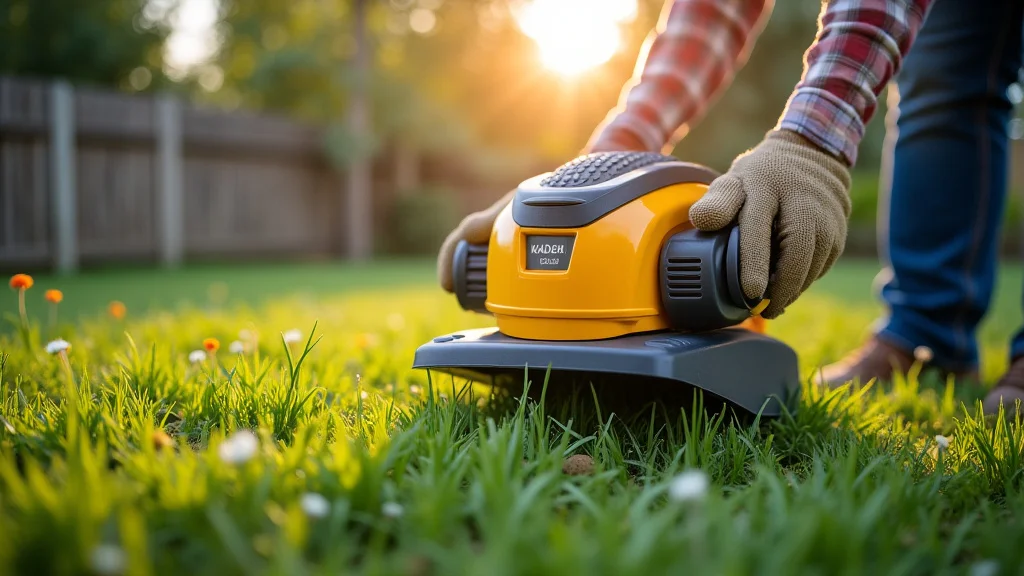
Remember that time you spent an entire Saturday wrestling with weeds? You pulled, you tugged, you got frustrated, and eventually, the weeds won. We’ve all been there! But what if there was a better way? This guide will help you select the right gardening tools weeder to make your gardening life easier, more enjoyable, and your garden the envy of the neighborhood. We’ll explore the different types of weeders, how to use them effectively, and which tools are best suited for various weeding situations. By the end, you’ll be armed with the knowledge to conquer those pesky weeds and have a thriving garden. Get ready to transform your garden from a weed-filled battleground into a verdant paradise!
Key Takeaways
- Learn about different types of gardening tools weeder and their specific uses.
- Discover how to choose the right weeder for your garden’s needs.
- Understand the proper techniques for efficient and effective weeding.
- Find out how to maintain your weeding tools for longevity.
- Explore the benefits of using weeders for a healthy garden.
- Gain valuable tips on preventing weed growth in the first place.
Unveiling the World of Gardening Tools Weeder
The quest for a weed-free garden often starts with selecting the proper tools. There are many types of gardening tools weeder available, each with its strengths and weaknesses. Selecting the right one depends on several factors, including the size and type of weeds, soil conditions, and your personal preferences. This section will explore the various types of weeders, their functions, and how they contribute to maintaining a beautiful and thriving garden space. We will examine the design, usability, and the advantages of each type, helping you select the perfect tools for your specific gardening needs and soil conditions.
Types of Gardening Tools Weeder
Weeders come in many forms, each crafted to address different weeding challenges. From the simple hand tools to more elaborate designs, the core purpose remains the same: to remove weeds effectively. These tools are made from different materials, which gives them unique strengths. Exploring the diverse options allows gardeners to pick the perfect fit for their garden’s specific requirements, increasing weeding efficiency. We’ll explore some common types of gardening tools in detail.
-
Hand Weeders: These are usually small, handheld tools, perfect for spot-weeding or getting rid of weeds in tight spaces. They’re simple to use and great for precision work.
Hand weeders, often the first tools a gardener acquires, come in various forms. The most basic are flat, with a forked or notched end, allowing them to dig beneath the weed’s root system. The goal is to lift the entire plant intact. Some hand weeders have a narrow, pointed blade for piercing the soil and severing the weed at the root. Other designs incorporate a hooked end for grabbing and pulling weeds. The simplicity and control they offer make them perfect for tackling individual weeds in crowded flower beds or near delicate plants. These tools require manual effort, but their precision reduces the chance of damaging surrounding plants. They’re also lightweight and easy to carry around the garden.
-
Stand-Up Weeders: Designed to reduce back strain, stand-up weeders let you weed while standing. These often feature long handles and different head designs to grab, dig, or twist weeds out.
Stand-up weeders offer a significant advantage for gardeners who want to avoid bending or kneeling. They have long handles, which allow users to remove weeds without strain. These tools often feature a claw or fork at the end that can be inserted into the soil. Some designs include a foot pedal to provide extra leverage for prying out weeds. Stand-up weeders come in several styles, from those that grip and pull to those that use a corkscrew-like action to twist weeds out. They’re excellent for tackling larger areas or dealing with weeds that have deep roots. However, they may require more force and can be less effective in compacted soil or areas with lots of obstacles.
-
Weeding Forks: Weeding forks have multiple tines that are inserted into the soil to loosen weeds and their roots. They’re very effective for larger weeds and in loose soil.
Weeding forks, characterized by their multi-pronged design, are effective for loosening soil around weeds and extracting them. They work best in areas with fewer obstacles. The fork’s tines penetrate the soil around the weed’s base. This helps to lift the entire root system intact. They’re typically made of sturdy metal, providing the strength needed to tackle tough weeds. Weeding forks are valuable in preparing the soil for planting or removing weeds from larger patches of lawn. Choose the tool based on the size of the area, the type of weeds, and the soil’s density.
-
Hula Hoes: Also known as stirrup hoes, these tools have a loop-shaped blade that slices off weeds just below the soil’s surface. They are best for large areas.
Hula hoes are efficient tools for removing weeds from larger areas, such as vegetable gardens or pathways. Their design features a loop-shaped blade mounted on a handle. The blade is angled to slice through weeds just below the soil’s surface. The movement involves pushing and pulling the hoe across the soil’s surface. This removes young weeds with ease. They’re particularly effective against weeds that haven’t established deep roots. Hula hoes are not the best choice for compacted soil or areas with established weeds. They’re a valuable addition to a gardener’s tool collection. Their speed and efficiency make them ideal for maintenance. Regular use prevents weeds from getting a foothold.
Choosing the Right Weeder for Your Garden
Picking the ideal gardening tools weeder is like choosing the right brush for a painting. Each tool is designed for certain tasks. To choose the right weeder, you must consider the type of weeds in your garden, the soil conditions, and the size of the area you need to weed. This involves looking closely at the characteristics of the different weeders and how they interact with different gardening situations. Knowing this will ensure you select tools that enhance your gardening experience and make weed removal easier. This section focuses on selecting the perfect weeder based on your garden’s specific requirements.
Assessing Your Garden’s Weeding Needs
Before you purchase any tool, take a moment to assess the situation. Different gardens present different challenges. Understanding the weeds, soil, and the area you need to clear will help you choose the best weeder. By doing this, you’ll save yourself time, effort, and possibly frustration. Making the right choice enhances your gardening experience. You will be able to efficiently maintain a beautiful, weed-free space.
-
Identify the Weeds: Are they annuals, perennials, or something else? Understanding the weed type will guide your choice of weeder. Annual weeds have shallow roots. Perennials have deep root systems.
Knowing the type of weeds you’re facing is important for selecting the right tool. Annual weeds, such as crabgrass or chickweed, complete their life cycle in one season. Their roots are generally shallow, making them easy to remove. Perennial weeds, such as dandelions or bindweed, live for multiple years. They have deep, extensive root systems, making removal more difficult. Some weeds spread by rhizomes (underground stems), which require complete removal to prevent regrowth. Other weeds spread by seeds. Knowing how weeds grow helps you choose the correct weeder. It will also help you to prevent the weeds from returning.
-
Evaluate Soil Conditions: Is your soil sandy, loamy, or clay-like? Soil impacts how easily you can use a weeder. Compacted soil requires more robust tools.
The condition of your soil directly impacts the effectiveness of your weeding efforts. Sandy soil is loose, making it easier to penetrate with most tools. Loamy soil is a balanced mix of sand, silt, and clay. It offers good drainage and aeration, making it relatively easy to weed. Clay soil, however, can be heavy and compacted. This makes it difficult to penetrate. Compacted soil requires weeders with more strength and leverage. In areas with stones or roots, choose tools designed for such conditions. Consider the tool’s durability and the amount of effort required to operate it in your soil. These steps will make weeding a lot easier.
-
Consider the Area: Are you working in a small flower bed or a large lawn? The area’s size influences the type of weeder you’ll choose. A small area is best handled with a hand weeder.
The size of the area you are weeding affects your choice of tools. For small spaces, like flower beds or raised garden boxes, hand weeders offer precision and control. Their compact size allows for maneuverability and detailed work. For larger areas like lawns or vegetable gardens, stand-up weeders or hula hoes are more efficient. They enable you to cover more ground with less bending and strain. Consider the accessibility of the area, too. If there are obstacles like garden structures, choose a weeder that can easily navigate around them. Matching the tool to the area ensures you use your time and energy efficiently, while still getting excellent results.
Matching the Tool to the Task
After assessing your garden’s needs, the next step is matching the correct gardening tools weeder to the specific job. Different tools excel in different situations. For instance, a hand weeder may be perfect for spot-weeding delicate areas. A stand-up weeder might be better for removing weeds from a lawn. Understanding these matches ensures you get the most effective and efficient weeding experience. By understanding these pairings, you can streamline your efforts and enjoy a beautifully maintained garden.
-
For Small Spaces and Tight Spots: Hand weeders are perfect for precision work. They allow you to target individual weeds without disturbing surrounding plants.
Hand weeders are ideal for spot-weeding in small spaces or areas where precision is crucial. Their compact design lets you get close to plants. They allow for accurate removal of weeds without damaging other plants. This makes them perfect for flower beds, rock gardens, and other areas where neatness is required. These tools give you complete control. This reduces the risk of accidentally harming desirable plants. When working in tight spots, hand weeders provide the finesse needed to achieve clean and effective results, making them an essential part of any gardener’s collection.
-
For Larger Areas and Lawns: Stand-up weeders or hula hoes are efficient choices. They cover more ground, reducing strain on your back.
For tackling weeds in larger areas like lawns or vegetable gardens, stand-up weeders or hula hoes are a great choice. Stand-up weeders let you remove weeds without having to bend over. Hula hoes are designed to quickly slice through weeds. Their wide blades cover a lot of ground in a single pass. Both tools reduce the time and effort needed for weeding. They’re especially useful for managing weeds in areas where they’re widespread. This is a good way to maintain a tidy appearance. Choosing these tools allows you to maintain larger garden spaces. You will find that it is much more manageable and less taxing.
-
For Deep-Rooted Weeds: Weeding forks or specialized tools with claws are helpful. They will pull the entire root out of the soil.
Weeding forks and tools with claw-like designs are essential for battling deep-rooted weeds. Weeds such as dandelions and thistles have long taproots. You must remove the entire root system to prevent regrowth. Weeding forks penetrate the soil to loosen and lift the root. Tools with claws grip the weed. The key is to fully extract the roots. This ensures that the weed does not return. These specialized tools are an investment. They ensure long-term weed control. They contribute to a healthier, more weed-free garden environment.
Mastering Weeding Techniques
Having the right gardening tools weeder is only the first step. Knowing the best techniques is important for efficient and effective weeding. This section will walk you through the proper methods for removing weeds, from preparing the soil to the final steps of disposal. By using these techniques, you’ll be able to work more effectively. You will also improve the health of your garden and reduce the need for future weeding.
Preparing the Soil for Weeding
Proper soil preparation can make all the difference in your weeding efforts. The soil’s condition can influence how easily you can remove weeds. Taking the time to prepare the soil enhances the effectiveness of your tools and improves your results. This will ensure your gardening experience is more satisfying and less time-consuming.
-
Watering the Soil: Moist soil makes it easier to remove weeds. Water the area a day or two before weeding.
Slightly moist soil enhances the effectiveness of your weeding efforts. Water your garden a day or two before you plan to weed. This softens the soil. This makes it easier to remove weeds, especially those with deep roots. When the soil is moist, your gardening tools weeder will slide more easily. The roots will be less likely to break. You’ll be able to pull out the entire weed. Over-watering can make the soil too soft. This may make it difficult to get a good grip on the weeds. A gentle watering ensures optimal conditions for a successful weeding session.
-
Loosening Compacted Soil: If the soil is compacted, use a garden fork or cultivator to loosen it before weeding.
Compacted soil is a barrier to successful weeding. Compacted soil makes it difficult for weeds to be removed. It can make it hard to insert and maneuver your gardening tools weeder. Use a garden fork or cultivator to loosen the soil before you start weeding. This process breaks up clumps and improves the soil structure. Loosening the soil is very beneficial. It makes it easier to extract the entire weed and root system. This ensures that the weeds do not come back. It also helps to improve water penetration and aeration. This is great for plant health. This step is especially helpful for clay soils. This results in a cleaner, more weed-free garden. It makes weeding much easier.
-
Removing Debris: Clear away leaves, twigs, and other debris. This makes it easier to see and access weeds.
Clearing away debris before weeding ensures you can see and access the weeds. Leaves, twigs, and other materials on the soil surface can hide weeds. They can also get in the way. Removing this debris makes it easier to identify weeds and target them accurately. This also reduces the risk of accidentally damaging desirable plants. Additionally, clearing debris allows the weeder to move freely. You can get a good grip on the weed without interference. This simple step can improve the efficiency of your weeding and help you maintain a cleaner garden. It is an easy task that makes weeding much easier and effective.
Effective Weeding Methods
Employing the right techniques is key to successfully removing weeds. This involves using the right tool and method for the weed type and the soil conditions. Knowing the methods ensures you remove weeds without damaging other plants. The following techniques will help you become a more effective and efficient weeder. It will also help you create a thriving garden.
-
Pulling by Hand: Grasp the weed near the base and pull firmly and steadily. Ensure you get the whole root.
Pulling weeds by hand is a classic method, great for small areas and individual weeds. Grasp the weed firmly at its base. Pull the weed out. For best results, pull steadily and firmly. The goal is to remove the entire root. If the weed breaks off at the surface, the root is still in the soil. That will allow the weed to regrow. Pulling weeds is best when the soil is moist. This is because the roots are less likely to break. Although this may seem basic, hand-pulling, when done correctly, is a reliable method for keeping your garden weed-free. It can be a very satisfying part of gardening.
-
Using a Weeder Tool: Insert the tool, loosen the soil around the weed, and pull it out, ensuring you get the roots.
Using a weeder tool, such as a hand weeder or stand-up weeder, often increases the efficiency of the task. Follow the tool’s specific instructions. Generally, insert the tool near the weed and loosen the soil around its base. Then, grasp the weed with the tool. Pull the weed out, taking care to extract the entire root system. For deep-rooted weeds, you might need to insert the tool deeper. Wiggle the tool around the weed to loosen the soil. The key is to remove the weed without breaking the root, ensuring the weed doesn’t grow back. By practicing this technique, you can minimize strain. It ensures your efforts are effective. This method offers a balance of control and efficiency in weed removal.
-
Using a Hula Hoe: Angle the blade just below the soil surface to slice off weeds. This is best for young weeds.
Hula hoes are efficient tools for removing weeds from larger areas. Using a hula hoe requires a specific technique. Angle the blade just below the soil surface. Then, move the hoe forward and back to slice off weeds. Hula hoes work best on young weeds that haven’t had time to establish deep roots. Regular use of a hula hoe can help to prevent weed growth. This technique requires practice. It quickly becomes second nature. It will help to maintain a weed-free garden. The ease and speed of using the hula hoe make it a valuable tool for any gardener.
Maintaining Your Weeding Tools
Taking care of your gardening tools weeder is as important as the weeding itself. Proper maintenance extends the life of your tools, keeps them working efficiently, and makes your gardening experience a lot easier. This section outlines the essential steps for tool care. By following these guidelines, you can ensure that your tools are always ready to go and remain effective for many seasons.
Cleaning Your Weeding Tools
Cleaning your tools after each use is essential for their performance. Removing dirt, sap, and other debris prevents rust and keeps the tools sharp. It also prevents the spread of diseases. This will keep your tools in excellent condition for longer. It keeps them ready for use when you need them.
-
Rinsing the Tools: After use, rinse your tools with water to remove soil and debris.
Rinsing your gardening tools weeder immediately after each use removes loose soil, plant sap, and other debris. Using a hose or a bucket of water, rinse each tool thoroughly. Use a brush or scrub brush to remove any stubborn dirt. Regular rinsing prevents buildup. This also keeps the tools working smoothly. Make sure to rinse the tools in an area where the runoff won’t damage other plants. Thorough rinsing is the first step in ensuring your tools are ready for their next use.
-
Scrubbing to Remove Dirt: Use a brush or scrub to remove stubborn dirt and plant residue from the tools.
Removing stubborn dirt and plant residue from your tools is an important step in tool maintenance. Some dirt or plant material sticks to the tools and hardens. Use a scrub brush, steel wool, or a wire brush to remove the debris. Focus on the blades and any crevices where dirt might accumulate. Cleaning removes potential rust-causing elements. This will keep your tools sharp and in good condition. Be thorough. Proper cleaning ensures your tools last longer and are always ready for action.
-
Drying Thoroughly: After cleaning, make sure to dry the tools completely. This prevents rust.
Rust is the enemy of garden tools. Thoroughly drying your tools after each cleaning step is essential for rust prevention. Using a clean cloth, wipe down each tool, paying attention to the blades and any metal parts. Ensure the tool is completely dry before storing it. Rust can rapidly appear. Drying protects your tools. It ensures they remain in top condition. This simple step can add years to the life of your gardening tools.
Sharpening and Protecting Your Tools
Besides cleaning, sharpening and protecting your tools are also critical. A sharp tool makes weeding easier and more effective. Proper storage ensures your tools are accessible. These steps will keep your tools ready for the next weeding session.
-
Sharpening Blades: Keep the blades sharp for easy and clean cuts. Use a file or sharpening tool.
Sharpening the blades of your gardening tools weeder is essential for efficient use. A sharp blade makes weeding easier. It requires less effort. It also provides cleaner cuts. For hand weeders and other tools with blades, use a file or a sharpening tool. Follow the manufacturer’s instructions to maintain the correct angle. Regular sharpening ensures your tools remain effective. It will also reduce fatigue while you’re working in the garden. For hoes and other blade-based tools, sharpening keeps the weeding process efficient and enjoyable.
-
Oiling the Tools: Apply a light coat of oil to the metal parts. This protects against rust.
Applying a light coat of oil to the metal parts of your gardening tools weeder further protects against rust and corrosion. After cleaning and drying your tools, apply a thin layer of oil using a cloth. This protects against moisture and extends the life of your tools. Regular oiling helps to keep your tools in optimal condition, reduces wear and tear, and ensures that they’re always ready to perform. You can use any lightweight oil made for tools.
-
Storing Properly: Store your tools in a dry place. You can use a tool rack or hang them up.
Proper storage is the final key to maintaining your weeding tools. Store your tools in a dry place, away from the elements. This prevents rust and corrosion. A tool rack or a wall-mounted system helps keep tools organized. This makes them easy to find and access. If your tools have wooden handles, store them in a climate-controlled environment to prevent cracking. Proper storage protects your investment and ensures your tools are ready for your next weeding session. This will provide many seasons of use.
The Benefits of Using Weeders
The advantages of using gardening tools weeder extend far beyond the mere removal of weeds. These tools can increase the health of your garden. They can also make the whole gardening experience much more enjoyable. This section highlights the key benefits that will motivate you to use weeders more often.
Improving Garden Health
Weeders contribute to your garden’s overall health in many ways. By removing weeds, these tools let your desired plants thrive. This makes your garden look amazing. It also promotes a healthy and thriving ecosystem.
-
Reducing Competition: Weeders eliminate competition for nutrients, water, and sunlight. Your plants will thrive.
Weeds compete directly with your plants for essential resources like nutrients, water, and sunlight. By using gardening tools weeder to remove weeds, you give your plants a better chance to flourish. The reduction in competition allows your plants to absorb more nutrients. They can access more water, and they have more access to sunlight. This will support stronger growth. It will also lead to healthier plants. This creates a more beautiful garden, improves yields, and improves the overall well-being of your plants.
-
Preventing Pest Infestations: Removing weeds can reduce the habitats for pests. This reduces the risk of pest infestations.
Weeds can be a breeding ground and a home for garden pests. They can also create the right conditions for diseases to spread. Weeding removes those habitats. It helps keep your garden healthy. Fewer weeds can lead to fewer pests. This can lead to less damage to your desirable plants. Weeding also enhances the air circulation within your garden. This further reduces the risks of pests and diseases. Regular use of weeding tools helps protect your plants. It can create a healthier growing environment. This leads to a beautiful and thriving garden.
-
Enhancing Soil Quality: By disturbing the soil, weeders can help improve soil aeration and water penetration.
The use of gardening tools weeder can improve your soil health. Loosening the soil around weeds can increase soil aeration. Improved aeration helps the roots of your plants thrive. Weeding also helps water to penetrate the soil more easily. This helps roots to grow. Well-aerated soil improves soil structure. It also creates a better environment for beneficial microorganisms. Regular weeding contributes to healthier soil. It also helps your garden be more productive. Soil enhancement leads to a healthier garden.
Making Gardening Easier and More Enjoyable
Beyond the practical advantages, the use of weeders transforms the gardening experience. They simplify the task of weeding. They can also help make gardening more enjoyable. The following points demonstrate the impact of weeders on creating a stress-free and satisfying gardening experience.
-
Saving Time and Effort: Weeders make the weeding process faster and more efficient, saving you time and energy.
Weeders significantly reduce the time and effort required for weeding. Manual weeding can be slow. Using the right gardening tools weeder can make the process faster and more efficient. Stand-up weeders reduce the need to bend and strain. Hula hoes are designed to quickly cut through weeds. These tools save you time and make weeding less tiring. By using the appropriate tools, you can spend less time weeding and more time enjoying your garden. It is much more enjoyable and relaxing.
-
Reducing Back Strain: Stand-up weeders are designed to reduce back strain. This means you can weed for longer periods with less discomfort.
Gardening, especially weeding, can be hard on the back. Stand-up weeders are designed to eliminate the need for bending and kneeling. This reduces strain. Stand-up weeders enable gardeners to work for longer periods without discomfort. This makes it easier to maintain a weed-free garden without suffering from pain or injury. Stand-up weeders help make gardening more accessible and enjoyable for everyone. This promotes a healthier gardening experience.
-
Improving Garden Aesthetics: A weed-free garden looks much better. Weeders help you maintain a beautiful and tidy space.
A weed-free garden looks better and provides a more pleasant environment. Regularly using gardening tools weeder helps you maintain a neat, tidy, and beautiful garden. A weed-free garden can increase your pride in your space. It also provides a better visual experience for you and anyone who sees it. It can be a very rewarding task. A beautiful garden enhances your well-being. It is a source of joy. Maintaining a weed-free space makes gardening more satisfying. It provides an inviting outdoor space.
Preventing Weed Growth
While gardening tools weeder are valuable tools for removing weeds, the goal is to prevent them from growing in the first place. You can do this through several techniques. By using these preventative methods, you can reduce the amount of time you need to spend weeding. You will be able to enjoy your garden more.
Mulching Your Garden
Mulching is a top strategy for weed prevention. Adding a layer of mulch creates a barrier. It prevents sunlight from reaching the soil. This prevents weed seeds from germinating. This also has other advantages.
-
Benefits of Mulching: Mulch suppresses weed growth, retains moisture, and improves the soil. It adds nutrients as it breaks down.
Mulching is a key technique for preventing weed growth while also improving soil conditions. Mulch acts as a barrier. This blocks sunlight. It will prevent weed seeds from sprouting. Mulch also helps to retain moisture in the soil, which reduces the need for frequent watering. Mulch will also regulate soil temperature. As mulch breaks down, it adds valuable organic matter to the soil. There are different types of mulches available, from organic materials like wood chips and straw to inorganic materials like landscape fabric. Choosing the right type of mulch depends on your garden’s needs. Proper mulching makes weeding easier and improves the overall health of your garden.
-
Types of Mulch: Organic mulches include wood chips, straw, and compost. Inorganic mulches include landscape fabric and gravel.
Different types of mulches have different advantages and best uses. Organic mulches are made from natural materials. They include wood chips, straw, and compost. These materials break down over time. They enrich the soil. Inorganic mulches, such as landscape fabric and gravel, don’t decompose. They last longer. Landscape fabric effectively blocks weeds. It allows water and air to reach the soil. Gravel adds a decorative element. When choosing a mulch, consider factors like cost, availability, and the specific needs of your garden. Select the type of mulch that fits your aesthetic preferences. Also consider its benefits. It must also match your gardening goals.
-
Applying Mulch: Apply a layer of mulch around your plants. The depth of the layer depends on the material.
Applying mulch is a simple yet effective process. First, prepare the soil by removing any existing weeds and debris. Spread a layer of mulch around your plants. The proper depth of the mulch layer depends on the material you are using. Generally, 2-4 inches of organic mulch is sufficient to suppress weeds. Make sure to keep mulch away from plant stems. This reduces the risk of disease and rot. Regularly replenish the mulch. This maintains its effectiveness. Proper mulching is a proactive strategy. It can greatly reduce the need for weeding and improve your garden’s appearance.
Other Weed Prevention Strategies
Besides mulching, other approaches can reduce weed growth. These methods range from careful planting practices to the use of pre-emergent herbicides. Combining these techniques will give you a comprehensive weed-prevention plan. It will also lead to a healthier and more enjoyable garden.
-
Proper Planting Techniques: Planting densely can shade out weeds. Choose the right plants.
Proper planting techniques can significantly reduce weed growth. Planting densely can create shade. This prevents sunlight from reaching the soil, which helps to stop weeds from germinating. Choose plants that are well-suited to your area’s growing conditions. Healthy, established plants can outcompete weeds for resources. Space your plants according to their mature size. This allows for adequate air circulation. This reduces the risk of diseases. By following proper planting techniques, you can create a dense, thriving garden. This minimizes the space and resources available for weeds to establish themselves.
-
Using Pre-Emergent Herbicides: Apply pre-emergent herbicides to prevent weed seeds from sprouting.
Pre-emergent herbicides are valuable tools for preventing weed growth. These herbicides are applied to the soil before weed seeds germinate. They prevent weeds from emerging. Pre-emergent herbicides are most effective for controlling annual weeds. These weeds grow from seeds each year. Follow the instructions on the product label. Make sure to apply it at the correct time of year. Be careful when using herbicides around desirable plants. Pre-emergent herbicides can reduce the amount of weeding required. They should be used as part of a comprehensive weed-control strategy.
-
Regular Garden Maintenance: Regularly inspect your garden and remove weeds as soon as you see them.
Regular garden maintenance, including frequent inspections and weed removal, is key to keeping your garden weed-free. Make it a habit to walk through your garden regularly. Look for any new weeds. Remove them before they have a chance to spread and seed. Consistent vigilance can prevent small problems from becoming big issues. This practice can prevent the establishment of weeds. Early removal minimizes the resources they consume. It also helps to prevent weeds from spreading. Regular maintenance helps to maintain a beautiful and healthy garden. This reduces the need for more extensive weeding tasks.
Frequently Asked Questions
Question: What is the best time to weed?
Answer: The best time to weed is after a rain or watering the garden, when the soil is moist. This makes it easier to pull the weeds out completely.
Question: How often should I weed my garden?
Answer: It depends on the size of your garden and the weed pressure. It’s helpful to weed at least once a week. You can weed more often if the weeds are really bad.
Question: Can I use vinegar to kill weeds?
Answer: Yes, vinegar can kill weeds. Be careful, though, as it can also harm the plants you want to keep. Use it carefully and spot-treat weeds.
Question: Should I compost the weeds I pull?
Answer: It’s best to avoid composting weeds that have gone to seed or are perennial weeds with rhizomes. These can spread in the compost. You can usually compost young weeds.
Question: How can I prevent weeds in the future?
Answer: Mulching your garden and using proper planting techniques will help. You can also use pre-emergent herbicides and check your garden frequently for weeds.
Final Thoughts
Conquering weeds doesn’t have to be a constant battle. By choosing the right gardening tools weeder, you can make the process easier and more effective. Remember to consider the type of weeds, your soil conditions, and the size of your garden. Select the appropriate tools for the job. Once you have your tools, learn the proper techniques for weeding. Remove those unwanted plants from your garden. Keep your tools clean and sharp. Implement preventative measures like mulching. You will soon have a healthy garden. This will give you the joy of a weed-free space. Get out there and start weeding. Your garden will thank you for it!