
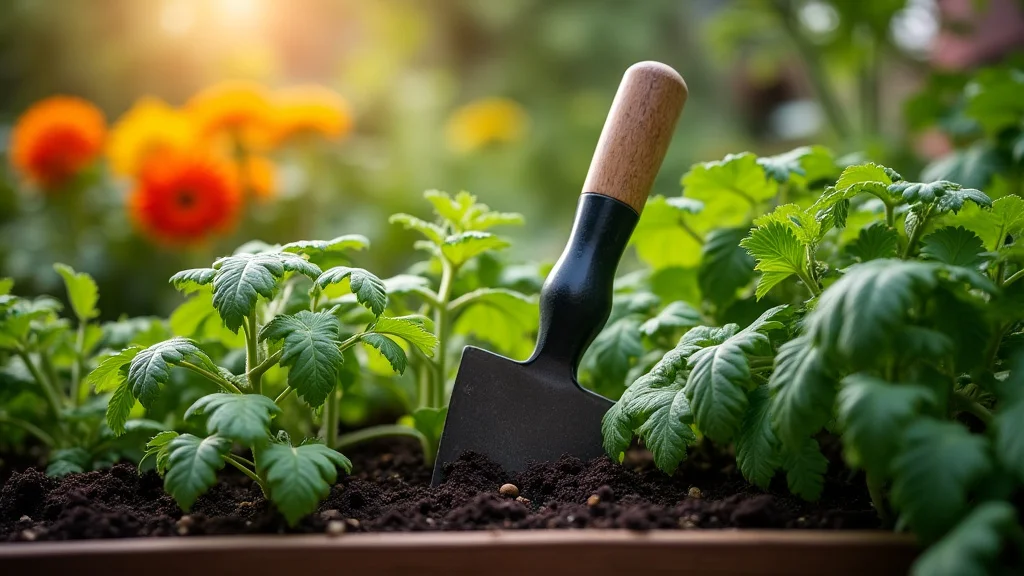
Remember that time your neighbor, Sarah, showed off her thriving tomato plants, while your own wilted pitifully? You probably felt a pang of envy. The truth is, Sarah isn’t some gardening genius; she simply uses the right tools to make gardening easier. This post will help you transform your gardening experience from a struggle into a pleasure. Get ready to discover the essential tools to make gardening easier, from basic hand tools to innovative gadgets, and learn how they can drastically improve your gardening success. You’ll gain practical knowledge to increase your garden’s yield and reduce the amount of time you spend on tedious tasks. Prepare to grow more and work less!
Key Takeaways
- Learn about essential hand tools that every gardener should have.
- Discover the benefits of using watering systems and how to choose the right one.
- Explore the latest innovations in gardening, such as smart planters and automated systems.
- Understand how to effectively use tools for soil preparation and maintenance.
- Find out how to protect your plants from pests and diseases with the right equipment.
- Gain confidence to create and maintain a thriving garden.
Essential Hand Tools for Every Gardener
Every gardener, from the beginner to the seasoned pro, needs a solid foundation of hand tools. These are the workhorses of the garden, helping you tackle tasks from planting seeds to harvesting your bounty. Choosing the right hand tools can significantly impact your comfort and efficiency. It also affects the health of your plants by ensuring you can perform tasks with care and precision. Let’s explore the core essentials that will equip you for any gardening adventure.
The Spade and Trowel: Your Planting Companions
The spade and trowel are perhaps the most frequently used hand tools in any garden. A spade, with its flat, rectangular blade and long handle, is designed for digging, turning over soil, and moving large amounts of earth. A high-quality spade is made from forged steel, ensuring durability. The handle should be sturdy and comfortable to grip, typically made from wood or fiberglass. A good spade will last many years with proper care, making it a valuable investment for any gardener. The size of the spade varies, and it’s best to choose one that feels comfortable for your height and strength. A well-placed spade can make creating a new garden bed easier. Be careful not to use the spade to chop or break through roots. Digging into a hard object with a spade can cause it to bend or break.
On the other hand, the trowel is a smaller, hand-held tool with a curved blade, perfect for planting, transplanting, and weeding in tight spaces. Its compact size makes it indispensable for working around established plants and in containers. A comfortable grip is just as important with a trowel as it is with a spade. The blade should be made of stainless steel or another rust-resistant material to withstand exposure to moisture. The shape of the trowel’s blade also matters. A pointed trowel is ideal for digging holes, while a wider trowel works well for scooping soil. Consider the size of your hands and the types of plants you plan to grow when choosing a trowel to find one that feels right.
- The spade is primarily used for digging and turning soil.
- The trowel is designed for smaller planting tasks and weeding.
- Both tools should be made from durable materials for longevity.
- Selecting the right size and shape is important for efficiency.
Use a spade to excavate larger areas, like garden beds, or to move soil. When using a spade, stand with your feet shoulder-width apart and keep your back straight to reduce strain. Push the spade into the ground using your foot, and then use your body weight to lift the soil. Be mindful of any underground utilities.
The trowel is helpful for planting seedlings, transplanting small plants, or removing weeds near established plants. Choose a trowel that fits comfortably in your hand, and consider the material of the blade. Stainless steel trowels are great as they are rust-resistant. Keep your trowel clean by wiping off soil and debris after each use, which will increase the trowel’s lifespan.
Both tools will see a lot of use, so consider materials. Look for forged steel or stainless steel blades on your spades and trowels to ensure they can withstand the rigors of gardening. Handles made of wood or fiberglass provide strength and a comfortable grip. Properly store your tools in a dry place to prevent rust and extend their life.
Consider the size and shape of the tools based on your needs and body type. Shorter trowels are good for smaller hands. Larger spades may be useful for tackling big projects. A well-matched spade and trowel will make your gardening tasks more enjoyable and efficient, allowing you to spend more time enjoying the results of your work.
Hand Rake and Garden Fork: Preparing the Soil
Proper soil preparation is the foundation of any successful garden, and the hand rake and garden fork are vital tools in this process. The hand rake is used for leveling soil, removing debris, and breaking up clumps. The garden fork, with its sturdy tines, is designed for turning and aerating the soil, allowing air and water to penetrate. These tools work in tandem to create a healthy environment for your plants.
The hand rake comes in various sizes and styles, often made of metal or plastic. Choose one with tines that are closely spaced for fine work and more widely spaced for moving larger amounts of material. A handle made of wood or composite materials will provide the most durability and comfort. Use the hand rake to smooth out the soil surface after digging or tilling, and remove any rocks, roots, or other debris that could hinder plant growth. Regular use of the hand rake keeps your garden beds neat and tidy. The rake also helps you create the right conditions for easy planting.
The garden fork, also known as a digging fork, is used to loosen and aerate the soil. This tool is especially helpful in compacted soil. The tines of the fork penetrate the soil, breaking up clumps and improving drainage. The garden fork is also useful for mixing in compost, manure, or other soil amendments. When using a garden fork, insert it into the soil and gently lift and turn the soil to avoid damaging plant roots. Consider the weight and balance of the fork before purchasing, as you will be using it to lift and move soil. Look for a garden fork that is made of sturdy materials, and has a comfortable grip.
- Hand rake is used for leveling, removing debris, and surface preparation.
- Garden fork is designed for aerating the soil and mixing amendments.
- Choosing the right size and material affects the tools’ effectiveness.
- Proper technique prevents injury and ensures efficiency.
Raking helps remove weeds, level the soil surface, and create a good seedbed for planting. Choose a rake that feels comfortable in your hand and is the right size for your garden. Regular raking is important for maintaining a tidy garden and creating ideal growing conditions for your plants. It prevents the soil from compacting and promotes healthy plant growth.
The garden fork is used to loosen compacted soil, improve drainage, and incorporate compost or other materials. Insert the fork into the soil and gently lift and turn the soil to aerate it. Avoid overworking the soil; too much can damage its structure. Use the garden fork to mix in compost and other soil amendments, which will give plants the nutrients they need to thrive.
Consider the size of your garden and the type of soil when selecting these tools. A smaller hand rake may be suitable for raised beds or container gardening. Choose a garden fork that has strong, widely spaced tines to penetrate tough soil. Tools with durable handles and heads will last longer and make the work easier. Invest in tools made from high-quality materials to ensure that they can withstand repeated use.
To avoid strain, keep your back straight while using the hand rake and garden fork. Use your legs to lift and move soil, and avoid overreaching. Regular breaks will also help prevent fatigue. Always store the tools in a dry place after use, and clean them to prevent the buildup of soil and debris.
Watering Systems and Irrigation Solutions
Water is the lifeblood of any garden, and an effective watering system is essential for maintaining healthy plants. Proper watering delivers the right amount of moisture to plant roots, preventing overwatering or underwatering. There’s a variety of watering tools, from simple watering cans to complex irrigation systems. Choosing the right system will depend on the size of your garden, the types of plants you grow, and your lifestyle. A well-designed watering system not only saves you time and effort but also conserves water, which benefits both your garden and the environment. Efficient watering is a cornerstone of sustainable gardening practices.
Watering Cans and Hoses: Basic Watering Methods
The watering can and garden hose are the most basic and familiar watering tools. Watering cans are great for small gardens and container plants, offering precise control over water distribution. Garden hoses are ideal for larger areas, allowing you to reach every corner of your garden with ease. Both tools are essential for keeping your plants hydrated, and understanding how to use them effectively can improve the health of your plants. It’s important to choose the right type of can or hose to meet the needs of your garden.
Watering cans come in various sizes and materials, including plastic, metal, and galvanized steel. Consider the weight of a full watering can, and choose one that you can easily carry and maneuver. Look for a can with a long spout and a rose (the sprinkler head), which helps to distribute water evenly and gently. The spout’s angle can be important for reaching under plant leaves. Choose a can with a comfortable handle to avoid straining your wrist and arm. Water plants early in the morning or late in the afternoon to reduce water loss from evaporation. The rose helps prevent soil erosion. Be sure to empty the can after use, and store it in a cool, dry place to prevent damage.
Garden hoses come in various lengths and materials, including rubber, vinyl, and reinforced hoses. A longer hose allows you to reach all parts of your garden, while a shorter hose is easier to handle. Choose a hose made of durable material that can withstand exposure to sunlight and harsh weather conditions. Invest in a hose with a sturdy coupling to prevent leaks. Also, consider the hose’s weight and flexibility. Lightweight hoses are easier to maneuver around the garden. To improve your watering technique, consider using a nozzle with different spray patterns, such as a gentle shower for delicate plants and a jet spray for cleaning surfaces. Drain the hose after use and store it properly to prevent damage and extend its life.
- Watering cans are suitable for small gardens and individual plants.
- Garden hoses are effective for watering large areas.
- Choosing the right size and type of hose or can matters.
- Using the tools correctly promotes water conservation.
Use watering cans to water plants precisely, especially in small spaces or container gardens. Choose a can with a rose or sprinkler head to distribute water evenly and avoid damaging the plants. Watering cans are perfect for reaching spots where a hose can’t easily reach, and they allow for careful watering to avoid overwatering.
Garden hoses are great for watering larger gardens, lawns, and beds. Use a nozzle with various spray settings to control water flow and prevent overwatering. Always ensure the water is directed at the plant roots. Remember to choose a durable hose that can withstand the rigors of outdoor use.
The right tools will make the task less of a chore. Select the right size and material of the can or hose based on your garden’s size and needs. Consider the ease of handling, weight, and durability. A good watering can will have a comfortable handle and spout. A good hose should be flexible and made from a durable material.
To conserve water, water plants early in the morning or late in the afternoon when evaporation is lowest. Direct the water at the base of the plants, avoiding wetting the leaves. This will reduce water waste and help prevent the spread of diseases. Be mindful of the local water restrictions.
Sprinklers and Drip Irrigation: Efficient Watering Techniques
Sprinklers and drip irrigation systems offer more advanced and efficient ways to water your garden. Sprinklers cover larger areas, while drip irrigation systems deliver water directly to the roots of individual plants. These systems can save water, reduce disease, and minimize the time and effort required for watering. These more involved systems can be a bit more complicated to set up initially, but they offer many benefits, especially for larger gardens.
Sprinklers come in various types, including oscillating sprinklers, rotary sprinklers, and impact sprinklers. Oscillating sprinklers move back and forth, covering a rectangular area. Rotary sprinklers rotate in a circle, providing even coverage over a wider area. Impact sprinklers deliver water in a pulsing motion, ideal for larger areas and lawns. Consider the size and shape of your garden when selecting a sprinkler. You can adjust the water pressure and spray pattern of some sprinklers. Choose a sprinkler with an adjustable timer to automate the watering schedule. Regularly check the sprinkler’s coverage and adjust as needed to ensure all areas of your garden receive enough water.
Drip irrigation systems, also known as micro-irrigation, deliver water slowly and directly to the roots of plants, reducing water waste and preventing disease. The system includes a main water line, tubing, emitters, and a filter. Emitters are small devices that release water at a controlled rate, allowing water to soak directly into the soil. Drip irrigation systems are highly effective for vegetable gardens, raised beds, and container plants. You can customize the system to meet the specific needs of your plants. Install a filter to prevent the emitters from clogging. Regular maintenance is essential to ensure the system functions correctly. Periodically check the emitters and tubing for clogs or leaks.
- Sprinklers provide coverage for lawns and larger garden areas.
- Drip irrigation targets individual plants and reduces water waste.
- Selecting the best system depends on the garden’s layout.
- Combining the systems to meet diverse garden needs is possible.
Sprinklers can be used to water lawns and large garden beds efficiently. Consider the different types of sprinklers and choose the one that best suits your garden’s size and shape. Adjust the spray pattern and timer to optimize water use. Remember that some plants don’t like to have their leaves wet; consider this when planning the system.
Drip irrigation systems deliver water directly to plant roots, using less water than sprinklers and reducing water waste. Drip systems are very effective in vegetable gardens, raised beds, and areas with limited water resources. They are flexible and you can adapt the system for various plant needs. By delivering water directly to the roots, the system helps prevent the spread of diseases. Check for leaks and clogs to ensure the system is working effectively.
Decide whether a sprinkler or drip system best suits your needs, based on the garden’s layout, plant types, and water needs. Sprinklers work well for lawns and large, open spaces. Drip irrigation is ideal for rows of vegetables, raised beds, and container plants. Consider water pressure and soil type. Evaluate these factors to make a wise choice.
You can mix and match watering systems. Consider using a sprinkler for the lawn and a drip system for the vegetable garden. Use a combination of tools to provide complete coverage and meet the specific needs of your plants. This integrated approach ensures efficient water use, healthy plants, and less work for you. Always follow the water restrictions for your area.
Tools for Soil Preparation and Maintenance
Healthy soil is the foundation of a successful garden, and the right tools can help you prepare and maintain your soil efficiently. Soil preparation involves improving the soil structure, adding nutrients, and ensuring proper drainage. Regular maintenance, such as weeding and mulching, helps keep the soil healthy and promotes plant growth. Investing in the right tools and knowing how to use them will improve your gardening experience. The right tools can make these tasks easier and more enjoyable, leading to a vibrant, productive garden.
Cultivators and Weeders: Managing the Soil and Weeds
Cultivators and weeders are essential tools for maintaining healthy soil and controlling weeds. Cultivators loosen the soil, aerate it, and help incorporate organic matter. Weeders remove unwanted plants that compete with your crops for nutrients and water. Proper use of these tools can improve soil health, prevent weed growth, and increase the productivity of your garden. Using the tools correctly prevents accidental damage to the wanted plants. Both tools help keep the garden tidy and healthy.
Cultivators come in various designs, including hand cultivators, wheel hoes, and powered tillers. Hand cultivators are small, hand-held tools suitable for small gardens and tight spaces. Wheel hoes are pushed along the ground, with a blade or tines to cultivate the soil. Powered tillers are motorized machines that can till large areas quickly. When choosing a cultivator, consider the size of your garden and the type of soil. Hand cultivators are great for small areas and container gardens. Wheel hoes and powered tillers are better for larger gardens. Cultivators loosen the soil, improve aeration, and help incorporate organic matter. Use a cultivator regularly to maintain healthy soil and promote plant growth.
Weeders come in many forms, from simple hand weeders to specialized tools for removing specific types of weeds. The most basic weeder is a hand weeder. It has a forked or blade-like tip for digging up weeds. Other weeders include stand-up weeders that allow you to remove weeds without bending over. When choosing a weeder, consider the types of weeds in your garden and the ease of use. Use weeders to remove weeds regularly, as weeds compete with your plants for nutrients, water, and sunlight. Remove weeds when the soil is moist to make the task easier. Use weeding tools to remove the entire root system to prevent the weeds from growing back. Weed regularly to keep the garden neat and healthy.
- Cultivators loosen and aerate the soil, promoting plant growth.
- Weeders remove unwanted plants to conserve nutrients and water.
- The type of tool chosen depends on the size of the garden.
- Proper technique prevents damage to plants and the soil.
Cultivators help improve soil structure, allowing air and water to reach plant roots more easily. Use a hand cultivator to work the soil around plants. Wheel hoes and powered tillers are helpful for preparing larger beds. The type of cultivator you choose depends on the size of your garden and the soil type. Use cultivators regularly to keep the soil healthy.
Weeders are essential for removing weeds, which compete with plants for resources. Use hand weeders to remove weeds in small spaces. Regularly weeding is necessary to keep your garden healthy and productive. By removing weeds before they set seed, you can prevent future weed problems.
For small gardens, hand tools are the best choice. For larger areas, wheel hoes or powered tillers will save time and effort. Select the tool that’s best suited for your garden size and the type of soil you have. Consider the types of weeds and plant spacing.
Use cultivators and weeders carefully to avoid damaging the roots of your plants. Work the soil when it’s moist but not waterlogged. Be careful when working around established plants to avoid injury. Regular use of these tools will improve soil health and increase the productivity of your garden. Use proper safety measures like wearing gloves. Take regular breaks.
Mulching Tools and Soil Testing Kits: Enhancing Soil Health
Mulching tools and soil testing kits play a vital role in enhancing soil health and optimizing plant growth. Mulching helps retain moisture, suppress weeds, and regulate soil temperature. Soil testing kits help you determine the nutrient levels in your soil. Using these tools and techniques will contribute to a more productive and healthy garden. These tools are the key to a better garden.
Mulching tools include rakes, shovels, and wheelbarrows. Rakes are used to spread mulch evenly over the soil surface. Shovels are helpful for moving mulch from piles to garden beds. Wheelbarrows are essential for transporting large quantities of mulch. When choosing mulching tools, consider the size of your garden and the type of mulch you plan to use. Choose tools that are durable and easy to handle. Mulching provides many benefits for your plants. It helps retain moisture in the soil, reducing the need for watering. Mulch also suppresses weeds by blocking sunlight. Mulching regulates soil temperature, keeping the soil cool in the summer and warm in the winter. Mulch adds organic matter to the soil as it decomposes, improving soil structure and fertility.
Soil testing kits provide valuable information about the nutrient levels and pH of your soil. Soil pH is a measure of its acidity or alkalinity. Test kits come in different forms, including home testing kits and professional soil testing services. Home testing kits provide quick results, while professional testing services offer more detailed analysis. Testing your soil helps you determine the nutrients your plants need to thrive. Adjusting the pH level can improve nutrient availability. Test your soil regularly to monitor nutrient levels and adjust your fertilization practices accordingly. Apply fertilizers and soil amendments based on the test results. Correct any imbalances to provide your plants with the necessary nutrients for healthy growth.
- Mulching tools help apply and maintain mulch, improving soil conditions.
- Soil testing kits measure pH and nutrient levels in the soil.
- Choosing the correct mulch can improve soil structure.
- Understanding soil test results guides amendment decisions.
Use rakes, shovels, and wheelbarrows to spread mulch evenly. These tools make it easy to cover the soil. Mulching helps retain moisture, suppress weeds, and regulate soil temperature. Mulching improves soil structure. Always mulch around plants with care to keep the mulch from touching the stems of plants.
Testing your soil is important for understanding its composition. Use a soil testing kit to determine the pH and nutrient levels. Amend the soil based on the test results to create the best growing environment. Testing your soil will allow you to diagnose and solve problems with soil deficiencies. Professional tests are more detailed but home test kits offer quick results.
Choose the correct type of mulch for your needs. Organic mulches decompose and add nutrients to the soil. Inorganic mulches like gravel are more durable. Consider the climate and your soil type when choosing the right mulch. Regular use of mulch can significantly enhance soil health.
Use the information from soil tests to correct any deficiencies and provide plants with the right nutrients. Add fertilizers or soil amendments based on the test results. Amend the soil by adding compost and other organic matter to improve the soil. Proper soil management and the use of mulch will help you create a thriving, productive garden.
Tools for Pest and Disease Management
Protecting your garden from pests and diseases is essential for ensuring healthy plants and a bountiful harvest. The right tools and techniques can help you identify, prevent, and control infestations and diseases. Proper pest and disease management can save you from a lot of frustration and protect your investment in your garden. There are numerous ways to protect your plants and prevent problems.
Sprayers and Insecticides: Controlling Pests and Diseases
Sprayers and insecticides are essential for controlling pests and diseases in your garden. Sprayers apply insecticides, fungicides, and other treatments directly to your plants. Insecticides target specific pests, while fungicides control fungal diseases. Knowing how to use these tools effectively will protect your plants from damage and ensure a healthy garden. Selecting the right tools and products depends on the type of pest or disease you want to control.
Sprayers come in various types, including hand-held sprayers, pump sprayers, and backpack sprayers. Hand-held sprayers are suitable for small areas and individual plants. Pump sprayers and backpack sprayers are designed for larger gardens. Choose a sprayer with adjustable nozzles and a comfortable grip. Always read the instructions carefully before using any insecticide or fungicide. Make sure the nozzle produces a fine mist and covers the plant surfaces. Use insecticides and fungicides preventively or when you first detect signs of pests or diseases. Applying treatments early helps prevent larger infestations. Always follow safety precautions when using sprayers and chemicals. Wear protective clothing, including gloves, eye protection, and a mask. Dispose of any unused products according to the manufacturer’s instructions.
Insecticides and fungicides come in various forms, including liquid concentrates, ready-to-use sprays, and dusts. Select the appropriate product based on the pest or disease you want to control. For example, some insecticides target specific types of insects, while others are broad-spectrum. Fungicides control fungal diseases. Choose a product that is labeled for use on the plants in your garden. Always read and follow the instructions on the product label. When applying insecticides and fungicides, it’s important to apply the treatments evenly. Some products may require repeat applications. Avoid using insecticides and fungicides when pollinators are active. Consider using organic pest control methods, such as insecticidal soap, neem oil, or beneficial insects. Regularly inspect your plants for signs of pests or diseases to detect problems early.
- Sprayers apply treatments to manage pests and diseases.
- Insecticides and fungicides control specific pests and diseases.
- Choosing the correct product depends on the pest or disease.
- Safety is always essential when using any chemicals.
Sprayers are used to apply insecticides and fungicides to control pests and diseases. Choose the right type of sprayer based on the size of your garden and the plants you need to treat. Adjust the nozzle to ensure even coverage. Always read and follow the instructions on the product labels when using a sprayer.
Choose the right product for the specific pest or disease problem. Always read the labels. Apply insecticides and fungicides at the first sign of an infestation. Consider organic options and preventative methods.
Select products that are approved for use on the plants. Insecticides target insects, and fungicides target fungal infections. Consider using organic pest control methods, such as insecticidal soap, neem oil, and beneficial insects, if you are able. Apply treatments early to prevent problems from getting out of control.
Wear the right protection when applying treatments. Always read and follow all safety precautions on the product label. Dispose of unused chemicals properly. Protect pollinators and other beneficial insects by avoiding spraying during peak activity times. When handling any products, keep them out of the reach of children and pets.
Protective Gear and Barriers: Preventing Damage
Protective gear and barriers are essential for preventing damage to your plants from pests, diseases, and harsh environmental conditions. Protective gear includes items like gloves and protective clothing. Barriers include physical barriers like netting, row covers, and traps. Using these tools will help you safeguard your plants. These tools are very practical to keep your plants safe.
Protective gear includes gloves, long sleeves, and eye protection. Choose gloves that are made of durable material and fit comfortably. Protect your skin from contact with pesticides and herbicides. Wear long sleeves and pants to protect your arms and legs. Wear eye protection to prevent chemicals or plant debris from getting into your eyes. Use a mask to protect yourself from inhaling dust or spray particles. Always wash your hands after gardening. Store protective gear in a safe place. Following these safety measures can greatly reduce the risks of contact with chemicals or sharp gardening tools.
Barriers include netting, row covers, and traps. Netting protects plants from birds and other animals. Row covers create a physical barrier to keep pests out. Traps can catch various pests. Select the right type of barrier based on your gardening needs. Netting is often used to protect berries and fruits from birds. Row covers are useful for protecting young seedlings and crops. Traps can be used to capture insects. Inspect your garden regularly for signs of pests or diseases. Place barriers to prevent problems. Inspect them regularly and make sure they are working effectively.
- Protective gear keeps gardeners safe from chemicals and injuries.
- Barriers protect plants from pests and harsh conditions.
- Using barriers will improve the plants’ health and yield.
- Combining methods leads to better results.
Wear gloves, long sleeves, and eye protection to protect yourself from pesticides. These measures will prevent injuries. Always wash your hands after gardening. Always store gear in a safe place, out of reach of children and pets.
Use netting to protect plants from birds. Row covers protect seedlings. Traps can be used to catch pests. Select the right barriers for your plants and the problems you want to prevent. Inspect the plants and traps regularly.
Choosing and using barriers properly protects plants and leads to healthier growth and better harvests. Consistent pest management can minimize damage and enhance the overall productivity of the garden. Make sure to choose the right materials to enhance the plant growth.
Using a combination of protective gear, barriers, and insecticides will improve control and overall results. Using a balanced approach will keep the garden healthy. Take all the required precautions.
Frequently Asked Questions
Question: What is the most essential hand tool for a beginner gardener?
Answer: The trowel is often considered the most essential tool for beginner gardeners, as it is versatile and used for planting, transplanting, and weeding in various situations.
Question: How do I choose the right size of garden hose?
Answer: Consider the size of your garden and the areas you need to reach. A longer hose offers greater reach, but a shorter one may be easier to handle. Also, consider the weight and flexibility of the hose.
Question: What are the benefits of using mulch in a garden?
Answer: Mulch helps retain soil moisture, suppress weed growth, regulate soil temperature, and improve soil structure as it decomposes.
Question: When is the best time to water plants?
Answer: Water plants early in the morning or late in the afternoon to minimize water loss from evaporation and to reduce the risk of diseases.
Question: How can I protect my plants from pests without using chemicals?
Answer: You can use physical barriers like row covers and netting, or introduce beneficial insects to your garden. Consider using organic pest control methods such as insecticidal soap and neem oil.
Final Thoughts
The journey of gardening is made easier with the right tools to make gardening easier. From simple hand tools like spades and trowels to advanced watering and pest management systems, each piece of equipment serves a vital purpose. With the right tools to make gardening easier, you can prepare the soil, manage weeds, conserve water, and protect your precious plants from unwanted pests and diseases. By choosing tools thoughtfully and using them correctly, you will find that gardening transitions from a struggle into a truly rewarding and enjoyable experience. Embrace these tools, learn the techniques, and watch your garden flourish. Now, go forth, arm yourself with these essential tools, and start creating the garden of your dreams. Happy gardening!