
Remember that time your mom tried planting a rose bush with a spoon? Let’s just say it didn’t go well. The right tools used in gardening make all the difference between a thriving garden and a frustrating mess. This guide explores the essential equipment needed to nurture your plants, from the simplest hand tools to more specialized gear. You’ll explore everything from digging to pruning. This information will help you choose the right tools used in gardening, saving you time, energy, and money. Get ready to transform your green space into a flourishing oasis!
Key Takeaways
- Knowing the basic tools used in gardening improves your chances of success.
- Selecting high-quality tools that suit your needs is important for gardening.
- Different tools serve unique purposes, from soil preparation to plant maintenance.
- Safe handling and proper storage ensure your tools last for years.
- Investing in the proper tools simplifies gardening tasks and improves efficiency.
- Maintaining your equipment is crucial for performance and longevity.
Essential Hand Tools for Your Garden
Every gardener starts somewhere. Before you start building raised beds or designing elaborate landscapes, you need the basics. These hand tools are the foundation of any successful gardening project. They’re what you’ll reach for most often, whether you’re starting seeds, weeding, or planting a tree. Choosing well-made hand tools is important as they’ll withstand the demands of frequent use and offer better ergonomics, reducing strain. These are the workhorses of the garden, ready to tackle any task.
The Trowel and Hand Fork: Small but Mighty
The trowel and hand fork are your go-to tools for small planting jobs, such as herbs and annuals. The trowel is a small, scoop-shaped tool, perfect for digging small holes for seedlings, transplanting flowers, and scooping up soil. The hand fork, on the other hand, resembles a miniature pitchfork, allowing you to loosen soil, remove weeds, and mix in compost in tight spaces. These two tools are essential for any gardener. They’re lightweight, easy to maneuver, and give you excellent control when working with delicate plants or in confined areas. Their compact size makes them very convenient for container gardening.
- The Trowel: Ideal for digging small holes, transplanting seedlings, and scooping soil. The trowel’s curved shape is perfect for scooping soil and easily transferring it. Using a trowel helps to minimize root disturbance when transplanting. Choose a trowel with a comfortable handle and a sturdy blade for efficient work.
- The Hand Fork: Designed to loosen soil, remove weeds, and incorporate compost in smaller areas. The hand fork’s tines aerate the soil. This helps improve drainage and root development. Using a hand fork is the best way to gently break up soil clumps without damaging nearby plant roots.
- Material Matters: Look for trowels and hand forks made from stainless steel or other rust-resistant materials. This improves durability and makes cleaning easier. Wood or ergonomic handles improve your grip and reduce hand fatigue during long hours of gardening.
- Care and Maintenance: After each use, wipe off any dirt or debris and store these tools in a dry place. Sharpening the trowel’s blade periodically will help it cut through soil more efficiently. Keeping them clean and dry prevents rust and maintains their functionality.
Hand Weeder and Cultivator: Weed Warriors and Soil Breakers
Weeds are the bane of every gardener’s existence, so a good hand weeder is essential. This tool helps remove unwanted plants. A hand weeder typically has a forked or hooked blade designed to grab the weed’s roots and pull them out of the ground. The cultivator, on the other hand, is used to break up the soil surface. This improves aeration and drainage. Together, these tools are important in maintaining healthy soil and preventing weeds from taking over your garden. Both tools make managing your garden much simpler, and a good gardener will keep both tools accessible and clean.
- Hand Weeder: Use this to remove weeds. It has a forked or hooked blade. You can grab the weed’s roots and pull them out of the ground. Choose a weeder with a comfortable handle and a strong head.
- Cultivator: This tool breaks up the soil surface. This process improves aeration and drainage. Look for a cultivator with sturdy tines. It should be able to withstand the soil.
- Weed Control Methods: Combine these tools with other weed control methods. Examples are mulching and pre-emergent herbicides. This approach will effectively manage weeds in your garden.
- Ergonomics for Comfort: Prioritize tools with ergonomic handles. These tools reduce strain during long gardening sessions. They should fit comfortably in your hand.
Gloves, Pruners, and Gardening Knives: Protection and Precision
Your hands are your most important gardening tools, so protect them with good gloves. Pruners and gardening knives are essential for maintaining the health and shape of your plants. Gloves shield your hands from dirt, thorns, and potential irritants. Pruners help with precise cutting of stems and branches. Gardening knives offer versatility for various tasks. These tools provide both protection and the precision needed for many gardening tasks. This improves both the safety and effectiveness of gardening.
- Gardening Gloves: Choose gloves made from durable material like leather or synthetic fabrics. They should provide a good grip and protect your hands from scratches, thorns, and dirt. Ensure the gloves fit well.
- Hand Pruners (Secateurs): Use hand pruners to cut small branches. They are important for removing dead or diseased growth. These improve the plant’s health. Select bypass pruners for clean cuts and anvil pruners for tougher tasks.
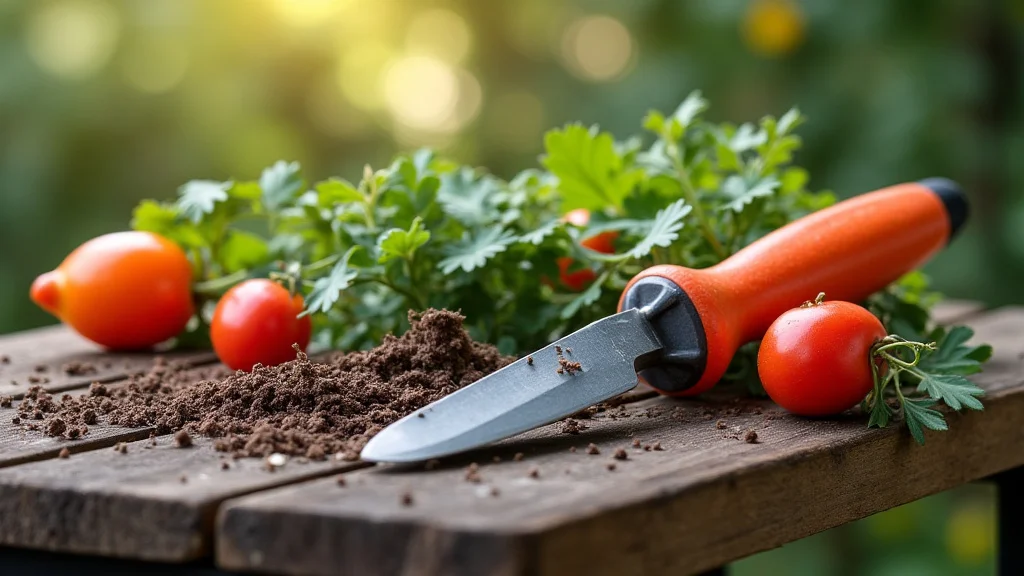
- Gardening Knife: A versatile tool for many tasks. It cuts twine, harvests vegetables, and prepares plants for planting. A sharp blade is vital for safe and efficient work. Choose one with a comfortable grip.
- Safety First: Store sharp tools safely when not in use. Always cut away from yourself to avoid injuries. Wear gloves to provide an extra layer of protection. Regular maintenance ensures tools remain sharp.
Long-Handled Tools: Power and Efficiency
While hand tools are great for close-up work, long-handled tools offer leverage and efficiency for bigger jobs. These tools help with tasks like digging, turning soil, and moving materials. They save your back and allow you to cover more ground. These tools are the powerhouses of the garden, making large-scale tasks manageable. From shovels to rakes, the right long-handled tools can transform your gardening efficiency.
Shovels, Spades, and Forks: Digging and Turning with Ease
Digging, turning soil, and moving materials are essential parts of gardening, and the right tools make these tasks easier. Shovels are your go-to for moving soil and other loose materials. Spades are designed for digging and edging beds. Forks are ideal for turning compost and aerating soil. Choosing the right tool for the job is important. It is also important to choose tools made from durable materials. This will make your gardening process more efficient. These tools are the essential components for a productive garden.
- Shovels: Shovels are best for moving materials. Consider the size of the blade. This will help you choose the right shovel for the task. Look for shovels with a sturdy handle and a comfortable grip.
- Spades: Spades are perfect for digging and edging beds. Choose a spade with a sharp blade. It will help you cut through soil easily. Consider the shape of the blade. It helps with specific tasks.
- Garden Forks: Forks are used for turning compost and aerating soil. They aerate the soil, which improves drainage. Select a fork with strong tines. This tool will handle tough soil.
- Material Matters: Choose tools made from high-quality materials. This will ensure durability and longevity. Choose steel blades for strength. Choose ergonomic handles for comfort.
Rakes and Hoes: Leveling and Weeding Power
Rakes and hoes are your allies in leveling soil, preparing seedbeds, and managing weeds. Rakes help smooth the soil surface and remove debris. Hoes are great for weeding and creating furrows for planting. They provide the perfect finishing touches. These tools keep your garden tidy and ready for planting. Selecting the appropriate type of rake or hoe depends on the task. Maintaining these tools ensures they remain effective.
- Rakes: Use rakes to level soil and remove debris. Metal tines are best for tougher tasks. Choose a rake with a wide head to cover more ground.
- Hoes: Hoes are your friends for weeding and creating furrows. There are many hoe types, and each type is best for different tasks. Choose a hoe that is comfortable to use.
- Rake and Hoe Varieties: Consider different rake and hoe varieties to improve efficiency. For example, a leaf rake is suitable for gathering leaves. A draw hoe is designed for weeding.
- Maintenance: Keep these tools clean and dry when not in use. Sharpen the hoe blades. This will make them more efficient. Regularly check the connections.
Specialized Tools for Specific Tasks
While hand and long-handled tools form the core of your gardening arsenal, specialized tools cater to specific tasks and plant types. These tools are designed to make certain jobs easier. They provide precision and efficiency. These specialized tools can range from pruning saws for tackling thick branches to watering wands for delicate irrigation. These tools expand your gardening capabilities.
Pruning Saws and Loppers: Branch Management
Maintaining the health and shape of trees and shrubs requires specialized tools like pruning saws and loppers. Pruning saws are ideal for cutting through thicker branches. Loppers are used for branches that are too large for hand pruners. They provide the leverage needed for clean cuts. Using the right pruning tools is important for protecting the plant. This will lead to optimal growth and flowering. The right tools help shape your landscape.
- Pruning Saws: Select a pruning saw with a curved blade for efficient cutting. The blade should be sharp and strong. Choose a model that is easy to handle.
- Loppers: Loppers are helpful for cutting larger branches. Choose loppers with long handles for added leverage. Consider bypass or anvil loppers based on the task.
- Types of Cuts: Understand the best way to make pruning cuts. For example, angle cuts prevent water from collecting. This protects the plant.
- Maintenance: Clean and sharpen blades. This ensures effective cutting and prevent diseases. Store pruning tools in a dry place.
Watering Cans, Hoses, and Sprinklers: Staying Hydrated
Providing your plants with the right amount of water is very important for their growth. Watering cans offer a gentle way to hydrate plants. Hoses and sprinklers provide coverage for larger areas. Choosing the right watering tools will make the process easier. These tools allow you to water the entire area. These are necessary to provide the optimal hydration for your garden.
- Watering Cans: Use watering cans for targeted watering. Choose a can with a rose head for a gentle spray. Select the size and shape that are best for your needs.
- Hoses: Hoses are great for covering larger areas. Look for a hose made of durable material. Consider a hose reel for storage and convenience.
- Sprinklers: Different types of sprinklers offer various coverage patterns. Choose a sprinkler based on the shape and size of your garden. Ensure the sprinkler provides even watering.
- Watering Practices: Water your plants deeply. This ensures the roots get adequate hydration. Water in the morning to reduce water loss from evaporation.
Wheelbarrows and Garden Carts: Moving Materials
Moving soil, compost, and other materials is essential for gardening. Wheelbarrows and garden carts are designed to transport these materials. Wheelbarrows are maneuverable. Garden carts offer more capacity. These tools help reduce strain and make larger projects easier. These tools are necessary for carrying heavy loads around the garden. They increase efficiency and protect your back. These tools are very practical.
- Wheelbarrows: Choose a wheelbarrow with a sturdy frame and tire. Consider the capacity and shape of the bed. It will fit your needs.
- Garden Carts: Garden carts are great for transporting bulky items. Consider the weight capacity and the maneuverability. Choose a cart with features like a tipping bed.
- Material Handling: Load wheelbarrows and carts safely. Distribute the weight evenly to maintain balance. Be cautious on uneven terrain.
- Maintenance: Keep the tires inflated. Lubricate moving parts. Regularly check for signs of wear and tear. Store wheelbarrows and carts in a dry area.
According to the National Gardening Association, approximately 77% of U.S. households engage in some form of gardening, highlighting the widespread appeal of this activity. Furthermore, data from the Bureau of Labor Statistics indicates that gardeners, landscape architects, and related professionals benefit from tools designed to improve efficiency.
| Tool Type | Primary Use | Key Features | Benefits |
|---|---|---|---|
| Trowel | Digging and Transplanting | Small, scoop-shaped blade | Precision planting and small digging tasks |
| Hand Fork | Loosening Soil and Weeding | Multiple tines | Aerates soil and helps remove weeds |
| Shovel | Moving Soil and Materials | Flat or pointed blade | Efficient for transferring bulk materials |
| Hoe | Weeding and Soil Preparation | Blade for cutting | Effective for weeding and creating furrows |
Choosing the Right Tools for Your Garden
Selecting the right tools involves more than just buying what looks pretty. It also involves considering the size of your garden, the types of plants you plan to grow, and your personal preferences. A small balcony garden will have different needs than a large vegetable patch. Think about the specific tasks you’ll be performing, and choose tools that match those needs. Investing in quality tools will save you time and energy in the long run. Proper equipment is the foundation for an efficient and enjoyable gardening experience.
- Garden Size: Small gardens require fewer tools. Container gardening will need specialized tools. Large gardens need various long-handled tools for efficiency.
- Plant Types: Choose tools based on the plants you want to grow. Vegetable gardens require different tools. Ornamental gardens need pruning shears.
- Personal Preferences: Select tools that are comfortable to use. Consider the weight and handle. Select the size and shape that suits you.
- Quality vs. Quantity: Invest in high-quality tools that will last. Prioritize durability. This will make gardening a joy.
Tool Material and Construction: Durability Matters
The materials and construction of your tools play a big role in their durability and performance. Steel is a popular choice for blades. It is strong and resists wear. Handles made from wood or fiberglass offer comfort and strength. High-quality construction ensures that your tools last. Choose tools with sturdy construction. This ensures they’re able to withstand tough tasks. Properly maintained tools will provide years of gardening service.
- Blades: Stainless steel or carbon steel blades are corrosion-resistant. They’re sharp. Consider the hardness of the metal for long-lasting sharpness.
- Handles: Wood handles offer a comfortable grip. Fiberglass handles are lightweight and durable. Consider the ergonomics for comfortable use.
- Construction: Look for tools with sturdy connections. They are free of weak points. Well-constructed tools will withstand regular use.
- Maintenance: Proper maintenance is essential. This prolongs the life of the tools. Clean, dry, and store your tools after each use.
Ergonomics and Comfort: Gardening Without Strain
Gardening should be enjoyable, but using the wrong tools can cause strain and discomfort. Prioritize tools with ergonomic designs. These tools will reduce the strain on your body. Look for handles with a good grip. This provides a comfortable experience. Proper ergonomics can prevent aches and pains. This enhances your enjoyment of gardening. Comfortable tools will enable you to spend more time in your garden.
- Handle Design: Select tools with handles that fit comfortably. Choose tools with cushioned grips. This absorbs shock.
- Weight Distribution: Consider the weight of the tools. It will affect your movements. Balanced tools help you work efficiently.
- Adjustable Features: Some tools offer adjustable handles. They can improve comfort.
- Test and Try: Test tools before you buy them. This will make sure they feel comfortable in your hands.
Maintaining and Storing Your Garden Tools
Maintaining your tools used in gardening is as important as choosing them. Properly stored and maintained tools will last longer. They will also perform better. Regularly cleaning your tools will remove dirt and debris. Sharpening the blades will improve their cutting ability. Proper storage will protect your tools from the elements. Following these steps will protect your tools for many years.
- Cleaning: Clean your tools after each use. This removes dirt and debris. Use water and a brush to scrub off soil.
- Sharpening: Keep blades sharp. This improves cutting efficiency. Use a file or sharpening tool to maintain the blades.
- Storage: Store your tools in a dry place. This prevents rust. Hang tools on a rack.
- Lubrication: Lubricate moving parts. It will prevent rust. This will keep them working smoothly.
Cleaning and Sharpening: Keeping Blades in Top Shape
Cleaning and sharpening your tools used in gardening are essential maintenance tasks. Regularly clean your tools after each use to remove any dirt or plant debris. Use a brush and water to scrub off soil. Sharpening blades improves their cutting efficiency and safety. A sharp blade requires less force. This reduces the risk of injury. Regularly maintaining your tools helps ensure they remain in top condition.
- Cleaning Procedures: After use, rinse your tools with water. This removes dirt. Use a wire brush to scrub off any stubborn soil.
- Sharpening Techniques: Use a file or sharpening stone. Follow the blade’s angle for the best sharpening.
- Rust Prevention: Remove rust with steel wool. Consider applying a protective oil to prevent rust.
- Safety Precautions: Wear gloves and safety glasses. Be careful when working with sharp blades.
Storage Solutions: Protect Your Tools From the Elements
Protecting your tools used in gardening from the elements is very important. Properly stored tools will last longer and perform better. Consider storage solutions, like a shed, a garage, or a tool rack. Dry storage conditions are a must. They will prevent rust. A well-organized storage area will make it easy to find your tools. It also protects your investment. This will make gardening a pleasant experience.
- Shed or Garage: Store tools in a shed or garage. This will offer protection from the weather. Keep the area dry.
- Tool Racks: Use tool racks. This will organize your tools. It will keep them off the ground.
- Protective Covers: Cover tools. This protects them from dust. It also protects them from moisture.
- Regular Inspections: Regularly inspect your storage. Check for any damage. Ensure the tools are stored correctly.
Frequently Asked Questions
Question: What are the essential hand tools every gardener needs?
Answer: Every gardener needs a trowel, hand fork, hand weeder, cultivator, gloves, hand pruners, and a gardening knife. These tools handle planting, weeding, and basic maintenance.
Question: What’s the best way to clean my gardening tools?
Answer: After each use, wipe off dirt and debris with a cloth or brush. Rinse with water to remove any remaining soil. Dry them thoroughly before storing.
Question: How often should I sharpen my pruning shears?
Answer: Sharpen your pruning shears at least once a year, or more often if you use them frequently. A sharp blade makes cleaner cuts and protects your plants.
Question: How do I store my gardening tools during the winter?
Answer: Clean and dry your tools. Store them in a dry place. Consider hanging them on a wall rack to prevent them from sitting directly on the ground. You can also apply a light coat of oil to prevent rust.
Question: What are the benefits of using ergonomic gardening tools?
Answer: Ergonomic tools are designed to reduce strain and fatigue. They have comfortable grips and designs that support natural hand and wrist movements. This makes gardening more comfortable and enjoyable.
Final Thoughts
Embarking on your gardening journey starts with the right tools used in gardening. From the simple trowel to the sturdy shovel, each piece of equipment plays an important part in nurturing your plants. Selecting high-quality tools that fit your needs, garden size, and comfort is crucial. You can create a garden you’ll love. Remember, proper maintenance and storage prolong the life of your equipment. Keeping them in good shape makes gardening more efficient. Equip yourself with the right tools, and you will have a thriving garden. Start planting and enjoying the fruits (and vegetables!) of your labor.