
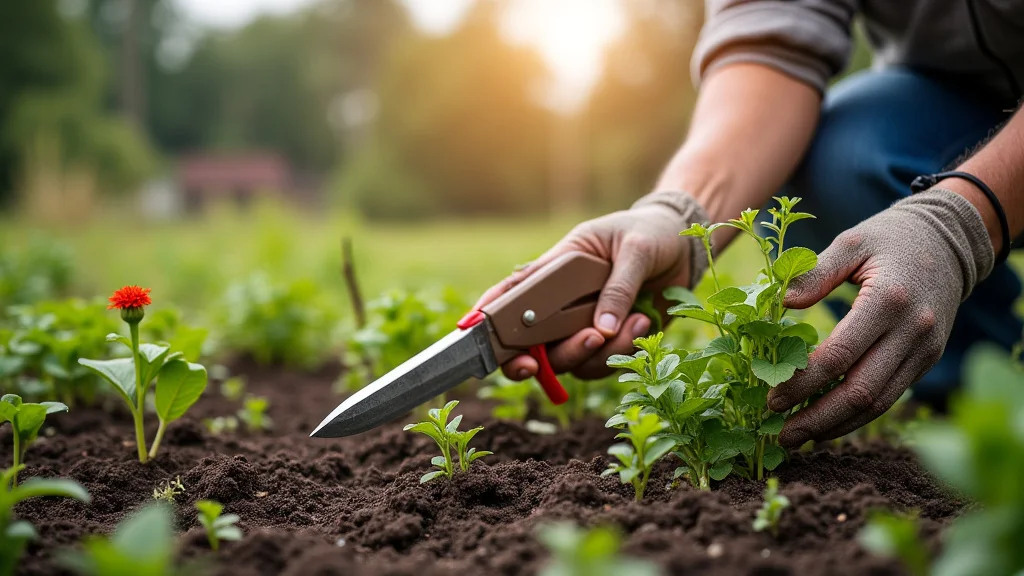
Remember that time your garden hose sprung a leak right before a scorching heatwave? You were ready to give up on your beautiful flowerbeds! Finding the right equipment can make or break your gardening plans, especially if you only need certain tools for a specific task. This guide will help you locate the best tool rental yards near me for gardening, saving you money and storage space. You’ll learn how to find reliable rentals, what tools are commonly available, and tips for choosing the right equipment for your needs. We’ll explore everything you need to know to make your gardening projects a success without breaking the bank. Get ready to experience easier, more efficient gardening!
Key Takeaways
- Discover the benefits of renting tools instead of buying them.
- Learn how to locate tool rental yards near me for gardening.
- Explore the different types of gardening tools available for rent.
- Understand how to choose the right tools for your specific gardening needs.
- Find out what to consider when comparing rental prices and services.
- Get tips on maintaining rented tools and returning them properly.
Finding Tool Rental Yards Near Me for Gardening
The first step in any gardening project is gathering the right equipment. But buying everything you need can be expensive, especially if you only need a tool for a specific task or a short period. That’s where tool rental yards come in! They offer a cost-effective alternative to buying, allowing you to access high-quality tools without the commitment of ownership. Finding these yards is easier than you think. You can explore online search engines, check local directories, and ask for recommendations from fellow gardeners.
Utilizing Online Search Engines
The internet is your best friend when it comes to finding local businesses. Use search engines like Google, Bing, or DuckDuckGo, typing in search terms like “tool rental yards near me for gardening” or “garden tool rentals near “. Be specific with your location to get the most relevant results. Google Maps can also be a valuable resource, displaying nearby rental locations and providing reviews, hours, and contact information. Take advantage of filters to narrow down your search and look at results like ‘open now’ or ‘highest rated’.
-
Refine Your Search Queries: Experiment with different search terms. Instead of just “tool rentals,” try “garden equipment rentals,” “landscape tool rentals,” or “rent lawn equipment.”
Using broader or more specific terms can reveal different results. For example, some rental places may be listed under “equipment rental” generally, while others are listed with a focus on garden tools.
-
Check the Reviews: Pay close attention to customer reviews. Reviews offer insights into the quality of the tools, the rental yard’s customer service, and the overall experience.
Look for yards with consistently positive reviews, mentioning things like well-maintained tools, helpful staff, and fair pricing. Be aware of both the good and the bad reviews. Check for trends or common issues.
-
Utilize Mapping Features: Use map features on search engines to see the location of rental yards. This visual aid will help you find the closest options to your property.
This will help identify yards within easy driving distance. You can often see the distance from your location, which helps when planning to transport large tools.
-
Compare Websites and Contact Information: Visit the websites of several rental yards to compare their selection, prices, and policies. Check the information they offer.
Ensure that all of the information is up to date, including hours, contact details, and available tools. If they have websites, look for photos of the equipment, and also read their terms and conditions.
Exploring Local Directories and Recommendations
Beyond online searches, explore local directories and ask for recommendations. Local directories, both online and print, often list businesses by category. These directories can provide details about tool rental yards that may not show up in general search results. Additionally, word-of-mouth recommendations from friends, neighbors, or fellow gardeners can lead you to trusted and reliable rental yards. These suggestions come from personal experiences and offer valuable insights.
-
Review Local Business Directories: Search for local business directories, both online and in print. Many of them provide listings for tool rental yards and other related services.
Look for listings that include addresses, phone numbers, and website links. Some directories may even include customer reviews.
-
Check Community Groups and Forums: Explore local community groups and online forums for gardeners or homeowners. Many members share advice, including recommendations for tool rentals.
These groups will offer first-hand information about quality, prices, and service. Someone may even suggest a hidden gem that you wouldn’t find through a general search.
-
Ask Friends, Neighbors, and Colleagues: Word-of-mouth is a powerful tool. Ask people in your neighborhood if they have used any local tool rental yards.
Their experiences can provide you with details. You may hear about their experiences, and they could offer insight into the quality of the tools, the rental process, and the value.
-
Visit Local Hardware Stores: Many hardware stores offer tool rental services or can recommend local rental yards. This can be a great way to find a tool.
They often have a deep understanding of local businesses and can provide valuable insights. The employees can assist you with your project.
Commonly Rented Gardening Tools
Tool rental yards offer a vast array of equipment, catering to various gardening tasks, from basic maintenance to complex landscaping projects. Knowing which tools are available and what they’re used for can help you plan your projects efficiently. From tillers to aerators, there’s a tool for almost any garden project. Exploring these options helps gardeners make informed decisions when renting tools, improving both the project and the final outcome.
Tools for Soil Preparation
Proper soil preparation is the foundation of a healthy garden. Rental yards provide various tools to help you prepare your soil, from breaking up hard-packed earth to mixing in essential nutrients. Tillers and rototillers are key tools for this purpose, quickly turning over soil and incorporating organic matter. Aerators are often available for rent, improving soil structure and oxygen flow. These tools help create the ideal environment for plant growth.
-
Rototillers/Tillers: These motorized machines are ideal for breaking up compacted soil, mixing in compost or fertilizer, and preparing garden beds for planting.
Rototillers come in various sizes, from small, handheld models for small gardens to larger, more powerful machines for larger areas. They use rotating tines to break up the soil. Renting a rototiller can save a lot of time and effort compared to manual tilling.
-
Aerators: Aerators remove small plugs of soil from your lawn, which allows air, water, and nutrients to penetrate deeper into the roots of your grass.
Aerating your lawn improves drainage, reduces thatch buildup, and promotes healthier grass growth. Aerators come in both manual and motorized versions, with motorized models covering larger areas more quickly.
-
Soil Cultivators: These tools are perfect for loosening the top few inches of soil, removing weeds, and preparing the ground for planting.
Soil cultivators are less aggressive than tillers, making them ideal for delicate garden beds or areas where you want to disturb the soil as little as possible. They can also be used for weeding between rows of plants.
-
Shovels and Spades: While often considered basic tools, shovels and spades are essential for digging, transplanting plants, and moving soil.
Rental yards often have these tools available for rent. Consider the type of shovel or spade that best suits your needs: a pointed shovel is great for digging, while a flat spade is better for edging or moving materials.
Tools for Planting and Maintenance
Once the soil is prepared, the next phase involves planting, weeding, and maintaining your garden. Rental yards offer a variety of tools to make these tasks easier and more efficient. From post-hole diggers for planting trees and shrubs to weeders and edgers, the right tools will make your gardening more enjoyable and effective. Tools like hedge trimmers and chain saws are essential for pruning, shaping, and removing unwanted plant growth.
-
Post Hole Diggers: These tools are ideal for digging holes for planting trees, shrubs, or fence posts. They can be rented to complete the job.
Post hole diggers come in various sizes, ranging from manual models to motorized versions for larger projects. They are a time-saving alternative to using a shovel.
-
Weeders: Weeders are designed to remove weeds from your garden beds and lawns. Many different types of weeders exist.
They can be manual or motorized. These will help you keep your garden looking neat and prevent weeds from taking over your plants.
-
Edgers: Edgers are perfect for creating clean lines along your garden beds, sidewalks, and driveways.
Edgers can be manual or motorized. This creates a professional look and helps maintain the shape of your garden beds.
-
Hedge Trimmers: Hedge trimmers are used to shape and maintain hedges, shrubs, and bushes.
Hedge trimmers can be electric or gas-powered. They can save time and effort compared to using hand shears, especially for larger hedges.
Choosing the Right Tools for Your Gardening Needs
Selecting the right equipment is important for the success of your gardening project. Assessing your needs and knowing how to match the tools with the tasks is key. You will need to consider the size of your garden, the type of soil you have, and the type of project you plan to do. Understanding the specific function of each tool, its capabilities, and its limitations will help you choose the best options. This approach ensures you rent the right tools, making your gardening experience more efficient and enjoyable.
Assessing Your Gardening Project Needs
Before you even begin the rental process, take some time to evaluate the scope of your project. Think about the size of the area you will be working with, the type of soil in your garden, and the specific tasks you need to complete. This assessment will help you select the most appropriate tools for your project, preventing you from overspending on equipment that may not be necessary. Carefully reviewing these details ensures you don’t rent unnecessary tools.
-
Determine the Size of Your Garden: Measure the area of your garden. Knowing the square footage will help you determine the size and type of equipment you need.
For example, a small urban garden may require only handheld tools, while a larger property may benefit from a rototiller or lawn aerator. This will influence your tool choices.
-
Evaluate Your Soil Type: Different soil types require different tools. For example, hard clay soil might need a heavy-duty tiller, whereas sandy soil is easier to work with.
Consider the soil’s composition. Is it compacted? Does it drain well? These factors will determine the type of tools you need to prepare your soil effectively.
-
Identify the Tasks: Make a list of all the tasks you need to complete. This will guide your tool selection. Are you planting a new garden bed, removing weeds, or trimming hedges?
This will help you decide what equipment is needed. Do you need a rototiller for breaking up the soil, a weeder for removing weeds, or a hedge trimmer for shaping your plants?
-
Consider the Time You Have Available: Think about how much time you have to dedicate to your gardening project. This will help you decide whether to rent manual or motorized equipment.
If you’re short on time, motorized tools can save you time and energy. If time isn’t a factor, manual tools can be a more cost-effective option.
Understanding Tool Specifications and Capabilities
Familiarize yourself with the specifications and capabilities of each tool before renting. Review the tool’s features, operating instructions, and recommended applications. Understanding these aspects ensures that you choose the right equipment and use it safely. This helps you avoid renting tools that might be underpowered for your needs or unsuitable for the task at hand. Properly understanding the tool helps you perform your gardening tasks with greater efficiency and safety.
-
Read the User Manual: Before using any rented tool, read the user manual. This will tell you how to operate the tool correctly and safely.
Manuals offer key information about the tool’s features, safety precautions, and maintenance requirements. Always operate the tool as directed to avoid accidents.
-
Check Power and Size: Consider the power and size of the tool. Ensure it’s appropriate for the tasks you plan to undertake.
For example, a small handheld tiller will not be effective for a large garden bed. Choose tools that have the power and capacity for your project’s needs.
-
Understand Tool Features: Become familiar with the features of the tool, such as adjustable settings or safety features.
These features can enhance the tool’s performance and ensure your safety. Learn how to use all the settings properly to optimize your work.
-
Ask the Rental Yard for Advice: Don’t hesitate to ask the rental yard staff for help. They can provide advice on the best tools for your project.
Rental yard staff are experienced and can help you select the right equipment. They may offer important operating and safety instructions.
Comparing Rental Prices and Services
The price of renting gardening tools can vary between different rental yards. Carefully comparing these factors helps you make a wise decision. Focus on hourly, daily, or weekly rates. Also, assess the rental yard’s policies regarding damage, insurance, and late returns. In addition, compare the quality of the tools. This can result in both cost savings and peace of mind. Taking the time to evaluate these details ensures you get the most value for your money.
Evaluating Rental Rates and Fees
Rental rates are a major factor in your decision. It’s important to understand how different rental yards charge for their tools. You may encounter hourly, daily, weekly, or even monthly rates. Knowing the total cost, including any additional fees, such as delivery charges or fuel costs, is also important. Knowing these factors will allow you to make the most cost-effective decision for your project and your budget. This helps you to stay on budget while getting the equipment you need.
-
Compare Hourly Rates: Hourly rates are best suited for short projects. Look closely at the hourly rate.
If you are unsure of the time needed, ask for estimates. You can compare the cost across different rental yards.
-
Compare Daily and Weekly Rates: Daily or weekly rates are best for projects that will take a full day or multiple days.
Evaluate different yards and their rates. This could provide an overall better value compared to hourly rentals.
-
Look for Discounts and Specials: Check for any discounts or special offers, such as weekend deals or package deals.
Some rental yards offer special rates. These can reduce the total cost of your rental.
-
Consider Fuel Costs and Delivery Charges: Clarify whether fuel costs or delivery charges are included in the rental price. These extra fees can affect the total cost.
Knowing the full cost will allow you to plan your budget. Always ask about fuel policies and any additional delivery fees.
Assessing Rental Yard Policies and Services
In addition to rates, you need to consider the rental yard’s policies and services. These policies include damage policies, insurance options, and late return fees. You should also evaluate the rental yard’s customer service and its maintenance procedures. By evaluating these details, you’ll ensure a positive rental experience. This provides transparency and prevents unexpected charges or complications.
-
Review Damage Policies: Understand the rental yard’s damage policies. Know what happens if the tool is damaged while in your possession.
Some rental yards require insurance. Others may hold you responsible for any damage. Reviewing the policy protects you from unexpected costs.
-
Check Insurance Options: Ask about insurance options. Decide if you need extra coverage in case of damage or theft.
Insurance may be needed if you want to protect yourself. Make the best decision for your needs. This can give you peace of mind.
-
Inquire About Late Return Fees: Find out about the late return fees and the rental period extensions. This helps you avoid unexpected charges.
Be aware of how the yard handles late returns. If you know you may need the tool longer, discuss the possibility of extending the rental period.
-
Assess Customer Service: Evaluate the rental yard’s customer service. Speak with the staff. Check for tool maintenance.
A rental yard’s helpfulness is important. Good customer service ensures that you receive the advice you need. Well-maintained tools also contribute to a better experience.
Maintaining and Returning Rented Tools
To ensure a safe and successful gardening experience, you must maintain rented tools and return them properly. Take care of the tools during your project. Following the rental yard’s instructions, you can protect the tools from damage or wear and tear. You will also need to return the tools on time and in good condition. Taking care of rented tools protects both your safety and your budget. It also ensures that the tool rental yard can continue providing high-quality tools for other customers.
Proper Tool Maintenance During Use
While using rented tools, perform some basic maintenance. Regular maintenance keeps the tools functioning smoothly and ensures your safety. If you adhere to these guidelines, you’ll minimize risks and maximize the efficiency of your gardening efforts. Proper care and safety are essential when using rented equipment.
-
Follow the User Manual: Always follow the user manual’s instructions for operation and maintenance.
The manual provides key information. This ensures that you are using the tool safely and correctly.
-
Inspect the Tool Before Each Use: Before each use, inspect the tool for any signs of damage. Check for loose parts or wear and tear.
If you see any issues, contact the rental yard immediately. Report any damage or defects. This ensures that the tools are safe to use.
-
Keep Tools Clean and Lubricated: Keep the tools clean and lubricated. This prevents rust and ensures smooth operation.
Remove any dirt, debris, or plant matter from the tool after each use. Apply lubricants to moving parts.
-
Use Safety Gear: Always wear the appropriate safety gear. This will protect you from potential hazards.
Wear safety glasses, gloves, and appropriate footwear. These will provide protection. This ensures your safety while using the rented tools.
Returning the Tools: Procedures and Considerations
Properly returning the rented tools is just as important as maintaining them. Return the tools on time, in good condition, and according to the rental yard’s guidelines. These steps ensure a smooth end to the rental process. This also demonstrates respect for the rental yard’s equipment and allows you to avoid any potential fees or penalties. This will ensure your satisfaction.
-
Clean the Tools: Before returning the tools, clean them of dirt, debris, and plant matter.
Ensure that the tools are free of any dirt, grass, and other materials. This helps the rental yard prepare them for the next customer.
-
Refuel (If Required): If the tool uses fuel, refuel it according to the rental yard’s guidelines.
Some rental yards expect you to return the tools with a full tank of fuel. If this is the case, be sure to refuel the tool before returning it to avoid extra charges.
-
Return on Time: Return the tools on time. This helps you avoid late return fees.
Be sure to return the tools by the agreed-upon return date. Late returns can result in extra charges.
-
Inspect the Tools with the Rental Yard Staff: Inspect the tools with the rental yard staff upon return. This allows you to address any issues.
Allow the rental yard staff to inspect the tools. This can help to avoid any potential disputes. Discuss any issues you may have encountered.
Frequently Asked Questions
Question: What do I need to bring when I rent a tool?
Answer: You usually need a valid driver’s license or another form of photo identification, and a credit card or cash for payment. Some yards also require a local address to confirm your residency.
Question: What happens if I damage a rented tool?
Answer: Damage policies vary between rental yards. You will likely be responsible for covering the cost of repairs or replacement. It’s important to understand the yard’s policy before you rent.
Question: Can I extend my rental period?
Answer: Yes, you can often extend your rental period. You should contact the rental yard to ask for an extension before your original rental period ends. Fees may apply.
Question: What safety precautions should I take when using rented tools?
Answer: Always read and follow the user manual. Wear appropriate safety gear, such as eye protection, gloves, and sturdy footwear. Be aware of your surroundings, and never operate a tool when tired or distracted.
Question: How do I know if a tool is right for my project?
Answer: Check the tool specifications and capabilities. Consider the size of your project and the type of soil. Don’t hesitate to ask the rental yard staff for advice. They can help you select the best tool.
Final Thoughts
Finding the right tool rental yards near me for gardening can significantly impact your gardening project. You can access the tools you need without the full commitment of ownership by exploring local resources, comparing prices, and understanding the rental yard’s policies. From choosing the correct rototiller to selecting the right hedge trimmer, the perfect equipment makes all the difference. Remember to assess your garden, evaluate tool specifications, and practice proper maintenance during use. This approach helps you maintain the equipment and ensure a smooth return. You’re ready to create a beautiful, well-maintained garden without unnecessary expense. Get out there, explore your local options, and make your garden dreams a reality. Enjoy the process and the results!