
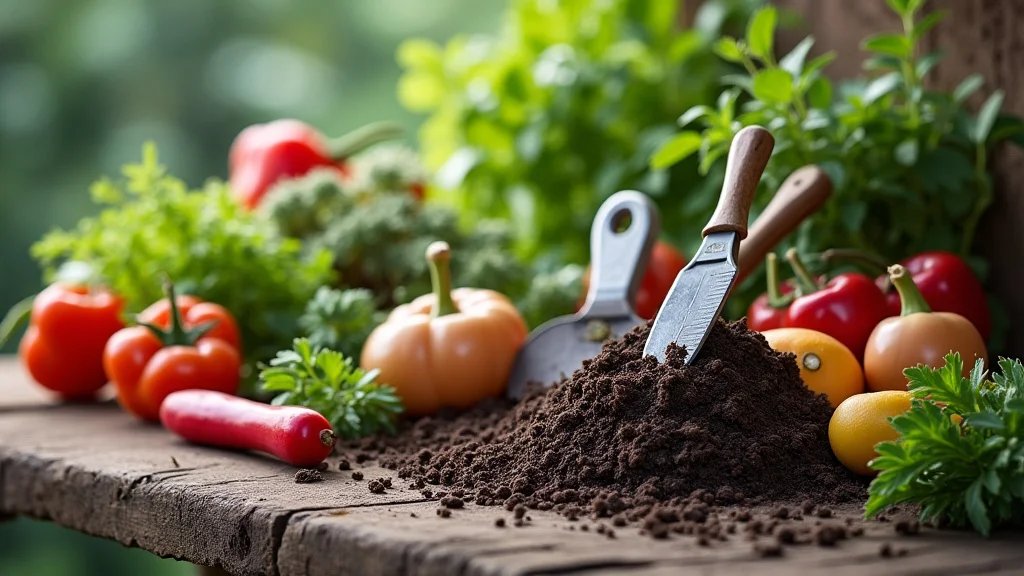
Remember that time you tried to plant a single tomato in your backyard with a spoon? It didn’t go so well, did it? We’ve all been there! Gardening can seem like a breeze in those beautiful Instagram photos, but the reality often involves struggles with the wrong equipment. This guide is all about equipping you with the right tools for gardening list. You will explore a list of the must-have tools for both beginner and seasoned gardeners. By the end, you’ll feel confident about what to buy and how to use it, turning your thumb from brown to green. This post will give you the knowledge you need, which will save you time, money, and frustration.
Key Takeaways
- Discover the essential tools for gardening list, covering everything from basic hand tools to larger equipment.
- Learn about the different types of tools and their specific uses in various gardening tasks.
- Understand how to choose the right tools based on your garden size, plant types, and personal preferences.
- Get tips on maintaining your gardening tools to ensure they last for years.
- Find recommendations for high-quality tools that won’t break the bank.
- Learn about the importance of safety when using gardening tools and how to avoid injuries.
Must-Have Tools for Gardening
Creating a beautiful garden starts with the right tools for gardening list. This isn’t just about having the latest gadgets; it’s about having the right equipment to make gardening easier, more efficient, and, let’s be honest, more fun! This list will help you get started, and as you gain experience, you can add more specialized tools to your collection. This section focuses on essential tools, and explains how to select the best for your needs. The goal is to provide a comprehensive guide that will set you up for success, no matter your experience level.
Hand Trowel and Hand Fork
These two hand tools are essential for any gardener. The hand trowel is perfect for digging small holes, transplanting seedlings, and scooping up soil. The hand fork, with its small tines, is designed for loosening soil, removing weeds, and mixing in compost. They are relatively inexpensive, compact, and easy to use. The materials they are made of matter; look for stainless steel or rust-resistant options for durability.
-
Hand Trowel: The hand trowel is a versatile tool for various tasks. It is small, making it ideal for planting seedlings and small plants.
The trowel also comes in handy for digging in fertilizers or amending the soil in tight spaces. Choose a trowel with a comfortable handle and a sturdy blade to handle frequent use. A wider blade is beneficial for moving larger amounts of soil. - Hand Fork: This is a close friend to the trowel. The hand fork loosens soil without disturbing plant roots. Use it to work compost or fertilizer into the soil around plants. It’s also useful for removing small weeds. Consider a hand fork with slightly curved tines for better soil penetration and leverage.
- Material Matters: The material of these hand tools impacts their longevity and ease of use. Stainless steel is a popular choice for both, being rust-resistant and durable. Wood handles are comfortable to grip but may require more care to prevent rotting. Consider ergonomic handles to minimize hand strain during longer gardening sessions.
- Size and Weight: These tools should be comfortable to hold and use. Heavier tools can become tiring, and large trowels might not be suitable for small pots. Lightweight designs often offer better maneuverability, so pick a trowel and fork that fits your physical build for efficient use.
Gardening Gloves
Gloves are not just about protecting your hands; they also improve your grip and make it easier to handle tools and plants. Gardening can involve a lot of rough handling, from digging in the dirt to handling thorny plants. Gloves protect your hands from blisters, cuts, and dirt. It’s important to select gloves that fit well and are made of a durable material that allows for flexibility and dexterity.
- Material Considerations: Choose gloves based on the types of tasks you will be doing. Leather gloves are ideal for heavy-duty work like pruning and handling rough materials. Fabric gloves with rubberized palms are excellent for general gardening tasks. Nitrile-coated gloves provide good protection from chemicals and are great for handling plants.
- Fit is Key: The gloves must fit properly to offer the best protection and feel comfortable. If gloves are too tight, they will restrict movement. If they are too loose, they will be difficult to work with. Before you purchase, you might try different sizes and brands until you find the perfect fit.
- Durability: Think about the amount of use and the types of plants and materials you work with. Heavy-duty gloves might be better if you have roses or other thorny plants. Inspect the stitching and material for overall durability. Look for gloves with reinforced palms and fingers for added protection.
- Waterproof Features: Consider waterproof gloves to keep your hands dry when working in wet conditions. Waterproof gloves are great for tasks like washing pots or working with wet soil. Look for gloves with a waterproof lining. Remember to air dry them properly after each use to prevent mildew or odors.
Watering Can or Hose
Proper watering is essential for any successful garden. You will have to make a choice between a watering can or a hose, each with advantages. Watering cans are easy to manage for small gardens or containers, allowing you to control the water flow. Hoses are better for larger areas, letting you cover more ground quickly. Select either a watering can or a hose based on your garden’s size and the plants’ needs.
- Watering Can Features: Choose a watering can with a rose head for gentle watering that won’t damage delicate plants. Make sure the spout is long enough to reach all areas of your garden. Consider the can’s size and weight; you want something manageable when full of water. Plastic watering cans are light and inexpensive, but metal ones are more durable.
- Hose Considerations: Choose a hose long enough to reach all areas of your garden. Consider a hose with a spray nozzle that allows you to vary the water pressure and pattern. A lightweight hose is easier to handle, especially if you have a larger garden. Make sure your hose is made of durable materials that can withstand outdoor weather.
- Watering Techniques: Whether you choose a can or a hose, it’s important to water your plants correctly. Water deeply at the base of the plant, avoiding wetting the foliage. Water in the early morning to prevent fungal diseases. You should check the soil moisture regularly.
- Water Conservation: You can help conserve water by watering your plants deeply less frequently. Water your plants at the base to avoid wasting water. Mulching around your plants will help to retain moisture. Consider using a rain barrel to collect water for your garden, this will provide you with a sustainable source of water.
Essential Tools for Soil Preparation
Soil preparation is the foundation of a healthy garden. Good soil supports plant growth and provides essential nutrients. The tools used for soil preparation are used to improve soil structure, drainage, and fertility. These tools help break up compacted soil, add organic matter, and create an environment that will let plants thrive. Proper soil preparation can make the difference between a struggling garden and one that flourishes.
Garden Hoe
The garden hoe is a versatile tool used for various gardening tasks, most often weeding and cultivating the soil. Its broad blade makes it ideal for slicing through weeds. The hoe can also be used to create rows for planting seeds and to move soil. Using a hoe to maintain your garden can improve overall health. You should select a hoe that’s appropriate for your garden type and personal needs.
- Blade Types: You can find a variety of garden hoe blades. The most common type is the draw hoe, useful for slicing through weeds and moving soil. The Dutch hoe has a blade that works with a pulling motion, making it suitable for weeding in rows. The stirrup hoe is double-sided, allowing you to cut weeds in both directions.
- Handle Length: Consider the length of the handle based on your height and the type of work you will do. A longer handle is better for standing while hoeing. A shorter handle might be suitable for more detailed work. A comfortable handle will decrease strain, and it can help with efficiency.
- Handle Materials: The handle material affects comfort and durability. Wood handles are popular for their feel. Fiberglass handles are light, durable, and weather-resistant. Choose a handle material that offers a comfortable grip and can withstand the rigors of gardening.
- Maintenance: Proper maintenance will keep your hoe working well. Always clean the blade after use to remove dirt and debris. Sharpen the blade regularly to maintain its cutting efficiency. Store the hoe in a dry place to prevent rust and damage to the handle.
Garden Fork
The garden fork is an important tool for working with soil. It has long tines that penetrate deep into the ground. It is used to loosen compacted soil, turn over compost, and lift root crops. Choosing a sturdy and well-designed garden fork is important. A good garden fork makes soil preparation tasks easier. Garden forks are useful for both small and large gardening areas.
- Tine Design: Garden forks come with different tine designs. Square-tined forks are excellent for breaking up compacted soil. Flat-tined forks are useful for turning over compost and moving loose material. Consider the soil type and tasks when selecting the tine design.
- Handle Length: Consider the handle length, it should suit your height and the type of work you will do. A longer handle is better for standing while turning compost or lifting root crops. A shorter handle might be more maneuverable in confined spaces. Make sure the handle provides a comfortable grip.
- Handle Material: Garden fork handles are usually made of wood, fiberglass, or steel. Wood handles offer a comfortable feel. Fiberglass handles are light and durable. Steel handles are strong and long-lasting. Select a handle material that is right for you.
- Material Quality: The material of the tines should be strong and resistant to bending. Stainless steel and carbon steel are common choices. Look for a fork with tines that are securely attached to the handle. A robust construction will ensure that your fork lasts a long time.
Soil Scoop or Shovel
A soil scoop or shovel is useful for moving soil, compost, and other materials. It is essential for tasks like filling raised beds, digging planting holes, or spreading mulch. There are shovels of different sizes, shapes, and uses. A well-chosen shovel can make your gardening work much more efficient. Soil scoops, often smaller, are good for specific tasks in containers or raised beds. The best choice depends on your needs.
- Shovel Blade Shape: Shovels come in different blade shapes, suitable for different tasks. A round-point shovel is good for digging holes and general use. A square-point shovel is better for moving loose materials. Consider the tasks you perform most frequently to choose the right blade.
- Handle Type and Length: The handle length and material are important for comfort and efficiency. A long-handled shovel is better for standing and digging. A shorter-handled shovel may be easier to maneuver in tight spaces. Handles can be made of wood, fiberglass, or steel.
- Material and Durability: Shovel blades are usually made of steel. Look for a blade that is strong and able to withstand heavy use. Make sure the handle is firmly attached to the blade and will not come loose during use. A well-built shovel will last for many years.
- Ergonomics: Choose a shovel with an ergonomic design to reduce strain. Look for shovels with a D-grip handle, which is easy to hold. A lightweight shovel will be easier to use for extended periods. Consider the shovel’s overall design and weight to ensure you will be comfortable using it.
Cutting and Pruning Tools
Cutting and pruning are essential aspects of plant care. They involve removing dead, damaged, or overgrown parts of plants. These tools are important for maintaining plant health, promoting growth, and shaping the appearance of your garden. Using the right tools will make your pruning tasks easier and more effective, ensuring that your plants stay vibrant and healthy.
Pruning Shears
Pruning shears are handheld tools for cutting branches, stems, and small twigs. They come in different designs, including bypass and anvil shears. Bypass shears provide a clean cut. Anvil shears are suitable for cutting dead wood. Pruning shears are used for trimming shrubs, shaping plants, and harvesting flowers. Selecting the right shears and learning how to use them are key for effective pruning.
- Bypass Shears: These shears are ideal for making clean cuts. They work similarly to scissors, with a sharp blade that passes by a cutting blade. Bypass shears are suitable for cutting green, living stems. They create a clean cut that helps plants heal quickly.
- Anvil Shears: These shears have a single sharp blade that cuts against a flat surface. Anvil shears are best for cutting dead wood or thicker branches. They are strong. However, they can crush softer stems.
- Blade Quality: Look for pruning shears with high-quality blades. Stainless steel blades are rust-resistant and durable. Carbon steel blades are also effective. Consider blades with a non-stick coating to reduce friction.
- Ergonomics and Comfort: Select shears with ergonomic handles. These will reduce strain during extended use. Look for shears that have a comfortable grip. Padded handles can improve comfort. Make sure the shears fit well in your hand.
Loppers
Loppers are long-handled cutting tools, ideal for pruning branches that are out of reach. They are useful for cutting thicker branches than pruning shears can handle. Loppers use a leverage system to multiply your cutting force. They are used for pruning shrubs, small trees, and other plants. Choosing the right loppers and knowing how to use them makes pruning easier.
- Bypass vs. Anvil Loppers: Loppers come in bypass and anvil designs. Bypass loppers offer clean cuts, just like bypass pruning shears. Anvil loppers are designed for thicker, dead branches. They are durable, but they can crush stems.
- Handle Length: Consider handle length based on the reach you need and the thickness of the branches. Longer handles provide more reach. They also give you additional leverage. Shorter handles are easier to maneuver. Select the appropriate length for the tasks you plan to do.
- Blade Material: High-quality blades are important for durability and cutting efficiency. Look for blades made of heat-treated steel, they are strong. Blades with a non-stick coating will reduce friction.
- Weight and Balance: Lightweight loppers are easier to handle. Ensure the loppers are balanced for efficient cutting. Test the loppers by making some test cuts to make sure they are comfortable.
Pruning Saw
A pruning saw is used for cutting larger branches that loppers cannot handle. It has a long, curved blade with teeth for sawing through wood. Pruning saws are useful for removing dead or damaged branches. This will improve the overall health and appearance of trees and shrubs. It’s important to select a saw that is easy to use and maintain.
- Blade Type: Pruning saws can have curved or straight blades. Curved blades are suitable for cutting on the pull stroke, providing greater control. Straight blades are effective for general cutting tasks. The blade should be sharp and sturdy, made of high-quality steel.
- Tooth Design: The tooth design affects the saw’s cutting ability. Teeth with a curved design are good for fast cutting. Teeth with a more aggressive design are better for thicker branches. Select a saw with teeth appropriate for the type of wood.
- Handle and Grip: Look for a saw with a comfortable handle. The handle should fit well in your hand and provide a secure grip. Consider handles that are non-slip or ergonomic. Ensure the handle can withstand the forces of sawing.
- Safety Features: Consider a saw with safety features. A blade cover will protect the saw. It also protects you and others when the saw is not in use. Look for a locking mechanism that secures the blade in place during use.
Specialized Gardening Tools
In addition to the basic tools, there is a variety of specialty tools. These are designed to make specific tasks easier or to provide better results. Some of these tools are useful for specific plants. Others are useful for particular types of gardening methods. Although you may not need them all, these tools can add to your efficiency and gardening success.
Weeders
Weeders are tools specifically designed for removing weeds. They are used to get rid of weeds without harming desirable plants. There are several types of weeders, each with a different design. Some weeders dig around the weed roots, while others slice them off. Weeders help keep gardens tidy. They reduce the need for harsh chemicals. Choose weeders appropriate for your garden type and your weed problems.
- Types of Weeders: There are many types of weeders available. A stand-up weeder has a long handle. It lets you remove weeds without bending over. A hand weeder is useful for spot-weeding. A dandelion weeder has a forked tip that can dig down and pull out the entire root.
- Blade Design: The blade design affects the effectiveness of the weeder. A narrow blade is suitable for removing weeds between plants. A wide blade is better for larger areas. Select the blade that works best for your garden.
- Handle Length and Comfort: The length of the handle will depend on your height and how much bending you want to do. Ergonomic handles will help you avoid fatigue. Look for handles that provide a comfortable grip, these are especially useful if you are gardening for long periods.
- Material and Durability: Weeders should be made of durable materials that can withstand repeated use. Look for weeders made of steel. Ensure that the handle is securely attached to the blade. A well-built weeder will last many seasons.
Hori-Hori Knife
The Hori-Hori knife is a versatile garden tool. It has a sturdy, flat blade with a pointed tip. It is useful for digging, weeding, transplanting, and measuring soil depth. The blade is often serrated on one side. This makes cutting through roots easier. The Hori-Hori knife is a helpful tool for many garden tasks. Its utility makes it a favorite among gardeners.
- Blade Features: The blade has a flat design. One side might be serrated for cutting through roots. The blade should be strong enough to withstand digging in various soil types. A curved blade might be easier to use.
- Handle Design: The handle should provide a comfortable and secure grip. Look for handles that are made of wood or rubber. Consider a handle with a guard to protect your hand. Select a handle that feels comfortable in your hand.
- Sheath: A sheath is useful for storing and transporting the knife. Look for a sheath that securely holds the knife. It will also protect the blade from damage. The sheath can be made of leather or durable plastic.
- Versatility: The Hori-Hori knife is good for many tasks. Use it for digging, weeding, and transplanting plants. You can also use it to measure soil depth and cut through roots. The versatile nature of the Hori-Hori knife makes it a useful tool.
Wheelbarrow or Garden Cart
A wheelbarrow or garden cart is essential for moving soil, compost, plants, and other materials. It is useful for both small and large gardens. A wheelbarrow or cart is a great tool for saving time and energy. It helps you transport heavy items with ease. Choose a cart or wheelbarrow that suits your needs and garden size.
- Wheelbarrow Capacity and Design: Wheelbarrows come in different sizes, from small to large. The capacity will depend on how much you will carry. Consider whether you need a single-wheel or two-wheel design. A two-wheel wheelbarrow is more stable.
- Garden Cart Features: A garden cart typically has four wheels. It is useful for hauling a larger amount of materials. Many garden carts have sides that can be removed. This makes it easier to load and unload.
- Material and Durability: Wheelbarrows and carts are often made of steel or plastic. Steel wheelbarrows are strong and long-lasting. Plastic wheelbarrows are lighter and easier to maneuver. Look for models made of rust-resistant materials.
- Ergonomics and Maneuverability: Consider a wheelbarrow or cart with ergonomic handles. These handles will reduce strain while you are using it. Ensure the wheelbarrow or cart is easy to maneuver. The size and type of wheels affect maneuverability.
Tool Maintenance and Storage
Proper maintenance and storage of your tools for gardening list will ensure they last for years. Regular care keeps your tools in good working condition. This protects you from injury and will extend their lifespan. Following these guidelines helps maintain your gardening tools.
Cleaning Your Tools
Cleaning your tools after each use is essential for removing dirt, sap, and other debris. Clean tools work better. They also prevent the spread of diseases. Clean tools extend their lifespan and ensure that they are ready to use. Cleaning your tools also prevents the spread of diseases.
- Rinsing: Rinse your tools with water to remove loose soil and debris. You can use a hose or a bucket of water. Make sure to rinse the blades and other surfaces thoroughly.
- Scrubbing: Use a brush or scraper to remove stubborn dirt, sap, and rust. For tough stains, you can use soapy water or a special cleaning solution. Make sure you remove all the dirt.
- Drying: After cleaning, dry your tools. This will prevent rust. Use a clean cloth or let them air dry. Make sure they are completely dry before storing them.
- Sanitizing: Sanitizing is useful. It prevents the spread of diseases. You can use a solution of bleach and water. Dip your tools in the solution for a few minutes. Rinse them and dry them afterward.
Sharpening Your Tools
Sharpening tools will improve their performance. It will also make gardening tasks easier. Dull blades require more effort to use. They can also damage plants. Sharpening tools regularly will help them cut cleanly. This ensures that your tools work safely and effectively.
- Pruning Shears and Loppers: Use a sharpening stone or a file to sharpen your pruning shears and loppers. Follow the original angle of the blade. Sharpen the cutting edge. Remove any burrs from the blade.
- Hedge Shears: Sharpen hedge shears with a file or a sharpening stone. Sharpen the blades at the appropriate angle. Remove any burrs. Make sure you sharpen the blades evenly.
- Shovels and Hoes: Use a file or a sharpening stone to sharpen shovels and hoes. Sharpen the blades at the correct angle. Ensure the blades are sharp enough to cut through soil or weeds. Remove any burrs from the blades.
- Safety First: Make sure you protect yourself. Wear gloves and eye protection. Make sure that your tools are secure during sharpening. Never sharpen tools that are wet or in bad condition.
Proper Storage
Storing your tools correctly will protect them from damage and rust. This will also make them easier to find when you need them. Having a well-organized storage space will make gardening easier. Proper storage can protect your tools and make them last longer.
- Tool Rack: Store your tools on a tool rack or a wall-mounted organizer. This will keep them off the ground. It will also prevent damage. Make sure the rack is sturdy.
- Tool Shed or Garage: Store your tools in a tool shed or garage. This will protect them from weather and moisture. Make sure the storage area is dry and well-ventilated. This will prevent rust and other damage.
- Hanging Tools: Hang tools with long handles to save space. This will also prevent them from tipping over. Place tools with blades in a safe place. This will prevent injuries.
- Protective Covers: Use protective covers on sharp tools. These covers will protect the blades. They will also prevent accidents. Store tools that are not in use safely.
Frequently Asked Questions
Question: What’s the best way to clean rusty tools?
Answer: For light rust, scrub with steel wool or sandpaper. For heavier rust, you can use a rust remover. After removing the rust, rinse the tool, dry it, and apply a thin layer of oil to prevent further rusting.
Question: How often should I sharpen my pruning shears?
Answer: Sharpen your pruning shears at least once or twice per year, or more frequently if you use them heavily. Look for any dullness or nicks on the blade and sharpen as needed.
Question: Can I use household oil to lubricate my tools?
Answer: Yes, household oil can be used for light lubrication. However, for best results, use a lubricant designed for tools, as they offer better protection against rust and wear.
Question: What kind of gloves should I use for rose bushes?
Answer: For rose bushes, you need sturdy gloves. Leather gloves or those with long, reinforced cuffs will protect your hands and arms from thorns.
Question: Where should I store my tools during the winter?
Answer: Store your tools in a dry, covered place such as a shed or garage. Clean, sharpen, and apply oil to your tools before storing them. This protects them from rust.
Final Thoughts
You have taken a step towards creating a garden by getting the right tools for gardening list. You now have a grasp of the must-have tools, the specific uses, and how to maintain them. You’ve also learned about the many options that are available, from basic hand tools to specialized equipment. Knowing what tools to use and how to care for them will increase your chances for success, and make your gardening experiences easier and more satisfying. You can customize your tool collection to your specific garden and the needs of your plants. With the right tools and a little care, you’ll be able to enjoy a beautiful, thriving garden. Explore new tasks, and keep learning as you go. Happy gardening!