
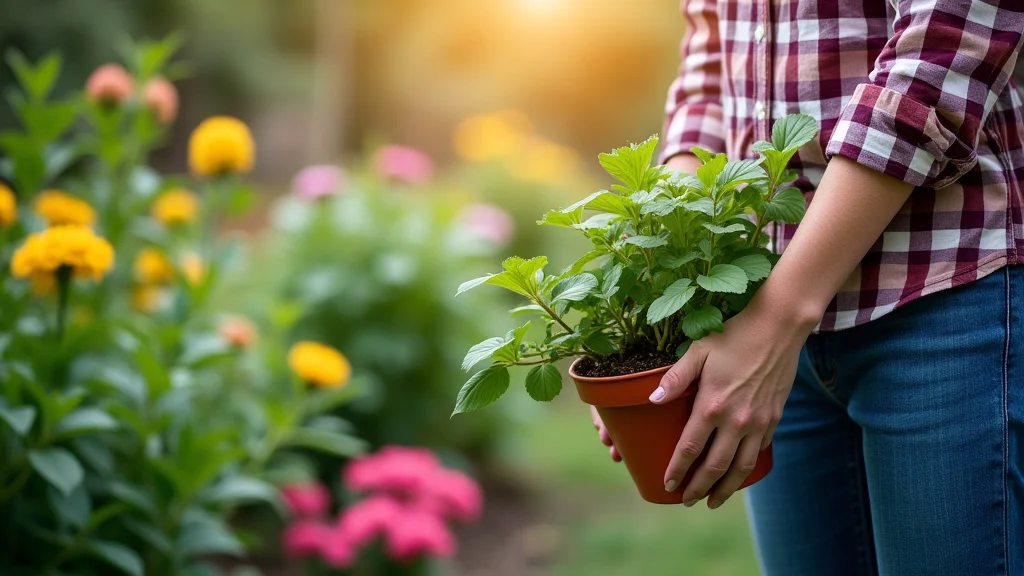
Remember that time your tomato plant withered, and you were left wondering what went wrong? Or maybe you dreamed of a lush rose garden but didn’t know where to begin. It’s frustrating when your gardening efforts don’t yield the results you hope for. This guide is all about helping you succeed in your gardening pursuits, with a focus on the qvc gardening tools and equipment. You’ll gain a solid grasp of what tools are essential, how to choose the right ones, and how to use them to cultivate your dream garden. This post will give you the knowledge to pick the right qvc gardening tools and equipment and use them effectively. Get ready to turn your gardening aspirations into a reality!
Key Takeaways
- You’ll discover the essential tools needed for various gardening tasks.
- Learn about choosing quality gardening equipment from QVC.
- Understand the features that make gardening tools user-friendly.
- Find out how to maintain your tools for years of use.
- See examples of successful gardening projects.
- Get gardening tips to ensure a beautiful outdoor space.
Getting Started with QVC Gardening Tools and Equipment
Gardening can seem like a lot of work when you’re just starting, but with the correct tools, it becomes much easier. The first step is gathering the essential items. QVC offers a wide selection of qvc gardening tools and equipment, covering everything from hand tools to power tools. Investing in quality equipment from the start can make a big difference. Think about what you plan to grow and the size of your garden. A small balcony garden won’t need the same equipment as a large backyard. Starting with basics like a trowel, hand rake, and pruning shears is always a good idea.
Essential Hand Tools
Hand tools are the core of gardening, making tasks like planting, weeding, and trimming manageable. These tools are your first companions in the garden. For starters, a trowel is a small, handheld shovel perfect for digging small holes and transplanting seedlings. A hand rake is excellent for smoothing soil, removing debris, and preparing seedbeds. Pruning shears are critical for shaping plants and removing dead or damaged branches. Gloves are another essential item to protect your hands from dirt, thorns, and blisters. These simple tools will significantly improve your gardening experience, whether you’re a beginner or an experienced gardener.
- Trowel: This is a small, hand-held shovel used for digging, transplanting, and scooping soil. It’s perfect for planting seedlings and small plants. Look for a trowel with a comfortable handle and a sturdy blade made of stainless steel or carbon steel for durability.
- Hand Rake: Used for smoothing soil, removing debris like leaves and stones, and preparing seedbeds. Look for a rake with sturdy tines and a comfortable handle.
- Pruning Shears: Essential for trimming and shaping plants and removing dead or damaged branches. Choose shears with sharp, bypass blades for a clean cut.
- Gloves: Protect your hands from dirt, thorns, and blisters. Choose gloves that fit well and are made of a durable, breathable material.
Trowels are typically small, easily portable tools that fit well in a gardener’s hand. They can be made from various materials, with stainless steel being popular due to its resistance to rust and corrosion. Carbon steel is another option, known for its strength. Handle materials range from wood to plastic, impacting comfort and grip. A well-designed trowel should have a sharp edge for easy soil penetration and a comfortable handle that reduces hand fatigue.
A hand rake features several tines (teeth) that are used to level soil, remove small rocks, and clear away unwanted debris. The tines can be made of metal or durable plastic. The handle is often made of wood or composite materials, chosen for their balance of strength and comfort. A hand rake helps create a well-prepared area for planting, which is vital for seeds to germinate and for plants to thrive. The width of the rake head can vary, with wider rakes being more effective for larger areas and narrower rakes for tighter spaces.
Pruning shears, or hand pruners, are designed to cut stems and branches cleanly. There are two main types: bypass and anvil. Bypass pruners have two blades that pass each other, similar to scissors, providing a clean cut. Anvil pruners have one blade that cuts against a flat surface (the anvil), which is better for dead wood but can crush softer stems. Look for sharp blades, comfortable grips, and a locking mechanism for safety.
Gardening gloves are a vital tool for protecting your hands during gardening tasks. They come in various materials, including leather, synthetic fabrics, and rubber-coated options. The best gloves should offer a balance of protection, dexterity, and breathability. Leather gloves provide excellent protection against thorns and rough surfaces, while synthetic options often offer better water resistance and breathability. The fit of the gloves is critical for comfortable use, ensuring that you can perform tasks without difficulty. Proper gloves also help prevent blisters and reduce hand fatigue.
Power Tools for Garden Work
If you have a larger garden or more demanding tasks, power tools can be a game-changer. QVC offers a variety of power tools that can significantly speed up your work. These tools are especially helpful for tasks such as tilling, edging, and trimming large hedges. While these tools may require more investment, they can save time and energy in the long run. Safety is paramount when using power tools; always read and follow the manufacturer’s instructions, and wear appropriate safety gear, like safety glasses and gloves.
- String Trimmer/Weed Wacker: Used for trimming grass and weeds around obstacles, such as trees and garden beds. Electric and gas-powered models are available.
- Hedge Trimmer: For shaping hedges, shrubs, and bushes. Choose electric or gas-powered models with sharp blades and comfortable handles.
- Cultivator/Tiller: These tools break up soil for planting or preparing garden beds. They come in electric and gas-powered options.
- Leaf Blower: Used to clear leaves and debris from lawns and pathways. Electric and gas-powered models are available.
String trimmers, often called weed wackers, use a rapidly spinning nylon string to cut through grass and weeds. Electric models are usually lighter and quieter, making them ideal for smaller yards. Gas-powered trimmers are more powerful and suitable for larger areas and tougher weeds. When selecting a string trimmer, consider the size of your yard and the type of vegetation you need to cut. Key features include the engine power, cutting width, and ease of use.
Hedge trimmers are designed to quickly shape and trim hedges and shrubs. They come in electric (corded or cordless) and gas-powered models. Electric trimmers are generally quieter and more environmentally friendly. Gas-powered trimmers provide more power for thicker branches. Blade length is a critical factor, with longer blades making it easier to cover more surface area. Consider the weight and balance of the trimmer, as you’ll be holding it for extended periods. Look for features such as anti-vibration systems and blade guards.
Cultivators and tillers are used to loosen and aerate the soil, preparing it for planting. Cultivators are generally smaller and lighter than tillers, suitable for smaller gardens and more manageable soil conditions. Tillers are more powerful and designed for larger areas and compacted soil. Electric tillers are lighter and easier to handle, making them a good option for beginners. Gas-powered tillers offer more power and are better for heavy-duty tasks. Always follow the manufacturer’s safety instructions and wear protective gear when operating these tools.
Leaf blowers are a practical tool for removing leaves, grass clippings, and other debris from lawns, patios, and driveways. There are electric (corded and cordless) and gas-powered models available. Electric blowers are usually quieter and more environmentally friendly. Gas-powered blowers offer more power and are suitable for larger areas. The air speed and volume of the blower are important factors to consider, as these determine its clearing effectiveness. Also, consider the weight and balance of the blower, as you will be carrying it for extended periods.
Choosing the Right QVC Gardening Tools and Equipment
Selecting the right equipment from QVC gardening tools and equipment can be made easier with some key considerations. One aspect is evaluating your gardening needs. Identify the tasks you will perform, from planting and weeding to pruning and harvesting. Another important factor is considering the size of your garden and the type of plants you intend to grow. This will help you decide which tools are most essential. Beyond these factors, quality is key, so make sure to choose durable materials and reliable brands. Reading reviews and comparing specifications is essential to ensure you’re making an informed purchase.
Assessing Your Gardening Needs
Your gardening needs will dictate the tools you need. If you’re growing vegetables, you’ll need tools for soil preparation, planting, and harvesting. For flowers, you might need pruning shears and a hand trowel. Considering your plants, soil type, and gardening goals is the first step. Are you growing herbs in pots or a large vegetable garden? The answers to these questions will significantly influence your tool selection. You might start with a basic set and expand as your garden grows and your needs change. This process will help you avoid buying unnecessary items.
- Type of Gardening: Are you growing flowers, vegetables, or both? Each type of gardening has specific tool requirements.
- Size of Your Garden: A small balcony garden requires fewer tools than a large backyard.
- Type of Plants: Different plants have unique requirements, which impact the tools you need.
- Soil Type: The type of soil will determine the tools necessary for soil preparation.
Different types of gardening necessitate different tools. For flower gardening, tools like pruning shears and hand trowels are essential for tasks like shaping plants, removing deadheads, and transplanting seedlings. Vegetable gardening demands tools for preparing soil, planting, and harvesting. A hoe might be used to get rid of weeds between rows of plants, and a harvesting knife is useful for gathering vegetables. Understanding these specific needs is vital for effective gardening.
The size of your garden dramatically impacts your tool needs. A small balcony garden might be managed with a trowel, hand rake, and a watering can. A large backyard, on the other hand, might benefit from power tools such as a tiller, a string trimmer, and a leaf blower. Consider the total area of your gardening space and the ease of storing and handling the tools. More extensive gardens usually need a wider array of tools and the potential use of power tools to efficiently manage tasks such as tilling, weeding, and cutting.
Different plant types have varying needs, which will influence your tool selection. For example, rose bushes will require pruning shears and gloves to protect your hands from thorns. Vegetables will need tools for soil preparation, such as a garden fork or a tiller. Plants like fruit trees may need loppers for cutting larger branches. Considering the type of plants you are growing is crucial for efficient and successful gardening.
Your soil type strongly influences the tools you need. Clay soil is dense and compact, so you might need a sturdy shovel or a tiller to break it up. Sandy soil drains well but can dry out quickly, necessitating tools for irrigation, like a watering can or a sprinkler system. Loamy soil, which is a blend of sand, silt, and clay, is ideal for gardening but still requires proper preparation before planting. Choosing the appropriate tools based on your soil type will make your gardening endeavors more effective and easier.
Features to Look for in QVC Tools
When shopping for qvc gardening tools and equipment, certain features can greatly enhance your gardening experience. Look for tools that are comfortable to hold and easy to use, so you can work longer without fatigue. Ergonomic handles are a great asset. Consider the materials used in the construction of the tools; stainless steel and carbon steel blades resist rust. Also, consider the warranty. This is an indicator of the manufacturer’s confidence in their product. Considering these features will help you pick tools that are both effective and enjoyable to use.
- Ergonomic Design: Look for tools with comfortable handles and designs that reduce strain on your hands and wrists.
- Durable Materials: Choose tools made from high-quality materials such as stainless steel or carbon steel for blades, and wood or composite materials for handles.
- Ease of Use: Select tools that are easy to maneuver and operate. The weight, balance, and design all contribute to ease of use.
- Warranty and Customer Reviews: A good warranty often indicates the quality and reliability of the product. Read customer reviews to learn about the tool’s performance and durability.
Ergonomic design is crucial for comfortable gardening. This includes handles shaped to fit your hand, reducing strain. Tools with cushioned grips also help. The overall design should distribute weight evenly, reducing fatigue. With ergonomic tools, you can garden for longer periods without discomfort or risk of injury. Features like non-slip grips and angled handles can significantly improve user experience, making gardening more pleasurable.
The materials used in your tools will impact their longevity. Stainless steel and carbon steel blades are excellent for their rust resistance and durability. Wood handles offer a classic look and feel, while composite materials are often more weather-resistant and require less maintenance. High-quality materials ensure that your tools withstand harsh weather and repeated use, helping them last many gardening seasons. Choosing durable materials reduces the need for frequent replacements.
Tools designed for ease of use can make gardening tasks much easier. Consider the weight of the tool; lighter tools are easier to handle, especially for extended periods. Good balance ensures the tool does not tip or feel awkward in your hand. Features such as adjustable handles or pivoting heads can also improve maneuverability. Tools that are easy to use reduce physical strain and make the gardening process more enjoyable.
A warranty gives assurance that the manufacturer stands behind their product. Look for tools with a solid warranty, as this indicates the manufacturer’s confidence in their product’s durability and performance. Customer reviews are another great source of information, as they provide insights into real-world use and how the tools hold up over time. Reviews can reveal helpful information about a product, such as its ease of use, durability, and any potential issues.
Maintaining Your QVC Gardening Tools and Equipment
Proper maintenance of your qvc gardening tools and equipment is vital for their longevity and performance. Regularly cleaning and sharpening your tools will ensure they are always ready for action. Storing your tools correctly also protects them from the elements and extends their lifespan. Regular upkeep will save you time and money. With proper care, your tools will continue to serve you well, season after season, making your gardening efforts more enjoyable.
Cleaning and Sharpening
Cleaning and sharpening your gardening tools are essential to maintain their effectiveness. After each use, wipe off dirt and debris to prevent rust and corrosion. Sharpening blades will ensure they cut cleanly. This basic care will keep your tools in excellent condition, improving their performance and extending their life. A well-maintained tool is not only more effective but also safer to use.
- Cleaning Tools: After each use, clean your tools to remove dirt, sap, and debris.
- Sharpening Blades: Keep blades sharp using a file or sharpening stone. Sharpening ensures clean cuts and reduces plant damage.
- Lubrication: Lubricate moving parts (e.g., pruning shears, loppers) to keep them working smoothly.
- Rust Prevention: Remove rust promptly. Use steel wool, sandpaper, or a rust remover, and apply a rust-preventative coating.
Regular cleaning is an easy and effective way to extend the lifespan of your gardening tools. After each use, use a brush or cloth to remove dirt, sap, and plant debris. This prevents rust, corrosion, and the spread of plant diseases. A simple cleaning routine will keep your tools performing at their best and ready for the next gardening task.
Sharp blades are essential for efficient gardening. Dull blades can tear and damage plants, making them more vulnerable to disease. Use a file or sharpening stone to sharpen cutting blades regularly. Maintain a proper angle while sharpening to ensure a clean cutting edge. Regularly sharpened blades will help you make precise cuts, making gardening a more productive experience.
Lubricating moving parts can maintain the smooth operation of tools like pruning shears and loppers. Use a lubricant specifically designed for tools to ensure smooth operation and prevent corrosion. Regular lubrication reduces friction, making the tools easier to use and extending their life. Lubricate any hinges, pivots, or other moving components regularly.
Rust can greatly reduce the lifespan and effectiveness of your tools. Remove rust as soon as you spot it. Use steel wool, sandpaper, or a rust remover. Once the rust is gone, apply a rust-preventative coating to help protect the tools from future rust. Regular rust removal and prevention will make your tools last longer and perform better.
Storage Solutions
Storing your tools properly is essential for protecting them from the elements and keeping them organized. A well-organized storage area will make it easier to find your tools when needed. Ensure your tools are stored in a dry, covered space, away from extreme temperatures and moisture. Consider a shed, garage, or a dedicated tool rack to keep them in top condition and readily accessible.
- Dry Storage: Store tools in a dry place to prevent rust and corrosion.
- Organized Storage: Use a tool rack, shed, or storage containers to keep your tools organized.
- Protect from the Elements: Store tools indoors or under cover to protect them from sun, rain, and snow.
- Regular Inspection: Regularly inspect your tools for any signs of damage or wear.
Proper storage is a significant step in prolonging the life of your tools. A dry environment, such as a shed, garage, or storage box, is essential for preventing rust and corrosion. Moisture is the primary enemy of metal tools, so keeping them dry protects against this damage. Proper storage will keep your tools in good working order for years to come.
Keeping your tools organized can save time and prevent damage. Use tool racks, pegboards, or storage containers. A well-organized storage space allows you to quickly locate the tool you need and protects them from accidental damage. Organize your tools by type or use to make them easy to find and ensure that they’re stored properly.
Protecting your tools from the elements is a vital part of their maintenance. Direct sunlight, rain, and snow can damage your tools over time. Store tools indoors or under cover. This will help them stay in good condition and ensure they’re ready for use when you need them.
Regular inspection is essential for tool maintenance. Examine your tools for any signs of damage, wear, or rust. Check for loose handles, dull blades, or any parts that need lubrication. By identifying issues early, you can take steps to repair or replace the tool before it becomes unusable or dangerous.
Gardening Success Stories with QVC Tools
Countless gardeners have used qvc gardening tools and equipment to achieve stunning results. One example is a homeowner who used QVC’s hand tools to create a thriving vegetable garden. Another example involves a family that used QVC power tools to transform their overgrown backyard. With the right tools and a little dedication, anyone can achieve gardening success. These stories are a testament to the power of quality tools in helping gardeners realize their visions.
Here are some examples of success:
- A Vegetable Garden Success Story: A gardener started with QVC’s basic hand tools (a trowel, hand rake, and pruning shears) and created a productive vegetable garden in their small backyard. They started with basic crops like tomatoes, peppers, and herbs. The sharp pruning shears kept their plants healthy by removing dead or diseased growth. The hand rake helped prepare the soil for planting.
- Backyard Transformation: A family used QVC’s power tools to transform their overgrown backyard. The area had been neglected for years, with overgrown grass, weeds, and untamed shrubs. Using a string trimmer, they initially cleared the tall grass and weeds along the edges of the lawn and pathways. They used a hedge trimmer to bring the overgrown shrubs under control and a leaf blower to clear leaves and other debris.
Using the trowel for transplanting seedlings and weeding, they maintained a tidy and fruitful garden. Regular use of these simple tools, along with a bit of dedication and effort, resulted in an abundant harvest. The gardener expanded their garden each season, using more QVC tools, such as a garden fork and a hoe. The project proved that even with minimal space and simple tools, gardening dreams can become a reality.
Next, they decided to create a more organized and inviting outdoor space. They used a tiller to prepare a section of the backyard for a new garden. The transformation was completed when they installed a pathway. The family now has a welcoming outdoor area and garden that they love and enjoy, proving that with the right power tools, even the most neglected space can be turned into a beautiful and functional area.
Frequently Asked Questions
Question: What are the essential tools for a beginner gardener?
Answer: For beginners, essential tools include a trowel, hand rake, pruning shears, and gardening gloves. These tools cover the basics of planting, weeding, and trimming.
Question: How often should I sharpen my pruning shears?
Answer: Sharpen pruning shears as needed, usually after every few uses or when you notice they are no longer cutting cleanly. This ensures the best performance and plant health.
Question: How do I store my gardening tools to prevent rust?
Answer: Store gardening tools in a dry, covered area. After cleaning and drying, you can apply a rust-preventative coating.
Question: What is the best way to clean my gardening tools?
Answer: Clean tools after each use by wiping off dirt, sap, and plant debris. Use a brush or cloth to remove any soil and then wipe the tools clean.
Question: How do I choose the right size string trimmer for my yard?
Answer: Choose a string trimmer based on the size of your yard. Smaller yards need electric models, while larger areas benefit from gas-powered trimmers.
Final Thoughts
The journey of gardening can be so rewarding. With the right qvc gardening tools and equipment, you have a stronger starting point. From essential hand tools to power equipment, QVC offers everything you need to cultivate your dream garden. Selecting quality tools, knowing what you need, and maintaining them will make your gardening experience better. Remember to assess your gardening needs, consider tool features, and consistently maintain your equipment. So, gather your tools, start exploring, and embrace the joy of gardening. Your thriving garden awaits; enjoy the process!