
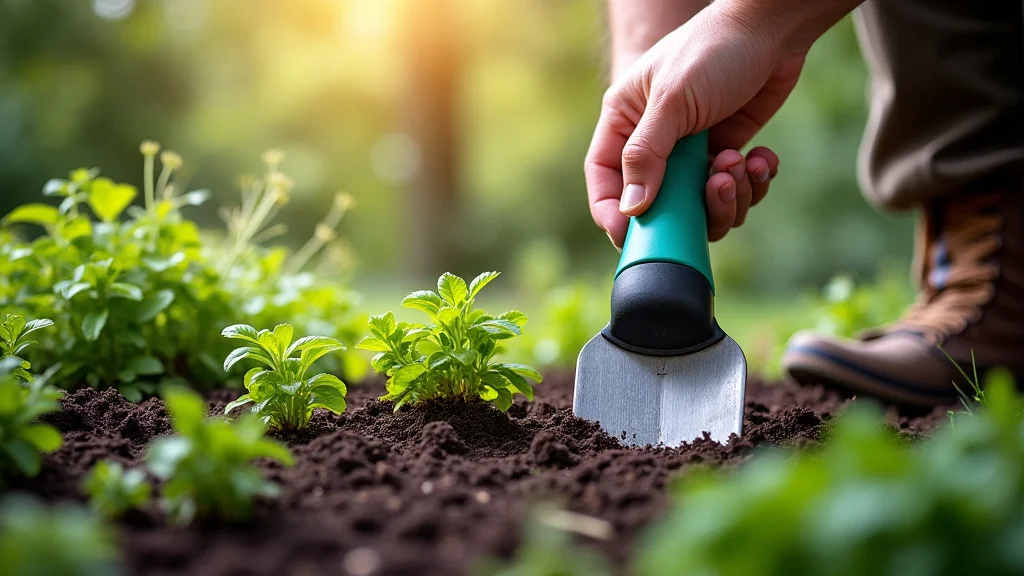
Remember that time you tried to plant a rose bush with a rusty trowel and a broken shovel? Yeah, we’ve all been there. Trying to garden without the right set of gardening tools is like trying to build a house with only a hammer. It’s frustrating, inefficient, and often leads to less-than-stellar results. This post helps you select the perfect tools, ensuring your gardening experiences are enjoyable and productive. You’ll learn the essential set of gardening tools and how to choose ones that fit your needs. You’ll also learn the best methods of caring for your tools so they last for many seasons. By the end, you’ll be well-equipped to cultivate a thriving garden.
Key Takeaways
- Choosing the right tools can make gardening easier and more enjoyable.
- Understanding the different types of gardening tools is key to making informed decisions.
- Maintaining your tools properly will increase their lifespan and effectiveness.
- Selecting tools based on garden size and type is essential.
- Proper tool storage keeps your set of gardening tools organized and protected.
- Safety is paramount when working with gardening tools.
Essential Tools in Your Gardening Arsenal
Building a successful garden starts with having the right tools. Just as a chef needs their knives and a painter needs their brushes, a gardener relies on a variety of implements to prepare the soil, plant seeds, nurture growth, and maintain order. The composition of a core set of gardening tools goes beyond simply having “stuff”; it’s about possessing the right implements to take care of the various tasks a garden requires. A well-curated collection of tools allows for efficiency, reduces physical strain, and ultimately enhances the overall gardening experience, turning what could be a chore into a fulfilling hobby.
Hand Tools for Precision Work
Hand tools are the foundation of any gardener’s toolkit. They allow for the delicate work of planting, weeding, and transplanting with pinpoint accuracy. These tools are designed to fit comfortably in your hand, giving you maximum control over the task. From the smallest seedlings to established plants, hand tools assist gardeners in directly interacting with their plants. It’s easier to maneuver and work in tighter spaces with smaller tools, particularly when dealing with container gardens or raised beds. These also help minimize the impact on surrounding plants and soil structure.
- Trowel: A small, handheld scoop with a curved blade.
- Hand Fork: A small, three or four-pronged tool used for breaking up soil and weeding.
- Hand Weeder: A specialized tool designed to remove weeds by the root.
- Transplant Trowel: Similar to a trowel, but often narrower and longer.
The trowel is probably the most frequently used hand tool in gardening. Its primary function is for digging small holes for planting seedlings, bulbs, and transplants. The curved blade allows the gardener to efficiently scoop out soil and create the space needed for the plant’s roots. It’s also handy for scooping up soil for fertilizing. The size and shape of the trowel vary, allowing gardeners to select one that suits their hand size and preferred way of working. Look for a trowel with a sturdy handle and a blade that won’t bend or break easily.
The hand fork is an excellent tool for preparing soil in smaller areas or between plants, as it helps break up clods and clumps without disturbing the root systems of nearby plants. It can also be used to remove weeds, especially those with shallow root systems, by lifting them out of the ground. The hand fork helps to aerate the soil, creating better conditions for the roots to grow. Choose a hand fork made from durable metal, so it can withstand the stress of digging and weeding, and select one with a comfortable handle for prolonged use.
Hand weeders come in various shapes and designs, but they generally feature a forked or notched end, allowing you to get under the roots and lift the entire weed out of the ground. Unlike using a trowel or hand fork, which can sometimes chop off the top of the weed, a hand weeder targets the root system, preventing regrowth. Some weeders have a long handle, allowing you to reach weeds without bending over, reducing back strain. Ensure that the weeder’s blade or fork is strong enough to remove weeds in compacted soil.
A transplant trowel is perfect for planting seedlings or moving small plants from one spot to another. Its narrower profile is helpful for creating a deeper hole than a standard trowel, giving the plant’s roots ample room to grow and thrive. This tool also allows you to carefully extract plants from their current location with minimal root disturbance, increasing the chances of successful transplanting. A quality transplant trowel is usually made of metal, providing a long-lasting, reliable solution for detailed gardening tasks.
Tools for Soil Preparation
Before you even think about planting, your soil needs to be ready. Soil preparation is critical, and the right tools make the job easier and more effective. These tools help break up compacted soil, remove debris, and integrate amendments to create a healthy growing environment. Investing in quality soil preparation tools is an investment in your garden’s overall health and productivity. The right tools ensure the soil is well-aerated, fertile, and ready to nurture your plants.
- Shovel: Used for digging, moving soil, and transplanting larger plants.
- Spade: Similar to a shovel, but with a flat blade, perfect for edging and cutting through roots.
- Garden Fork: Designed for turning, aerating, and breaking up soil.
- Hoe: Used for weeding, cultivating soil, and creating furrows.
A shovel is indispensable for several gardening tasks, from digging planting holes and moving soil to mixing compost and leveling ground. Shovels come in various forms, including round-point shovels for digging and pointed shovels for breaking up tough soil. The size of the shovel will vary depending on the gardener’s needs. A good shovel has a sturdy head made of metal and a durable handle. The handle should be long enough to provide leverage, while the head should be strong enough to withstand heavy use.
A spade differs from a shovel in its flat blade, which makes it ideal for slicing through sod, creating clean edges for garden beds, and dividing plants. This tool is valuable for transplanting shrubs or small trees because it allows you to get under the root ball and lift the plant. Also, the spade is useful for cutting trenches for planting or edging along pathways, providing a clean and organized look to the garden. The flat blade of a spade is meant for precision and requires less effort to use than a shovel for some jobs.
A garden fork is excellent for breaking up compacted soil, incorporating compost, and turning over the soil, providing aeration. The tines (prongs) of the fork penetrate the soil easily, lifting and turning the earth. It is a more gentle method of soil preparation than using a tiller. The garden fork is also effective for removing rocks and debris. Choose a garden fork that feels comfortable in your hands, with tines that are strong enough to handle different soil types. Look for a fork with a sturdy handle for the best results.
The hoe is a versatile tool used primarily for weeding and preparing soil for planting. Its flat blade allows the gardener to easily slice through weeds at the soil surface, preventing them from taking hold. The hoe can also be used to cultivate the soil between rows of plants, loosening the soil to allow for better air and water penetration. Furthermore, it helps form furrows for planting seeds or irrigating. Hoes come in many styles, including the draw hoe for pulling weeds towards you and the scuffle hoe for pushing weeds away.
Watering Equipment
Water is essential for plant growth, and having the right tools for watering ensures that your plants receive the moisture they need. Effective watering equipment helps deliver water efficiently, preventing water waste and encouraging healthy plant development. Proper watering methods are essential to maintain a beautiful, healthy garden. It helps in conserving water and prevents overwatering. The choice of tools depends on the size of your garden, plant types, and water source.
- Watering Can: A classic tool for hand-watering plants.
- Garden Hose: Used to water large areas of the garden.
- Sprinkler: Provides overhead watering for lawns and large areas.
- Soaker Hoses and Drip Irrigation: For efficient and targeted watering.
A watering can is useful for providing water to plants, particularly those in containers, raised beds, or in areas where a hose is inaccessible or impractical. Watering cans are also beneficial for precisely watering individual plants, ensuring that the water reaches the roots and not the leaves. Various sizes are available, from small ones designed for houseplants to large ones for outdoor gardens. Consider the spout design; a rose (sprinkler) head on the spout is suitable for delicate plants, while a straight spout is good for targeted watering.
A garden hose is essential for watering larger gardens, as it allows you to reach plants quickly and efficiently. Choose a hose made of durable material that resists kinking and tangling. There are several different types of hose nozzles available. These attachments let you adjust the water flow from a gentle mist to a powerful stream. A hose reel is recommended, as it protects your hose and keeps it organized. Be sure that the hose you pick is long enough to cover your entire garden area.
Sprinklers are effective for watering lawns, flower beds, and other large areas. They provide even water coverage, and come in different types, including oscillating, rotating, and impact sprinklers. Oscillating sprinklers move back and forth, distributing water in a rectangular pattern. Rotating sprinklers water in a circular pattern, and impact sprinklers deliver a powerful spray. Select a sprinkler based on the size and shape of your garden. Consider using a timer to automate the watering schedule and conserve water.
Soaker hoses and drip irrigation systems are excellent for conserving water, as they deliver water directly to the roots of plants, minimizing water loss due to evaporation. Soaker hoses are porous, releasing water slowly along their length. Drip irrigation uses small emitters to deliver water precisely to individual plants. These systems are especially beneficial for vegetable gardens, raised beds, and areas with water restrictions. Installation can involve some planning. However, the water-saving benefits of these systems are worth it.
Pruning and Cutting Tools
Pruning and cutting tools are crucial for maintaining the health and appearance of your plants. Regular pruning encourages new growth, improves air circulation, and keeps your plants in shape. With the right tools, pruning becomes much easier. They provide a clean and precise cut, reducing the risk of disease and promoting the plant’s recovery. Selecting the correct tools will ensure your plants get the best possible care, leading to beautiful and thriving gardens.
- Hand Pruners (Secateurs): For pruning small branches and stems.
- Loppers: For cutting thicker branches.
- Pruning Saw: Used for cutting larger branches that loppers can’t handle.
- Hedge Shears: For shaping hedges and trimming shrubs.
Hand pruners, also called secateurs, are small, handheld shears used for cutting stems and branches up to 3/4-inch in diameter. These are essential for shaping shrubs, removing dead or diseased growth, and harvesting flowers and vegetables. Hand pruners come in two main types: bypass pruners, which provide a clean cut and are best for live, green wood, and anvil pruners, which have a single blade that cuts against a flat surface and are usually suited for cutting dead wood. Regular sharpening and cleaning are required.
Loppers are long-handled pruning shears used for cutting branches that are too thick for hand pruners. They provide extra leverage, making it easier to cut branches up to 2 inches in diameter. Loppers come in bypass and anvil styles. Bypass loppers are generally preferred for live wood. Loppers are ideal for pruning fruit trees, shrubs, and other woody plants. The longer handles allow you to reach higher branches without using a ladder. Be sure to select loppers with sharp blades for clean cuts.
A pruning saw is used for cutting larger branches that are beyond the capacity of loppers. They have a curved, toothed blade designed to cut through thick wood. Pruning saws are useful for removing dead limbs, shaping trees, and managing overgrown branches. Pruning saws come in folding and fixed-blade styles. A folding saw is handy to carry around the garden, while a fixed-blade saw generally offers more power. Use the proper pruning techniques to prevent damage to the plant and promote proper healing.
Hedge shears are designed for trimming and shaping hedges, topiary, and shrubs. They have long blades that can make many cuts at the same time. Hedge shears come in manual and powered versions. Manual hedge shears work best for smaller hedges and light trimming. Electric or gas-powered hedge trimmers are more efficient for larger hedges. Regular maintenance, including blade sharpening and cleaning, is essential to keep hedge shears in good working order. Always wear eye protection when operating hedge shears.
Safety Gear
Safety should be a top priority when gardening, and the right safety gear helps protect you from potential hazards. From cuts and scrapes to sun exposure and insect bites, various risks need to be addressed. Wearing protective gear not only keeps you safe but also helps you to focus on the task at hand. By investing in the right safety equipment, you can enjoy your time in the garden with peace of mind. Safety precautions are essential for a pleasant and healthy gardening experience.
- Gardening Gloves: Protect hands from cuts, blisters, and dirt.
- Eye Protection: Shields eyes from debris and sunlight.
- Sunscreen and Hat: Protects skin from sun exposure.
- Closed-Toe Shoes: Protect feet from injury.
Gardening gloves are a basic safety item. They safeguard your hands from cuts, blisters, and irritation when working with tools, soil, and plants. Gloves help keep your hands clean and allow you to grasp tools and plants more firmly. Gloves come in various materials, including leather, cotton, nitrile, and latex. The choice of gloves depends on the type of work you are doing. Leather gloves are durable for heavy-duty tasks, while nitrile gloves provide a good grip and are resistant to chemicals.
Eye protection is a must when using tools that could send particles into the air, such as when using a hoe or pruning saw. Safety glasses or goggles protect your eyes from flying debris, dust, and potential projectiles. Wearing eye protection will help prevent eye injuries. Additionally, sunglasses or hats with brims will provide shade and protect your eyes from the sun’s glare, reducing eye strain and preventing sun damage. Consider the tasks involved, and select the appropriate eye protection.
Sunscreen is a must for gardening, especially during the peak hours of sunlight. Prolonged exposure to the sun can damage your skin, leading to sunburn, premature aging, and increased risk of skin cancer. Applying sunscreen with an SPF of 30 or higher and reapplying regularly, particularly after sweating, will help protect your skin. Wearing a wide-brimmed hat will also provide shade for your face, neck, and ears, reducing sun exposure. Consider the weather, and dress appropriately for prolonged sun exposure.
Closed-toe shoes are essential for foot protection when gardening. They shield your feet from sharp objects, such as tools, thorns, and debris, and prevent injuries. Closed-toe shoes also provide traction, helping prevent slips and falls. Consider wearing sturdy, waterproof boots if you are working in wet conditions or dealing with muddy soil. Avoid wearing sandals or open-toed shoes, as they expose your feet to potential hazards. Wear shoes that offer adequate support and protect your feet.
Choosing the Right Tools for the Job
The right set of gardening tools depends on the size and type of your garden. A small balcony garden won’t require the same tools as a large vegetable patch or a formal flower garden. The type of plants you plan to grow will also influence your tool choices. Some tools are more useful for certain gardening tasks. Having tools that fit your specific gardening needs ensures that you can take care of your plants correctly. Making the right choices will enhance your gardening experience and support the health and beauty of your green spaces.
Considering Garden Size and Type
- Small Gardens and Containers: Compact tools, trowels, hand forks.
- Medium-Sized Gardens: Shovels, spades, hand pruners, and watering hoses.
- Large Gardens and Vegetable Patches: Hoes, garden forks, shovels, and more.
For small gardens or container gardens, choose tools that are compact and easy to maneuver. Trowels, hand forks, and small hand rakes are essential for working in confined spaces. A hand weeder can remove weeds easily. A watering can or a small hose is perfect for watering plants. Consider storage space when selecting tools. Look for tools with comfortable handles and ergonomic designs to reduce strain. Keep the collection focused on the basic tools for the best results.
Medium-sized gardens require a wider range of tools. A shovel and spade are useful for soil preparation. Hand pruners and loppers will help manage shrubs and trees. A garden fork is useful for aerating the soil. A standard garden hose is essential for watering larger areas. Consider investing in a wheelbarrow for moving soil or compost. Make sure you have enough storage space to house your tools. Consider the specific gardening tasks that your plants require.
Large gardens and vegetable patches require an extensive tool collection to manage the space effectively. A hoe will be necessary for weeding and creating rows for planting. A garden fork and a shovel are essential for soil preparation and moving soil. A pruning saw will be needed for larger branches. A wheelbarrow will be useful for transporting large amounts of compost. A sprinkler system or a long garden hose will be useful for irrigation. Consider investing in a garden cart for moving tools and materials.
Selecting Tools for Different Plant Types
- Vegetable Gardens: Hoes, trowels, and hand rakes.
- Flower Gardens: Hand pruners, trowels, and hand forks.
- Shrubs and Trees: Loppers, pruning saws, and shovels.
In vegetable gardens, tools such as hoes are essential for weeding and preparing planting rows. A trowel and a hand rake will be needed to plant seeds and seedlings. Pruning shears are helpful for harvesting. The soil should be well-drained. Proper tools will allow you to care for each plant correctly. Select tools that fit the needs of the plants. Choose ergonomic tools for comfortable use.
Flower gardens need tools such as hand pruners to shape plants and remove spent blooms. A trowel will be helpful for planting and transplanting seedlings. A hand fork is beneficial for breaking up soil around plants. Consider investing in a soil knife for removing weeds. Select tools with an eye toward ease of use and plant health. Proper tool selection is the first step toward a beautiful flower garden.
To care for shrubs and trees, you’ll need loppers and pruning saws to trim branches and shape the plants. Shovels and spades are essential for planting and transplanting. Consider investing in a root saw for larger roots. The proper tools provide the ability to maintain the health and shape of trees and shrubs. Use the right tools for the correct task to ensure the plants get the best possible care. Prioritize safety, and always use protective gear.
Maintaining and Storing Your Gardening Tools
Taking care of your set of gardening tools means they’ll be ready and available when you need them. Proper cleaning, sharpening, and storage extends the life of your tools, ensures their optimal performance, and keeps you safe. When you care for your tools, you’re not only preserving your investment but also making your gardening tasks much more pleasant. Regular maintenance prevents rust, dull blades, and broken handles, leading to many seasons of successful gardening.
Cleaning and Sharpening Your Tools
- Cleaning: Remove dirt and debris after each use.
- Sharpening: Keep blades sharp for efficient cutting.
- Lubrication: Apply oil to moving parts to prevent rust and ensure smooth operation.
- Rust Prevention: Store tools in a dry place and apply rust inhibitors.
Clean your tools after each use to remove dirt, mud, and plant debris. Use a brush or scraper to remove soil. Wash tools with warm, soapy water. Rinse them thoroughly, and dry them with a towel. The key to cleaning your tools is to remove dirt and residue. You should wipe down metal surfaces to remove any plant sap, which can cause rust. Regular cleaning will keep your tools looking good and working properly. Cleaning also helps in the prevention of disease transfer.
Sharpening tools regularly ensures that they cut cleanly and efficiently. Dull blades can damage plants and increase the effort required for pruning and cutting. Use a file or sharpening stone to sharpen blades. The angle of the blade will depend on the tool. Sharpen pruning shears, loppers, and knives. If you sharpen blades, you should wear gloves to protect your hands. Keeping your tools sharp is essential for plant health and safety.
Lubricate the moving parts of your tools, such as the hinges of pruning shears and loppers, to prevent rust. Apply a light machine oil. This will ensure smooth operation and prevent corrosion. The oiling process will help the tools work correctly. Lubrication also helps reduce friction, making it easier to use the tools. You should apply oil to all the moving parts. Do this regularly to prolong the life of your tools and keep them functioning.
Rust can damage metal tools and reduce their lifespan. To prevent rust, store your tools in a dry place. Avoid leaving them outside in damp conditions. Consider applying a rust inhibitor to the metal surfaces, which will help prevent corrosion. When using your tools, clean them after use. You can also apply a light coating of oil to the tools. Proper maintenance will keep your tools working, as well as preserving their value.
Storing Your Tools Properly
- Tool Racks and Wall Organizers: Keep tools organized and accessible.
- Tool Shed or Garage Storage: Protect tools from the elements.
- Tool Bags and Baskets: Portable storage for easy access.
- Winterizing Tools: Preparing tools for the off-season.
A tool rack or wall organizer helps keep your tools organized and accessible. They come in various shapes and sizes. Tool racks keep tools off the ground and prevent damage. A wall organizer also frees up floor space in your shed or garage. Choose an organizer that suits the size of your collection. You should organize tools by type or frequency of use. Grouping your tools will help improve your efficiency. Tool racks also extend the life of your tools.
Store your tools in a tool shed or garage to protect them from the elements. A covered space will help keep your tools dry and prevent rust. Choose a shed or garage with adequate ventilation to prevent moisture build-up. Consider the climate and the best ways to protect your tools. You can make storage easier by keeping tools within easy reach. Store your tools in a location that is convenient for you. This will help you keep them in good condition.
Tool bags and baskets are handy for carrying tools around the garden. They provide a portable storage option. They are useful for tasks that require moving tools around. You can select bags or baskets based on the size of your tool collection. Baskets are lightweight and easy to carry. Bags have pockets and compartments. Consider the durability and the carrying capacity. Tool bags and baskets make your gardening tasks more accessible.
Before winter, take the time to prepare your tools for off-season storage. Clean and sharpen all tools. Lubricate the moving parts. Apply a rust inhibitor to prevent corrosion. Store your tools in a dry place. If you are storing them outside, use a waterproof container. You can also cover your tools with a tarp. This will protect your tools from the elements. Winterizing your tools will ensure that they are ready for the next gardening season.
Frequently Asked Questions
Question: What’s the best way to clean my gardening tools?
Answer: Rinse off dirt and debris after use. Then, wash with warm, soapy water, rinse thoroughly, and dry. For metal tools, wipe with a towel to prevent rust.
Question: How often should I sharpen my pruning shears?
Answer: Sharpen your pruning shears at least once or twice per season, or when you notice they are no longer making clean cuts.
Question: What’s the best way to store my shovels and spades?
Answer: Store your shovels and spades in a tool shed or garage, ideally hanging them on a rack to keep them off the ground and prevent rust.
Question: How do I choose the right size of garden hose?
Answer: Measure the distance from your water source to the farthest part of your garden. Select a hose that’s long enough to reach those areas without being stretched too tight.
Question: What gloves should I use for general gardening tasks?
Answer: Leather gloves are excellent for heavy-duty work, while nitrile or latex gloves offer good grip and protection for lighter tasks.
Final Thoughts
Choosing the right set of gardening tools and keeping them in great condition can turn your gardening into a joy. The essential tools, from hand trowels to garden forks, assist you in preparing soil, planting, and tending to your plants. Selecting the right tools depends on your garden’s size and the types of plants you cultivate. You’ll gain both efficiency and enjoyment when you have a set of gardening tools that fits your needs. To make your tools last and work correctly, clean and sharpen them regularly, and store them properly. By following these guidelines, you’ll ensure that your set of gardening tools will be ready for any task and will stay in peak condition for many growing seasons. Embrace the joy of gardening, and let the right tools empower you to create a thriving and beautiful green space.