
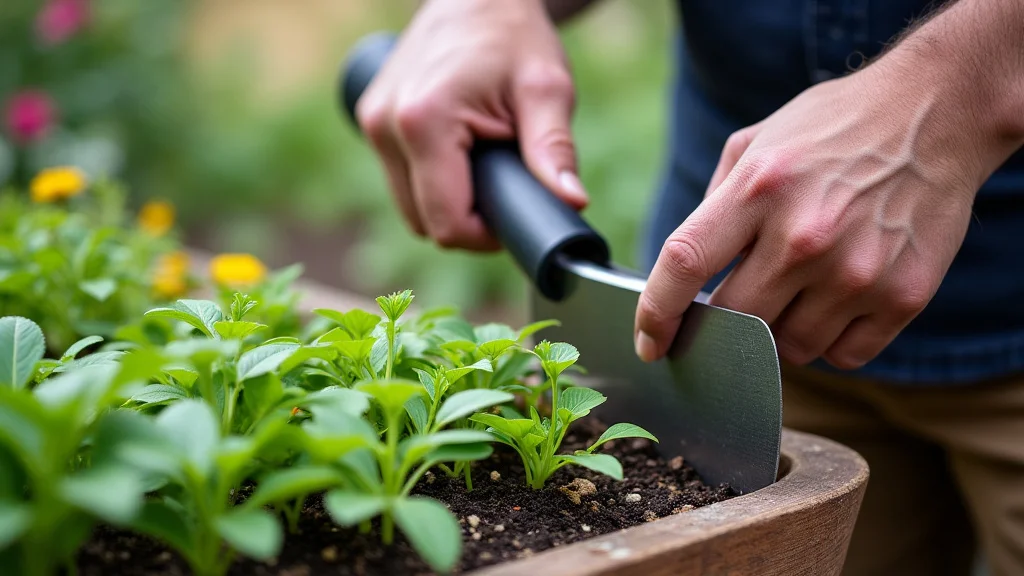
Remember that time your trowel snapped in half just as you were about to plant your prize-winning tomatoes? Frustrating, right? Or perhaps your hand gets sore after hours of weeding? These everyday gardening struggles highlight the need for tools that truly fit your needs. Personalised gardening tools offer a solution, allowing you to create the garden you’ve always wanted with equipment designed just for you. This post explores the benefits of custom tools and helps you discover how to make gardening easier and more enjoyable. You’ll gain valuable insights into choosing the right equipment, the impact of customisation, and how to maintain your tools. You’ll also learn the ways these tools can boost your gardening experience and save you time. Ready to dig in?
Key Takeaways
- Learn the advantages of using personalised gardening tools.
- Understand how to choose the best tools based on your specific gardening needs.
- Discover how customisation can improve your gardening comfort and efficiency.
- Explore various materials and designs used in crafting personalised tools.
- Find out how to maintain and care for your unique gardening equipment.
- Get inspired to create the garden of your dreams with tools that suit you.
Unlocking the Advantages of Custom Gardening Gear
Gardening should be a source of joy, not a cause of aches and pains. Standard, off-the-shelf gardening tools often fail to consider the unique needs of the user. This is where personalised gardening tools make their mark. They provide a superior gardening experience by addressing specific requirements, leading to increased comfort, efficiency, and overall satisfaction. Whether you’re a seasoned gardener with specific preferences or a beginner looking for easier handling, customised tools can transform your garden work into a more enjoyable activity. The shift from generic tools to those that are created for you directly leads to better results and a more gratifying gardening experience.
Improving Comfort and Ergonomics
One of the main benefits of personalised tools lies in their ability to improve comfort. Generic tools can cause strain and fatigue, particularly during prolonged use. Custom tools are created with the user’s physical dimensions and preferences in mind. Handles can be shaped to fit the hand perfectly, reducing the risk of blisters and wrist pain. The weight and balance of the tool can also be adjusted, making it easier to maneuver. Choosing ergonomic tools is crucial for gardeners with physical limitations or those who spend many hours in the garden. This attention to detail ensures a more comfortable and less tiring experience.
- Adjustable Handle Lengths: Many custom tools offer adjustable handle lengths. This feature is particularly helpful for gardeners of different heights, preventing them from bending or straining too much. By choosing the right handle length, gardeners can maintain a comfortable posture, thus avoiding backaches and promoting better overall comfort.
- Ergonomic Handle Design: Ergonomic handles are designed to fit the shape of your hand. They often feature contoured grips and non-slip materials, which greatly reduce strain. This design allows for a more natural grip, decreasing the pressure points that cause blisters or discomfort after prolonged use.
- Customised Grip Materials: You can choose the materials used in the handles of your tools. Options include wood, rubber, or specialized compounds. The right material can greatly impact comfort.
For example, a taller gardener can use a longer handle on their shovel, making digging easier and saving them from having to bend down constantly. Shorter gardeners can opt for shorter handles for easier control and leverage.
A gardener with arthritis can benefit greatly from ergonomic handles. The design can help minimise the stress on their joints, enabling them to garden for longer periods without feeling pain.
Wooden handles are known for their natural feel and good grip, while rubber handles provide a softer, non-slip surface that’s great in wet conditions. Some high-tech grips can even absorb shock, reducing the impact on your hands and wrists.
Enhancing Efficiency and Precision
Besides comfort, personalised gardening tools enhance efficiency and precision. Custom-made tools are often engineered to perform specific tasks more effectively. For instance, a trowel with a wider blade can be useful for transplanting larger plants, while a narrow weeding tool can easily remove weeds from tight spaces. Customisation allows you to optimise your tools for the types of gardening you do most often, increasing your productivity. With the correct tools, gardening becomes more enjoyable and efficient, reducing the time and effort needed to achieve excellent results. These tools can improve precision, speed, and accuracy.
- Blade Design Specialisation: Personalised tools can have blades specifically created for certain tasks. You may need a trowel with a sharp, pointed blade for piercing through dense soil, or a wide blade for moving larger amounts of soil.
- Weight and Balance Adjustments: Custom tools can be weighted and balanced to your specific needs. This means you can find tools that feel right and reduce fatigue, particularly when using larger tools like shovels and hoes.
- Precision Measurements: Some tools can include measuring features, like markings on a trowel to assist with planting depth. This improves accuracy and helps ensure that plants are placed correctly.
A gardener who mainly deals with rock gardens might have a trowel with a reinforced blade and a curved edge for digging between rocks. The design means more efficiency and less chance of the tool breaking.
A gardener who regularly works with heavy soil might prefer a heavier spade for better penetration. Or, someone with less strength may opt for a lighter shovel that is easier to lift.
A seed planter might have a trowel with depth markers, helping them plant seeds at the recommended depth for optimal growth. This small detail can have a big impact on a plant’s health and yield.
Choosing the Right Tools for Your Gardening Style
Every gardener has their own way of doing things. The type of personalised gardening tools you need depends on your gardening style, the plants you grow, and the space you’re working with. Before choosing your tools, think about the tasks you do most often. Do you spend a lot of time digging, weeding, or pruning? Next, think about your garden size and the types of plants you grow. Are you growing herbs, vegetables, flowers, or a mix of everything? Answering these questions will help you select the right tools and features. This allows you to create a toolset that fits your specific needs.
Analysing Your Gardening Requirements
Your gardening needs should drive the tool selection process. Start by writing down all the gardening tasks you typically perform: planting, weeding, pruning, harvesting, watering, and soil preparation. Also, consider the types of plants you are growing. Different plants require different tools. For example, a rose gardener needs pruning shears, whereas a vegetable gardener needs a hoe and a trowel. Also, think about your garden size. A small backyard garden will require different tools compared to a large farm. All these factors play a role in tool selection.
- Task Assessment: Carefully list all the tasks associated with your garden. Think about how often you dig, weed, or trim plants. Do you mainly plant small seedlings, or do you have to move larger shrubs?
- Plant Type Consideration: Consider the specific requirements of the plants in your garden. For example, a rose gardener will need a variety of pruning shears to remove dead or diseased growth and keep the plants healthy. A vegetable gardener will need tools like hoes for soil maintenance and trowels for planting seedlings.
- Garden Space Analysis: Factor in the size of your gardening area. For a smaller garden, you may not need large tools like broad shovels or extensive rakes. For a large garden, you may need tools that can handle big jobs, such as a heavy-duty wheelbarrow or a wide hoe.
A gardener who spends a lot of time weeding might choose ergonomic weeding tools with long handles to make the job easier on their back. The task drives the tool.
Someone growing delicate flowers may choose tools with rounded edges to avoid damaging the plants. Knowing your plants helps choose the best tools.
Someone with a container garden could focus on small hand tools like a trowel, hand fork, and pruning shears. This is a very different tool selection compared to a large-scale vegetable garden.
Matching Tools to Specific Tasks
Once you know your gardening needs, you can begin matching tools to the tasks. Focus on the tools that can significantly enhance your work. Investing in high-quality tools that are designed for their specific function is a key step. Think about ergonomic features, materials, and overall design. Consider how each tool will fit into your routine, whether for planting, weeding, or pruning. A well-selected set of personalised gardening tools will not only make gardening easier but also increase the results you can achieve.
- Digging Tools: When selecting digging tools, consider your soil type. For example, a spade with a pointed blade is suitable for breaking up heavy clay soil, while a shovel with a flat blade is good for moving loose soil or sand.
- Weeding Tools: Consider the type of weeds common in your garden. A long-handled hoe is great for quickly weeding large areas. A hand weeder with a narrow blade is helpful for removing weeds from tight spaces and around plants.
- Pruning Tools: When choosing pruning tools, think about the size and type of plants you are working with. Pruning shears are used for trimming smaller stems and branches. Loppers are ideal for thicker branches, while pruning saws are perfect for removing larger limbs.
A gardener can choose a lightweight shovel if they have a lot of raised beds that require frequent filling and emptying. An ergonomic design will reduce fatigue.
Someone with a rock garden might use a narrow weeding tool to remove weeds between the rocks and an easy-to-use weeding fork for delicate plants.
A rose gardener would need pruning shears with sharp blades and bypass shears for clean cuts. A fruit tree grower would likely need loppers and a pruning saw to maintain the trees’ shape and health.
The Impact of Customisation on Tool Performance
The beauty of personalised gardening tools is in their custom features. This means you can create a tool that is precisely tailored to your preferences, from the size and shape to the materials used. The impact of such customisation on tool performance is significant. A custom tool works better, lasts longer, and provides a much more enjoyable gardening experience. The ability to make your tools unique ensures that they fit your hand, match your physical needs, and match your unique gardening style. This level of customisation transforms an ordinary task into an efficient and rewarding experience.
Design and Material Selection
The design of your personalised gardening tools should consider how you want them to feel and function. Think about the handle size, shape, and material, as these greatly impact comfort. Consider the tool’s weight and balance. The material selection is equally important. High-quality materials like stainless steel blades, hardwood handles, and durable plastics can increase the longevity and effectiveness of your tools. Choosing the correct design and materials will ensure that the tool is right for you and the tasks you need it for.
- Handle Customisation: Handle size, shape, and material all greatly influence the feel of your tool. You may choose a larger handle for a better grip, a contoured shape to fit your hand, or a padded grip for extra comfort. Consider the handle material, like wood, metal, or composite materials.
- Blade Design and Material: The blade’s shape and material are essential for performance. Choose a blade with a shape that suits your needs, such as a pointed blade for digging through tough soil or a curved blade for efficient cutting. Select blades made of high-quality, durable materials such as stainless steel or carbon steel for greater strength and rust resistance.
- Weight and Balance Adjustments: The weight and balance of your tools can be adjusted. Choosing a lighter tool can reduce strain during use. Tools can be balanced to match your style of gardening, thus making them easier to handle.
A gardener with arthritis may prefer a handle with a wider, ergonomic design, combined with a soft, non-slip grip. The proper handle will reduce stress on the joints.
A gardener working with rocky soil may choose a trowel with a sturdy, reinforced blade made of carbon steel. This is essential for digging and planting.
A gardener who plants many flowers may prefer a light, well-balanced trowel that is comfortable and easy to use. The correct weight means more efficiency and less fatigue.
The Customisation Process
The process of creating personalised gardening tools often begins with a consultation. The toolmaker will discuss your needs, assess your preferences, and take measurements to ensure the tools fit you perfectly. Many businesses offer various levels of customisation, from basic options like handle length and grip materials to more advanced features such as blade shape and weight adjustments. You may choose an existing design and modify it or create a tool from scratch. This process guarantees that every tool is built precisely to your requirements, ensuring a gardening experience that’s both efficient and enjoyable.
- Consultation and Assessment: A toolmaker usually starts with a detailed consultation. The toolmaker explores your specific gardening needs, preferences, and any physical limitations. This first step allows the toolmaker to fully understand how you plan to use the tools.
- Measurements and Specifications: The toolmaker will take accurate measurements and gather specifications to ensure a perfect fit. Measurements may include hand size, grip strength, and the angle at which you typically hold your tools. This stage also includes choosing materials and tool features.
- Design and Manufacturing: After consultation and gathering the right specs, the toolmaker starts designing and making your tools. Modern technology, like 3D printing, combined with traditional techniques, are used. Once the tools are created, the maker will check the finished product for performance, ensuring the tools meet the user’s needs.
A new gardener may discuss their specific needs and garden size to help the toolmaker create the ideal tool set. This guarantees the tools are suitable for the user.
The toolmaker measures the gardener’s hand size and strength. These measurements help in determining the ideal handle size, shape, and grip material.
After the customisation, the maker checks the finished tools. These tools are tested to make sure they function well and meet the gardener’s needs. These tools will offer the gardener many years of gardening enjoyment.
Maintaining and Caring for Your Custom Tools
To preserve your personalised gardening tools and ensure they perform at their best, you must care for them properly. Regular maintenance and storage practices are essential for extending their lifespan and maintaining their effectiveness. Properly caring for your tools ensures that they remain in good condition and are always ready for use. By following these simple steps, you can keep your tools in excellent condition for years.
Cleaning and Storage Techniques
After each use, clean your tools to remove dirt and debris. This helps prevent rust and corrosion. Rinse tools with water and dry them thoroughly before storage. Apply a light coating of oil to metal surfaces to protect them from moisture and oxidation. Store your tools in a dry place. A shed or garage is ideal. When storing, consider hanging your tools or using tool racks to prevent damage and keep them organised. This will increase their lifespan and make them easier to locate when you need them.
- Post-Use Cleaning: Rinse your tools thoroughly with water after each use. Use a brush to remove any stuck-on soil or plant matter. This simple step helps prevent rust and corrosion.
- Drying and Oiling: After cleaning, completely dry your tools. Then, apply a thin layer of oil to the metal surfaces. This creates a barrier against moisture and helps to prevent rust.
- Storage Conditions: Store your tools in a dry place, such as a shed or a garage. If you have to store your tools outside, make sure you cover them to protect them from the elements. A well-organized storage system will also help keep the tools in good condition.
After digging in clay soil, remove all traces of soil. If the soil is not removed, it may dry and make the tools hard to clean.
Apply a coating of lubricating oil to the moving parts of pruning shears and loppers to maintain proper function. This protects the tools.
Hang your tools on a wall-mounted rack or store them in a tool bag. This keeps them off the ground and prevents them from getting damaged.
Sharpening and Repair Strategies
Sharpen your cutting tools, like shears and pruning saws, regularly. Dull blades require more effort and can damage plants. For sharpening, use a sharpening stone or file. Always follow the manufacturer’s instructions. Periodically inspect your tools for any damage, such as loose handles or broken parts. Repair or replace any damaged parts. If you are not comfortable making repairs, seek professional help. Regular sharpening and timely repairs will ensure that your personalised gardening tools are always ready for use.
- Blade Sharpening: Sharpen cutting tools regularly to maintain their effectiveness. Use a sharpening stone or file, and follow the manufacturer’s instructions. Proper sharpening ensures clean cuts, which is important for plant health.
- Handle and Component Inspection: Inspect the handles and other parts of your tools regularly. Tighten any loose screws, and replace any cracked or damaged handles. Regular inspections can identify problems before they become serious.
- Professional Servicing: Some complex repairs or sharpening tasks are best left to professionals. A professional tool sharpener can sharpen pruning saws and loppers, which ensures optimal performance and safety.
Sharpen pruning shears before the beginning of each pruning season. This will enable smooth, clean cuts that don’t harm your plants.
Check the handles of your shovels and hoes each season for any signs of wear or looseness. Replacing the handles promptly prevents injury.
Professional servicing is perfect for tools with more complex mechanisms, like power pruners. This helps maintain them properly.
Frequently Asked Questions
Question: What are the main benefits of using custom gardening tools?
Answer: Custom tools improve comfort, increase efficiency, and enhance precision. They reduce strain, help with specific tasks, and make gardening more enjoyable.
Question: How do I select the right tools for my garden?
Answer: First, you must consider the tasks you will be doing, the plants you have, and the size of your space. Matching your tools to your gardening style will give you the best results.
Question: What materials are often used in crafting personalised tools?
Answer: Custom tools often use high-quality materials such as stainless steel blades, hardwood handles, and durable plastics, ensuring they last long and perform well.
Question: What are the key maintenance steps for my custom gardening tools?
Answer: Cleaning the tools after each use, drying them, oiling the metal parts, and storing them in a dry place are all essential maintenance steps.
Question: How do I know if I need a professional to sharpen or repair my tools?
Answer: If you have tools with complicated mechanisms, such as power pruners, you should seek professional servicing to ensure proper sharpening and repairs.
Final Thoughts
Investing in personalised gardening tools is an investment in your gardening success and well-being. These tools provide a clear shift from general-purpose tools to items perfectly tailored to your needs. This results in greater comfort, increased efficiency, and a more enjoyable gardening experience. By selecting the right tools, considering customisation options, and making sure to properly maintain your tools, you’re setting yourself up for success. You can improve your gardening and create a more rewarding experience. It is easier to get better results, reduce fatigue, and celebrate the simple joy of growing plants with equipment designed for you. Get ready to explore the exciting world of custom gardening and begin crafting the garden of your dreams. Happy gardening!