
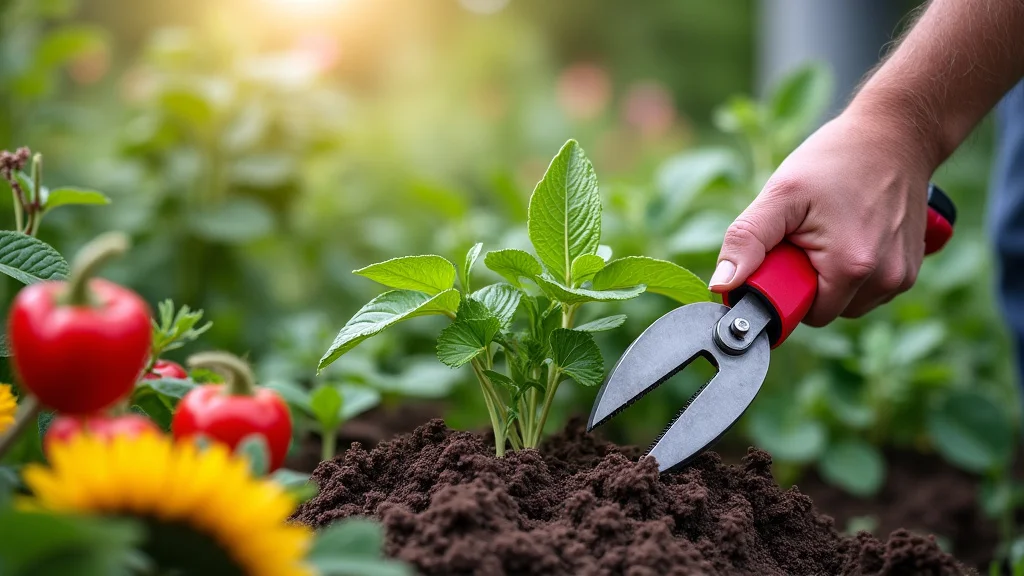
Remember that time you tried to plant a rose bush with a rusty trowel and a broken shovel? Yeah, we’ve all been there! Starting a garden can feel like a big investment, especially when you start looking at gardening tools prices. But it doesn’t have to break the bank! This guide will help you understand the different price points, explore what tools are essential, and discover ways to get quality equipment without emptying your wallet. You’ll learn how to prioritize your purchases, compare options, and find the best deals, allowing you to cultivate your dream garden without financial stress. You’ll be prepared to make informed choices. This improves your time on page and reduces bounce rate.
Key Takeaways
- Understand the factors that influence gardening tools prices.
- Identify the essential tools for a beginner gardener.
- Learn how to compare prices and find the best deals.
- Discover the benefits of buying used or refurbished tools.
- Gain tips on how to care for your tools to extend their lifespan.
- Explore the costs of popular gardening tools.
Understanding the Price of Gardening Tools
The cost of gardening tools prices varies widely. Several factors influence the cost. Knowing these elements will help you make smarter purchasing decisions. Choosing the right tool for the job. Consider where you’re buying it: online, a big box store, or a local garden shop. Also, the quality of materials matters. The cost of raw materials like steel, wood, and plastic determines the initial price. The brand’s reputation and manufacturing location play a role, too. Generally, tools made in regions with higher labor costs and those of a well-regarded brand are priced higher. Finally, consider whether you need basic or specialized tools. Each of these components affects the final price you see.
Material Matters: What Tools Are Made Of
The materials used in garden tool construction directly affect their durability, performance, and, crucially, their price. Different materials offer different benefits, influencing what a tool can handle. The most common material for tool heads is steel. Steel provides strength and longevity, but the grade determines the overall toughness. High-carbon steel is tough and holds a sharp edge longer, resulting in tools with a higher price tag. Stainless steel resists rust, which is ideal for tools that will be exposed to moisture, but tends to be more expensive. Wood, particularly hardwoods like ash or hickory, is the usual material for handles because it absorbs shock and is relatively strong. However, wood can rot or splinter. Alternatively, synthetic materials like fiberglass or plastic are also used for handles, providing a more lightweight and weather-resistant option. These materials generally cost less than high-quality wood. The selection of materials is one of the main components of gardening tools prices.
- Steel: Steel is strong and can withstand a lot of wear and tear, but prices depend on the steel grade.
- Wood: Hardwood like ash is strong and great for absorbing shock. However, it requires maintenance and has a higher price.
- Fiberglass: Fiberglass is a solid and lightweight option, not as expensive as some other materials.
- Plastic: Plastic tools are often the least expensive, but might not last as long.
The Brand Effect: Does Name Influence Cost?
The brand is a significant influence on gardening tools prices. Established brands often charge more for their products because they’ve built a reputation for quality and performance. They usually have quality control processes to ensure that their tools last longer. Established brands also invest in marketing and customer service, which can increase the price. Consider the warranty and customer support. Premium brands often provide warranties and dedicated customer support, adding value. Also, brand loyalty and perceived value matters. People often stick with the brands they trust. That loyalty contributes to a willingness to pay more. Also, consider the country of origin. Tools manufactured in countries with higher labor costs or advanced manufacturing technologies typically have higher prices. Finally, research and compare. Just because a brand is well-known doesn’t always mean it’s the best value. Compare features, materials, and reviews before making a purchase.
- Reputation: Established brands often charge more.
- Quality: Known brands frequently have better quality controls.
- Marketing: Companies spend money to make you aware of their products.
- Warranties: Well-known brands often offer warranties and better support.
Tool Types: Essential versus Specialized
The type of tool directly influences its price. Basic tools are essential for all gardeners and usually come with a lower price tag. Specialized tools are built for specific tasks and are often more expensive. Consider hand tools. Trowels, hand rakes, and hand forks are all inexpensive and vital for basic gardening tasks like planting and weeding. Then there are larger tools such as shovels, spades, and garden forks. These are bigger and sturdier, reflected in their price. Specialized tools increase the gardening tools prices. These include things like soil testers, aerators, or pruning saws, which can cost more. Power tools like tillers or lawn mowers represent a significant investment. Consider the features. A basic shovel will cost less than one with a reinforced blade or an ergonomic handle. The more complex the tool and the more tasks it is designed to do, the more it will generally cost. The price also is influenced by the materials used.
- Hand Tools: Basic trowels and hand rakes are essential and inexpensive.
- Larger Tools: Shovels and garden forks are sturdy, and the prices reflect their size and strength.
- Specialized Tools: Soil testers and pruning saws can be more expensive.
- Power Tools: Tillers and lawn mowers represent a larger investment.
Essential Gardening Tools and Their Costs
Understanding the essential tools and their approximate gardening tools prices is the first step in creating your garden. Whether you are a beginner or a seasoned gardener, the right tools make a big difference. This section will walk you through the basic tools and give you an idea of their costs, which will assist you in planning your initial purchases.
Hand Tools for the Beginner Gardener
Hand tools are vital for starting a garden, offering the control and precision needed for smaller spaces and detailed work. Hand tools are typically the most budget-friendly option. A trowel is essential for planting seedlings and small plants, and prices can range from a few dollars to $15 or more. A hand fork is perfect for loosening soil and removing weeds. Expect to pay between $5 and $20 for a quality one. A hand rake is a must-have for leveling soil, removing debris, and preparing seedbeds. Prices for hand rakes usually fall between $7 and $25. Pruning shears are crucial for trimming plants, and you can find a good pair for $10 to $30. Also, a hand weeder is perfect for removing individual weeds from tight spaces. You can usually find one for $5 to $15. Consider the materials and the brand. Cheaper tools may be less durable. Spending a bit more on well-made hand tools is a worthy investment. The initial investment in hand tools is generally moderate, allowing you to get started without a huge outlay. These are some of the most basic elements for understanding gardening tools prices.
- Trowel: Use it for planting and digging. Price range: $3 to $15.
- Hand Fork: Good for loosening soil and weeding. Price range: $5 to $20.
- Hand Rake: For leveling soil and removing debris. Price range: $7 to $25.
- Pruning Shears: Cut and trim plants. Price range: $10 to $30.
Larger Tools for Garden Tasks
Larger tools enable you to tackle bigger garden tasks, making them useful for larger gardens or intensive gardening projects. Shovels are essential for digging, moving soil, and planting larger plants. The price of shovels typically falls between $20 and $50, depending on the material and features. A spade is perfect for edging, dividing perennials, and digging clean holes. Spades usually cost between $25 and $60. Garden forks are useful for turning compost, aerating soil, and loosening compacted earth. The gardening tools prices on garden forks range from $30 to $70. Consider the handle length and the blade design when picking a tool. Longer handles are great for people who have back pain. For tough tasks, a heavy-duty tool is the better option. However, for a small area, you can get away with lighter, smaller tools. These tools are a bit more expensive than hand tools, but they’re also more robust and durable.
- Shovel: Great for digging and moving soil. Price range: $20 to $50.
- Spade: For edging and digging neat holes. Price range: $25 to $60.
- Garden Fork: Turning compost and aerating soil. Price range: $30 to $70.
- Wheelbarrow: Good for moving large amounts of material. Price range: $75 to $200.
Watering Tools and Accessories
Watering is a key part of gardening, and having the right tools makes the task efficient and water-wise. A watering can is a good choice for smaller gardens or potted plants. Watering cans can be purchased for prices from $10 to $30. Hoses are essential for larger areas. Expect to pay between $20 and $75, depending on length and material. A hose nozzle or sprayer gives you control over the water flow. Price range is typically between $10 and $35. Sprinklers are useful for watering larger areas. Depending on the type and features, the price can range from $15 to $50 or more. Consider hose material, nozzle types, and sprinkler settings. This will influence the gardening tools prices. When buying watering tools, consider water conservation. Choosing the right tools lets you water your garden effectively without wasting water.
- Watering Can: Good for small spaces and delicate plants. Price range: $10 to $30.
- Garden Hose: Essential for larger gardens. Price range: $20 to $75.
- Hose Nozzle: Gives you control over water flow. Price range: $10 to $35.
- Sprinkler: Useful for watering large areas. Price range: $15 to $50.
Finding the Best Deals on Gardening Tools
Getting great deals on gardening tools prices takes a bit of strategy. Several methods can save you money. Researching is key. Comparing prices from different retailers will show you the range of prices and let you find the best value for your money. Think about sales and clearance events. Many stores offer seasonal sales or clearance events. Buying tools at the end of the season can lead to significant savings. Also, consider discounts and coupons. Many retailers offer discounts or accept coupons to lower prices. If buying online, research websites that offer coupons or price matching. Then there’s the question of buying used tools. Buying used tools in good condition is a great way to save money. Also, make sure to consider the long-term value. While a cheaper tool may be tempting initially, a better-quality tool may last longer, saving you money in the long run.
Comparing Prices from Different Retailers
Comparing prices between different retailers is an essential step in securing the best deals on gardening tools prices. Online retailers often offer competitive pricing because they have less overhead. Check online marketplaces like Amazon, eBay, and specialized gardening sites. Big box stores such as Home Depot, Lowe’s, and Walmart typically offer a range of tools at competitive prices. Local garden centers often have a curated selection and knowledgeable staff, although prices might be slightly higher. The key is to compare prices of similar tools. Pay attention to the features, material, and brand. Compare the shipping costs. Shipping costs can add to the final price, so include them when comparing options. Many retailers offer price-matching. If you find a lower price elsewhere, ask if they will match it. Reading reviews is also important. This will show the experiences of other buyers. Make sure to compare prices before making a purchase. This will help you get the best value and stay within your budget.
| Retailer | Pros | Cons |
|---|---|---|
| Online Retailers (Amazon, eBay) | Wide selection, competitive pricing, easy comparison | Can’t see the tool in person, shipping costs may apply |
| Big Box Stores (Home Depot, Lowe’s) | Good selection, price matching, easy returns | Can be crowded, sometimes less specialized knowledge |
| Local Garden Centers | Expert advice, quality tools, often a more personal experience | Higher prices, limited selection, can be more expensive |
Seasonal Sales and Clearance Events
Seasonal sales and clearance events are good ways to find significant savings on gardening tools prices. Look for sales at the end of the growing season. Many retailers clear out their stock to make room for new inventory. Winter is a great time to buy because garden tools are often discounted. Watch for holiday sales like Memorial Day, Labor Day, and Black Friday. These sales often include special offers on garden tools. Keep an eye out for clearance sections in both online and physical stores. These sections are a great place to discover deeply discounted items. Also, consider the specific tool. Tools that are not seasonal, like shovels or watering cans, are often discounted throughout the year. Watch out for promotions such as bundles. Bundled offers often provide a cost saving. Follow your favorite retailers on social media. They’ll share sales and promotions. Plan ahead. If you can wait until the off-season to buy, you can save money.
Buying Used or Refurbished Tools
Buying used or refurbished tools is a smart way to get quality equipment without paying full gardening tools prices. Check local online marketplaces like Craigslist, Facebook Marketplace, and OfferUp for used tools. Garage sales and estate sales often have affordable garden tools. Look for signs of wear and tear. Inspect the tool for damage and ensure it’s in good working condition. Consider the reputation of the seller. Look for sellers with positive reviews and a good track record. Some retailers offer refurbished tools. Refurbished tools have been inspected and repaired. These tools are often priced lower than new ones. When buying used, ask about the tool’s history. Find out how the tool was used and its maintenance history. Always test the tool. Test it to make sure it functions as expected. Also, be ready to negotiate the price. Prices on used tools are often negotiable. Buying used or refurbished tools is both cost-effective and environmentally friendly, giving you access to high-quality tools.
Extending the Life of Your Gardening Tools
Caring for your gardening tools increases their life and gives you a good return on your investment. Regular maintenance keeps your tools in good shape. Clean your tools after each use. Remove dirt, sap, and plant debris. This prevents rust and corrosion. Sharpen cutting tools regularly. Sharp tools are safer and more efficient. Sharpen pruners, shears, and other cutting tools. Proper storage is also important. Store tools in a dry place. This prevents rust and corrosion. Hanging tools up or storing them in a shed keeps them organized and protected. Also, apply oil to metal parts. This protects them from rust. Use a light oil or a penetrating oil. Repair tools when needed. Fix broken handles or replace worn parts. Repairing tools extends their life and keeps them useful. Taking care of your tools is an investment. It improves performance and reduces the need for expensive replacements.
Cleaning and Maintaining Your Tools
Regular cleaning and maintenance is crucial for keeping your gardening tools in top condition, increasing their longevity, and ensuring efficient performance. After each use, wipe down your tools. This removes any soil, sap, and plant debris that might accumulate. A wire brush can remove tough dirt and rust. Wash tools with soap and water if needed, ensuring they are thoroughly dried to prevent rust. Sharpen cutting edges, which improves their cutting ability. Use a file or sharpening stone for pruning shears, hoes, and shovels. Apply a protective coating to the metal parts. Oil helps prevent rust and corrosion. You can use a light oil or a dedicated tool protectant. Wooden handles need care, too. Sand and oil wooden handles to protect them from the elements and prevent splitting. Inspect tools regularly. Check for loose parts, cracks, or other signs of damage. Address any issues promptly. Proper care of your tools prevents wear and extends the life of your equipment. It also ensures the tools are safe and effective for each gardening task.
Proper Storage for Gardening Tools
Proper storage is essential to extending the life of your gardening tools and keeping them ready for use. Store tools in a dry place. Exposure to moisture is a major cause of rust and corrosion. Consider a shed, garage, or storage container. Organize your tools. Group similar tools together. This makes it easier to find what you need. Hang tools up. Using a pegboard, hooks, or a tool rack keeps tools organized. This prevents them from being damaged or lost. Ensure ventilation. Good airflow helps prevent rust and mold. Avoid leaving tools on the ground. This prevents them from becoming damaged and rusting. Regularly inspect your storage area. Check for any signs of water damage or pests. If you have a larger garden, create a tool shed. A dedicated storage space protects your tools from the elements. Consider the climate. Adjust storage methods based on your climate. Take care of your tools. This ensures they are safe and efficient for your gardening needs.
Simple Repairs and Preventative Measures
Simple repairs and preventative measures can extend the life of your gardening tools and save you from the cost of replacements. Small repairs can prevent bigger problems later. Tighten loose screws and bolts. These are common sources of failure. Replace broken handles. Handles can crack or break over time. Replacing them can extend the life of your tool. Sharpen cutting edges. This improves cutting performance. Regularly sharpen pruners, shears, and other cutting tools. Maintain wooden handles. Sand and oil wooden handles to prevent splitting and splintering. Prevent rust and corrosion. Applying oil to metal parts prevents rust. Clean and dry your tools after each use. Store your tools properly. This prevents damage and rust. By addressing small issues quickly, you can prevent bigger problems. Regular maintenance and preventative measures save money. They keep your tools in good condition for many years to come.
Frequently Asked Questions
Question: What are the most essential gardening tools for beginners?
Answer: For beginners, a trowel, hand fork, hand rake, pruning shears, and a watering can are the most essential tools. These tools are versatile and handle most basic gardening tasks.
Question: How can I save money on gardening tools prices?
Answer: You can save money by comparing prices from different retailers, looking for sales and clearance events, buying used or refurbished tools, and considering the quality and materials.
Question: What’s the best way to clean my gardening tools?
Answer: Clean your tools by wiping them down after each use, removing dirt and debris. Wash them with soap and water if necessary, and always dry them thoroughly to prevent rust.
Question: How often should I sharpen my pruning shears?
Answer: Sharpen your pruning shears frequently. They should be sharpened as soon as you notice that they are not cutting as cleanly as they should.
Question: What’s the best way to store my gardening tools?
Answer: Store your tools in a dry place, such as a shed or garage. Hang them up or store them in an organized manner to protect them from the elements and prevent rust.
Final Thoughts
Understanding gardening tools prices is the start of building a well-equipped garden. We’ve explored the factors influencing these prices, what tools are essential, and how to find the best deals. From comparing retailers and utilizing sales to considering used tools and properly caring for your equipment, there are many ways to make gardening affordable. By selecting tools made of durable materials, you will extend their longevity. By storing them properly, you can safeguard your investment for years of use. Remember, a beautiful garden doesn’t require an enormous budget. With a bit of planning, you can get the tools you need without overspending. Start small, build gradually, and enjoy the process of watching your garden grow. Happy gardening!