
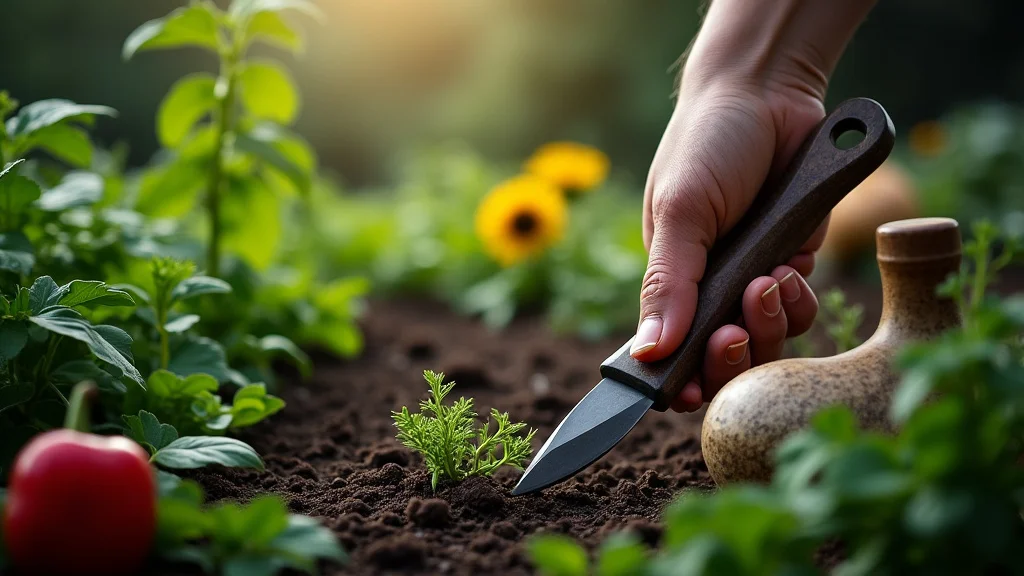
Remember that time your neighbor showed off their amazing rose garden, and you just had a few wilted petunias? We’ve all been there! Achieving gardening success is about more than just luck. It’s about having the right gardening tools Pakistan. This guide will help you understand the essential tools you need, from basic hand tools to power equipment, ensuring your garden flourishes. You’ll also learn where to find quality tools and tips on how to care for them. Get ready to transform your outdoor space into a vibrant haven by exploring the best gardening tools Pakistan has to offer.
Key Takeaways
- Learn about the essential hand tools for basic gardening tasks.
- Discover the benefits of power tools and which ones are most helpful.
- Find out where to buy high-quality gardening tools in Pakistan.
- Understand the importance of tool maintenance for longevity.
- Explore different types of soil and the tools required to work with them.
- Get tips on selecting the right tools for your specific gardening needs.
Essential Hand Gardening Tools for Pakistan Gardens
Every gardener, whether a seasoned pro or a beginner, needs a solid set of hand tools. These are the workhorses of your garden, enabling you to plant, prune, and maintain your plants with precision. Choosing the right hand tools can greatly impact your gardening experience, making the tasks easier and more enjoyable. These tools are the foundation upon which your gardening success will be built.
The Humble Trowel and Hand Fork
The trowel and hand fork are probably the most used tools in any garden. A trowel is a small, hand-held shovel used for digging small holes, transplanting seedlings, and scooping up soil. A hand fork is a small fork with sturdy tines, ideal for loosening soil, weeding around plants, and mixing in compost or fertilizer. They are perfect for smaller beds, containers, and tight spaces.
- Trowel Uses: The primary use of a trowel is for planting. It is also extremely useful for removing weeds close to your prized plants, ensuring you can dig around them to get to the roots without damaging them.
- Hand Fork Uses: The hand fork helps in loosening compacted soil, allowing for better air circulation and water penetration.
- Material Matters: Look for trowels and hand forks made from stainless steel or carbon steel for durability. These materials are rust-resistant and can withstand the rigors of frequent use.
The trowel is also essential for moving small amounts of soil, whether you’re adding compost, filling up a small container, or amending the soil in your flower beds. This tool helps in several tasks where precision is key.
It’s used for preparing the soil for planting, removing weeds, and mixing in amendments like compost or fertilizer. It is also excellent for breaking up clods of earth in containers or small garden beds.
The handle material should be comfortable to hold and provide a good grip, often made from wood or plastic.
The Pruning Shears and Secateurs
Keeping your plants healthy and looking their best involves regular pruning, and pruning shears, also called secateurs, are the essential tools for this task. They come in various styles but are mainly used for trimming stems and branches. Proper pruning promotes plant growth, removes dead or diseased branches, and shapes plants for aesthetics.
- Bypass vs. Anvil Secateurs: Bypass secateurs have blades that pass each other, like scissors, making clean cuts ideal for live, green stems. Anvil secateurs have a single blade that comes down on a flat surface (the anvil) which is better for deadwood.
- Pruning Technique: Always prune at a slight angle, just above a bud or leaf node. This encourages new growth and prevents water from pooling on the cut surface.
- Choosing the Right Size: Secateurs come in various sizes. Select a size that fits comfortably in your hand, allowing for easy handling and control.
Choose the type that best suits your needs, considering the types of plants you’re pruning.
The right pruning technique can avoid diseases from setting in.
Too large, and they become hard to control; too small, and they can be uncomfortable to use for extended periods.
Hand Rake and Garden Hoe
The hand rake and garden hoe perform different but equally vital functions in the garden. The hand rake is used to level soil, remove debris, and spread mulch, creating a smooth, tidy surface. The garden hoe, on the other hand, is a versatile tool used for weeding, cultivating soil, and creating furrows for planting. Both these tools are key to maintaining a well-organized and healthy garden.
- Hand Rake Functions: Use the hand rake for tasks like preparing seedbeds by breaking up clumps and leveling the surface. It is also helpful in removing fallen leaves and other garden debris, keeping your garden clear.
- Garden Hoe Functions: The garden hoe is useful for many tasks, but its primary function is weeding. Its sharp blade makes it easy to slice through weeds at the soil surface.
- Material Considerations: Choose hand rakes with sturdy tines, preferably made from metal, for durability. The handle should be long enough to allow you to work comfortably without bending over excessively.
In addition, it can spread mulch evenly, providing an important protective layer over the soil.
It can also be used to cultivate the soil between rows of plants, loosening the soil and improving air circulation, and to create furrows for planting seeds or setting out transplants.
Garden hoes should have a sharp, well-made blade, and a comfortable handle that is suited for leverage. Look for hoes made from steel for longevity.
Power Tools for Pakistani Gardens: Efficiency and Ease
While hand tools are essential, power tools can significantly reduce the amount of effort and time needed for many gardening tasks. From lawn maintenance to soil preparation, these tools can make gardening more efficient, especially for those with larger gardens or physical limitations. Choosing the right power tools depends on your specific gardening needs and the size of your garden.
Lawn Mowers for a Pristine Lawn
A well-maintained lawn is a source of pride for any homeowner. Lawn mowers are the backbone of lawn care, allowing you to keep your grass neatly trimmed and healthy. Different types of lawn mowers are available, each offering varying levels of power, features, and suitability for different lawn sizes and conditions.
- Types of Lawn Mowers: The most common types include rotary mowers, which use a rotating blade to cut the grass; cylinder mowers, which give a very precise cut and are ideal for lawns that require a striped appearance; and robotic mowers, which are becoming increasingly popular for their convenience.
- Power Sources: Lawn mowers can be powered by electricity (corded or cordless), gasoline, or even batteries. Electric mowers are more environmentally friendly and easier to maintain, whereas gas-powered mowers offer more power and are suitable for larger lawns.
- Maintenance: Regular maintenance is essential to keep your lawn mower in good working order. Sharpen the blade regularly, change the oil as needed (for gas mowers), and clean the mower deck after each use.
Electric mowers are good for smaller lawns. Gas-powered mowers are ideal for large gardens.
Cordless mowers offer flexibility and freedom of movement.
This will ensure your mower continues to perform efficiently and effectively.
Tillers and Cultivators for Soil Preparation
Preparing the soil is a fundamental step in gardening, and tillers and cultivators are invaluable tools for this task. They help loosen the soil, incorporate organic matter, and create an ideal environment for plant growth. Tillers are typically used for breaking up compacted soil, while cultivators are lighter-duty tools used for maintaining soil structure and weeding.
- Tiller vs. Cultivator: Tillers are powerful machines used for breaking up and turning over the soil, especially in new garden beds or areas with compacted soil.
- Types of Tillers: Rear-tine tillers are ideal for larger gardens and more challenging soil conditions. Front-tine tillers are more manageable and suitable for smaller gardens.
- Using a Tiller: When using a tiller, start by removing any large rocks or debris from the area. Make several passes over the area, overlapping each pass to ensure thorough tilling.
Cultivators are smaller and lighter, and are designed for tilling the top layer of soil and weed control.
Electric tillers are now available and more convenient for small to medium gardens.
Always wear safety glasses and sturdy shoes when operating a tiller.
Hedge Trimmers for Shaping and Pruning
Hedge trimmers are essential for maintaining hedges, shrubs, and bushes, keeping them neat and well-shaped. They come in both manual and power versions, with power trimmers being particularly helpful for larger hedges or when you have many plants to trim. Choose the type of trimmer based on the size and scope of your trimming needs.
- Types of Hedge Trimmers: Electric hedge trimmers are suitable for smaller hedges and are generally quieter and easier to start. Gas-powered hedge trimmers offer more power and are ideal for larger jobs.
- Safety First: Always wear safety glasses or goggles, gloves, and sturdy shoes when using a hedge trimmer. Be aware of the trimmer’s power and potential kickback.
- Pruning Techniques: When trimming hedges, make sure to cut the tops narrower than the bottoms. This allows sunlight to reach all parts of the hedge.
Cordless hedge trimmers provide the flexibility of electric trimmers with the freedom of movement of gas-powered trimmers.
Be careful around electrical cords and keep the trimmer away from wet conditions.
Prune regularly to encourage dense, healthy growth.
Finding and Choosing Gardening Tools in Pakistan
Finding the right gardening tools can sometimes be a challenge, especially when there are many options available. Luckily, Pakistan offers a range of options, from local shops to online retailers, each with its unique advantages. Understanding the types of tools available and the factors to consider when purchasing them will help you make informed decisions.
Where to Buy Gardening Tools in Pakistan
There are many places to buy gardening tools in Pakistan. Your choice will depend on your needs and preferences, and whether you want to shop online or in person. Consider factors like price, quality, and the availability of different tool types. Here are some options:
- Local Nurseries and Garden Centers: These are a great starting point for purchasing tools. They often carry a wide range of hand tools, as well as some power tools.
- Hardware Stores: Many hardware stores stock gardening tools, often at competitive prices. They can be a good choice for buying basic tools.
- Online Retailers: E-commerce platforms such as Daraz and local online shops provide easy access to a broad selection of tools. This lets you compare prices and read reviews easily.
- Specialty Gardening Stores: Some stores specialize in gardening tools and supplies and often carry a wider range of specialized tools and accessories.
These nurseries also offer the advantage of expert advice and recommendations.
Hardware stores can also be more convenient for finding the tools you need.
You can also compare prices from the comfort of your home.
These stores can offer a more in-depth knowledge of gardening.
Factors to Consider When Choosing Tools
Several factors should guide your purchasing decisions when buying gardening tools. The quality, durability, and type of materials used are all essential factors that affect a tool’s lifespan and performance. Considering your specific gardening needs and budget will also help you choose the right tools for your space.
- Quality and Durability: Invest in high-quality tools made from durable materials like stainless steel or carbon steel. These tools will last longer and provide better performance.
- Ergonomics and Comfort: Choose tools with comfortable handles that fit your hand and reduce strain. Consider the weight and balance of the tool, especially if you have a lot of work to do.
- Your Gardening Needs: What kind of gardening do you plan to do? The needs of a vegetable garden differ from those of a flower bed. Assess your tasks before purchasing.
- Budget: Determine your budget and stick to it. While it may be tempting to buy the most expensive tools, you can often find good quality tools at a range of price points.
Sturdier materials mean they’re less likely to rust or break down with frequent use.
Tools designed to reduce fatigue make gardening more enjoyable.
Select tools that are suitable for your specific needs, such as a trowel for planting seedlings or a lawnmower for lawn care.
Don’t always assume that the most expensive tool is the best tool.
Gardening Tool Maintenance: Making Tools Last
Taking good care of your gardening tools is critical to ensure their longevity and performance. Proper maintenance will help keep them in good working condition, prevent rust and corrosion, and ensure they are always ready to use. Implementing a few simple practices will help you extend the life of your tools.
Cleaning and Storage
After each use, clean your tools to remove dirt, mud, and plant debris. This prevents the buildup of rust and corrosion and helps maintain the tool’s sharpness and efficiency. Proper storage is equally important to protect your tools from the elements and keep them in good condition for the next use. Here are some techniques for cleaning and storing your tools.
- Cleaning Steps: Rinse off your tools with water to remove loose soil and debris. Then, use a brush or sponge and soapy water to scrub off any remaining dirt.
- Preventing Rust: After cleaning, apply a thin coat of oil to metal parts to prevent rust. You can use a rust-inhibiting spray or a simple oil such as linseed oil.
- Storage Location: Store your tools in a dry, covered area, such as a shed, garage, or tool cabinet. This protects them from the elements and keeps them organized.
Rinse them thoroughly and dry them with a clean cloth.
This provides an effective barrier against moisture, especially in humid climates.
Hang hand tools on a wall or store them in a tool rack to keep them off the ground and readily accessible.
Sharpening and Repair
Sharpening tools regularly is essential for optimal performance. Dull blades require more effort and can damage plants. Likewise, minor repairs can prevent small issues from becoming significant problems. With the right techniques and a few basic materials, you can sharpen and repair your gardening tools, maintaining them for many years.
- Sharpening Blades: Sharpen blades regularly using a file, sharpening stone, or a sharpening tool designed for garden tools. Follow the manufacturer’s instructions for the best results.
- Handle Maintenance: Check handles for any cracks or damage. Replace broken handles as soon as possible to prevent further damage to the tool.
- Lubrication: Lubricate moving parts, such as the hinges of pruning shears and loppers, with oil to keep them working smoothly.
Sharpening tools make tasks easier and cut cleanly, reducing damage to plants.
You can often
This reduces friction and helps extend the life of the tool.
Gardening Tools for Different Soil Types in Pakistan
Soil composition varies greatly, and it affects how you prepare and work with your garden beds. Depending on the soil type in your region of Pakistan, you may need different tools to cultivate your garden. Recognizing the characteristics of different soil types will help you select the most effective tools and achieve the best results.
Working with Clay Soil
Clay soil is dense and can be challenging to work with. It retains water well but can also become compacted, reducing air circulation and drainage. The tools you use for clay soil should be strong and robust, helping you break up the soil and improve its structure. Here are some of the best tools to use for clay soil.
- Digging Fork: A digging fork is the perfect tool for loosening clay soil. Its sturdy tines penetrate the soil easily, aerating it and improving drainage.
- Broadfork: A broadfork is a more powerful version of the digging fork, with long tines that penetrate deep into the soil. It is great for opening up compacted clay soil.
- Amendments: Consider adding organic matter such as compost, well-rotted manure, or leaf mold to clay soil. This helps improve drainage and soil structure.
It’s also ideal for turning over the soil, mixing in compost, and breaking up clumps.
This tool helps to improve the overall soil structure.
These soil amendments are key to making clay soil more workable.
Working with Sandy Soil
Sandy soil drains quickly, making it easy to work with, but it doesn’t retain water or nutrients well. The tools for sandy soil should focus on retaining moisture and improving the soil’s ability to hold nutrients. The right tools and practices will help you keep the soil fertile and conducive to plant growth. Here’s a look at tools that work well in sandy soils.
- Garden Hoe: Use a garden hoe to create furrows for planting and to mix in organic matter. Its wide blade makes it easy to work across sandy soil.
- Mulch: Apply mulch around plants to help retain moisture and reduce weed growth. Organic mulches such as wood chips or straw are a great addition.
- Compost: Mix in compost or other organic matter to improve the soil’s water and nutrient-retention capabilities. This helps sandy soil become more fertile.
The garden hoe helps in weed control and soil maintenance.
Mulch helps sandy soil retain more moisture.
Compost adds nutrients and helps the soil hold water.
Selecting Tools for Specific Gardening Tasks
The type of gardening you undertake will determine the tools you need. Whether you’re growing vegetables, tending a flower bed, or maintaining a lawn, the right tools will make your gardening more enjoyable and effective. Here are some tools based on various gardening tasks.
Tools for Vegetable Gardening
Vegetable gardens require specific tools for planting, weeding, and harvesting. The right equipment can greatly increase your yield and make maintaining your garden easier. This section focuses on the essential tools for a productive vegetable garden.
- Hand Trowel: Plant seedlings with precision and efficiency using a hand trowel. It helps in transplanting seedlings and digging small planting holes.
- Garden Hoe: Keep weeds at bay and maintain the soil by using a garden hoe to cultivate around your vegetables. The hoe helps with weed control, saving time and effort.
- Watering Can or Hose: Provide consistent water to your vegetables, especially during dry spells. A watering can is great for small gardens.
Also, the trowel is crucial for transplanting seedlings.
A garden hoe helps keep the soil clear of weeds.
Consistent watering helps vegetables grow their best.
Tools for Flower Gardening
Flower gardens require tools for planting, pruning, and creating beautiful displays. The right tools will help you to maintain a tidy and vibrant flower garden, so you can enjoy its beauty. Explore these tools and make sure you’ve got them ready.
- Pruning Shears: Maintain the shape and health of your flowers by using pruning shears. Cut off dead and overgrown stems.
- Hand Rake: Use the hand rake to keep your flower beds tidy and remove leaves and other debris. A hand rake helps to clear the soil.
- Hand Fork: Use a hand fork for mixing fertilizer and breaking up the soil in smaller flower beds. It’s a key tool for aeration and soil amendments.
Pruning shears also encourage better blooms and growth.
Hand rakes are also helpful to level soil.
Loosening the soil is essential for the plants to thrive.
Tools for Lawn Care
A healthy lawn requires a collection of tools designed for mowing, fertilizing, and general maintenance. Choosing the right tools will help you maintain a lush, green lawn. A well-maintained lawn not only looks great but also enhances the overall appeal of your home. Explore these tools to take care of your lawn.
- Lawn Mower: Use a lawn mower to keep your grass at the desired height. Different types of mowers are available.
- Lawn Spreader: Fertilize your lawn evenly with a lawn spreader. You can apply fertilizers.
- Rake: Clear away leaves, thatch, and other debris with a rake to promote good airflow and healthy grass growth. Remove thatch and debris regularly.
Mowing regularly prevents your lawn from getting overgrown.
Lawn spreaders make the fertilization of lawns efficient.
Rakes help to clear away debris.
Frequently Asked Questions
Question: What are the essential hand tools for a beginner gardener in Pakistan?
Answer: For beginners, a trowel, hand fork, pruning shears, hand rake, and a garden hoe are essential for basic gardening tasks like planting, weeding, and soil preparation.
Question: Where can I buy high-quality gardening tools in Pakistan?
Answer: High-quality tools can be purchased from local nurseries, hardware stores, specialty gardening stores, and online retailers like Daraz.
Question: How do I maintain my gardening tools to ensure they last longer?
Answer: Clean your tools after each use to remove dirt and debris, dry them thoroughly, and apply a thin coat of oil to prevent rust. Store them in a dry place.
Question: What are the differences between a tiller and a cultivator?
Answer: A tiller is a powerful machine used to break up and turn over the soil, while a cultivator is lighter-duty and is used to maintain soil structure and weed control.
Question: Which gardening tools are best for clay soil in Pakistan?
Answer: For clay soil, a digging fork and broadfork are useful tools to loosen the soil and improve drainage. Adding organic matter also helps.
Final Thoughts
Having the right tools is key to successful gardening, so this guide has shown you the essential items for gardening tools pakistan. You’ve explored hand tools, power tools, and how to select them based on your gardening needs and soil type. Understanding tool maintenance and where to buy quality items will ensure you’re equipped to handle any gardening challenge. Whether you’re a beginner or an experienced gardener, having the right equipment will make your gardening experience more enjoyable and effective. Now, it’s time to explore your local nurseries, hardware stores, or online retailers, select the tools that suit your needs, and begin transforming your garden into a beautiful space. Get out there, get your hands dirty, and enjoy the satisfaction of growing your own plants. Happy gardening!