
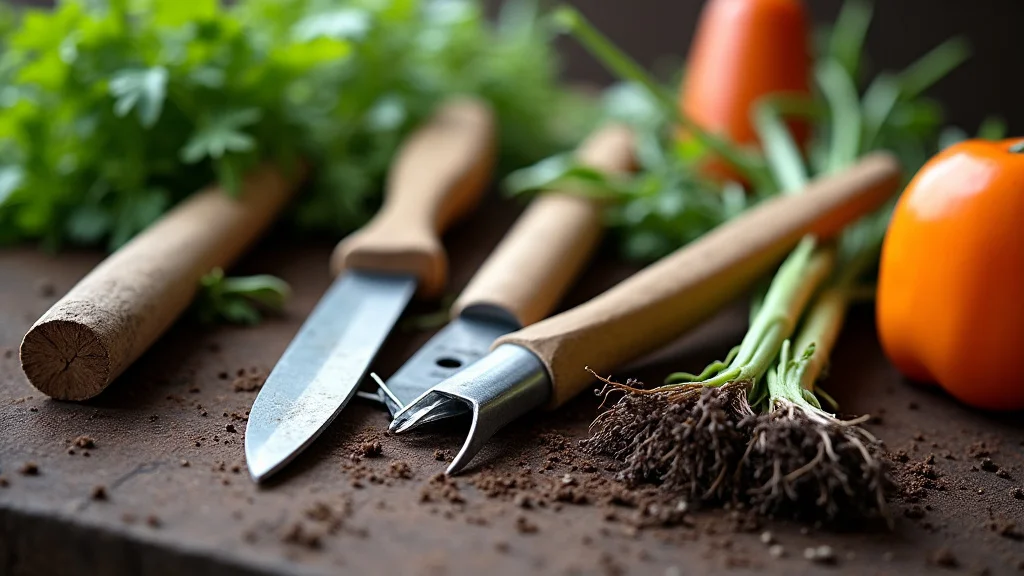
Remember that time your neighbor showed off his prize-winning roses? You admired the blossoms, but secretly, you were picturing the tangle of tools in your own shed. Maybe you’re starting a garden from scratch, or perhaps you’re looking to elevate your green space with the right equipment. This guide explores the vital world of gardening tools PPT presentations, transforming your knowledge and skills. We’ll explore the best practices for using these presentations to learn about different gardening tools, from basic hand tools to specialized equipment. Get ready to turn your gardening dreams into reality, one presentation at a time.
Key Takeaways
- Learn how to choose the right gardening tools for your specific needs.
- Discover how to use a gardening tools PPT to learn about tool types and functions.
- Understand the importance of tool maintenance and storage to prolong tool life.
- Find out about safety precautions when using various gardening tools.
- Explore how to create effective gardening presentations.
Choosing the Right Gardening Tools
The success of your garden hinges on having the right tools. Selecting the appropriate equipment can make all the difference between a frustrating afternoon and a productive, enjoyable gardening experience. Before you start buying, it’s essential to assess your garden’s size, your planting goals, and the types of plants you plan to cultivate. Different tools are designed for specific tasks, from preparing the soil to harvesting your crops. Getting this right from the outset makes everything easier.
Essential Hand Tools for Every Gardener
Hand tools are the foundation of any gardener’s arsenal. They’re perfect for smaller gardens, container gardening, and tasks requiring precision. These are the tools you’ll use most frequently, so investing in good quality, ergonomically designed items is important. A sturdy trowel, for instance, makes planting seedlings and bulbs easier. A well-designed hand fork helps with weeding and soil aeration. Consider the materials, like stainless steel, which resist rust and are easier to clean. Comfort and durability are key when it comes to hand tools.
- Trowel: A small, hand-held scoop, ideal for planting, transplanting, and digging small holes.
- Hand Fork: Used for loosening soil, weeding, and mixing in compost in smaller areas.
- Hand Weeder: Designed to remove weeds, with a forked or hooked end to pull weeds out by the roots.
- Hand Cultivator: Useful for breaking up the soil surface and aerating the soil around plants.
A trowel is a cornerstone of any gardener’s collection. Used for digging small holes for seedlings, bulbs, and transplants, it allows for precise planting. Trowels also are perfect for weeding around delicate plants. The best trowels are made from strong materials like stainless steel, which won’t rust and can handle tough soil. The handle should be comfortable, reducing hand fatigue. Whether planting a single flower or an entire bed, the trowel is essential for detail work in the garden.
A hand fork is a multi-purpose tool that helps with various gardening tasks. It has multiple tines, perfect for loosening compacted soil, removing weeds, and aerating the soil around plants. It’s also useful for mixing compost and fertilizer into the soil, promoting healthy root growth. Look for a hand fork with strong, durable tines. A comfortable handle will improve grip and help prevent strain during extended use. This tool is a must-have for maintaining soil health.
Weeds are a constant challenge for gardeners, and a hand weeder is designed to help control them. This tool usually has a forked or hooked end that allows you to easily grip and pull weeds from the soil, minimizing soil disturbance. Many designs allow you to get under the weed’s root system, ensuring a cleaner removal. Selecting a hand weeder with a comfortable handle is important, as weeding can be time-consuming. Keep the area around your plants clean and healthy with this tool.
A hand cultivator is essential for maintaining the health of your soil and plant roots. It features several tines designed to break up the soil’s surface, improving air circulation and water penetration. Use it to loosen the soil around plants without disturbing their roots too much. A hand cultivator is also useful for mixing in compost or fertilizer. Choose one with durable tines and a comfortable grip. It’s a key tool for keeping your soil aerated and plants thriving.
The Importance of a Good Pruning Shears and Secateurs
Pruning is essential for plant health and appearance. Pruning shears, also known as secateurs, are used to trim branches, shape plants, and remove dead or diseased growth. There are different types, including bypass and anvil pruners, each suited for different tasks. Bypass pruners offer a clean cut, ideal for live plant material. Regular pruning encourages new growth, improves air circulation, and prevents disease. This will improve the overall health and aesthetics of your garden.
- Bypass Pruners: Best for making clean cuts on live, green growth, encouraging healing.
- Anvil Pruners: Suitable for cutting deadwood and thicker stems, but less clean cut than bypass.
- Loppers: Long-handled pruning shears used for reaching high or thick branches.
Bypass pruners have blades that pass by each other, similar to scissors. This creates a clean, precise cut, which is ideal for pruning live plant material, such as stems and branches. The clean cut minimizes the risk of damage to the plant and promotes faster healing. They are also useful for shaping plants and removing dead or diseased growth. Regular sharpening and maintenance will ensure that bypass pruners continue to perform well, making them an essential part of your gardening tools.
Anvil pruners have a single blade that comes down onto a flat surface, similar to a knife cutting on a cutting board. Anvil pruners are better suited for cutting dead or tough stems. They’re typically more effective for heavy pruning tasks. However, the cut may not be as clean as with bypass pruners. They are often more affordable and require less effort to use on tougher materials. For deadwood or woody plants, anvil pruners are very useful.
Loppers are long-handled pruning tools for reaching high branches or thick stems that are difficult to access. Their longer handles provide extra leverage, which makes it easier to cut through tougher wood with less effort. They come in both bypass and anvil styles, with the bypass design offering cleaner cuts. Loppers are ideal for pruning fruit trees, shrubs, and other plants that need regular maintenance. They are essential for keeping plants in shape and ensuring good air circulation.
Essential Digging and Soil Preparation Tools
Preparing the soil correctly is the groundwork for a successful garden. Digging and soil preparation tools include shovels, spades, forks, and hoes. A good shovel is necessary for turning over soil, creating planting beds, and moving large amounts of material. Spades are used for edging, dividing perennials, and transplanting plants. Soil preparation tools improve drainage, aeration, and fertility, which are essential for healthy plant growth. A well-prepared soil bed improves plant establishment and success.
- Shovel: Used for digging, moving soil, and planting larger plants.
- Spade: Used for edging, dividing perennials, and transplanting.
- Garden Fork: Used for turning over soil, mixing in compost, and aerating the soil.
- Hoe: Used for weeding, cultivating soil, and creating rows.
A shovel is a versatile tool used in almost every gardening task. It is perfect for digging holes for planting, moving soil from one area to another, and mixing compost into the soil. Choose a shovel with a sturdy handle and a durable blade. The shape of the blade can vary depending on the task: a round-point shovel for digging and a square-point shovel for moving materials. A well-designed shovel reduces strain and helps in many gardening tasks.
A spade is distinguished by its flat, rectangular blade and is designed to cut through soil and roots. It is especially useful for edging planting beds, giving them a neat, defined look. Spades can be used to divide perennials, transplanting plants and creating new beds. A well-sharpened spade makes these tasks easier and more efficient. It is also good for getting under the root systems of plants you plan to move. It’s an ideal choice for gardeners who want to achieve a clean and precise look.
A garden fork, with its long tines, is designed for turning and aerating soil. Unlike a shovel, a garden fork penetrates the soil without compacting it. It is a very effective tool for mixing in compost, manure, or other organic matter, which enhances soil fertility. This tool is often used for breaking up clumps in the soil, improving drainage and promoting healthy root growth. A well-made garden fork will have sturdy tines that can handle tough soil.
A hoe is a versatile tool used for various tasks, including weeding, soil cultivation, and creating planting rows. The blade is designed to slice just below the soil surface, removing weeds and their roots. Hoes are also used to break up soil crusts and create furrows for planting seeds. Various types of hoes, like the draw hoe and the scuffle hoe, are suitable for different gardening tasks. Proper use of a hoe helps to keep your garden neat and weed-free.
Using Gardening Tools PPT for Enhanced Learning
A gardening tools PPT presentation is a great resource. It helps in understanding the different tools and how to use them. These presentations provide visual guides that can make learning about various tools more accessible and engaging. The visual elements can show the form and function of the tools, helping you understand their practical use. A well-designed presentation can simplify a lot of information.
Designing an Informative Gardening Tools PPT Presentation
Creating an informative gardening tools PPT involves several key elements. A clear structure is essential; begin with an introduction to gardening, then move to tool types, uses, and care tips. Include high-quality images of each tool. The images help the viewer identify the different tools. Add bullet points and concise text to describe each tool’s function, its use, and care. You might also want to include examples of the tool’s application.
- Start with a clear overview: Introduce the topic and the tools that will be discussed.
- Use high-quality images and diagrams: Visuals make the information more accessible and engaging.
- Keep text concise and to the point: Use bullet points and avoid long paragraphs.
- Include practical examples and real-life scenarios: Relate the tools to actual gardening tasks.
Start your gardening tools PPT with a brief overview of the presentation’s scope. Begin with an introduction to gardening, highlighting the importance of the right tools for success. State the specific tools you will be covering. This creates a good structure for the topic, preparing the audience. This initial introduction serves as a roadmap and sets the stage for the rest of the presentation.
Visual aids are key in a gardening tools PPT. High-quality pictures of each tool are very important. Diagrams can help show the different parts and how they work. This combination will give the audience a clearer idea of each tool’s form and function. Good visuals improve engagement and makes the learning process more effective.
Keep the text in your gardening tools PPT concise and easily understood. Use bullet points rather than long paragraphs. Bullet points are easier to scan and comprehend quickly. This format allows the audience to digest information efficiently. The goal is to convey the most important points clearly, increasing audience understanding.
Relate the tools discussed in your gardening tools PPT to practical gardening tasks. Show how each tool helps in real-life scenarios like planting a tree, preparing a garden bed, or weeding. Including these real-life examples gives context and makes the information more relevant. These relatable examples help the audience see how each tool can be used. This approach increases practical understanding.
Key Elements of an Effective Gardening Tools PPT
To improve your presentation, consider the following elements. High-quality images of the tools are very important. Ensure your text is concise and easy to read, with bullet points for easy understanding. Show examples of how to apply the tools and real-life scenarios. Using videos or animations can also enhance the presentation. These elements contribute to an engaging and educational experience. Well-designed presentations make learning about gardening tools more enjoyable and effective.
- High-quality images: Visuals showcasing each tool in detail.
- Concise text with bullet points: Easy to read and understand.
- Real-life scenarios and examples: Contextualize the use of each tool.
- Use of videos and animations: Enhance understanding and make the presentation more engaging.
High-quality pictures in your gardening tools PPT are a must. They should show the tools clearly and in detail. Focus on images that highlight the key features and design elements. Include shots of the tools in use, as they make it easy to understand how they work in real-world situations. Clear, high-resolution images are essential for a good presentation.
Use concise text and bullet points in your gardening tools PPT. This format allows the audience to quickly scan and digest information. Each bullet point should communicate a single idea or function. Break down complex information into smaller, easier-to-understand chunks. This structure improves readability and makes the presentation more engaging.
Add real-life examples and scenarios to show how each tool is applied in gardening. Show how to use a trowel when transplanting seedlings or a hoe for weeding. This approach helps the audience to relate to the tools. These scenarios provide context and help the audience to see the relevance of the information. The goal is to make the learning more practical.
Consider using videos and animations in your gardening tools PPT to add visual interest. Short videos showing the tools in action can demonstrate how they are used. Animations can explain how specific tools work. This multi-media approach can improve understanding and keep the audience engaged. Using these elements can bring life to the presentation.
Maintaining and Storing Gardening Tools
Proper maintenance and storage of gardening tools are essential for extending their lifespan and ensuring they are ready for the next gardening season. Regular cleaning, sharpening, and lubrication will keep your tools in top condition. Storing tools correctly, like hanging them in a dry place, protects them from rust and damage. These practices will make your tools last longer and perform better.
Cleaning and Sharpening Your Tools
Cleaning and sharpening your gardening tools ensures they remain effective. After each use, wipe off dirt, mud, and plant debris. Remove any rust with a wire brush or sandpaper. Sharpen blades regularly using a file or sharpening stone. Lubricate moving parts with oil to prevent rust and ensure smooth operation. These regular maintenance steps will extend the life of your tools and will keep them working properly.
- Cleaning after each use: Remove dirt and plant debris to prevent rust.
- Removing rust and corrosion: Use a wire brush or sandpaper.
- Sharpening blades regularly: Use a file or sharpening stone for sharp edges.
- Lubricating moving parts: Prevents rust and ensures smooth operation.
Clean your gardening tools after each use to keep them in the best condition. Remove all dirt, mud, and any plant debris that may be sticking to the tools. Washing and wiping down the tools will prevent rust and corrosion, extending their lifespan. Taking a few moments to clean your tools ensures they will be ready the next time you need them.
Rust and corrosion can greatly reduce a tool’s performance and lifespan. You can address this by removing rust with a wire brush or sandpaper. For more stubborn rust, you can use rust remover. After removing the rust, it is important to dry the tools and apply a protectant to prevent future issues. Regularly check and clean your tools to prevent rust.
Sharpening the blades is very important for the effectiveness of your gardening tools. Blades need regular sharpening to ensure clean and effective cuts. Use a file or sharpening stone to keep the cutting edges sharp. A sharp blade is more efficient and safer to use. Regular sharpening extends the life of the tools and improves gardening performance.
Lubricate the moving parts of your gardening tools to keep them in good condition. Apply oil to hinges, joints, and any moving parts. This lubrication prevents rust and ensures smooth operation. Lubrication also helps prevent friction and wear and tear. A little care will help tools last longer and operate at their best.
Proper Storage for Gardening Tools
How you store your gardening tools significantly impacts their longevity. The best storage involves a dry, well-ventilated location. Hang tools up to keep them off the ground and prevent moisture accumulation. Consider using tool racks or pegboards to organize your tools and make them easier to access. This way, your tools will stay in good condition and be ready when you need them.
- Storing in a dry, well-ventilated area: Prevents rust and corrosion.
- Hanging tools to keep them off the ground: Reduces moisture exposure.
- Organizing with tool racks or pegboards: Improves accessibility and organization.
- Seasonal maintenance: Preparing tools for storage at the end of the season.
Store your gardening tools in a dry, well-ventilated area. This environment helps prevent rust and corrosion. A shed, garage, or storage container are good options, as long as they are protected from moisture. Proper storage is crucial for prolonging the tools’ lifespan and maintaining their functionality. Proper storage helps keep tools in good working order.
Hanging your gardening tools is a good way to keep them in top shape. Hanging them reduces moisture exposure and helps prevent rust. By storing tools off the ground, you minimize their contact with moisture. You can use hooks, racks, or pegboards to hang tools securely. This method is practical and helps in the organized storage of the equipment. It keeps tools within easy reach.
Using tool racks or pegboards makes organizing gardening tools very simple. These storage solutions improve accessibility and keep tools well-organized. Racks and pegboards allow you to store a variety of tools in a neat and orderly way. These storage methods can improve the organization and efficiency of your gardening space.
Taking care of your tools involves seasonal maintenance. At the end of the growing season, clean, sharpen, and lubricate your tools before storing them. This prevents rust, corrosion, and wear and tear. Applying a protective coating will help shield them from the elements during the off-season. Proper maintenance ensures that your tools remain in good shape for the following year.
Safety Precautions While Gardening
When using gardening tools, your safety and well-being are the top priority. Always wear appropriate personal protective equipment (PPE), like gloves and eye protection. Be sure to use the correct tool for the job. Keep tools clean and in good working condition. These practices will prevent injuries and keep your gardening experience safe and enjoyable. Always prioritize safety.
Safety Equipment and Protective Gear
Safety equipment is essential to protect yourself from injuries when gardening. This includes gloves, safety glasses or goggles, sturdy footwear, and a hat. Gloves protect your hands from cuts, abrasions, and exposure to chemicals. Eye protection prevents eye injuries. Sturdy footwear protects your feet, and a hat provides sun protection. Always wear appropriate protective gear.
- Gloves: Protect hands from cuts, abrasions, and exposure to chemicals.
- Eye protection: Safety glasses or goggles to prevent eye injuries.
- Sturdy footwear: Protect feet from injury and provide good traction.
- Hats and sun protection: Prevent sunstroke and overexposure.
Always wear gloves when gardening. Gloves protect your hands from cuts, blisters, and exposure to dirt, chemicals, and pests. Choose gloves that fit well and are made from durable materials. This will enhance your safety and the longevity of your gardening tools. Using gloves makes gardening more comfortable and helps prevent injury.
Protect your eyes by using safety glasses or goggles. Eye protection shields your eyes from flying debris, dust, and splinters. Safety glasses are very important when pruning, using power tools, or working in areas where debris is likely. Regular use of eye protection can prevent serious injuries. Choose comfortable, well-fitting eye protection.
Wear sturdy footwear to protect your feet. Sturdy shoes can prevent injuries and provide good traction, especially on uneven terrain. Closed-toe shoes, boots, or other footwear that provides support is important. Sturdy footwear offers protection from sharp objects, and heavy items. Footwear improves safety and stability while working in the garden.
Protect your head and skin from sun exposure by wearing a hat and using sunscreen. A wide-brimmed hat shields your face and neck from the sun. Sunscreen will protect your skin from harmful UV rays. Adequate sun protection prevents sunburn, and reduces the risk of skin cancer. Sun protection will help keep you safe and comfortable.
Safe Tool Handling Practices
Safe tool handling requires attention and care. Always use the right tool for the job to avoid strain and injury. Make sure your tools are in good condition. Be aware of your surroundings, and avoid distractions. These practices will improve safety while you work. By staying attentive and following these guidelines, you can significantly reduce the risk of accidents. Practicing safe tool handling helps you garden effectively.
- Using the right tool for the job: Reduces strain and risk of injury.
- Maintaining tools in good condition: Prevents malfunctions and accidents.
- Awareness of surroundings: Avoiding distractions and hazards.
- Safe storage of tools: Prevents accidents.
Always use the right tool for the task. Each tool is designed for a specific purpose. Choosing the right tool ensures efficiency and prevents unnecessary strain or injury. Using the appropriate tool makes your work easier and less risky. Knowing the intended purpose of each tool reduces the chance of accidents. Proper tool selection is the first step in safe gardening.
Inspect your gardening tools regularly and make sure they are in good condition. Keep them clean, sharpened, and properly maintained to prevent malfunctions. A well-maintained tool is less likely to break or cause an accident. Always inspect your tools before use. Make sure they are ready to use.
Always be aware of your surroundings when gardening. Be mindful of others in your garden and any obstacles that might cause a fall. Avoid distractions and focus on the task at hand. Keep your work area tidy. By staying alert and attentive, you greatly reduce the risk of accidents. Constant attention makes gardening safer.
Properly storing your gardening tools is an essential safety precaution. Store tools securely to prevent falls or injuries. Secure sharp tools to avoid cuts. Storing tools in a designated area will help keep your work area neat and safe. Always put tools away when not in use. This practice protects you and others from accidents.
Frequently Asked Questions
Question: What’s the best way to clean my gardening tools?
Answer: Rinse off dirt and debris after each use. Remove rust with a wire brush or sandpaper. Wipe dry and store in a dry place.
Question: How often should I sharpen my pruning shears?
Answer: Sharpen your pruning shears before each season and as needed during the growing season.
Question: What kind of gloves are best for gardening?
Answer: Choose gloves made of durable materials like leather or synthetic fabrics that fit well and are comfortable.
Question: Where should I store my tools to protect them from the elements?
Answer: Store your tools in a dry, well-ventilated shed or garage to prevent rust and corrosion.
Question: Why is it important to use eye protection when gardening?
Answer: Eye protection prevents injuries from flying debris, dust, and splinters.
Final Thoughts
Choosing the right gardening tools PPT presentation is a significant step towards creating and maintaining a beautiful garden. Understanding the various tools available, from essential hand tools to specialized equipment, can improve your gardening skills. By learning how to create effective gardening presentations, you’ll enhance your overall gardening knowledge. Prioritizing safety through the use of proper protective gear and following safe tool-handling practices ensures an enjoyable and risk-free gardening experience. Using the knowledge you gained will make your gardening journey fulfilling and successful. Make sure that you consistently review and maintain your equipment, and it will serve you well.