
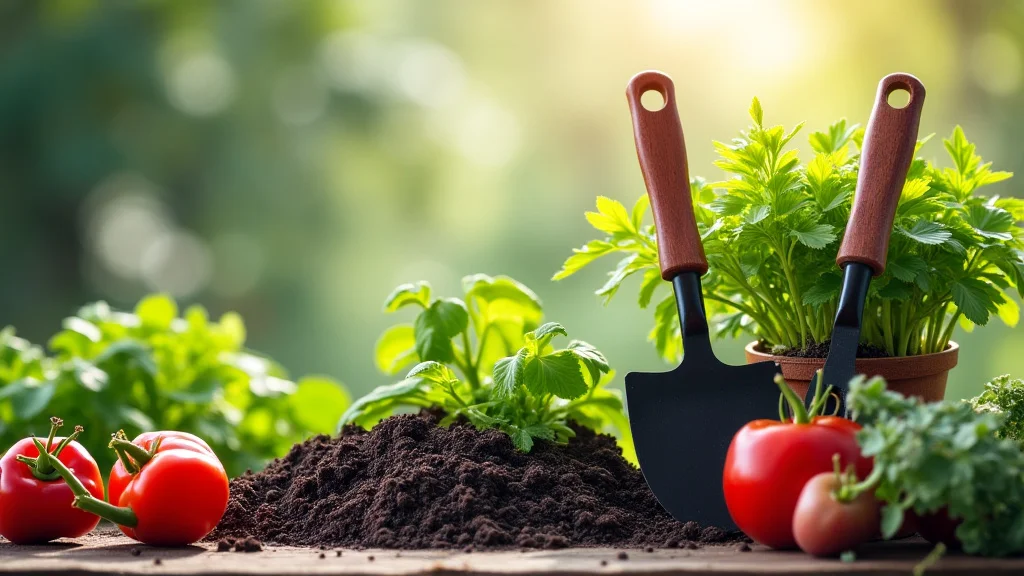
Remember that time you tried to plant tomatoes and ended up with a tangled mess of broken stems and frustrated tears? We’ve all been there! Choosing the right tools can make all the difference between a garden of dreams and a gardening disaster. But where do you start? Don’t worry, this guide will show you exactly what you need. This post breaks down everything you need to know about gardening tools pdf, from essential implements to helpful resources. You’ll gain a solid grasp on what tools are best for different tasks, plus you’ll have access to resources that will help you select the right gardening tools pdf for your needs. This knowledge will equip you for success in your garden. Let’s get growing!
Key Takeaways
- Identify the fundamental tools needed for successful gardening.
- Learn about different tool types and their specific applications.
- Discover how to maintain your tools to ensure longevity and efficiency.
- Understand how to find and use helpful gardening tools pdf resources.
- Gain insight on which tools are necessary for various gardening tasks.
- Optimize your gardening toolkit based on your specific needs and garden size.
Essential Gardening Tools
Every gardener, from the newbie to the green-thumbed veteran, needs a basic set of tools to get the job done right. These tools are the foundation of any successful gardening endeavor, enabling you to prepare soil, plant seeds, nurture growth, and harvest your bounty. Without these implements, tasks that should be straightforward become difficult and cumbersome. Having the right tools on hand will make your gardening experience far more pleasant, efficient, and rewarding. The list below covers the tools that are essential for nearly every gardening project.
Hand Trowel
A hand trowel is a small, hand-held tool with a curved, scoop-shaped blade. It is one of the most versatile and indispensable tools in any gardener’s arsenal. It’s designed primarily for digging small holes for planting seedlings, transplanting small plants, and scooping soil. Hand trowels are typically made of stainless steel or carbon steel, often with a wooden or plastic handle for a comfortable grip. The blade’s curvature helps scoop up soil with ease, while the pointed tip makes it easier to penetrate the ground. They are relatively inexpensive, making them a must-have for every gardener, regardless of experience level.
- Planting Seedlings: The trowel creates the perfect-sized hole for transplanting seedlings, ensuring their roots are properly positioned.
- Weeding: Its narrow blade allows you to dig out weeds by the root, preventing regrowth.
- Transplanting: A trowel is ideal for gently lifting small plants from one spot to another without damaging their roots.
- Mixing Soil: Use the trowel to mix in compost or fertilizer into the soil around your plants.
The type of material used to make a hand trowel has a big impact. Stainless steel is resistant to rust and tends to last longer. A good quality trowel, well-maintained, can last for many years.
Hand Fork
The hand fork is a small, handheld tool with several tines, resembling a miniature pitchfork. It is used to loosen and aerate the soil, remove small weeds, and incorporate amendments like compost or fertilizer. It’s a great tool for working in tight spaces where larger tools might be cumbersome. Hand forks are commonly made from forged steel with a wooden or plastic handle, providing strength and a comfortable grip. The tines, or prongs, are typically curved or slightly angled to help lift and loosen the soil without excessive disruption to the soil structure. These features make it helpful for preparing the soil for planting, and also make it an effective tool for maintaining its health.
- Loosening Soil: Use the fork to break up compacted soil, allowing for better water and air penetration.
- Weeding: The tines are useful for extracting weeds, particularly those with shallow root systems.
- Mixing Compost: Easily integrate compost or other soil amendments into your planting beds.
- Preparing Soil Beds: The hand fork is ideal for preparing the soil surface before planting seeds or seedlings.
The hand fork is an excellent companion to the hand trowel, working together to achieve a well-prepared garden bed. Together, these two tools are sufficient to begin almost any gardening project.
Gardening Gloves
Gardening gloves are an essential piece of equipment designed to protect your hands from dirt, thorns, and potential irritants. They come in various materials, each offering different levels of protection and comfort. Choosing the right pair of gloves can significantly improve your gardening experience, making it more comfortable and safer. Gloves help to create a barrier between your skin and the soil, safeguarding you from allergens, bacteria, and sharp objects. They can also provide a better grip, allowing for more secure handling of tools and plants.
- Materials: Common materials include leather, canvas, nitrile, and synthetic blends. Leather is durable and offers excellent protection, while canvas is breathable. Nitrile gloves are waterproof and ideal for wet conditions, and synthetic blends offer a balance of flexibility and protection.
- Fit: A good fit is important for comfort and dexterity. The gloves should be snug enough to prevent slipping but loose enough to allow you to move your fingers freely.
- Protection: Consider the types of plants you will be working with. For thorny bushes, choose gloves with added puncture resistance.
- Maintenance: Clean gloves after each use and store them in a dry place to extend their life.
Investing in a good pair of gloves is a small but important step toward a better gardening experience. They not only protect your hands but also help you enjoy the process more.
Watering Can or Hose
Watering cans and hoses are crucial for providing water to your plants. Choosing the right watering method is key to maintaining a healthy and thriving garden. A watering can is a portable container with a spout and a handle, typically used for watering smaller gardens or individual plants. Hoses, on the other hand, deliver water with greater power. Many feature adjustable nozzles that can change the water flow depending on the task. The choice between a watering can and a hose depends on the size of your garden, the type of plants you are growing, and personal preference. Careful watering practices ensure that your plants receive adequate hydration.
- Watering Can Benefits: Watering cans are good for precise watering, especially for seedlings or container plants. They help avoid overwatering and erosion.
- Hose Benefits: Hoses are effective for larger gardens, providing a quick and efficient way to water a wide area.
- Watering Techniques: Water early in the morning or late in the afternoon to reduce water loss due to evaporation.
- Water Quality: Use water from a rain barrel to save money and water and to provide a natural source of water for your plants.
Effective watering is a cornerstone of plant care, and both watering cans and hoses play important roles in ensuring that your plants receive the water they need to thrive.
Specialized Tools for Specific Tasks
While the tools mentioned earlier are essential for any garden, some specialized tools can greatly improve the efficiency and effectiveness of specific gardening tasks. These tools are designed to address particular challenges and can make the gardening process easier and more enjoyable. They allow you to handle more complex tasks with greater precision. They can be considered an investment that can significantly improve your gardening experience. The following sections will cover some of the most helpful specialized tools.
Garden Hoe
A garden hoe is a versatile long-handled tool with a flat or curved blade, used primarily for weeding, cultivating soil, and creating furrows for planting. Different types of hoes are available, each designed for specific purposes. The classic draw hoe has a flat blade that pulls towards the user, effective for chopping weeds at the soil surface. The Dutch hoe, also called a scuffle hoe, has a blade that is pushed away from the user, ideal for shallow cultivation. The garden hoe is an important instrument for maintaining the health and aesthetics of your garden beds. The long handle reduces the need to bend over.
- Weeding: Use the hoe to chop off weeds at the surface, preventing them from spreading.
- Soil Cultivation: Loosen the soil surface to improve air circulation and water penetration.
- Furrow Creation: Create rows for planting seeds or transplanting seedlings.
- Soil Preparation: Use the hoe to break up clumps of soil and prepare the seedbed.
Choosing the right type of garden hoe depends on your needs, so consider the soil conditions and the type of gardening you do. The right hoe can significantly reduce the amount of labor and physical strain during gardening.
Garden Fork
The garden fork, a larger version of the hand fork, is designed for turning over soil, aerating, and incorporating compost or fertilizer in larger garden beds. Unlike the hand fork, the garden fork has a long handle, allowing for more leverage and covering more ground with each use. The tines on a garden fork are typically strong and durable, made to withstand considerable force. This tool is especially helpful for improving the soil structure, breaking up compacted soil, and preparing the soil before planting. Using a garden fork reduces the physical effort required for digging and preparing soil, making it a valuable tool.
- Turning Soil: Use the fork to turn over the soil, mixing in organic matter and breaking up clumps.
- Aerating: Drive the tines into the ground and gently lift and loosen the soil, improving air circulation.
- Compost Incorporation: Mix compost or other soil amendments into the soil efficiently.
- Soil Preparation: Prepare the ground for planting by breaking up compacted soil.
A garden fork is a back-saving tool that helps maintain soil health. It will contribute to a more productive garden by improving the structure and fertility of the soil.
Pruning Shears
Pruning shears, also known as hand pruners or secateurs, are small, handheld cutting tools used for trimming and shaping plants. They are essential for maintaining the health and appearance of your plants, removing dead or diseased branches, and promoting new growth. Pruning shears come in various styles. Bypass pruners have a sharp blade that passes by a curved anvil blade, ideal for clean cuts on living stems. Anvil pruners have a blade that strikes a flat surface, suitable for dead wood. Proper pruning techniques are essential for preventing diseases and ensuring plant longevity. Regular pruning will also enhance the overall beauty of your garden.
- Deadheading: Remove dead flowers to encourage new blooms.
- Shaping Plants: Trim branches to maintain the desired shape and size.
- Disease Removal: Cut away diseased or damaged branches to prevent spread.
- Promoting Growth: Prune to encourage new, vigorous growth.
Pruning shears are an important investment for anyone who has a garden. With proper use and care, they will help you keep your plants healthy.
Choosing the Right Tools for Your Garden
Selecting the right gardening tools can significantly improve your experience and the success of your gardening efforts. The right tools for one person may not be the same for someone else, because a garden’s needs depend on its size, location, and the types of plants being grown. Making an informed decision about the tools you purchase is a smart investment. Here are some factors to consider when choosing your tools, helping you build a practical and efficient toolkit that aligns with your specific gardening requirements.
Garden Size
The size of your garden is a major factor in determining the tools you’ll need. A small balcony garden or container garden will require fewer tools compared to a large backyard garden. For smaller spaces, hand tools like a trowel, hand fork, and small pruning shears are adequate. For larger gardens, long-handled tools such as a garden hoe and garden fork will be a valuable investment, as they reduce the amount of time and physical effort needed to manage the garden. You can also consider investing in a wheelbarrow or a garden cart. It is all about choosing tools that help you manage your garden efficiently and safely.
- Small Gardens: Focus on hand tools for precision and maneuverability.
- Medium Gardens: Balance hand tools with some long-handled tools for efficiency.
- Large Gardens: Invest in long-handled tools and consider powered equipment like a tiller.
- Container Gardening: Prioritize small hand tools and watering cans for precision.
Properly choosing your tools based on the size of your garden will save you time, effort, and money, ensuring you have the correct tools.
Type of Plants
The types of plants you plan to grow will influence the specific tools you need. Different plants have unique requirements, which means you need to have the right tools to meet those needs. For example, if you are growing vegetables, you’ll need tools to prepare the soil, plant seeds or seedlings, and provide ongoing maintenance. If you are focused on growing flowering plants, you will need pruning shears to trim the plants for shaping and promoting growth. In addition, you may need a watering can or hose to irrigate your plants. Thinking about the plants you plan to grow ensures that you have the right tools.
- Vegetable Gardens: Require tools for soil preparation, planting, weeding, and harvesting.
- Flower Gardens: Include tools for pruning, shaping, and deadheading.
- Shrubbery: Pruning saws and loppers may be necessary.
- Fruit Trees: Specialized pruning tools and fruit harvesting tools will be helpful.
Carefully consider the needs of the plants you plan to grow to ensure you have the right tools and equipment. This planning will enhance your ability to care for the plants and grow a thriving garden.
Soil Type
The type of soil in your garden is another key factor when choosing your gardening tools. Different soil types have varying textures and properties that affect how easily they can be worked. For example, in clay soil, which is heavy and compact, you’ll need tools that can effectively break up the soil and improve drainage. Tools like a garden fork or a broadfork are especially useful in clay soil. In contrast, sandy soil drains well but may require more frequent watering and amending with organic matter. Tools like a trowel and hand fork may be sufficient. Understanding your soil type will help you select the right tools.
- Clay Soil: Choose tools designed to break up compaction, such as a garden fork and a sturdy hoe.
- Sandy Soil: Tools like a hand trowel and hand fork are usually adequate.
- Loamy Soil: Loamy soil is easier to work with, making the tool selection simpler.
- Rock Content: Choose durable tools that can withstand contact with rocks.
Taking the time to understand your soil’s composition will allow you to select tools that make your gardening tasks easier.
Maintaining Your Gardening Tools
Proper maintenance of your gardening tools is essential to ensure that they remain in top condition, extend their lifespan, and perform efficiently. Proper tool care is simple, but often overlooked. Regular maintenance will prevent rust, ensure sharp cutting edges, and reduce the risk of injury. Taking good care of your tools is an important part of good gardening practices. Proper maintenance will also save you time and money. Here are some helpful tips for tool maintenance, so you can enjoy using your tools for years to come.
Cleaning
Cleaning your gardening tools after each use will prevent the build-up of dirt, plant debris, and potential pathogens. Simply wipe the tools down after each use to remove dirt and debris. Use a stiff brush and water to scrub away any stuck-on soil, especially from blades and tines. In cases of stubborn debris, a solution of water and mild dish soap can be used. Be sure to dry the tools thoroughly after washing them to prevent rust. By cleaning your tools, you will maintain the effectiveness of your tools and also prevent the spread of diseases from plant to plant.
- Wipe Down After Each Use: Remove dirt and plant residue immediately.
- Use a Stiff Brush: Scrub away any stubborn soil or debris.
- Use Soap and Water: For more difficult to remove dirt, use a mild solution of dish soap and water.
- Dry Thoroughly: Wipe tools completely dry to prevent rust and corrosion.
Cleaning your gardening tools is a quick and effective way to preserve their condition. The tools will remain efficient and ready for use.
Sharpening
Keeping your cutting tools sharp is crucial for clean cuts, reducing the risk of damaging plants and making your work more efficient. Using sharp tools will also minimize physical strain. Regularly sharpen your pruning shears, loppers, and knives using a file or sharpening stone. A well-sharpened blade will cut through stems and branches cleanly, promoting faster healing and reducing the chance of disease. Always sharpen your tools in the correct direction, maintaining the proper angle for the blade. The right sharpening tools will ensure that your gardening tools remain effective. Proper sharpening will also make your gardening tasks more efficient and enjoyable.
- Use a File or Sharpening Stone: Select the correct tools for your needs.
- Maintain the Proper Angle: Sharpen at the correct angle to keep the blade’s edge.
- Test the Sharpness: Ensure the tool cuts cleanly without tearing or crushing the plant material.
- Consider Professional Sharpening: For specialized tools or if you’re uncomfortable doing it yourself.
The importance of sharpening cannot be overstated. By sharpening your cutting tools, you will ensure the best results in your garden.
Storage
Proper storage of your gardening tools helps to protect them from the elements, prevent damage, and extend their life. Store your tools in a dry, covered area like a shed, garage, or storage container. Hang tools on a wall-mounted rack or organize them in a toolbox to keep them accessible and off the ground. Clean and dry your tools before storing them. Applying a thin coat of oil to metal parts before storage will prevent rust. By storing your tools correctly, you will ensure they are ready for use whenever you need them. The right storage practices will also save you time and money, making it easy to locate and maintain your tools.
- Store in a Dry Area: Protect tools from moisture.
- Use a Tool Rack or Toolbox: Keep tools organized and easily accessible.
- Apply Oil to Metal Parts: Prevent rust formation, especially for tools exposed to the elements.
- Cover the Tools: Use a tarp or cover to further protect tools.
Storing your tools correctly is a simple step, but one that can make a big difference in the longevity and performance of your tools.
Finding Helpful Gardening Tools PDF Resources
Accessing helpful gardening tools pdf resources can be an important way to make sure that you have the right tools, use them correctly, and perform the necessary maintenance. These resources can provide you with detailed diagrams, step-by-step instructions, and valuable information about the tools you need. They also give you the opportunity to make a more informed selection process. The benefits of using these resources can provide you with the resources to start your gardening journey.
Online Guides and Tutorials
There is a wealth of information available online to guide you in selecting and using your gardening tools. Many websites offer free guides and tutorials. You can find detailed explanations about various tools. These resources usually provide instructions on how to use them and maintain them. Video tutorials can demonstrate techniques in a way that is easy to follow and understand. Look for resources from reputable sources. Consider websites of gardening experts, universities, or gardening organizations. These digital resources offer a convenient and comprehensive way to gain knowledge.
- Search Engines: Use search engines like Google to find guides.
- YouTube Tutorials: Video tutorials are available to demonstrate how to use various tools.
- Gardening Websites: Reputable gardening websites provide expert advice.
- University Extension Programs: These programs often provide detailed gardening information.
Online guides and tutorials offer accessible resources. They allow you to improve your knowledge and skills, improving your gardening experience.
Tool Comparison Charts
Gardening tools pdf often include tool comparison charts that compare different types of tools side by side, allowing you to quickly assess their features, benefits, and specifications. These charts can be especially helpful when you are evaluating your options. This kind of information will help you select the best tools for your specific needs. Comparison charts usually include information like tool dimensions, material, and suitable applications. Comparison charts will help you make a more informed purchase, so that you get the most appropriate and valuable tools for your garden.
- Compare Features: See specifications and advantages.
- Assess Specifications: Compare measurements, weights, and materials.
- Consider Applications: See which tools are best for certain tasks.
- Evaluate Price: Compare cost and value.
Tool comparison charts offer a quick and efficient way to evaluate and choose the right tools. Charts enable you to make a more informed selection.
Reviews and Recommendations
Reviews and recommendations from other gardeners can provide valuable insights into the quality, performance, and reliability of different gardening tools. Reading reviews will help you assess what the best tools are. Consider reviews from both expert sources and fellow gardeners. You can get ideas from different points of view. Recommendations often include personal experiences and tips. Reviews can also indicate how the tools perform under different conditions. This can help you learn if a tool is a good fit for your needs. Use the reviews and recommendations as a guide to choose your tools.
- Read Expert Reviews: See professional opinions.
- Check User Reviews: Review experiences from other gardeners.
- Look for Common Themes: Consider repeated recommendations and problems.
- Assess Tool Reliability: Consider the reliability of the tools in the reviews.
By reviewing and reading recommendations, you will be able to make a more informed purchase, ensuring that you select tools that meet your expectations.
Frequently Asked Questions
Question: What are the most important tools for a beginner gardener?
Answer: The most important tools for a beginner include a hand trowel, hand fork, gardening gloves, watering can or hose, and pruning shears. These tools are the foundation for nearly every gardening task.
Question: How do I choose the right size of pruning shears?
Answer: Choose pruning shears that fit comfortably in your hand. Consider bypass pruners for clean cuts on live stems and anvil pruners for dead wood. Look for comfortable grips and easy-to-use locking mechanisms.
Question: What is the best way to clean my gardening tools?
Answer: Clean your tools after each use by wiping them down to remove dirt and debris. Use a stiff brush and water to scrub away any stuck-on soil, and then dry them thoroughly to prevent rust. For more stubborn dirt, use a mild solution of dish soap and water.
Question: How often should I sharpen my pruning shears?
Answer: Sharpen your pruning shears whenever the blades feel dull or start to crush stems instead of making clean cuts. Regular sharpening ensures your shears remain efficient and prevent damage to plants.
Question: Where is the best place to store my gardening tools?
Answer: Store your gardening tools in a dry, covered area, such as a shed, garage, or storage container. Hang tools on a wall-mounted rack or organize them in a toolbox to keep them accessible and off the ground. Clean and dry your tools before storing them.
Final Thoughts
Whether you’re tending to a small herb garden or a sprawling landscape, the right gardening tools pdf can transform your gardening experience from a chore into a joy. With a basic set of essential tools, like a hand trowel, hand fork, and pruning shears, you’ll be well-equipped to handle most gardening tasks. Specialized tools, such as garden hoes and garden forks, can make specific tasks easier and more efficient, depending on your garden’s needs. The key to successful gardening lies not only in having the right tools but also in maintaining them properly. Cleaning, sharpening, and storing your tools correctly will extend their life and ensure they remain in good working order for years to come. Remember to consider your garden’s size, the type of plants you are growing, and your soil type when selecting your tools. This will help you assemble the perfect toolkit to make your gardening journey rewarding. With the right tools and a little bit of knowledge, you can create a beautiful and thriving garden. Now, get out there and get growing!