
Remember that time you tried to plant a rose bush and ended up with more dirt on you than in the ground? Yeah, me too. Choosing the right gardening tools home depot can feel just as tricky as knowing when to water a cactus. This guide takes the guesswork out of selecting essential equipment. You’ll learn what you truly need to get started, from basic hand tools to helpful gadgets. I’ll help you pick the best options at Home Depot, making your gardening adventures both fun and productive. You’ll know exactly what to look for, saving you time and money. Plus, your plants will thank you!
Key Takeaways
- Discover essential gardening tools suitable for beginners found at Home Depot.
- Learn about different types of hand tools, their uses, and selecting quality options.
- Understand the various power tools available and when they’re beneficial.
- Explore important accessories like gloves, watering cans, and storage solutions.
- Find out how to choose the right tools based on your garden size and plant types.
- Get tips on maintaining and caring for your tools to extend their lifespan.
Essential Gardening Tools: What You Really Need
Starting a garden can be incredibly rewarding, but it’s easy to feel overwhelmed by the sheer number of tools available. Focusing on the essentials is the best way to begin. This section will introduce you to the core tools you’ll need to start. From digging to planting to basic maintenance, knowing these items will help you avoid unnecessary purchases and focus on the joy of gardening. Building a strong foundation with the right equipment simplifies the process and allows you to enjoy the process.
Hand Tools for the Beginner Gardener
Hand tools are the heart of any garden. They are what you will use most often. Choosing good quality hand tools is important, as they will be used extensively. They’re generally inexpensive and will last a long time if properly cared for. These tools enable you to do much of the work in your garden, from planting and weeding to transplanting. The following are some of the most useful options at gardening tools home depot.
-
Trowel
A trowel is a small, hand-held tool with a curved, scoop-shaped blade. It is ideal for digging small holes, transplanting seedlings, and scooping up soil. The trowel’s small size makes it easy to maneuver in tight spaces, such as flower beds or pots. Look for a trowel with a sturdy metal blade and a comfortable handle. Avoid those with flimsy plastic handles or thin blades, as these are more likely to break or bend. Consider a trowel with measurement markings for precise planting depths.
-
Hand Rake
A hand rake is a small rake, usually with a head 3-6 inches wide. It is used to level soil, remove small debris, and spread mulch. Hand rakes are great for preparing soil for planting, smoothing out surfaces, and creating a neat appearance in your garden beds. Choose a rake with a durable head and comfortable handle. The best ones are made from metal, and they should be sturdy enough to withstand regular use. Consider a model with a rubber grip handle for extra comfort.
-
Hand Fork
Also known as a cultivator, a hand fork is a small tool with three or four tines. It is used to loosen soil, remove weeds, and aerate around plants. It’s particularly useful for working around established plants without disturbing their roots. Look for a hand fork with strong tines and a comfortable handle. The tines should be made of durable metal to withstand the pressures of digging and weeding. A handle with a rubber grip will provide added comfort and control.
Must-Have Cutting Tools
Cutting tools are essential for keeping plants healthy and looking their best. These tools allow you to prune, trim, and harvest your plants, promoting growth and preventing disease. Selecting the correct cutting tools is important for various plants, from flowers to vegetables to fruit trees. These options will set you up for success with many garden projects. Proper care will help them last for years.
-
Hand Pruners
Also called pruning shears or secateurs, hand pruners are designed for cutting smaller branches and stems. They are useful for trimming flowers, shaping shrubs, and removing dead or diseased growth. There are two primary types of hand pruners: bypass and anvil. Bypass pruners have blades that pass each other, making clean cuts suitable for living plants. Anvil pruners have a single blade that cuts against a flat surface, better for dead wood. Choose high-quality pruners made from durable materials that can be sharpened when dull. The size and shape of the handle should feel comfortable in your hand. Consider those with a locking mechanism for safety.
-
Loppers
Loppers are long-handled cutting tools used to prune thicker branches that hand pruners can’t handle. They provide extra leverage, making it easier to cut through branches. Loppers are essential for maintaining shrubs, hedges, and small trees. They come in bypass and anvil styles, similar to pruners. Bypass loppers are generally preferred for living wood, providing clean cuts. Select loppers with a comfortable grip and a blade made of high-quality steel. The length of the handles depends on your reach and the type of work you’ll be doing. Look for models with shock-absorbing features to reduce strain. Regularly clean and sharpen the blades to maintain cutting efficiency.
-
Gardening Knife
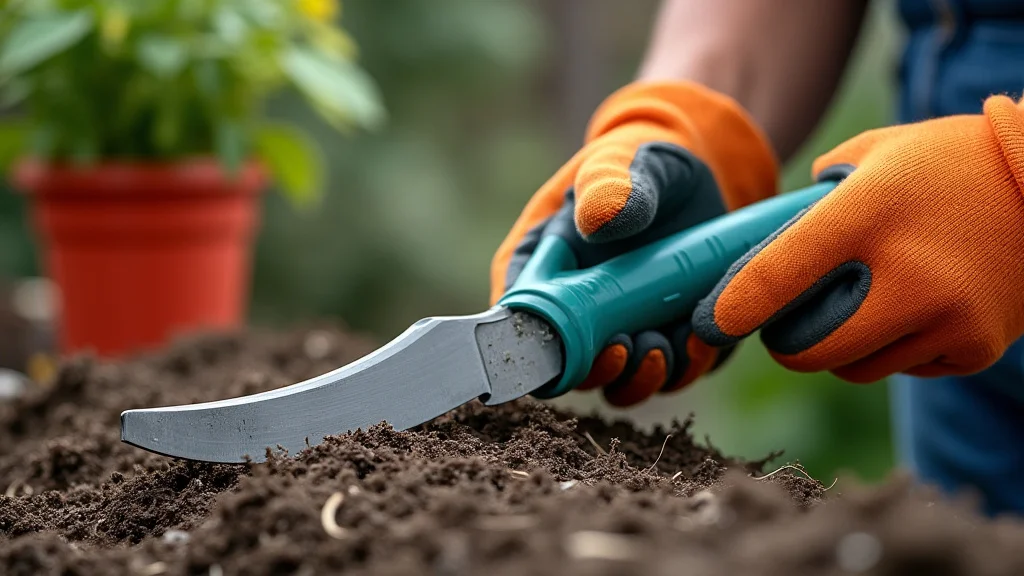
Also known as a hori-hori knife, a gardening knife is a versatile tool with a curved blade and a pointed tip. It is useful for a variety of tasks, including weeding, transplanting, and cutting twine. It can also be used to divide perennials, dig up bulbs, and even harvest vegetables. Choose a gardening knife made from stainless steel or high-carbon steel for durability. Look for a comfortable handle, preferably made of wood or a non-slip material. Many models have measurement markings on the blade, adding an extra level of convenience. A sheath is also a good idea for safe storage.
Power Tools for the Serious Gardener
Once you’ve mastered the basics, you might consider power tools to save time and energy. These tools can make large tasks easier. They’re particularly helpful for bigger gardens or more demanding projects. While you don’t need these at first, they can be a great addition to your gardening tools home depot arsenal as your gardening skills grow.
Essential Power Tools
Power tools can handle tasks that are time-consuming when done by hand. From trimming hedges to tilling soil, these tools can improve efficiency. Power tools are a great option for gardeners who have substantial areas to maintain. They may require a greater initial investment, but they can pay off in the long run. Safety should always be a priority when using these tools. Always read and follow the manufacturer’s instructions, wear appropriate safety gear, and be aware of your surroundings.
-
String Trimmer/Weed Eater
A string trimmer, also known as a weed eater, is used to trim grass and weeds in areas where a lawnmower can’t reach. It uses a rotating string or blade to cut vegetation, making it ideal for edging around trees, flower beds, and fences. Look for models with adjustable cutting heads and comfortable handles. Electric string trimmers are generally quieter and more eco-friendly, while gas-powered trimmers offer more power and freedom of movement. Consider features like automatic line feed and adjustable handles for added convenience. Safety glasses are a must when operating a string trimmer.
-
Lawnmower
A lawnmower is a must-have for maintaining a well-manicured lawn. There are different types available, including push mowers, self-propelled mowers, and riding mowers. Push mowers are ideal for small yards, while self-propelled mowers make it easier to cut larger areas. Riding mowers are best for large properties. Choose a lawnmower that suits your lawn size and terrain. Electric lawnmowers are environmentally friendly and easy to maintain. Gas-powered mowers offer more power and are useful for thicker grass. Pay attention to features such as cutting width, adjustable cutting height, and mulching capabilities. Consider models with easy-start systems and comfortable handles for ease of use. Remember to wear appropriate safety gear.
-
Hedge Trimmer
A hedge trimmer is used to trim and shape hedges and shrubs. It features a long, reciprocating blade that cuts through branches efficiently. Look for models with a blade length that fits your needs and a comfortable handle. Electric hedge trimmers are suitable for smaller gardens, while gas-powered trimmers are better for large properties. Consider features such as rotating handles and anti-vibration systems for more comfort. Safety is crucial when using a hedge trimmer. Always wear eye protection and gloves, and keep your hands away from the blades. Ensure the power cord is clear of the cutting path when using an electric trimmer.
-
Leaf Blower/Vacuum
A leaf blower or leaf vacuum is used to remove leaves, grass clippings, and other debris from lawns, driveways, and sidewalks. Leaf blowers use a stream of air to move debris, while leaf vacuums also have a collection bag to suck up debris. Leaf blowers are great for clearing large areas quickly. Leaf vacuums are useful for collecting leaves and grass clippings. Electric leaf blowers are a quieter, eco-friendly choice, while gas-powered leaf blowers provide more power. Look for features such as variable speed settings and ergonomic designs. When using a leaf blower, wear eye protection and ear protection, and avoid blowing debris onto neighbors’ property. If you opt for a leaf vacuum, select a model with a large bag capacity for reduced emptying frequency.
Selecting the Right Power Tool
When selecting a power tool, consider the size of your garden, the types of plants you have, and your personal needs. Power tools can make the gardening process much easier, but it’s important to choose the tools that suit your garden’s size, your needs, and your skill level. Some tools are better suited for specific tasks or garden layouts. It’s smart to consider how much time you are ready to spend on garden maintenance. Evaluating these factors helps to ensure that you select the right tools for your space.
-
Garden Size
The size of your garden plays a big role in your power tool choices. For small gardens, a basic electric lawnmower, string trimmer, and hedge trimmer might be enough. For medium-sized gardens, consider self-propelled mowers or larger hedge trimmers. Large gardens will require more powerful tools, such as riding lawnmowers and heavy-duty leaf blowers. Smaller gardens benefit from the convenience and portability of electric tools. Larger gardens may need the power of gas-powered tools.
-
Types of Plants
Different types of plants require different power tools. For example, if you have many hedges, a hedge trimmer is a must-have. If you have a large lawn, a lawnmower will be necessary. If you have a lot of leaves, a leaf blower or vacuum will be helpful. The type of plant life you have impacts what will work well in your garden. Be prepared to purchase tools that cover the major tasks required by your plants.
-
Frequency of Use
Think about how often you plan to use a particular power tool. If you only plan to use a tool occasionally, an electric model might suffice. If you plan to use a tool frequently, a gas-powered model might be a better choice due to its greater power and longer run time. Think about how often you will be using a certain tool. This helps inform whether it is better to choose a corded or cordless model.
-
Your Personal Needs
Your personal needs are also important. Consider your physical capabilities and preferences. Do you have any physical limitations? Do you prefer tools that are easy to start and maintain? Do you have space to store large power tools? Take all of these factors into account. This means finding the tools that best fit your capabilities, making the gardening experience easier and enjoyable. Personal preferences, from ergonomic design to brand reputation, all contribute to your perfect tool set.
Accessories and Additional Tools for Garden Success
Beyond the core tools, several accessories and additional tools can help make your gardening easier and more enjoyable. These extras can improve your gardening efficiency and enhance the overall experience. Whether it’s helping with watering, organization, or providing added comfort, these are great for any garden. The gardening tools home depot carries many options to enhance your garden.
Important Accessories to Consider
Certain accessories, while not essential, can significantly enhance your gardening experience. They improve efficiency and make the tasks more enjoyable. Selecting the right accessories can streamline your workflow and protect your well-being. From protective gear to storage solutions, accessories will help with the day-to-day. Here are several key accessories to keep on your radar.
-
Gloves
Gardening gloves are a must-have accessory. They protect your hands from dirt, thorns, and blisters. Select gloves that fit comfortably and provide a good grip. There are many types, including leather gloves, latex gloves, and nitrile gloves. Leather gloves are great for heavy-duty tasks like handling thorny plants. Latex and nitrile gloves are suitable for lighter tasks, like planting and weeding. Choose gloves that are both comfortable and durable. Look for gloves with reinforced palms and fingers, especially if you plan to do a lot of digging or heavy lifting. Consider purchasing a few pairs for different tasks, such as light weeding, heavy digging, and general purpose gardening.
-
Watering Can or Hose and Sprinkler System
Watering is a crucial part of gardening, so having the right tools is important. A watering can is a simple, effective option for small gardens. It’s perfect for watering container plants and small beds. A hose and sprinkler system is better for larger gardens, allowing you to water large areas efficiently. When buying a hose, choose one that is long enough to reach all areas of your garden. Select a sprinkler system that provides even coverage. Look for hoses made of durable materials that resist kinking and cracking. Choose sprinklers with adjustable settings to match the different watering needs of your plants. Make sure to consider water pressure and garden size.
-
Kneeling Pad or Garden Seat
Kneeling pads and garden seats can help protect your knees and back. Gardening often involves a lot of bending and kneeling. Kneeling pads are made of foam or rubber. They provide cushioning and prevent strain. Garden seats allow you to sit comfortably while working, reducing strain on your back and knees. Choose a kneeling pad that is thick enough to provide adequate cushioning. Select a garden seat that is sturdy and stable. Many seats have storage compartments, allowing you to keep tools within reach. Consider a seat with a backrest for added support. These options make gardening more enjoyable and also protect your body.
-
Storage Solutions
Proper storage is essential to keep your tools organized and protected. A storage shed or a garden tool organizer will help to keep your tools in good condition. You can choose a small shed, a garage, or a tool rack to store your tools. A garden tool organizer can be mounted on a wall or placed in a shed or garage. Look for a storage solution that is the right size for your needs and provides protection from the elements. Consider storage options that provide secure and dry storage for your tools. Also, ensure your tools are organized to make it easy to find what you need. This increases their lifespan and keeps your garden neat and functional.
Other Useful Tools
Beyond the accessories, there are other useful tools that can make your gardening experience even better. These specialized tools address particular tasks. They are very convenient when you get into more detailed gardening projects. As you gain more experience, you may want to invest in additional specialized tools.
-
Wheelbarrow or Garden Cart
A wheelbarrow or garden cart is essential for moving soil, mulch, and other materials around your garden. A wheelbarrow is the classic option, offering good capacity and maneuverability. Garden carts often have more storage space and are easier to push. Choose a wheelbarrow or garden cart made from durable materials that can withstand heavy loads. Ensure that the tires are in good condition. Consider a model with a comfortable handle and a tipping mechanism. This will reduce strain and make the job easier. A wheelbarrow or cart is invaluable for a variety of tasks.
-
Measuring Tools
Measuring tools are important for accurate planting and landscaping. Tools like tape measures, rulers, and levels are very useful. They help you space plants correctly and create level surfaces. For precise planting, a measuring tape is a must. A level will help you create straight lines and ensure that your garden beds and pathways are even. When selecting measuring tools, make sure they are made of durable materials and offer clear markings. A good measuring tool ensures accuracy and helps make your garden look its best.
-
Weeding Tools
Keeping weeds under control is a never-ending task. There are several tools that can make this process easier. A long-handled weeder allows you to remove weeds without bending over. A weeding knife or hand fork can be used for removing weeds. A weeding hoe is helpful for larger areas. When choosing weeding tools, look for those that are durable and have comfortable handles. A long-handled weeder reduces back strain. Weeding is much easier when you have the right tools.
Choosing the Right Tools for Your Garden
The right tools will make your gardening endeavors more enjoyable and efficient. Considering the size of your garden, the types of plants you plan to grow, and your physical capabilities are all important in making the right choices. Finding the right tools for your space is an important step. With the vast selection available at gardening tools home depot, it’s possible to create the perfect setup.
Garden Size and Plant Types
The size and type of your garden greatly influence the choice of tools. Small gardens will need different tools than larger ones. The plants you grow also impact the required tools. Consider how much space you have available to determine the best equipment.
-
Small Gardens (e.g., Balconies, Patios)
For small spaces, like balconies or patios, space-saving hand tools and compact options work best. Hand tools like a trowel, hand fork, and small hand pruners are ideal. You may not need a lawnmower or other large power tools. A watering can or a small hose and a few container plants are generally all that is needed. Compact storage solutions are a great idea for these smaller areas, as space is limited.
-
Medium Gardens (e.g., Flower Beds, Raised Beds)
For medium-sized gardens, such as flower beds or raised beds, you’ll need a combination of hand tools and some power tools. A hand rake, hand pruners, and a small hoe are useful. A string trimmer for edging and a small lawnmower can be helpful. A wheelbarrow can also be useful for transporting materials. Storage solutions can include a small shed or a garden tool organizer. Consider the specific plant needs. Ensure that your tool selection matches the area and type of plants.
-
Large Gardens (e.g., Lawns, Vegetable Gardens)
Large gardens, including lawns and vegetable gardens, require a wider range of tools. You’ll need a larger lawnmower, a hedge trimmer, and potentially a leaf blower. A wheelbarrow or garden cart is essential. Power tools like a tiller or cultivator may be useful. Consider long-handled tools to make your work more efficient. Adequate storage space is also very important. A storage shed or garage will keep your tools organized. A large garden will require a more comprehensive tool collection.
Assessing Your Physical Abilities and Budget
When selecting tools, take your physical limitations into consideration. Then, create a budget and stick to it. Knowing these factors will help you make better decisions. Think about what will work best for your unique needs. Making the right choices will enhance your gardening experience.
-
Physical Capabilities
Consider your physical abilities before you buy your tools. Do you have any back or knee problems? If so, select tools with ergonomic handles or those that allow you to work from a standing position. Long-handled tools are a great idea. Consider a kneeling pad or garden seat. Prioritize tools that reduce strain and make gardening more comfortable. Focus on tools that reduce physical strain and make the job easier.
-
Creating a Budget
Establish a budget before you go shopping. Decide how much you can spend. List all the tools you need and set a spending limit for each. Prioritize the tools you need the most. It is helpful to research prices at gardening tools home depot. Consider buying used tools or waiting for sales. You can spread out your purchases over time. This makes the project more manageable. Stick to your budget to avoid overspending.
Caring for Your Gardening Tools
Proper tool maintenance is key to keeping your tools in good working order. Regular care will extend their lifespan and ensure that they are always ready for use. By investing a little time and effort in maintenance, you can protect your investment and enjoy gardening for years. Proper care keeps your tools in great condition.
Cleaning and Storage
Keeping your tools clean and storing them properly will help them last longer. Regularly cleaning your tools will remove dirt, rust, and plant sap. Proper storage will protect them from the elements and keep them organized. These steps will make a big difference in how well your tools function.
-
Cleaning Your Tools After Each Use
Clean your tools after each use. Remove dirt, soil, and plant debris immediately after each gardening session. Use a brush or scraper to remove any stuck-on debris. Rinse tools with water and wipe them dry. This prevents rust and corrosion. Sharpen cutting tools regularly to maintain their sharpness. This also prolongs their life. Cleaning tools after each use is an easy way to keep them in good condition.
-
Proper Storage
Proper storage is important to protect your tools. Store your tools in a dry place, such as a shed or garage. Hang your tools on a tool rack or wall organizer. This keeps them off the ground and prevents them from getting damaged. For metal tools, consider applying a light coat of oil to prevent rust. Ensure tools are protected from extreme temperatures and moisture. Following these steps helps them last for many seasons. The organization will also help you find tools quickly.
Sharpening and Maintenance
Sharpening cutting tools and performing regular maintenance is crucial for their longevity and performance. Keeping cutting edges sharp is key to efficient pruning and trimming. Regular maintenance keeps your tools in optimal condition, ensuring that they’re ready for use. Maintaining your tools helps them perform at their best and increases their lifespan.
-
Sharpening Cutting Tools
Sharpen your cutting tools regularly to ensure they work well. Use a file or sharpening stone to sharpen blades. Follow the manufacturer’s instructions for sharpening. Always wear safety glasses and gloves when sharpening. Keep the cutting edges sharp to improve cutting efficiency. A sharp edge makes cutting easier and reduces stress on plants. Regular sharpening extends the life of cutting tools and helps them perform at their best.
-
Maintaining Power Tools
Power tools require more maintenance than hand tools. Always follow the manufacturer’s instructions for maintenance. Change the oil and filters in your gas-powered tools regularly. Keep the blades clean and sharpened. Store electric tools in a dry place. Inspect cords for damage before each use. Make sure that all safety features are working correctly. Proper maintenance ensures that your power tools operate safely and efficiently.
Frequently Asked Questions
Question: What are the must-have gardening tools for beginners?
Answer: A trowel, hand fork, hand pruners, and a watering can or hose are great choices for getting started. These tools allow you to perform basic gardening tasks like planting, weeding, and watering.
Question: How often should I sharpen my pruning shears?
Answer: Sharpen your pruning shears before each season and as needed. If you notice the cuts are not clean, it is time to sharpen them. This ensures clean cuts and prevents damage to plants.
Question: What is the best way to store gardening tools?
Answer: Store gardening tools in a dry, covered area like a shed or garage. Hang them on a rack or organizer to keep them off the ground and prevent damage.
Question: How do I choose the right size lawnmower?
Answer: Choose a lawnmower based on your lawn’s size and terrain. Push mowers are ideal for small yards, while self-propelled mowers work well for larger areas. Riding mowers are great for large properties.
Question: What should I do if my metal gardening tools start to rust?
Answer: Remove the rust with sandpaper or a wire brush, then apply a rust-preventative oil to protect the metal. Proper cleaning and storage will help prevent rust in the first place.
Final Thoughts
Choosing the right gardening tools home depot for your needs is a critical step for anyone starting a garden. From the essential hand tools to the optional power tools and accessories, a thoughtful selection is a good start. Remember, begin with the basics, such as a trowel, hand fork, and pruners, and add tools as your garden and skills grow. Assess your garden’s size, the type of plants you are growing, and consider your physical abilities and budget. Cleaning, storing, and maintaining your tools will ensure they last for years. Explore the options at Home Depot. Consider starting your garden today. Remember, with the right tools, you can create a beautiful and thriving garden space.