
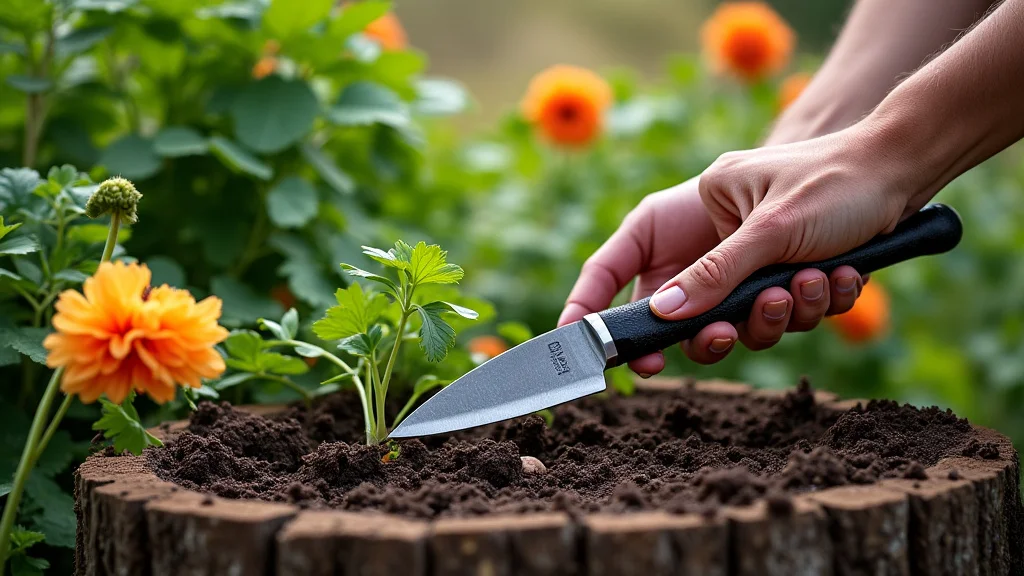
Remember that time you tried to plant a rose bush and ended up with more dirt on you than in the ground? Yeah, gardening can be a bit like that. But don’t worry, everyone starts somewhere! This guide is here to help you get the hang of using gardening tools in english. Whether you’re dreaming of a vibrant flower bed or a tasty vegetable patch, having the right tools makes all the difference. We’ll explore essential tools, explain how to use them, and give you some helpful tips to ensure your gardening endeavors are successful. You’ll learn what to buy, how to care for your tools, and even how to plant your first seeds. By the end, you’ll be feeling confident and ready to get your hands dirty, and more importantly, learn how to use gardening tools in english.
Key Takeaways
- Learn about the essential gardening tools in english every gardener needs.
- Discover how to use different tools safely and effectively.
- Understand the importance of tool maintenance for longevity.
- Find out how to choose the right tools for your specific gardening needs.
- Gain confidence in tackling various gardening tasks.
- Get practical advice on where to purchase gardening tools in english.
Essential Gardening Tools in English
Before you begin, gathering the right tools is essential for a productive and enjoyable gardening experience. The right equipment makes the tasks easier, more efficient, and, most importantly, more fun! But what exactly constitutes the “right” equipment? Don’t worry, you don’t need everything all at once. Start with the basics and expand your collection as your gardening skills grow. From digging to pruning, we will cover the core gardening tools in english that will make your time in the garden fruitful. Knowing what each tool does and how to use it will help you create a thriving garden.
Hand Trowel
The hand trowel is one of the most useful gardening tools in english for every gardener. It’s a small, handheld scoop with a curved blade, perfect for digging small holes for planting seedlings, transplanting plants, and scooping up soil. The size makes it very versatile, allowing you to work in tight spaces or containers. Look for trowels made from durable materials like stainless steel or forged steel. These will last longer and withstand the rigors of digging in various soil types. A comfortable handle is also vital, so the tool doesn’t slip from your grasp. Using a hand trowel, you can ensure that you cause minimal damage to the delicate roots of young plants when transplanting or planting.
- Planting Seedlings: The primary use is creating small holes for young plants, ensuring roots are properly positioned.
- Transplanting Small Plants: This helps relocate plants to new locations with minimal disturbance to their roots.
- Weeding: You can use a trowel to gently remove weeds from the soil by digging them up by the roots.
- Mixing Soil: Trowels are excellent for mixing in compost or other amendments in small planting areas.
When selecting a hand trowel, consider its construction. Stainless steel trowels are resistant to rust and corrosion, while forged steel trowels are known for their strength and durability. Furthermore, look for a trowel with a comfortable handle; rubberized or ergonomically designed handles will help you reduce strain on your hand and prevent blisters. Proper care will prolong the life of your hand trowel. Always clean the blade after use, and store it in a dry place to prevent rust. In the garden, you’ll want to avoid prying up large rocks or using the trowel as a lever, as this can bend or break the blade.
Hand Fork
The hand fork is a small, handheld tool with multiple tines, resembling a miniature pitchfork. It is one of the indispensable gardening tools in english for preparing soil, weeding, and working around plants. The tines are generally curved or slightly angled, making it useful for loosening soil without disturbing plant roots. Its size allows for precise work in small areas, such as raised beds or container gardens. A quality hand fork is typically crafted from hardened steel, providing durability, while the handle is constructed from wood or a durable plastic for comfort and grip. It is a workhorse in any garden, making it easier to maintain your plants.
- Loosening Soil: The primary use is loosening the soil surface before planting or after rain to improve aeration.
- Weeding: You can use the fork to remove small weeds from the soil by gently lifting them from their roots.
- Breaking Up Clods: Use it to break up soil clumps to create a fine tilth, perfect for seed sowing.
- Mixing Compost: It is very effective for mixing compost and other organic matter into the soil.
When choosing a hand fork, consider the number of tines and their spacing, which will dictate the tool’s effectiveness in different soil types. A hand fork with more tines is better for breaking up compacted soil, and one with fewer tines is ideal for working among plant roots. For the tool’s upkeep, clean the tines after each use to prevent soil from drying and adhering to them. Store your hand fork in a dry location and consider oiling the tines periodically to prevent rust. A well-maintained hand fork will become a long-lasting and reliable tool in your gardening tools in english arsenal.
Gardening Gloves
Gardening gloves are a basic component of any gardener’s gear. They serve as a protective barrier between your hands and the dirt, sharp tools, and potential irritants found in the garden. This small but important component is often overlooked by new gardeners. Choosing the correct pair of gloves can significantly improve the comfort and efficiency of your gardening activities. They protect your hands from scrapes, blisters, and dirt, and they also provide a better grip on tools, reducing strain and improving your dexterity. There are many types of gloves, each designed for a specific set of needs.
- Protection from Cuts and Abrasions: Provides a physical barrier to prevent cuts from tools, thorns, or rough surfaces.
- Protection from Irritants: Shields your skin from contact with pesticides, fertilizers, and plant sap that may cause allergic reactions.
- Enhanced Grip: Gloves improve the grip on tools, helping you handle them more efficiently and comfortably.
- Dirt and Germ Protection: Keeps your hands clean and reduces the risk of infections.
Selecting the right gloves depends on the type of gardening work you intend to perform. For general gardening, look for gloves made of durable materials such as leather, canvas, or synthetic fabrics with reinforced palms and fingers. If you’re working with thorny plants, opt for gloves with long cuffs and thicker materials. For delicate work, such as handling seedlings, choose gloves made of thin, flexible materials like latex or nitrile, which provide better dexterity. Always rinse your gloves after use and allow them to air dry. Store gloves in a dry place, away from sunlight to prevent deterioration. Regular inspection of your gloves for any signs of wear and tear, and replace them when necessary.
Watering Can
A watering can is a simple yet crucial tool for providing water to plants. Whether you’re a seasoned gardener or just starting, a watering can enables you to deliver water directly to the plant’s roots, avoiding the risks of overwatering or underwatering. A watering can is a staple in any gardener’s collection of gardening tools in english. Its design allows for controlled watering, which is especially beneficial when you need to water delicate seedlings or plants in containers. Watering cans are also better for areas where a garden hose might be difficult to access or maneuver.
- Controlled Watering: Allows you to direct water exactly where it is needed, minimizing water waste.
- Gentle Watering: The rose or spout on the can distributes water gently, preventing soil erosion and damage to delicate plants.
- Versatile Use: Ideal for watering seedlings, container plants, and areas where a hose is inconvenient.
- Aesthetic Appeal: Often available in decorative designs that enhance the beauty of your garden.
When choosing a watering can, consider factors like material, size, and the design of the spout or rose. Watering cans come in different sizes, from small, lightweight models to larger ones. The material of the can matters too; plastic cans are lightweight and durable, but metal cans can provide greater strength and a more traditional appearance. The rose, which is the part that disperses the water, is an important feature. Make sure you select a watering can that is comfortable to carry, especially when full. To maintain your watering can, empty it after use and store it upside down to prevent water from accumulating and causing corrosion or algae growth. Clean the rose periodically to prevent clogging, which can limit the flow of water.
Essential Pruning Tools
Pruning is an important element of maintaining a healthy and beautiful garden. The tools used for pruning can have a major effect on the health and look of the plants, from small shrubs to large trees. Different pruning tools serve different purposes, so having the right tools is important. Pruning not only shapes the plants but also promotes new growth, removes diseased or dead branches, and improves air circulation, all of which contribute to the vitality of the garden. Choosing the correct pruning tools is important. Make sure that they are clean and sharp.
Hand Pruners (Secateurs)
Hand pruners, also known as secateurs, are small, handheld scissors designed for cutting stems and branches up to about an inch in diameter. They are one of the most used gardening tools in english and essential for basic pruning tasks like deadheading flowers, trimming small branches, and shaping plants. Secateurs are available in several designs, including bypass and anvil types. Bypass pruners have a sharp blade that passes by a curved hook, delivering a clean, precise cut. Anvil pruners use a sharp blade that strikes against a flat surface, which makes them better suited for cutting dead wood. A good pair of hand pruners should have sharp, strong blades and comfortable handles.
- Deadheading Flowers: Remove spent blooms to encourage new growth and maintain the plant’s appearance.
- Trimming Small Branches: Cut back stems and branches that are crossing or growing in unwanted directions.
- Shaping Plants: Shape shrubs and hedges to maintain the desired form and size.
- Harvesting: Collect vegetables, flowers, and herbs by cutting them cleanly.
When purchasing hand pruners, consider the type of cutting action, blade material, and handle design. Bypass pruners are the preferred choice for cutting live, green stems because they deliver a cleaner cut, which helps with healing and reduces the chance of disease. Look for pruners made with high-carbon steel blades. Regularly sharpen the blades and clean them after each use with a damp cloth to remove sap and debris. If you have done significant pruning, you can sterilize the blades with rubbing alcohol to prevent the spread of diseases. A well-maintained pair of hand pruners will provide many years of service.
Loppers
Loppers are long-handled pruning shears used for cutting branches that are too thick for hand pruners. They are one of the key gardening tools in english for managing trees, shrubs, and hedges. These tools allow you to reach higher branches and exert more force than hand pruners. Loppers come in two main types: bypass and anvil. Bypass loppers have blades that pass each other, producing a clean cut, best for live, green wood. Anvil loppers have a blade that cuts against a flat surface, ideal for deadwood. Choosing the proper type of lopper depends on the kinds of pruning tasks you undertake, such as pruning branches on trees or trimming hedges.
- Cutting Larger Branches: Designed for cutting branches that are too thick for hand pruners, typically up to 1.5 to 2 inches in diameter.
- Reaching High Branches: Long handles enable reaching high branches, eliminating the need for a ladder in many cases.
- Shaping Hedges and Shrubs: Helps to manage the size and shape of hedges and shrubs.
- Removing Dead or Diseased Wood: Remove dead or diseased branches to promote new growth and overall plant health.
Selecting loppers involves considering blade type, handle length, and construction material. Bypass loppers are the first option, especially for live wood as they make a clean cut. Anvil loppers work well on dead wood, although they can sometimes crush live stems. Handle length is crucial; longer handles provide greater leverage but can be more difficult to manage in tight spaces. Make sure that you regularly sharpen the blades and clean them after each use. A dull blade can damage the plant, so maintaining a sharp edge is important. Store loppers in a dry place to prevent rust, and lubricate the moving parts regularly to ensure smooth operation. Proper maintenance will extend the life of your loppers.
Pruning Saw
A pruning saw is a specialized saw used for cutting larger branches that are too thick for loppers or hand pruners. This tool is among the core gardening tools in english for any gardener handling tree pruning and larger shrub maintenance. Pruning saws come in a variety of styles, including curved blade, straight blade, and folding blade designs. Each style offers unique advantages depending on the type of pruning work. Curved blade saws are excellent for making flush cuts, while straight blade saws offer more power for thicker branches. When pruning a tree or large shrub, using the proper saw can make the task much easier.
- Cutting Large Branches: Designed to cut through branches that are too thick for loppers or hand pruners, usually ranging from 2 to 6 inches in diameter.
- Removing Dead or Diseased Wood: Important for removing diseased branches that could spread to other parts of the plant.
- Shaping Trees: Cutting larger branches to shape the trees.
- Pruning Fruit Trees: Prune fruit trees to stimulate fruit production.
The type of blade is an important factor when picking a pruning saw. Curved blades are suitable for making flush cuts near the branch collar, which helps with the tree’s healing process. Straight blades are better suited for fast, efficient cutting of thicker branches. Blade material and tooth design also impact cutting performance and durability. Look for saws with high-carbon steel blades for long-lasting sharpness and durability. To maintain your pruning saw, clean the blade after each use to remove sap and debris. When not in use, store it in a dry location to prevent rust. Regularly sharpen the teeth to maintain cutting efficiency. A well-maintained pruning saw is a long-term investment in your garden.
Digging and Soil Preparation Tools
Successful gardening begins with preparing the soil and setting the groundwork for healthy plant growth. The right digging and soil preparation tools are vital for this process, assisting in loosening the soil, removing weeds, and amending the soil. From small hand tools to larger implements, these tools allow you to make sure your plants have the soil, air, and nutrients they need to grow. The right gardening tools in english will save time and improve the efficiency of your gardening efforts. They also ensure the health and vibrancy of your plants.
Spade
The spade is a flat-bladed tool with a long handle, used for digging, turning over soil, and edging. It is a fundamental tool for gardeners and a versatile addition to any collection of gardening tools in english. Its design allows it to cut through soil and lift large amounts of earth with ease. Spades are perfect for preparing garden beds, transplanting plants, and edging around lawns and paths. A good spade is made from strong steel with a sturdy handle and a comfortable grip. It’s a workhorse in the garden, and gardeners around the world use it to improve their gardens.
- Digging: Used to dig holes for planting trees and shrubs.
- Turning Over Soil: Turns over soil to aerate and prepare planting beds.
- Edging: Makes clean edges around garden beds and paths.
- Transplanting: Used to lift and move plants.
When selecting a spade, consider the blade shape, material, and handle design. Blades can be square or pointed; square blades are great for moving larger amounts of soil and making sharp edges, while pointed blades are better for digging in compacted or rocky soil. The blade should be made from strong steel. A handle made from hardwood or fiberglass provides durability and shock absorption. After each use, clean the blade and store it in a dry place to prevent rust. Sharpen the blade periodically to maintain its cutting efficiency. A well-maintained spade will be a durable tool.
Garden Fork
The garden fork is a tool with long tines used for loosening compacted soil, turning over soil, and incorporating organic matter. Unlike a spade, which cuts through soil, a garden fork penetrates the ground, making it an excellent tool for preparing soil without damaging its structure. It is a staple gardening tools in english for every gardener. It’s especially useful in breaking up clay soil, improving drainage, and aerating the root systems of plants. Using a garden fork instead of a spade preserves the natural structure and life of the soil. Also, a good garden fork should be durable and easy to manage.
- Loosening Compacted Soil: Penetrates deep into the soil to break up compaction, improving air and water flow.
- Turning Over Soil: Lifts and turns soil to prepare planting beds and incorporate amendments.
- Incorporating Compost and Amendments: Mixes organic matter, such as compost and manure, into the soil.
- Harvesting Root Crops: Assists in harvesting root vegetables like potatoes and carrots.
When choosing a garden fork, think about the number of tines, tine shape, and handle design. Forks with more tines are better for moving large amounts of soil and mixing materials. A D-handle is comfortable for digging and lifting. After using the garden fork, clean the tines to get rid of soil. Store it in a dry area to prevent rust, and regularly oil the tines to preserve their integrity. With proper care and maintenance, the garden fork will become a long-lasting, reliable tool in your garden.
Hoe
A hoe is a versatile tool used for weeding, cultivating soil, and creating furrows for planting. It is an essential component of many sets of gardening tools in english, known for its ability to cut weeds at or just below the soil’s surface, making it an excellent tool for weeding. The blade can also be used to move soil, which is essential for hilling crops. Hoes come in various styles, including draw hoes, scuffle hoes, and oscillating hoes, each designed for particular tasks. Using the right hoe for the job makes your garden a joy.
- Weeding: Cut through weeds at the surface of the soil, preventing them from growing further.
- Cultivating Soil: Loosen the soil surface around plants to improve aeration and water penetration.
- Creating Furrows: Create rows for planting seeds or transplanting seedlings.
- Hilling Crops: Mound soil around plants, which provides support and warmth.
The type of hoe you choose depends on the specific gardening tasks you undertake. Draw hoes are excellent for chopping weeds and moving soil. Scuffle hoes, also known as stirrup hoes, have a blade that moves back and forth just below the soil surface, cutting weeds as you pull the hoe towards you. To maintain your hoe, clean the blade after use. Store the hoe in a dry place to prevent rust. Sharpen the blade periodically to maintain cutting efficiency. With proper maintenance, a hoe can last for many years, helping you maintain a neat and productive garden.
Maintaining and Caring for Your Gardening Tools
Taking care of your gardening tools in english is important to ensure their longevity and efficiency. Regular maintenance will not only prolong the life of your tools but also make gardening easier and safer. A well-cared-for tool cuts better, performs more efficiently, and is less likely to cause injuries. Making tool maintenance a regular part of your gardening routine guarantees your tools remain in good working order for years to come. Remember that good maintenance is an investment in your gardening success.
Cleaning Your Tools
Cleaning your gardening tools after each use is a simple but important step in maintenance. Soil, plant debris, and sap can build up on the tools, causing rust and reducing their effectiveness. Regularly cleaning your tools prevents the spread of diseases and pests from plant to plant. Also, it keeps your tools in good working order. Proper cleaning is a crucial component of any gardening routine. It keeps your tools clean and extends their life.
- Removing Dirt and Debris: After each use, wipe off any dirt, soil, or plant residue from the tools.
- Rust Prevention: Clean and dry your tools to prevent rust from forming.
- Disease Control: Clean and disinfect tools to prevent spreading plant diseases.
- Maintain Sharpness: Clean tools cut better.
To clean your gardening tools, begin by removing any loose debris with a brush or scraper. Wash the tools with warm, soapy water to remove any stuck-on soil or sap. You can use a wire brush to remove any rust. Rinse the tools thoroughly and dry them completely. Consider using a disinfectant, such as rubbing alcohol or a bleach solution, to prevent the spread of diseases. Store your cleaned tools in a dry location, away from moisture, to prevent rust and corrosion. You can also apply a thin coat of oil to the metal parts of your tools. Regular cleaning is a simple act that keeps your gardening tools in good condition.
Sharpening Your Tools
Keeping your gardening tools sharp is very important for their effectiveness and your safety. Sharp tools cut cleanly and require less effort, making gardening tasks more efficient and reducing the chance of injury. Dull tools can crush stems or branches instead of cutting them, which can damage the plants and potentially spread diseases. Regular sharpening is a crucial part of tool maintenance, providing efficient use. Sharpening the cutting edges keeps them in good condition for years. Also, sharp tools are less likely to slip, reducing the risk of accidents.
- Efficient Cutting: Sharp tools cut cleaner and require less effort.
- Reduced Plant Damage: Clean cuts promote quicker healing and reduce the risk of disease.
- Improved Safety: Sharp tools are less likely to slip.
- Tool Longevity: Sharpening prolongs the lifespan of your tools.
To sharpen your gardening tools, you’ll need a sharpening stone or a file, depending on the tool. For pruning shears and pruners, use a sharpening stone and follow the angle of the blade. For spades and hoes, use a file to sharpen the cutting edges. Sharpen your tools regularly, at least once or twice per gardening season. Make sure the tools are clean and dry before sharpening. Also, always wear safety glasses when sharpening tools to protect your eyes. Regular sharpening makes gardening easier, safer, and more enjoyable, while it extends the life of your gardening tools.
Storing Your Tools
Properly storing your gardening tools in english is a crucial part of maintenance. Proper storage ensures your tools remain in good condition. Storing tools in the right location protects them from rust, corrosion, and damage, and keeps them in good working order for many years. Proper storage protects your tools and also keeps your garden shed or storage area neat and organized. Planning where and how you will store your tools is essential, and this will help you to work better in the future.
- Protection from the Elements: Store tools in a dry place.
- Preventing Rust and Corrosion: Dry tools before storing.
- Organization: Store your tools in an organized way.
- Safety: Store tools where they are not a risk.
When storing your gardening tools, select a dry, well-ventilated area, such as a shed or garage. Clean and dry your tools before storing them. Hanging tools on a wall or storing them in a tool rack keeps them off the ground and prevents damage. Consider using tool holders, hooks, or shelves to maximize storage space and make it easier to find your tools. Regular maintenance will make certain your tools are always ready for action. You should store tools where children and pets cannot access them. Proper storage maintains your tools in top condition. This will help you to enjoy your gardening activities.
Choosing the Right Tools for Your Garden
Choosing the right gardening tools in english can impact the ease and effectiveness of your gardening endeavors. There is a range of tools, and choosing the proper ones depends on the size of your garden, the type of plants you are growing, and your gardening style. Getting started with the right equipment can make all the difference, making gardening more enjoyable and productive. To pick the best tools for your garden, think about what you will grow and the tasks you will perform. Also, selecting tools will help you to be successful.
Consider Your Garden Size
The size of your garden is a fundamental factor to consider when choosing gardening tools in english. A small balcony garden might only need a few small hand tools, while a larger plot would require a wider range of tools, including shovels, rakes, and possibly even a lawnmower or other larger equipment. The size of your garden determines what kind of equipment you might need and how much you will want to spend on equipment. So, if you live in a smaller place, the tools you choose will be different than those needed for a larger garden. So take the size into account.
- Small Gardens and Containers: Small gardens only need small tools.
- Medium-Sized Gardens: Look for general-purpose tools.
- Large Gardens: Larger plots may need larger tools.
- Storage Considerations: You also need to store your tools.
For small gardens or container gardens, focus on smaller hand tools, such as a trowel, hand fork, and hand pruners. In medium-sized gardens, add general-purpose tools such as a spade, rake, and loppers. Large gardens may require larger tools, such as a wheelbarrow, a garden cart, and possibly a lawnmower or rototiller. When selecting your gardening tools, always keep in mind the storage space available. Select multi-purpose tools that can serve multiple functions, which will minimize the number of tools you must store. The appropriate tools for your garden size will make gardening activities much easier.
Assess Your Gardening Tasks
The tasks you will perform in your garden should have a major influence on your tool selection. If you want to grow a vegetable garden, you will want different tools than someone who only gardens to produce flowers. Think about what you will grow. Then select the tools you will need for those specific tasks. Considering the tasks you will do allows you to choose the right equipment to get the job done correctly and effectively. You will be able to enjoy your time in the garden, and this will help you to achieve success.
- Planting: For planting, you’ll need tools such as hand trowels and hand forks.
- Pruning: Pruning requires shears, loppers, and pruning saws.
- Weeding: Hoes, hand forks, and weeding knives are all helpful.
- Soil Preparation: Spades, garden forks, and hoes are necessary.
If you’re planting seeds or seedlings, you will need a hand trowel and a hand fork to prepare the soil and plant the seedlings. For pruning, choose pruning shears for small branches, loppers for larger ones, and a pruning saw for thick branches. Weeding tasks need a hoe, a hand fork, or a weeding knife. Soil preparation involves a spade to dig, a garden fork to loosen the soil, and a hoe to level it. Always make a checklist of what you will want. Then you will know what tools you need. By focusing on your specific gardening tasks, you can be sure you have all the equipment.
Invest in Quality Tools
Although it might be tempting to save money, it is more important to invest in high-quality gardening tools in english that will last. Quality tools are made from durable materials that withstand the rigors of gardening, ensuring a longer lifespan and better performance. Although it could cost more at the outset, it can be more cost-effective in the long run. Buying good tools is an investment in your gardening success. They will be more comfortable to use and deliver superior results. They will also improve your garden. So take the time to pick high-quality tools.
- Durable Materials: Look for tools made from strong steel.
- Comfortable Handles: Choose tools with comfortable handles.
- Proper Construction: Tools should be well-built.
- Warranty: Look for tools that come with a warranty.
When investing in gardening tools, look for tools made from high-quality materials. Select tools with strong steel blades that can endure regular use. Choose tools with comfortable handles that fit your hand, reducing strain and improving your grip. Make sure the tools are constructed well. Research tool brands and reviews before making a purchase. Look for products that offer a warranty, which can protect you in case of defects or damage. Consider the types of gardening tasks you will be doing before you select your tools. The use of high-quality tools will guarantee a more enjoyable gardening experience.
Where to Buy Gardening Tools
The location you select to buy your gardening tools in english can impact both the selection and price. Knowing where to get your tools can make it easier to find the perfect equipment for your garden. If you get your tools from several sources, you can compare prices and select the right tool for your project. Whether you prefer to shop in person or online, there are multiple avenues to get the best gardening tools. When selecting your tools, remember to consider the quality and cost, and whether they fit your personal preferences.
Local Garden Centers
Local garden centers offer a hands-on approach to shopping. Garden centers are an excellent resource for selecting gardening tools, since you can handle the tools, seek advice from knowledgeable staff, and support small businesses. Local garden centers often have a wide variety of tools, and you can try out different tools before purchasing them. Local garden centers have a wealth of knowledge to share, so you can often get assistance and advice from knowledgeable employees. Local centers are important in supporting the local economy.
- Hands-on Experience: Examine and handle the tools before buying them.
- Expert Advice: Get advice from staff who are often expert gardeners.
- Community Support: You will support small, local businesses.
- Selection: Good selection and variety of tools.
When purchasing tools from a local garden center, take the time to explore different options and ask questions. Test the tool to ensure its comfort. If you have any concerns, ask the staff for advice. Ask if there are any warranties or return policies on the tools. Local garden centers usually offer a selection of tools from both well-known and niche brands. Also, local centers provide opportunities for hands-on experience and customer service. You will gain assistance from knowledgeable staff. This option offers a supportive shopping experience, helping you to make smart choices and provide your garden with excellent tools.
Hardware Stores
Hardware stores offer a broad selection of gardening tools, frequently alongside other home and garden equipment. These big-box stores typically have competitive prices and wide product lines, making them an excellent choice for a wide variety of tools. You can find essential tools such as shovels, hoes, and rakes. Also, they offer a convenient location to buy all sorts of tools. With competitive pricing and good variety, hardware stores provide a useful, affordable way to get started with gardening tools. They are the perfect solution for anyone starting their gardening adventure.
- Wide Selection: Hardware stores usually have a wide selection of gardening tools.
- Competitive Pricing: The prices are often very competitive.
- Convenience: Great if you are getting many things at once.
- Online Availability: Most stores also sell online.
When shopping for gardening tools at a hardware store, check the quality of the materials and the construction. Look at the balance and the comfort of the tools. Read online reviews before visiting the store to get an idea about the brands. Take advantage of their convenient locations and competitive prices. If you’re buying multiple items, buying all your tools from a hardware store can simplify your shopping experience and help save money. Hardware stores offer both convenience and affordability, making them a great option for people looking to improve their gardens.
Online Retailers
Online retailers provide a convenient way to purchase gardening tools in english, offering an extensive selection. Online retailers give you access to a massive number of tools from both well-known brands and specialized manufacturers. Online retailers have the convenience of shopping from home, and you can easily compare costs and features. Online shopping provides a way to get your tools with ease. You can search from your home, read customer reviews, and find exactly what you need.
- Extensive Selection: Great choice of different tools.
- Price Comparisons: Easily compare prices from different retailers.
- Convenience: Shop from your home.
- Customer Reviews: Read reviews before buying.
When shopping online for gardening tools, make sure to consider the reputation of the seller. Compare prices across multiple retailers, and always check the shipping and return policies before making a purchase. Read customer reviews to get a better idea of the quality and performance of the tools. Consider the tool’s size, weight, and material. Many online retailers offer customer service. Buying from online retailers provides convenience, a vast variety, and the ability to compare prices and products. Online shopping allows you to purchase the gardening tools you want.
Frequently Asked Questions
Question: What are the essential gardening tools for beginners?
Answer: The basic essential tools are a hand trowel, hand fork, pruning shears, gardening gloves, and a watering can. These tools will enable you to handle most of your gardening activities.
Question: How do I sharpen my pruning shears?
Answer: Sharpen your pruning shears using a sharpening stone or a file, following the blade’s angle. Make sure the blades are clean, and always wear safety glasses.
Question: How often should I water my plants?
Answer: The frequency of watering varies depending on the plant, the soil type, and the climate. Generally, water when the top inch of soil is dry. Check your plants regularly.
Question: What is the best way to prevent rust on my tools?
Answer: Always clean and dry your tools after use. Store them in a dry, well-ventilated location. You can also apply a thin coat of oil to the metal parts.
Question: Can I use household items as gardening tools?
Answer: While some household items can be used in a pinch, dedicated gardening tools are better. Gardening tools are specifically designed to perform gardening tasks with efficiency and safety.
Final Thoughts
Selecting the right gardening tools in english is an important step in making your gardening dreams come true. We’ve explored the must-have tools, from hand trowels and pruning shears to hoes and spades, along with how to use and care for them. We also looked at how to choose the best tools for your garden’s size and needs. We’ve also talked about where to find these essential tools. Now you have the knowledge to get started. Armed with this knowledge, you are ready to venture into the world of gardening. Start with the tools that meet your immediate needs. Then expand your collection as your gardening grows. Remember, gardening is a learning experience, so don’t be afraid to experiment, adapt, and most importantly, have fun! Your garden will thank you.