
Remember that time you tried to plant a rose bush with a flimsy trowel? It bent, the soil was a mess, and your beautiful bush ended up looking more like a sad twig. We’ve all been there! Choosing the right gardening tools Bunnings can make a world of difference. This guide will help you select the best tools for your garden, from basic essentials to specialized equipment. You’ll discover how to choose tools based on your gardening needs, learn about the different types available, and get tips on care and maintenance. By the end, you’ll be well-equipped to make informed decisions and transform your garden into a thriving space. Get ready to explore the exciting range of gardening tools Bunnings offers!
Key Takeaways
- Learn the different types of gardening tools available at Bunnings.
- Discover how to choose the right tools for your specific gardening needs.
- Understand the features to consider when selecting tools.
- Find out how to maintain and care for your gardening tools.
- Explore essential tools every gardener should own.
- Gain insights into the best brands and deals available at Bunnings.
Essential Gardening Tools from Bunnings
Getting started with gardening can feel overwhelming, but it doesn’t have to be. One of the first steps is gathering the correct tools. Bunnings is an excellent place to start, offering a wide selection of tools for any gardening project. From basic hand tools to power equipment, Bunnings has something for everyone. This section will look at the tools you should have for a well-equipped garden, ensuring you’re ready for tasks like planting, weeding, and maintaining your plants. We’ll discuss the essentials, exploring each tool’s function and how to select the right one for your needs.
Hand Tools for Basic Tasks
Hand tools are the foundation of any gardener’s toolkit. They’re excellent for smaller tasks, precise work, and are easy to maneuver in tight spaces. You can find many hand tools at Bunnings. These tools offer control and flexibility, making them great for beginners and experienced gardeners. A well-chosen set of hand tools can significantly enhance your gardening experience, making chores easier and more enjoyable. Let’s delve into the crucial hand tools you’ll need to create a thriving garden.
- Trowel: A small, handheld tool with a curved, scoop-shaped blade, used for digging small holes, planting seedlings, and transplanting small plants.
- Hand Fork: A small, three- or four-pronged tool used for loosening soil, removing weeds, and mixing compost into the soil.
- Weeder: A specialized tool designed for removing weeds from the soil.
- Hand Rake: A small rake used for leveling soil, removing debris, and preparing the ground for planting.
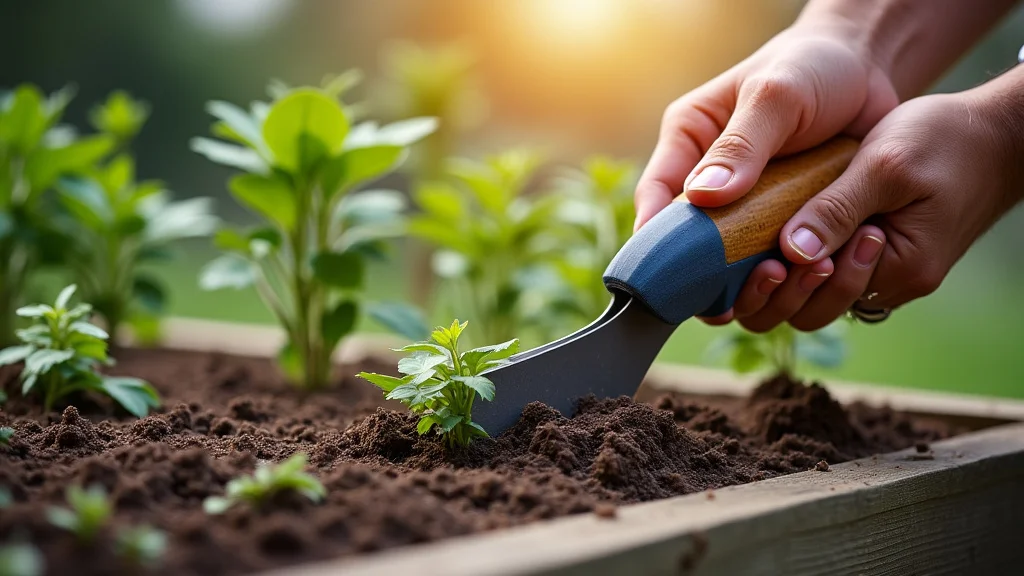
The trowel is your go-to tool for planting small flowers, herbs, or seedlings. Look for a trowel made from stainless steel or a durable composite material to withstand the rigors of gardening. It’s designed to easily scoop and move soil, making it perfect for preparing planting spots or filling pots. Having a good trowel makes the initial planting process much smoother and less tiring.
The hand fork is a versatile tool for various tasks. It helps loosen compacted soil around plants, allowing roots to breathe and grow. Also, it’s excellent for weeding in tight spots and blending in soil amendments. When selecting a hand fork, consider the handle material for comfort and the prongs’ durability for efficient soil work.
Weeders are designed to remove weeds, roots and all, with minimal disturbance to your desired plants. There are several designs, but the best weeders have a narrow, forked head or a V-shaped blade to dig deep and lift the entire weed. This helps prevent regrowth and keeps your garden tidy. Good weeders also have ergonomic handles for comfortable use.
The hand rake prepares the soil surface for planting or seeding. It smooths out clumps, removes small rocks and debris, and creates a level surface. Look for a rake with sturdy tines, spaced appropriately for your garden’s needs. The right hand rake can significantly improve the look and health of your garden beds.
Cutting and Pruning Tools
Keeping plants healthy often involves cutting and pruning. These tools will help you shape your plants, remove dead or diseased branches, and encourage growth. Having the correct cutting and pruning tools is essential for maintaining a tidy, healthy, and productive garden. Bunnings offers a variety of these tools, catering to different plants and gardening styles. Here’s a closer look at the key cutting and pruning equipment you will need.
- Secateurs: Small, handheld shears used for cutting stems and small branches.
- Loppers: Long-handled shears used for cutting larger branches that are too thick for secateurs.
- Hedge Shears: Large shears with long blades used for trimming hedges and shaping shrubs.
- Pruning Saw: A saw with a curved blade used for cutting larger branches that loppers can’t handle.
Secateurs, also called pruning shears, are vital for cutting through stems and small branches. They come in different designs, including bypass and anvil. Bypass secateurs are ideal for cutting live green growth because their blades pass each other, making a clean cut. Anvil secateurs have a single blade that cuts against a flat surface, better suited for dead or dry wood. Quality secateurs will have sharp blades and comfortable grips.
Loppers have longer handles for extra leverage, allowing you to cut through thicker branches with less effort. These are essential for pruning shrubs and small trees. Choose loppers with strong blades and comfortable handles. Consider the cutting capacity, which indicates the maximum diameter of branches the loppers can cut, to ensure they meet your needs.
Hedge shears are designed for quickly trimming hedges and shrubs. They have long blades that make wide, even cuts. When selecting hedge shears, look for comfortable handles and blades that are sharp enough to cut through the foliage efficiently. Regular use of hedge shears helps maintain the shape and health of your hedges, improving their overall appearance.
A pruning saw is used for cutting branches that are too large for loppers. It has a curved blade that makes it easier to cut through wood. Choose a pruning saw with a sharp blade and a comfortable handle. Consider the blade’s tooth design, which can affect the cutting speed and efficiency. Proper pruning with a saw promotes the health of the tree.
Watering Equipment
Providing the right amount of water is key to a thriving garden. Watering equipment ensures your plants receive the water they need for healthy growth. Bunnings provides a range of watering tools, from simple watering cans to advanced sprinkler systems. Let’s explore essential watering tools, helping you keep your plants hydrated efficiently.
- Watering Can: A handheld container with a spout used for watering plants.
- Garden Hose: A flexible tube used for carrying water from a faucet to plants.
- Sprinkler: A device that distributes water over a wide area, mimicking rainfall.
- Watering Wand: A long-handled device with a sprinkler head, perfect for reaching plants.
Watering cans are a garden essential for watering plants by hand, offering a simple way to control water flow. Choose a watering can made from durable materials like plastic or metal, depending on your needs. The size of the can should be comfortable for you to carry. Also, look for a spout that provides a gentle flow or a rose (a sprinkler head) for delicate plants.
A garden hose is vital for watering larger areas and providing ample water. When selecting a hose, consider its length, diameter, and material. Look for a hose made from durable, flexible material that can withstand weather changes and wear. Also, look for features like kink resistance and easy-to-attach fittings. A good-quality hose can make watering tasks much easier.
Sprinklers are a convenient way to water lawns and gardens, distributing water evenly. There are various sprinkler types, including oscillating, rotary, and stationary. Consider the size and shape of your garden when choosing a sprinkler. Also, look for features such as adjustable spray patterns and timers to conserve water. A well-chosen sprinkler ensures your plants get the necessary hydration.
Watering wands are useful for reaching plants at a distance or in hanging baskets. They have a handle with a sprinkler head at the end, providing control over the water flow. Choose a watering wand with an adjustable head to control the water pattern. This tool is perfect for watering plants without getting close and damaging them.
Power Tools for Gardening
Power tools can significantly speed up gardening tasks, making them less labor-intensive. Bunnings offers a range of power tools for various gardening needs, from trimming hedges to tilling soil. While these tools may require more investment, they can save time and effort. Here’s what you need to know about key power tools to improve your gardening experience.
Lawn Mowers
Lawn mowers are crucial for keeping your lawn tidy and healthy. Bunnings offers several types of lawn mowers, each designed for different lawn sizes and user preferences. Selecting the right lawn mower is key to achieving a neat, well-maintained lawn. This will ensure your lawn looks good and reduce effort, time and money.
- Rotary Mower: A popular type of lawn mower that uses a spinning blade to cut grass.
- Cylinder Mower: A type of mower that uses a set of rotating blades to cut grass with a scissor-like action.
- Robot Mower: An automated mower that cuts grass independently.
Rotary mowers are great for cutting most lawns. They are efficient and easy to use. These mowers often come in electric, petrol, or cordless battery-powered models. The choice between them usually depends on the size of your lawn and your preference. Rotary mowers are excellent for regular lawn maintenance.
Cylinder mowers give a very neat and precise cut, often preferred for manicured lawns. They are effective for cutting grass to specific heights. Cylinder mowers need regular maintenance, as the blades must be kept sharp. They are available in both manual and powered versions.
Robot mowers are a modern solution for lawn care, allowing you to have a perfectly cut lawn with minimal effort. They are perfect for small to medium-sized lawns and use sensors to navigate and avoid obstacles. Robot mowers are programmed to cut the lawn on a regular schedule, returning to their charging station automatically.
Trimmers and Edgers
Trimmers and edgers help you maintain the edges of your lawn and shape bushes. Bunnings provides a range of these tools, designed to make your yard more attractive and tidy. These tools are key to finishing the edges of your lawns and hedges and making them look perfect.
- Line Trimmer: A tool with a rotating line or blade used to cut grass and weeds.
- Edger: A tool used to create clean lines along edges of lawns and garden beds.
Line trimmers are essential for trimming grass around obstacles like trees, fences, and garden beds. They can also be used for edging lawns. Line trimmers come in electric, petrol, or cordless battery-powered models. Choosing the right trimmer depends on the size of your yard and your preferences. Line trimmers provide a clean, precise cut.
Edgers give your lawn a neat and professional appearance by trimming the edges. They have a blade that cuts vertically into the ground, defining the boundaries. Edgers can be manual or powered. The right edger will make your lawn look tidy, well-maintained, and visually appealing.
Other Power Tools
Beyond lawn mowers, Bunnings offers a range of other power tools that can make gardening tasks easier. These tools tackle jobs that would otherwise be labor-intensive. From soil preparation to hedge trimming, they enhance your garden’s overall care and appearance.
- Hedge Trimmer: A power tool used for trimming and shaping hedges and shrubs.
- Leaf Blower: A tool used to blow leaves and debris off lawns, driveways, and paths.
- Tiller: A power tool used for preparing soil for planting.
Hedge trimmers are perfect for trimming hedges and bushes. They come in electric, petrol, or cordless battery-powered models. Selecting a hedge trimmer depends on the size of your hedges and your preference for power source. Hedge trimmers make quick work of keeping your hedges looking well-maintained and neat.
Leaf blowers are used to clear fallen leaves and other debris from lawns and pathways. They can be electric, petrol, or cordless battery-powered models. Leaf blowers will clear debris quickly, making garden upkeep easier, especially during the fall. They are time-saving tools that improve your garden’s look and simplify maintenance.
Tillers are designed to break up and aerate the soil, preparing it for planting. They are useful for breaking up compacted soil and mixing in compost and other soil amendments. Tillers can be electric or petrol-powered. They are great for small gardens to large landscaping projects. Tilling is key to creating a healthy foundation for your plants.
Choosing the Right Tools from Gardening Tools Bunnings
Selecting the right gardening tools can depend on factors like your garden size, the type of plants you grow, and your physical abilities. Bunnings is an excellent place to start as it offers a great selection to fit your needs. Knowing what to look for when choosing tools will help you make purchases that enhance your gardening experience. You will ensure you have the correct tools to make your gardening tasks manageable and enjoyable.
Consider Your Garden’s Size and Type
The size and type of your garden are key factors in choosing the right tools. A small urban garden will need different tools than a large rural property. Also, the type of plants you grow and how you maintain them impacts tool selection. Considering these aspects will guide you in choosing tools that match your specific gardening requirements.
- Small Gardens: For small gardens, select tools that are compact and easy to store.
- Large Gardens: For large gardens, you will need tools designed to cover more ground.
- Flower Gardens: For flower gardens, focus on hand tools for delicate work.
- Vegetable Gardens: For vegetable gardens, tools for soil preparation and weeding are important.
For small gardens, you’ll need tools that are lightweight and easy to maneuver. Consider a hand trowel, hand fork, and a small watering can. Look for tools that take up less space. Choose tools made to be easy to use and store, perfect for smaller gardening spaces.
For larger gardens, power tools will make tasks like mowing, trimming, and tilling easier. Consider a lawnmower, line trimmer, and a larger garden hose. Look for tools that can handle more extensive work. Choosing the right power tools will save time and effort when maintaining a large garden.
Flower gardens often need precision. Tools like secateurs, hand trowels, and hand forks are essential for managing plants. Look for tools with sharp blades for clean cuts and comfortable grips for careful tasks. Selecting tools for flower gardening improves their beauty and well-being.
In vegetable gardens, tools that help with soil care and weeding are vital. Consider a tiller, hoe, and weeding tools. Also, think about a watering system to give plants consistent irrigation. Selecting tools that suit your needs will make your vegetable garden successful.
Key Features to Look For
When selecting gardening tools at Bunnings, consider their features for their performance and ease of use. Thinking about factors like material, handle design, and blade sharpness can influence your gardening experience. These features will ensure the tools meet your gardening needs.
- Material: The tool material affects durability and how it performs over time.
- Handle Design: The handle design affects comfort and ease of use.
- Blade Sharpness: Sharp blades provide a clean, efficient cut.
- Weight and Balance: The weight and balance of a tool affect how easy it is to manage.
Look for tools made from durable materials. Stainless steel is resistant to rust, making it a great choice for tools that will be exposed to moisture. Tools made from high-quality steel or durable composites will last longer. Selecting the right material will extend the life of your tools.
Handles play a huge part in how easy tools are to use. Ergonomic handles with comfortable grips prevent hand fatigue during use. Choose handles made from materials like wood or rubber, providing a secure grip. The right handle design makes gardening more enjoyable.
The sharpness of a tool’s blades is crucial for its performance. For cutting tools, a sharp blade ensures clean cuts, which are crucial for plant health. Consider the blade’s material and design when selecting a tool. Keep your tools sharp, and they’ll give you excellent results.
Pay attention to a tool’s weight and how it is balanced. Lightweight tools are easier to use for longer periods. A well-balanced tool reduces strain and makes gardening tasks easier. Selecting tools with appropriate weight and balance will improve overall ease of use.
Understanding Brands and Warranties
Bunnings provides tools from a variety of brands, each offering unique features and quality levels. Knowing these brands and their warranties will help you pick the best tools for your needs. Researching brands and the details of their warranties before making your purchase will make your choice easier.
- Popular Brands: Understanding popular gardening tool brands.
- Warranties: Checking the warranties.
Bunnings offers tools from various brands, each with its strengths. Some popular brands include: Gardena, Ryobi, and Spear & Jackson. Researching the brands will give you an idea of the quality and features you can expect. Knowing these brands will aid you in making a purchase.
Tools with good warranties provide peace of mind and protect your investment. Read the terms of the warranty before buying to understand what is covered and for how long. Warranties often cover manufacturing defects. Checking the warranty is a good idea when buying tools.
Maintenance and Care of Gardening Tools
Taking care of your gardening tools will extend their life and ensure they work efficiently. Regular care prevents rust, keeps blades sharp, and ensures your tools are always ready. This section provides tips on how to properly maintain and store your gardening tools. By following these suggestions, you can maximize the use of your tools.
Cleaning and Sharpening
Cleaning and sharpening your gardening tools are key for their performance and longevity. These tasks prevent problems like rust and make the tools easier to use. With regular cleaning and sharpening, your gardening tools will perform their best.
- Cleaning: Clean tools after each use to remove dirt, sap, and debris.
- Sharpening: Keep blades sharp for efficient cutting and pruning.
Clean your tools after each use to remove any dirt or plant debris. Use water and soap to clean the surfaces. Dry the tools thoroughly to prevent rust. Cleaning your tools after use will help you to maintain them properly and extend their lifespan.
Sharpen blades regularly to ensure they make clean cuts. Use a sharpening stone or a file to sharpen edges. Be sure to follow the manufacturer’s instructions. A sharp tool will make gardening easier, and plants will be healthier.
Storage and Protection
Storing your tools properly is essential for protecting them from weather and damage. Proper storage ensures they are ready for use whenever you need them. Taking care of your tools during storage will maintain them for a long time.
- Storage Location: Store tools in a dry, covered area.
- Rust Prevention: Apply oil to metal parts to prevent rust.
- Proper Handling: Handle tools with care.
Store your tools in a dry, covered spot, like a shed or garage. This protects them from rain and harsh weather. Keeping your tools in a protected area prevents rust and damage. Choosing a good storage location helps keep them ready for use.
Prevent rust by applying oil to the metal parts of your tools. Regular oiling protects metal from moisture. Also, make sure to wipe away excess oil to avoid attracting dirt. Proper storage and protection will keep your tools working well.
Handle your tools with care to avoid damage. Avoid dropping them or leaving them in direct sunlight. Store them safely to prevent any accidents. Keeping your tools well maintained will ensure they last longer and provide great performance.
Frequently Asked Questions
Question: What are the must-have gardening tools for beginners?
Answer: For beginners, a trowel, hand fork, hand rake, secateurs, watering can, and a small garden hose are essential.
Question: How often should I sharpen my pruning shears?
Answer: Sharpen your pruning shears at least twice a year, or whenever you notice the cuts are not as clean as they should be.
Question: What is the best way to clean rusty gardening tools?
Answer: Use a wire brush to remove rust, then clean with soap and water, dry thoroughly, and apply oil to prevent future rusting.
Question: How do I choose the right size of garden hose?
Answer: Choose a hose length that reaches all areas of your garden, with a diameter of at least 5/8 inch for good water flow.
Question: Which gardening tools are best for weeding?
Answer: A hand fork, a weeder, and a hand trowel are great for weeding, depending on the weed type and location.
Final Thoughts
Equipping yourself with the correct gardening tools Bunnings can significantly improve your gardening experience. From basic hand tools like trowels and secateurs to power tools such as lawnmowers and hedge trimmers, Bunnings provides a wide selection to suit your needs. Remember to consider your garden’s size and the types of plants you cultivate when making your choices. Pay attention to essential features like material, handle design, and blade sharpness to ensure you select high-quality, durable tools. Also, understanding the available brands, reading warranties, and taking good care of your tools with regular cleaning, sharpening, and proper storage practices will help extend their life. With the right tools and a bit of care, you’ll be able to create and maintain a beautiful and thriving garden. So, go ahead and explore the gardening tools Bunnings offers, and get ready to transform your garden space!