
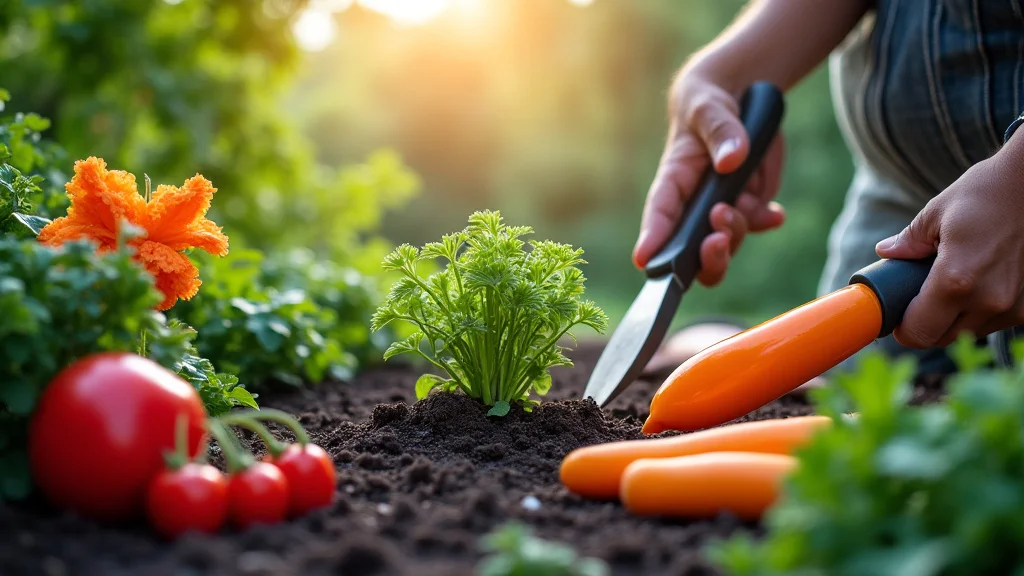
Remember that time your tomato plant went wild, and you needed to clear some space? You likely fumbled around with whatever hand tools you had, right? It was hard work, and maybe even a little frustrating. Imagine a tool that could make that job – and many others – significantly easier and more enjoyable! That’s where the gardening tools bolo comes in. This guide will show you exactly what a gardening tools bolo is, how to use it safely, and the many ways it can help you get the most out of your garden. You’ll learn the best types for different tasks, improving your gardening skills, and finding the right one for your garden. This post will give you the knowledge to choose and use a bolo, so you can increase your productivity and enjoy your time tending your garden.
Key Takeaways
- Learn the different types of gardening bolos and their specific uses.
- Discover the benefits of using a bolo for various gardening tasks.
- Understand the features to consider when choosing a gardening bolo.
- Find out how to safely and effectively use a bolo.
- Get tips on maintaining and sharpening your bolo for long-lasting performance.
Understanding Gardening Tools Bolo and Their Purpose
The term “bolo” comes from the Filipino word for a single-edged, machete-like tool. Originally used in agriculture, the bolo has found its place in gardens, too. These gardening tools are designed for tough tasks, like clearing brush, cutting through thick weeds, and even shaping hedges. Think of it as a heavy-duty gardening tool made for more than just delicate trimming. Its robust design allows gardeners to tackle tasks that would be difficult or impossible with smaller hand tools. Using a bolo can also improve the speed and effectiveness of garden work.
Types of Gardening Bolos
There isn’t a single “type” of bolo; rather, there are variations on the design, each suited to different jobs. The blade’s shape, size, and even the handle material will vary. Choosing the right bolo is essential for getting the job done safely and effectively. Consider the kinds of plants and the types of gardening tasks you’ll be performing.
- Brush Clearing Bolos: These typically have long, curved blades. They’re excellent for cutting through thick weeds, small branches, and dense undergrowth. The curve helps the blade slice through material with a single swing.
- Pruning Bolos: Pruning bolos often have shorter, more controlled blades. These are great for trimming branches, shaping hedges, and making precise cuts. They are a good choice when you want greater control over the cutting process, like when working on ornamental shrubs.
- Multi-Purpose Bolos: Some bolos are designed to be a jack-of-all-trades. They may feature a combination of blade shapes or a balance between weight and control. These are helpful for gardeners who want a single tool for a variety of tasks.
Brush-clearing bolos often have heavier blades, providing the necessary weight to make clean cuts. They are helpful for clearing invasive plants like kudzu and other overgrown areas. The long blade offers reach, which reduces the need to bend over or stoop while working. Look for a strong handle that provides a firm grip. It’s helpful to be able to swing with control, avoiding accidental cuts or injuries.
These bolos are commonly used for tasks like removing dead or diseased branches. Pruning bolos usually have a sharper edge for cleaner cuts, promoting healthy growth. They are also useful for removing suckers and small branches that grow at the base of trees or shrubs. Choose a handle that is comfortable for prolonged use, since pruning often involves more detailed work.
Multi-purpose bolos may have a slightly curved blade for clearing and a straight edge for pruning. They offer flexibility for various garden projects. Consider the different tasks you do regularly and select a multi-purpose bolo that addresses the most common needs. Choosing a versatile bolo is helpful, especially if you have limited storage space or prefer a minimal toolkit.
Key Features of Gardening Tools Bolo
When selecting a bolo, several key features should guide your decision. The blade material affects durability and sharpness. The handle affects comfort and safety. Paying attention to these elements will help you select the best gardening tools bolo for your needs.
- Blade Material: The blade is the heart of the bolo. High-carbon steel is a popular choice for its durability and ability to hold a sharp edge. Stainless steel offers rust resistance. The material choice influences how well the blade cuts and how long it lasts.
- Blade Shape: Blade shape determines how the tool cuts. A curved blade is better for clearing brush, while a straighter blade is better for precision cuts. The shape should align with the tasks you perform most often in your garden.
- Handle Design: The handle is a key safety feature. A comfortable handle will improve your grip and reduce fatigue. It should be made of a durable material that can withstand the rigors of gardening.
High-carbon steel needs regular sharpening but is often preferred for its superior cutting performance. Stainless steel resists rust and is easier to maintain but may not hold an edge as well. Consider your climate and the amount of maintenance you’re willing to do when selecting the blade material.
The curve of the blade affects the angle of the cut. A good curve helps with a slicing action, making cutting easier. A straighter blade helps with detailed work, like trimming and shaping. Think about your main gardening needs when considering blade shape.
Look for handles made from materials like wood or synthetic rubber. The handle should have a good grip, even when wet. It is also helpful to consider the ergonomics of the handle. A handle that fits comfortably in your hand is crucial for both control and safety.
Using Gardening Tools Bolo Safely and Effectively
Using a gardening bolo safely and effectively is crucial. This involves proper technique, protective gear, and an awareness of the surrounding environment. Taking these precautions will help you get the most from your bolo while reducing the risk of accidents.
Safe Handling Techniques
Using a bolo involves mastering a few key techniques. Start with proper stance and grip. Then learn to swing safely and accurately. Never swing towards yourself or other people. Clear your work area of obstructions before you begin.
- Stance: Stand with your feet shoulder-width apart, slightly bent at the knees. This provides a stable base and allows you to move freely. Proper posture ensures you can control your swings and reduce fatigue.
- Grip: Hold the handle with a firm but relaxed grip. Use both hands for more power and control, with one hand near the blade for guidance. Your grip should be firm enough to prevent the bolo from slipping but relaxed enough to avoid hand fatigue.
- Swinging: Swing the bolo in a controlled arc, using your whole body, not just your arms. Start with a backswing and then bring the blade down in a smooth motion. Practice your swing in a clear space to develop proper technique.
Maintaining a stable stance is key to your safety. Keep your weight balanced so you can react quickly if you lose your balance. Always be mindful of your footing, especially on uneven ground.
A good grip keeps the bolo in your control during the swing. Test your grip by swinging the bolo gently before you start working. Make adjustments as needed to ensure the handle fits your hand comfortably.
Focus on using your core muscles to generate power. Swinging with a controlled motion will improve your accuracy and efficiency. Keep your eyes on your target and maintain a safe distance from your body and any bystanders.
Protective Gear and Environment
Wearing protective gear and being aware of your surroundings are essential for safe bolo use. The gear will protect you from potential hazards like flying debris and accidental cuts. The surrounding environment can also affect your safety.
- Eye Protection: Always wear safety glasses or goggles. This protects your eyes from flying debris such as wood chips and small stones. Choose eyewear that fits well and offers good coverage.
- Gloves: Wear sturdy gloves to protect your hands from blisters and cuts. Choose gloves that fit well and provide a good grip on the handle. Gloves can also help absorb some of the shock from the swing.
- Footwear: Wear sturdy, closed-toe shoes or boots. This provides protection from falling branches, sharp objects, and injuries. Consider boots with ankle support if you are working on uneven terrain.
Even small pieces of material can cause serious eye injuries. Regular glasses may not provide adequate protection. Invest in safety glasses or goggles that meet industry standards for impact resistance.
Gloves improve your grip and increase your comfort. Make sure the gloves you choose fit properly, and are made of a durable material, like leather or synthetic materials. This will help protect your hands from abrasion, cuts, and splinters.
Closed-toe footwear will protect your feet from potential hazards. Wear shoes or boots that provide good traction to prevent slips and falls. Consider safety boots if you are working in areas with heavy debris or potential impact hazards.
Maintenance and Care for Your Gardening Tools Bolo
Regular maintenance ensures your gardening tools bolo performs at its best for years to come. This involves cleaning the blade, sharpening it regularly, and storing the tool properly. Proper care is essential for both your safety and the longevity of your bolo.
Cleaning and Sharpening
Keeping your bolo clean and sharp is essential for safe and effective use. Regular cleaning will remove debris and prevent rust. Sharpening the blade will ensure it cuts smoothly and requires less effort. These two maintenance steps are essential.
- Cleaning: After each use, wipe the blade clean with a cloth to remove sap, dirt, and plant residue. Use water and mild soap if necessary. Ensure the blade is completely dry before storage to prevent rust.
- Sharpening: Sharpen the blade regularly using a file or whetstone. Follow the angle of the blade, and maintain a consistent angle to ensure a sharp edge. A sharp blade is safer because it requires less force to cut.
- Storage: Store the bolo in a dry place. Consider using a sheath or blade cover for safety. Store the tool out of reach of children and pets.
Clean your bolo regularly to keep it free of debris. Any build-up on the blade reduces its effectiveness and can make it difficult to use safely. Use a brush or scraper to remove stubborn debris. Ensure the blade is thoroughly dry before putting it away.
A dull blade requires more force to cut and is more likely to slip. Sharpen the blade frequently, following the manufacturer’s recommendations. Use a file or whetstone designed for this purpose. Always wear safety glasses while sharpening.
Proper storage is important for your safety and the life of your bolo. A sheath protects the blade, preventing accidental cuts. Keep the bolo in a secure location, out of reach of children and animals. Store it in a dry location to avoid rust.
Long-Term Care and Preservation
Long-term care involves protecting the blade from rust and maintaining the handle. Regular inspections and proper storage can extend the life of your gardening tools bolo for many years. Preventative measures will ensure that the bolo remains in good working order.
- Rust Prevention: Apply a light coat of oil to the blade to prevent rust. Use a rust inhibitor or a specialized blade oil. Check for rust regularly, and address it promptly.
- Handle Care: Check the handle for cracks or damage. Tighten any loose screws. If the handle is made of wood, apply a wood sealant or oil to protect it from the elements.
- Professional Service: Consider having your bolo professionally sharpened or serviced periodically. This is especially helpful if you’re unsure how to sharpen the blade properly. A professional can also identify and fix any wear and tear.
Rust can damage the blade and reduce its cutting performance. Apply a thin layer of oil to the blade after cleaning and drying. Regularly check the blade for any signs of rust and treat it promptly to prevent further damage.
A damaged handle can be unsafe. Regularly inspect the handle and take action to repair or replace it. This can prevent injuries and extend the tool’s lifespan. Wooden handles may require periodic oiling or sealing to prevent cracking.
Professional services can ensure your bolo remains in excellent condition. A professional will use the correct tools and techniques for sharpening. They can also identify issues you may have missed, like small cracks in the blade. Having your bolo serviced will save time and ensure the tool is used safely.
Frequently Asked Questions
Question: What is a bolo used for?
Answer: A bolo is used for heavy-duty gardening tasks like clearing brush, cutting through thick weeds, pruning branches, and shaping hedges.
Question: Is a bolo dangerous?
Answer: Yes, a bolo can be dangerous if not handled properly. Always wear protective gear, use proper techniques, and be aware of your surroundings.
Question: How do I sharpen a bolo?
Answer: You can sharpen a bolo using a file or whetstone, following the blade’s angle to maintain a sharp edge.
Question: What is the best material for a bolo blade?
Answer: High-carbon steel is popular for its durability and ability to hold a sharp edge. Stainless steel offers rust resistance.
Question: How do I choose the right size bolo?
Answer: Consider the types of tasks you’ll be performing. A longer blade is better for clearing brush, while a shorter blade is better for pruning.
Final Thoughts
The gardening tools bolo is a valuable tool for any gardener looking to tackle tough tasks efficiently. From clearing unwanted growth to shaping your favorite plants, a bolo helps make those garden jobs easier. By selecting the right type, understanding safe handling practices, and maintaining your bolo correctly, you can dramatically improve the way you work in your garden. The ability to clear brush and shape plants quickly and effectively will give you more time to enjoy the beauty of your garden. Take the time to understand the different types available, and pick the one that best suits your needs. Then, learn how to use it safely and give it the care it deserves. By taking these steps, you’ll find that a bolo is a powerful ally in the garden.