
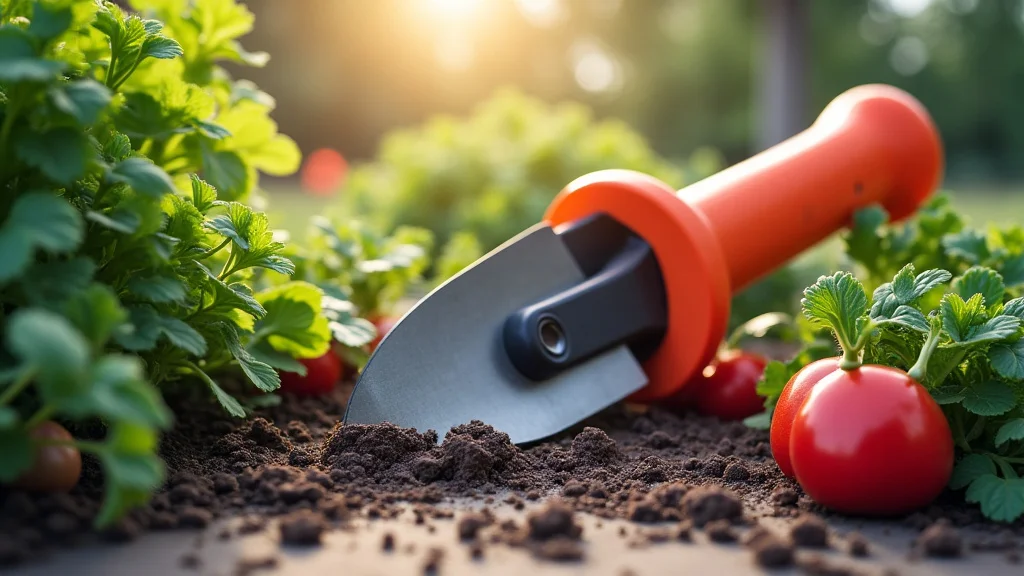
The other day, I was trying to plant some herbs in my backyard, and let me tell you, it was a mess. My tiny trowel felt completely inadequate for the job, and I spent what felt like hours wrestling with stubborn weeds. It made me realize I really needed some better gardening tools. It made me think about visiting Home Depot. This guide will walk you through everything you need to know about the best gardening tools available at Home Depot, helping you get your garden thriving. You’ll learn about essential tools, how to choose the right ones, and how to maintain them, ensuring your gardening experience is enjoyable and successful. By the end, you’ll be well-equipped to create a beautiful and productive garden, no matter your experience level.
Key Takeaways
- Discover the essential gardening tools available at Home Depot for various gardening tasks.
- Learn how to choose the right gardening tools based on your needs and budget.
- Understand the different materials used in gardening tools and their benefits.
- Find out how to properly care for and maintain your gardening tools for longevity.
- Explore Home Depot’s selection of tools and brands, and compare them.
- Gain confidence in selecting and using tools to make gardening easier and more enjoyable.
Essential Gardening Tools at Home Depot
Embarking on a gardening project can be incredibly satisfying, but having the right tools is essential for success. Without the proper equipment, even the simplest tasks can become unnecessarily difficult and time-consuming. Home Depot offers a vast selection of gardening tools suitable for all types of gardeners, from beginners to seasoned professionals. This section explores some of the most critical tools you’ll need, detailing their purpose, features, and what to look for when making your selections.
Hand Tools for Basic Gardening
Hand tools are the foundation of any gardener’s toolkit. They provide the precision needed for smaller tasks and are ideal for working in tight spaces. Home Depot carries a wide variety of hand tools made from different materials, each offering its own set of advantages. Selecting the right hand tools will significantly improve your efficiency and overall gardening experience. The following is a look at some essential hand tools available at Home Depot.
- Trowel: A small, handheld tool used for digging, planting, and transplanting seedlings. Trowels come in various sizes and materials, such as stainless steel, which is rust-resistant.
- Hand Rake: Used for smoothing soil, removing debris, and leveling the ground before planting. Rakes typically have metal or plastic tines.
- Hand Fork: Excellent for cultivating soil, aerating, and mixing compost into the earth.
- Weeder: Designed for removing weeds from the garden bed.
The trowel is a cornerstone of any gardener’s basic kit. Its primary function is to dig small holes for planting seeds or seedlings and to assist in transplanting plants from one location to another. The best trowels are those with a comfortable handle and a sturdy blade, often made from stainless steel or carbon steel, to withstand the rigors of digging in various soil types. A good trowel makes the precise work of planting much easier, allowing gardeners to work with accuracy and less strain.
Hand rakes are indispensable for soil preparation and general garden upkeep. They are used to smooth out the soil surface, break up small clumps, and remove any lingering debris such as dead leaves or small rocks. The size and material of the tines determine the rake’s effectiveness. Rakes with flexible tines are beneficial for light tasks, while rakes with sturdier tines are preferred for heavier work, such as leveling compacted soil or spreading mulch. The right hand rake significantly streamlines the process of preparing your garden for planting.
The hand fork is an ideal tool for turning over the soil in small areas and blending in soil amendments like compost or fertilizer. They are invaluable for loosening the soil around existing plants, which promotes aeration and root development. They usually have three or four sturdy tines, capable of breaking up compacted earth. The hand fork is also very useful for removing weeds at the roots. Choosing a durable hand fork with an ergonomic handle ensures that gardening tasks are less strenuous and more effective.
Weeders are specifically made to tackle unwanted plants. Various types of weeders are available at Home Depot, including those with forked tips for extracting weeds from the base of the plant and those with a sharp blade for slicing through roots. Effective weeders often have a comfortable handle for leverage and a robust blade or head made of durable metal. Regular use of a weeder is crucial for maintaining a healthy garden, as it prevents weeds from competing with desirable plants for nutrients and sunlight. Keeping your garden free from weeds enhances its beauty and productivity.
Cutting Tools
Cutting tools are essential for pruning, trimming, and harvesting in the garden. They help maintain plant health and shape and also facilitate the collection of produce. Home Depot stocks a variety of cutting tools, ranging from basic pruning shears to more specialized tools like loppers and saws. Knowing which tools to use for each task makes a big difference in the efficiency and outcome of your gardening efforts. Here’s a look at the various cutting tools available.
- Pruning Shears: Used for cutting stems and branches.
- Loppers: Used for cutting thicker branches.
- Hedge Shears: Ideal for trimming hedges and shaping bushes.
- Pruning Saw: Used for cutting larger branches that loppers cannot handle.
Pruning shears, also known as hand pruners, are designed for making clean cuts on stems and small branches. They are vital for trimming dead or overgrown growth, shaping plants, and promoting healthy growth by improving air circulation and light penetration. The best pruning shears have sharp blades that can cut through stems cleanly without crushing them. They usually come in two main types: bypass pruners, which provide a clean cut by slicing past the branch, and anvil pruners, which have a single blade that presses against a flat surface. Pruning shears are an essential tool for maintaining the health and appearance of shrubs, bushes, and smaller trees.
Loppers are long-handled pruning tools designed for cutting thicker branches that pruning shears cannot handle. They provide increased leverage, allowing you to cut through branches with greater ease and less physical strain. Loppers come in both bypass and anvil styles, and the best loppers feature sharp blades and durable construction. They are essential for pruning larger shrubs and small trees. Loppers allow you to shape your plants effectively and efficiently.
Hedge shears are long-bladed tools specifically designed for trimming and shaping hedges, creating a tidy, uniform appearance. They are usually available with straight or wavy blades, with the straight blades being suitable for general trimming and the wavy blades offering better grip and cutting power. Hedge shears are an ideal choice for maintaining the shape and size of hedges, ensuring they remain neat and functional within the garden landscape. Proper care and sharpening of hedge shears extend their lifespan and ensure effective and clean cuts.
Pruning saws are indispensable for cutting branches that are too large for loppers. The blade of a pruning saw is curved, allowing for easier access to branches that are difficult to reach. Pruning saws are available in various styles, including folding saws for ease of storage and fixed-blade saws for maximum cutting strength. Sharp teeth, often with a curved blade, make it easier to cut through wood. Pruning saws are essential tools for maintaining the health and aesthetics of larger shrubs and trees.
Watering Equipment
Proper watering is critical for the health and vitality of your plants. Home Depot offers a variety of watering tools to ensure that your plants receive the right amount of water. From hoses and sprinklers to watering cans and drip irrigation systems, this section explores different options available.
- Hoses: Used for delivering water to plants.
- Watering Cans: Portable devices for watering plants.
- Sprinklers: Used for watering larger areas.
- Drip Irrigation Systems: Efficient for delivering water directly to plant roots.
Garden hoses are a staple in any gardener’s toolkit, designed to transport water from the water source to your plants. They are available in various lengths, materials, and diameters. When selecting a hose at Home Depot, consider the following things. Rubber hoses are durable and can withstand hot and cold temperatures, while vinyl hoses are lighter and more flexible but tend to kink more easily. The diameter of the hose affects water flow, with larger diameters delivering more water. Hoses can be paired with nozzles, sprinklers, and other attachments for customized watering. A quality garden hose is an investment that makes watering your garden easier and more efficient.
Watering cans are an essential tool for watering plants, especially in smaller gardens or for containers and raised beds. They provide a precise and controlled way to water plants, ensuring that the water reaches the root zone. Watering cans come in various sizes and materials, including plastic and metal. The spout of a watering can is designed for a gentle flow, which is ideal for avoiding soil erosion and protecting delicate plants. Watering cans are perfect for spot-watering specific plants, and are great for watering patios, small balconies, or any space where a hose might be impractical. Selecting a watering can is simple. Consider the size of your garden and the physical demands of carrying a full can.
Sprinklers are the go-to choice for watering larger areas of a garden or lawn. Home Depot provides a wide selection of sprinklers, including oscillating, rotary, and stationary sprinklers, allowing gardeners to choose the best option based on their needs and the size and layout of their garden. Oscillating sprinklers are useful for rectangular areas, while rotary sprinklers are suitable for circular coverage. Sprinklers with adjustable settings allow you to control the spray distance, angle, and water distribution. Sprinklers are an efficient way to provide uniform watering, ensuring that every plant receives the necessary moisture for growth and health.
Drip irrigation systems are an efficient and water-saving method for delivering water directly to the root zone of plants. These systems use a network of tubes and emitters to slowly drip water onto the soil, minimizing water waste and reducing the risk of fungal diseases. At Home Depot, you can find complete drip irrigation kits as well as individual components, such as tubing, emitters, and connectors, allowing you to customize your system. Drip irrigation is especially useful for vegetable gardens, raised beds, and areas with limited water access, making it a great way to conserve water and promote healthy plant growth.
Choosing the Right Gardening Tools
Choosing the right gardening tools at Home Depot is a crucial step for setting up your garden for success. With a wide range of options available, taking the time to consider your needs, the types of plants you plan to grow, and the size of your garden can help you select the most suitable tools. This section provides guidance on how to evaluate your needs, select tools based on material and build quality, and assess your budget to ensure you make the right choices.
Assessing Your Gardening Needs
Before buying any gardening tools, it’s essential to assess your specific needs. Understanding your gardening style, the size of your garden, and the types of plants you plan to grow will help you determine the tools necessary. This will help you avoid unnecessary purchases and ensure you have the right tools for the job.
- Type of Garden: Consider whether you have a small patio garden, a large vegetable patch, or a flower bed.
- Plant Types: Determine which tools are best suited for the plants you intend to grow.
- Size of Garden: The size of your garden determines the scale of the tools you will need.
Your gardening needs will vary depending on the type of garden you have. For a small patio garden with potted plants, you might only need a few hand tools like a trowel, hand fork, and a watering can. A large vegetable patch, on the other hand, will require tools such as a garden fork, hoe, and possibly a wheelbarrow or garden cart to move soil and compost. Flower beds might require a range of tools, including pruning shears for deadheading flowers and shaping plants, and potentially a soil knife for weeding. Assessing the type of garden will guide you in selecting the right tools to make your gardening tasks easier.
The types of plants you grow will affect the tools you need. For example, if you are growing vegetables, you’ll need tools such as a hoe for weeding and a garden fork for turning the soil. If you are growing shrubs and trees, you’ll need pruning shears, loppers, and possibly a pruning saw for maintaining their shape and health. For planting seeds and seedlings, you’ll need a trowel and possibly a dibber. Considering the specific needs of your plants helps you select the tools that will enhance their growth and your overall gardening experience.
The size of your garden is important when it comes to deciding what gardening tools to purchase. A small garden may only need a few hand tools, while a larger garden might require larger tools such as a garden fork, spade, and wheelbarrow. For larger gardens, consider investing in power tools such as a tiller or a lawnmower to make tasks like soil preparation and lawn maintenance easier. Carefully consider the size of your garden when selecting your tools so you can work efficiently and effectively.
Material and Build Quality
The materials and build quality of gardening tools greatly impact their durability, ease of use, and overall performance. At Home Depot, you’ll find tools made from various materials, each with its own advantages and disadvantages. Understanding the differences between these materials helps you choose tools that will last, making your gardening experience more satisfying.
- Metal: Stainless steel, carbon steel, and other alloys offer durability.
- Wood: Wooden handles offer a comfortable grip.
- Plastic: Lightweight and often used for handles and smaller parts.
Metal tools are often selected for their strength and longevity. Stainless steel is known for its rust resistance, making it an excellent choice for tools that will be exposed to water and soil. Carbon steel is another popular option, offering good durability, but it may require more maintenance to prevent rust. High-quality metal tools are often used in the blade or working parts of tools, such as the heads of shovels, trowels, and pruning shears. The metal parts provide the necessary strength and sharp edges required for effective gardening tasks. The weight and balance of metal tools contribute to the ease of use and reduce strain during prolonged use.
Wooden handles, typically made from hardwood such as ash or hickory, are used on many gardening tools because they are naturally shock-absorbing and provide a comfortable grip. They are ergonomically designed to fit comfortably in your hand, reducing fatigue during long hours of gardening. Wooden handles can also provide a classic aesthetic to your gardening tools. While wooden handles offer comfort, they may require regular maintenance to prevent splintering or damage from weather exposure. Maintaining wooden handles means regular cleaning, oiling, and storage to ensure their longevity. Choosing tools with quality wooden handles is an excellent way to balance comfort and durability, making your gardening activities a pleasure.
Plastic is a common material used in gardening tools, especially for handles, pots, and some small tool parts. Plastic is lightweight, affordable, and resistant to rust. It can be molded into various shapes and designs, offering ergonomic grips and innovative tool features. While plastic tools are inexpensive, they are also prone to cracking or breaking under heavy use or exposure to extreme temperatures. Choosing high-quality, reinforced plastic tools improves their durability. Always evaluate the tool’s intended use and the quality of the plastic material before purchasing. Properly caring for plastic tools, such as storing them indoors when not in use, extends their lifespan.
Budget Considerations
Setting a budget is an important step when buying gardening tools. The price range of tools at Home Depot can vary widely, from a few dollars for a small hand trowel to hundreds of dollars for power tools. Understanding your budget helps you make informed choices, avoid overspending, and ensures you get the tools that meet your needs.
- Tool Costs: Consider the price of each tool and factor in the overall cost of your essential toolkit.
- Value vs. Price: Evaluate whether the price reflects the tool’s durability and features.
- Long-Term Investment: Determine if spending more on quality tools is a smart move.
When creating your budget, determine how much you are prepared to spend on individual tools and your overall tool collection. Prices for gardening tools at Home Depot can range greatly. For example, a basic hand trowel might cost only a few dollars, while a professional-grade pruning saw can cost significantly more. Before visiting Home Depot, research the tools you need and compare prices from different brands. Prioritize the essential tools first, such as a trowel, hand rake, and pruning shears, and then allocate the remaining budget for additional tools. Remember that investing in better quality tools may save you money in the long term because of their increased durability.
Don’t always assume that the most expensive tool is the best. Consider the tool’s build quality, the materials used, and the included features to assess its value. Look for tools that have high-quality materials, such as stainless steel blades, ergonomic handles, and durable construction, as these will likely last longer and offer a better performance than cheaper alternatives. Consider reading customer reviews and comparing different brands and models before making a purchase. Evaluating value versus price means you can make better choices for tools that meet your needs, last longer, and give you better value for your money.
Thinking about the long-term investment aspects of purchasing gardening tools involves weighing initial costs against the benefits of durable, high-quality tools that last for years. While better-quality tools often come with a higher upfront price, they are likely to provide superior performance and require fewer
Maintaining and Caring for Your Gardening Tools
Taking care of your gardening tools is crucial for extending their lifespan and ensuring they perform at their best season after season. Regular maintenance prevents rust, keeps blades sharp, and ensures that your tools are ready whenever you need them. This section provides valuable advice on cleaning, sharpening, and storing your gardening tools so you can ensure they remain in top condition.
Cleaning Your Gardening Tools
Regularly cleaning your gardening tools is the first step toward maintaining their functionality and appearance. Soil, plant debris, and moisture can cause tools to rust and become less effective. Here’s a look at how to clean your tools to keep them at their best.
- Removing Soil and Debris: Clean tools after each use to remove soil, mud, and plant debris.
- Cleaning Methods: Scrub tools with soapy water, then rinse and dry them thoroughly.
- Rust Removal: Address rust with tools like sandpaper or wire brushes.
Clean your tools after each use to remove any dirt, mud, and plant debris that can accumulate and lead to rust. First, rinse the tools with water to loosen the bulk of the soil. Use a brush or putty knife to scrape off any stubborn soil or debris. Always wipe the tools dry with a clean cloth. By taking the time to remove these materials after each use, you can prevent corrosion and extend the life of your tools.
Use soapy water to clean your tools. Start by filling a bucket with warm water and adding a small amount of dish soap. Use a stiff brush or a steel wool pad to scrub the blades and other parts of the tools to remove any remaining grime. Rinse the tools with clean water and dry them completely with a clean cloth before storing them. Be sure to check that all the moving parts and joints are also completely dry to prevent rust. Cleaning your tools after each use will keep them working efficiently and maintain their condition.
Rust is a major concern when it comes to garden tools because it can seriously degrade the tools. For rust removal, start by removing loose rust with a wire brush or sandpaper. For more extensive rust, consider using a rust-removing product or vinegar soak. After removing the rust, rinse the tool and dry it thoroughly. Applying a layer of oil or a protectant coating, such as WD-40, can prevent future rust formation. Regularly addressing rust keeps your tools in good working order.
Sharpening and Lubrication
Keeping your gardening tools sharp and well-lubricated is essential for efficient and effective gardening. Sharp blades cut through stems and branches cleanly, and lubrication keeps moving parts working smoothly. Here’s what you need to know about sharpening and lubricating your tools.
- Sharpening Blades: Sharpen blades regularly using a file or whetstone.
- Lubricating Moving Parts: Lubricate hinges and moving parts with oil.
- Maintenance Frequency: How often you sharpen and lubricate depends on how often you use them.
Regularly sharpening the blades of your cutting tools ensures clean cuts, which promotes the health of your plants and makes your gardening work easier. Use a file or whetstone designed for sharpening blades to sharpen your cutting tools. Hold the file at the correct angle. Follow the original bevel of the blade and sharpen the edge until it is sharp and smooth. When you’re finished, wipe the blade clean with a cloth to remove any metal filings, and give the blade a light coating of oil to prevent rust and improve cutting performance.
Lubricating the hinges and moving parts of your tools, such as loppers and pruning shears, keeps them working smoothly and efficiently. Use a penetrating oil or a lubricant designed for outdoor equipment. Apply the lubricant to the hinges and moving parts, working it in to ensure thorough coverage. This will reduce friction, prevent rust, and improve the overall performance of your tools. Regular lubrication ensures the tools are ready to perform tasks whenever needed.
How often you sharpen and lubricate your tools depends on how frequently you use them. Lightly used tools may only need maintenance once or twice a year. Tools used more often might need more frequent maintenance, possibly every few weeks or even after each use. Watch for signs of wear and tear, such as dull blades or stiff movement, which can indicate that it’s time for maintenance. Regularly inspecting and maintaining your tools is an investment that ensures they continue to perform well and makes gardening a more pleasant experience.
Proper Storage
Storing your gardening tools properly protects them from the elements and keeps them in good condition for the next gardening season. Proper storage prevents rust, corrosion, and damage. Here’s how you can best store your tools.
- Dry Environment: Store tools in a dry environment to avoid rust.
- Hanging Tools: Hang tools or store them in a way that minimizes contact with the ground.
- Seasonal Storage: Prepare tools for seasonal storage by cleaning, sharpening, and lubricating.
Storing your tools in a dry environment is the most important step in protecting them from rust. Moisture is the number one enemy of metal tools, so storing them where they won’t be exposed to rain, snow, or humidity is critical. Garages, sheds, or tool cabinets are excellent choices. If you need to store tools outside, consider using a weatherproof storage box. By storing your tools in a dry place, you’ll extend their life and make sure they are always ready for use.
When storing your tools, try to hang them on a pegboard or tool rack. Hanging your tools keeps them off the ground and prevents them from coming into contact with moisture, which can cause rust. Store tools in a manner that protects the blades and other working parts from damage. Proper storage not only protects your tools but also helps you organize them, making it easy to find the tool you need when you need it.
Preparing your gardening tools for seasonal storage helps to ensure they’re ready for the next gardening season. Before putting your tools away for the season, clean off any dirt or debris, sharpen the blades, and lubricate the moving parts. This includes sharpening pruning shears, loppers, and other cutting tools. By taking these extra steps to properly prepare your tools for storage, you can be sure that they’re in top condition when you’re ready to start gardening again. This proactive approach will help keep your tools in excellent condition for years to come.
Gardening Tools at Home Depot: A Comparison
Home Depot provides a wide selection of gardening tools from numerous brands, with each brand offering unique features and price points. Understanding the differences between these brands is essential for making an informed decision. Here’s a closer look at a couple of brands that Home Depot carries.
Home Depot Tool Brands
Home Depot carries many brands, but these are a few of the most popular.
- Home Depot’s Husky Brand: Husky offers a range of gardening tools designed for both the casual and serious gardener. Their tools are known for being reasonably priced.
- Fiskars Tools: Fiskars offers high-quality tools with a focus on ergonomics and innovation.
The Husky brand, exclusive to Home Depot, provides a variety of gardening tools tailored for both novice and skilled gardeners. Their product range includes hand tools, pruning tools, and watering equipment, all typically designed for ease of use and durability. What sets Husky apart is its affordability, making their tools a good value for your money. Husky’s product line includes practical options to get the job done at a reasonable price, providing the necessary tools to care for your garden without breaking the bank.
Fiskars is a well-regarded brand known for its high-quality, innovative, and ergonomic designs. Fiskars tools are known for their comfortable grips, durable construction, and sharp blades, which make gardening tasks easier and more efficient. Fiskars is particularly well known for its cutting tools, such as pruning shears, loppers, and axes. Their products are designed to stand up to the rigors of frequent use, making them a great choice for any gardener. For gardeners who value ergonomics and performance, Fiskars tools are a top pick.
Pricing and Features Comparison
Comparing the pricing and features of different tools from various brands will help you select the most suitable tools for your needs and budget. Here is a simple comparison to help you in your selection.
| Feature | Husky | Fiskars |
|---|---|---|
| Price Range | Generally lower | Mid-range to higher |
| Tool Quality | Good, reliable | Excellent, focused on performance and comfort |
| Ergonomics | Comfortable handles | Ergonomically designed for ease of use |
| Durability | Durable for general use | Long-lasting |
| Product Range | Extensive range of basic tools | Specialized tools, premium cutting tools |
Frequently Asked Questions
Question: What are the essential gardening tools for beginners?
Answer: For beginners, essential tools include a trowel, hand rake, hand fork, pruning shears, a watering can, and a pair of gardening gloves.
Question: How do I prevent rust on my gardening tools?
Answer: Prevent rust by cleaning tools after each use, drying them thoroughly, and storing them in a dry place. You can also apply oil or a protectant coating.
Question: How often should I sharpen my pruning shears?
Answer: Sharpen your pruning shears whenever the blades feel dull or if they start to crush stems rather than making clean cuts. This could be multiple times a year, depending on use.
Question: Are battery-powered gardening tools available at Home Depot?
Answer: Yes, Home Depot offers a variety of battery-powered gardening tools, including trimmers, blowers, and lawnmowers, from brands like Ryobi and DeWalt.
Question: How do I choose the right size watering can?
Answer: Select a watering can size based on the size of your garden and the physical effort you can handle. A smaller can is suitable for patios and balconies, while a larger can is good for larger spaces.
Final Thoughts
Choosing the right gardening tools at Home Depot is an investment in your gardening success and enjoyment. By carefully assessing your gardening needs and selecting tools made from quality materials, you set yourself up for ease and efficiency. Understanding the different types of tools available, from essential hand tools to cutting and watering equipment, empowers you to make informed decisions. Proper maintenance, including cleaning, sharpening, and storing your tools, extends their lifespan and keeps them performing at their best. With the wide selection of tools and brands available at Home Depot, you’ll be well-equipped to create and maintain the garden of your dreams. Now go out there, explore Home Depot’s selection, and get planting!