
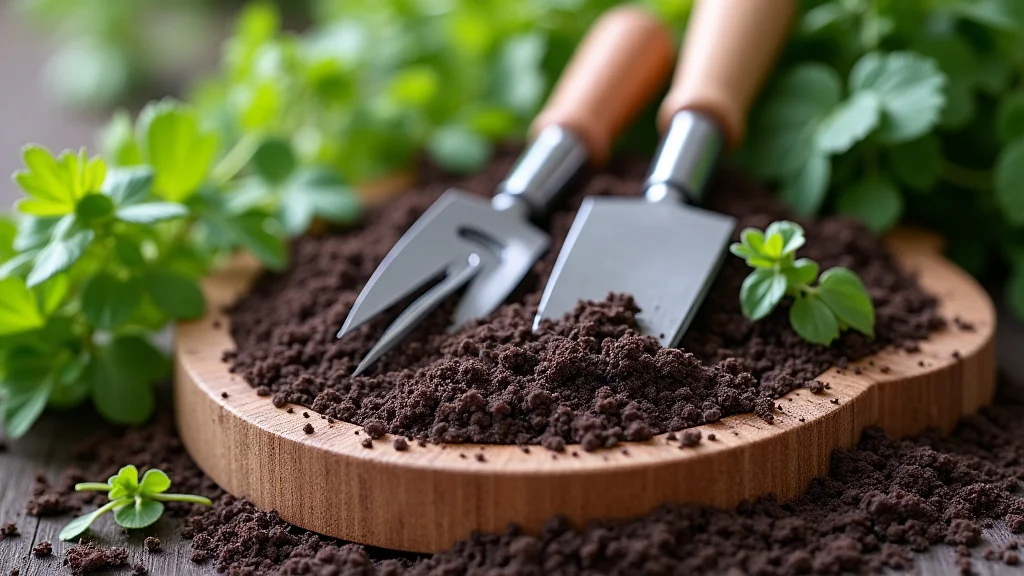
Remember that time you found your grandmother’s old trowel, rusted and worn, yet holding a certain charm? It wasn’t just a gardening tool; it was a piece of history, a testament to years of nurturing life. This blog post explores how seemingly ordinary items like gardening tools can be transformed into captivating artworks. We’ll explore the artistic possibilities, from repurposed rakes to sculpted hoes, and how these creations celebrate both nature and the human connection to it. You’ll gain fresh perspectives on appreciating the beauty around us and ideas for creative projects.
Key Takeaways
- Discover how discarded gardening tools can be upcycled into stunning art pieces.
- Learn about different artistic styles and techniques used in creating gardening tool artworks.
- Explore the historical and cultural significance of gardening tools as art subjects.
- Gain inspiration for your own gardening tool art projects, even if you are a beginner.
- Understand the role of color, texture, and composition in these artworks.
- Find resources and inspiration to start your own artistic exploration.
Transforming Garden Utensils into Art
The beauty of art lies in its ability to transform the mundane. Gardening tools artworks exemplify this perfectly, giving a new life to tools often considered just functional. The process often starts with repurposing old, worn, or broken gardening implements. These objects, once used for digging, planting, and cultivating, are now the raw materials for an artistic expression. The rust on a shovel, the curve of a hoe, and the handle of a rake all offer unique shapes, textures, and patinas that artists use to their advantage.
Many artists embrace the history and wear-and-tear of these tools. They see these markings as evidence of past use and the passage of time. These markings are not viewed as imperfections to be hidden, but instead, as integral features that add depth and character to the art. This appreciation for the aged and weathered adds a layer of depth and storytelling to the art, making each piece unique and full of character.
Upcycling Ideas for Gardening Tools Artworks
Upcycling is at the heart of many gardening tools artworks. It is more than just a trend; it’s a statement about sustainability and resourcefulness. It is the practice of converting existing materials into new objects of higher value. The beauty of upcycling is that it gives a second life to objects that might otherwise be discarded. This can be as simple as turning an old rake into a wall hanging or as complex as building an entire sculpture from discarded tools. This approach reduces waste and gives the original tools a new purpose.
- Rake Head Art: The head of a rake, with its evenly spaced tines, can be transformed into a variety of artworks.
- Shovel Blade Creations: Shovel blades offer a flat surface ideal for painting and sculpture.
- Trowel and Hand Tool Sculptures: Small hand tools provide detail and texture for more detailed art.
Rake heads offer a ready-made structure for art. They can become the base for sculptures or three-dimensional wall art. Artists might weld them together to form geometric shapes. They can also become canvases, with the tines providing a natural texture for paint or other media. The rake head’s design, which originally served for gathering leaves or breaking up soil, is thus reinterpreted in a form of art. Artists often choose bold colors and designs to showcase this new function.
A shovel blade is essentially a ready-made canvas. Artists can paint scenes of gardens, nature, or even abstract designs. The shape and size of a shovel blade also lend themselves well to sculpting. Artists may bend, cut, and weld the blades to create three-dimensional forms, often inspired by organic shapes or abstract concepts. A common element is adding color, texture, and patterns. These could feature techniques such as etching, or adding sculpted elements.
Trowels, hand rakes, and other small gardening tools add delicate detail to artwork. They are often used in assemblage art, where they are joined with other objects. These tools can form a part of a larger sculpture, adding texture and interest. Artists often use them to create visual stories, embedding symbolism and meaning into their works. They are also perfect for small sculptures or decorative pieces. These works can then become indoor or outdoor features.
The Artistic Styles of Gardening Tools Artworks
The beauty of gardening tools artworks is that they can be expressed in various artistic styles. The artist’s vision and chosen techniques ultimately define the style. These artworks blend history, craftsmanship, and a deep appreciation for the natural world. From abstract sculptures to realistic paintings, the possibilities are vast and varied. Each style brings a unique perspective to the art, showing the versatility of the medium.
The choice of style often depends on the artist’s personal preferences and the message they want to convey. Some artists focus on the functional aspects of the tools, highlighting their original purpose through realistic representations or functional use. Others use the tools as a starting point for more abstract or conceptual works, exploring form, texture, and color. Exploring these styles shows the artistic potential of gardening tools.
Sculptural Approaches
Sculpting with gardening tools often involves welding, assembling, and shaping the tools. Artists use their welding skills to join pieces, create new forms, and enhance the strength and durability of the art. The tools’ metal properties are central to the work. The forms might range from abstract shapes to figures or animals.
- Welded Metal Sculptures: This technique involves joining metal gardening tools together using welding equipment.
- Assemblage Art: Assemblage art combines different materials and objects into a three-dimensional artwork.
- Kinetic Art: Kinetic art incorporates movement into the artwork.
Welding allows the artist to build up structures from the ground. Artists can create towering sculptures that stretch toward the sky. They can also create intimate pieces designed for close inspection. Welding creates permanent bonds. It allows the artist to shape and manipulate the metal in ways that would be impossible with other methods. The choice of metal, the welding technique, and the finish all contribute to the final look of the sculpture. These range from polished and sleek to rough and industrial.
Assemblage art uses the tools alongside found objects, natural materials, and other items. Artists can create complex pieces that tell stories or convey complex emotions. This style often involves a lot of experimentation. Assemblage art can be as much about the materials themselves as it is about the way they are combined. Artists often consider the history and meaning of the objects. Assemblage art creates layered and thought-provoking art.
Kinetic art with gardening tools can involve wind chimes made from trowels, or mobiles constructed from various tools. The movement might be subtle, with pieces gently swaying in the breeze. Or it could be more dramatic, with mechanical components used to drive the tools. Kinetic art is interactive, drawing viewers into the art. These sculptures add another dimension to the art, transforming the tools into moving elements.
Painting and Mixed Media Techniques
Painting on or incorporating gardening tools provides a broad canvas for artistic expression. The tools’ surfaces can be used for detailed illustrations, bold abstracts, or textured mixed-media works. Artists often use a range of painting styles and add other materials, such as wood, fabric, and found objects.
- Realistic Painting: This technique focuses on accurately depicting the gardening tools and surrounding scenes.
- Abstract Painting: This approach is focused on using color, form, and composition rather than representing objects.
- Mixed Media Art: Mixed media art combines different materials and techniques.
Realistic painting captures the details of the tools with meticulous attention. Artists may focus on the texture of the metal, the wear on the handles, or the reflections of light. This approach often highlights the beauty of the tools’ craftsmanship and history. Realistic paintings can evoke nostalgia. This form of art is made to resemble the real thing. It can be a very challenging endeavor, requiring skill and precision, or a basic approach based on free style.
Abstract painting on gardening tools often transforms these items into fields of color and shape. These paintings often use bold colors, dynamic compositions, and experimental techniques to create visually stimulating pieces. Abstract artists often use a variety of materials and tools to create texture, depth, and visual interest. This technique allows for a personal form of expression and can create unique, unexpected results. This kind of painting invites viewers to experience the work on an emotional level.
Mixed media can combine painting with sculpture, assemblage, or other forms of art. Artists might paint on a shovel blade and then add three-dimensional elements, such as wood or metal, to create depth and texture. The choice of materials and techniques often depends on the artist’s message. Mixed media art provides limitless possibilities for creativity, allowing artists to create complex and multifaceted artworks that blend the past and present. They often become pieces of art that draw the viewers in to investigate the combination of textures and forms.
The Symbolism and Significance
Gardening tools artworks are not just aesthetically pleasing objects; they are often rich with symbolism and meaning. Beyond their visual appeal, these art pieces explore themes of labor, nature, and the passage of time. The tools themselves, originally made for cultivating the land, come to represent the human connection to nature. They carry the weight of hard work and the satisfaction of growth, adding layers of depth and contemplation to the art.
The artworks often serve as a reminder of the cyclical nature of life. This adds an important level of significance that goes beyond the aesthetic. They reflect the beauty of decay and renewal. By embracing the imperfections of the tools, artists create pieces that tell a story. This story focuses on time and its effect on materials. By repurposing these tools, artists can give the message that nothing is wasted.
Celebrating the Cycle of Life
Gardening tools, with their associations with the earth, plants, and seasons, become powerful symbols of life. Artworks that use these tools connect viewers with the natural world and its rhythms.
- The Harvest and Renewal: Representing the cycle of growth, decay, and rebirth.
- Labor and Transformation: Reflecting on the effort and change involved in gardening.
- Nature and Human Interaction: Depicting the connection between people and the land.
Artworks may include tools that represent the process of sowing, growing, and harvesting. These might include rakes, hoes, and shovels, symbolizing the work that goes into creating a garden. Such tools become symbolic of the cycle of life. They depict the hard work and patience needed to achieve fruition. These works honor the natural world’s beauty and the human ability to influence it.
The tools themselves can represent the labor involved in gardening. Sculptures, paintings, and mixed-media works celebrate the effort and dedication needed to transform a space. Tools can then symbolize the transformation. This can happen from a hard-worn tool to a work of art. The message is about resilience and the ability to change, both in nature and in human endeavor.
Artworks can celebrate the relationship between people and the natural world. They use gardening tools to convey this, reflecting the love people can have for gardening and nature. The tools also represent the long history of human interaction with the earth. They act as reminders of the past and the many generations that have cultivated and cared for the land. Such art highlights the importance of environmental responsibility.
Cultural and Historical Context
The history of gardening tools is long, and these artworks often carry echoes of the past. The type of tools, their wear and tear, and the techniques used to create the art, provide a glimpse into the past. Many cultures have had their own unique approach to gardening and tool design. The artworks show these differences, which also gives a sense of time and place.
- Tools as Artifacts: Preserving the history of gardening practices.
- Regional Variations: Exploring the design and use of tools in various cultures.
- The Evolution of Gardening: Reflecting the changes in tools and techniques.
Gardening tools can tell a story about people’s gardening practices. The shape and design of these tools can give a sense of where it came from. The materials used, like wood and metal, can also tell a story. These historical practices can become works of art. These creations can reflect the artistic styles of the period when the tools were used. The art then becomes a means of preserving the history of gardening, reflecting its impact on society.
Different cultures use different designs to match the local environment and the plants being grown. Some tools are designed to work the soil. Others are designed to harvest crops. The materials used, from wood to metal, can also tell a story about the culture from which the tool originated. The artistic use of these tools, whether in painting, sculpture, or other forms, can reflect the variety of global gardening tools. They tell a story about the people and the land.
The art tells a story about how tools have evolved with each new generation. The tools’ designs reflect changes in technologies and cultural norms. They highlight how gardening practices have changed over time. From simple hand tools to more sophisticated models, artworks using gardening tools can convey the evolution of the craft. They serve as a reminder of the human need to cultivate the land.
Finding Inspiration and Starting Your Own Projects
The beauty of gardening tools artworks extends beyond the art itself. It encourages creativity and a new way of seeing the world. The process of creating these art pieces can be rewarding, whether the goal is to make a sculpture or just repurpose an old tool. There are plenty of resources available to guide and encourage anyone interested in exploring this art form. With the right amount of inspiration, anyone can get started.
The key is to start small, experiment, and enjoy the process. There’s no set approach. It’s about letting your creativity guide you. Gather old tools, explore different techniques, and discover what inspires you most. Whether it’s the textures of rusted metal or the colors of fresh paint, there’s a world of potential in old gardening tools.
Tips for Beginners
Starting with gardening tools artworks can be fun and rewarding. The basics of beginning this art form are all about exploring and experimenting. These tips can help.
- Gather Your Tools: Collect old or discarded gardening tools.
- Start Simple: Begin with basic techniques like painting or assemblage.
- Experiment with Techniques: Try different styles and media.
Begin with a variety of tools. Look for different shapes, sizes, and states of wear. Consider tools that have unique features, like unusual handles or interesting rust patterns. Search for tools at flea markets, yard sales, or online marketplaces. You might have some tools in your own garden shed. Remember that the tools’ history and condition add to their character.
Painting an old shovel blade or creating a simple wall hanging with repurposed tools is a great starting point. Experiment with basic painting techniques, like washes, dry brushing, or stenciling. Try joining tools together with wire or adhesive. Focus on developing your skills and having fun. Start small and gain experience before moving on to more complex projects.
Don’t be afraid to try different techniques. Mix and match styles. Try mixing painting and sculpture by painting a shovel blade, then adding three-dimensional elements. Experiment with different textures, colors, and materials. This may include paint, metal, wood, or other found objects. The more you experiment, the more you will learn and the more unique your work will be.
Resources and Inspiration
There is a wealth of information available to help anyone looking to explore gardening tools artworks. From online tutorials to books and workshops, there are plenty of resources to help improve the learning experience. These resources can give knowledge, spark ideas, and give a community of support.
- Online Tutorials and Workshops: Learn from experienced artists.
- Art Books and Magazines: Find inspiration and explore different styles.
- Art Communities and Galleries: Connect with other artists and find exhibitions.
The internet provides a variety of tutorials and workshops. Many artists share their methods through videos, articles, and step-by-step guides. These resources are designed for all skill levels. Online workshops can offer structured learning, and they often provide feedback and interaction with instructors and other participants. These resources are invaluable for mastering new techniques and gaining insights into art concepts.
Books and magazines dedicated to art provide a wealth of inspiration. Art books provide detailed information on different art styles and how to use them. Magazines provide interviews with artists and showcase artworks. These publications also feature artists using gardening tools in interesting ways. They often feature how-to articles and guides, which can teach you how to create art using different methods. They are important sources of inspiration and education.
Art communities include local art groups and online platforms. These communities can provide a means to connect with other artists. They can also offer support, critiques, and collaboration opportunities. Local galleries often exhibit gardening tools artworks. Visiting art shows and galleries is a great way to view different types of artworks. These can include sculptures and paintings, and they can provide an important source of inspiration. These also create opportunities to learn more about the art world.
Frequently Asked Questions
Question: What kind of tools are best for creating artworks?
Answer: Any gardening tool can be used, but tools with interesting shapes, textures, or a bit of rust tend to work well. Old shovels, rakes, hoes, trowels, and hand tools are all great choices.
Question: What materials are needed to make gardening tools artworks?
Answer: The materials depend on the art form. Welding equipment, paints, brushes, adhesive, wood, fabric, and found objects are common. You can start with basic tools and supplies and expand as your skills grow.
Question: Where can I find old gardening tools?
Answer: Check flea markets, yard sales, online marketplaces, and even your own garage or shed. Friends and neighbors may also be willing to give you their old tools.
Question: What are some safe practices for working with gardening tools?
Answer: Always wear safety glasses, gloves, and a mask when working with tools. Make sure to work in a well-ventilated area, and follow safety instructions when using power tools or welding equipment.
Question: What should I do if I am a beginner?
Answer: Start with simple techniques like painting or basic assemblage. Experiment with different methods, and don’t be afraid to make mistakes. The key is to have fun and explore your creativity.
Final Thoughts
Gardening tools artworks are a fascinating intersection of art, history, and environmental responsibility. They remind us of the beauty that can be found in repurposing old objects. They also inspire creativity, encouraging a fresh perspective on the objects around us. These artworks highlight the creativity in transforming the mundane into the extraordinary. They celebrate the history and the labor that goes into cultivating the earth.
If you’re looking for a new creative pursuit or a way to connect with nature, consider exploring gardening tools artworks. Gather a few old tools, experiment with some art forms, and see where your imagination takes you. Start with simple projects, and over time, you can grow with your work. The key is to start, experiment, and have fun. Who knows, your next favorite piece could be waiting in your shed or at the next flea market!