
Remember that time you tried to plant a rose bush with a flimsy trowel and a dull pair of clippers? Frustrating, right? Having the right tools makes all the difference when you’re working in the garden. This post explores the essential elements of a high-quality gardening tool kit 94. We’ll explore what you absolutely need, from hand tools to bigger equipment, and how to choose tools that will last. By the end, you’ll feel confident building your own gardening tool kit 94, ready to tackle any planting project.
Key Takeaways
- Learn about the essential tools every gardener needs for planting and maintaining a garden.
- Discover how to select high-quality tools that are built to last and provide value.
- Understand the difference between various types of hand tools and their specific uses.
- Find out about crucial safety equipment and how to use it safely in your garden.
- Explore how to care for and store your tools to extend their lifespan.
- Get ideas for customizing a gardening tool kit 94 to your specific garden’s needs.
Assembling Your Essential Gardening Tool Kit 94
Building a great garden takes more than just enthusiasm; it requires the right equipment. The foundation of any successful garden begins with a well-stocked gardening tool kit 94. This includes everything from small hand tools to larger implements. Choosing quality tools from the start can save you money and headaches in the long run. A good set will allow you to work efficiently, making gardening a joy rather than a chore. This section helps you select the right pieces to get started. Focus on durable materials and well-designed tools that fit your physical needs.
Hand Tools: Your First Line of Defense
Hand tools form the core of any gardening setup. They are the instruments you’ll use most often, making direct contact with the soil and plants. These tools are used for planting, weeding, and general maintenance. Choosing well-made hand tools is very important because they will see the most use. Quality materials such as stainless steel or forged carbon steel are recommended. Consider handles that are made of wood or strong plastic, and have a good grip for comfort and control. Make sure they fit comfortably in your hands to reduce strain.
- Trowel: A trowel is your go-to for planting, transplanting seedlings, and digging small holes. The best ones have a sturdy blade made of stainless steel or carbon steel, with a comfortable handle. Look for a trowel with a curved blade, which makes it easier to scoop and move soil. A well-made trowel makes the task of planting so much easier.
- Hand Fork: A hand fork is perfect for loosening soil and removing small weeds. The tines, or prongs, of a hand fork are excellent for breaking up clods of soil and aerating the ground around plants without harming the roots. It’s especially useful in areas where a larger fork might be too clumsy.
- Weeder: A weeder removes weeds from the ground, especially those with taproots. Look for a weeder with a forked or hooked tip, to make it easier to grab and pull out the weeds. Choose a weeder with a long handle to make it easier to reach weeds without bending over.
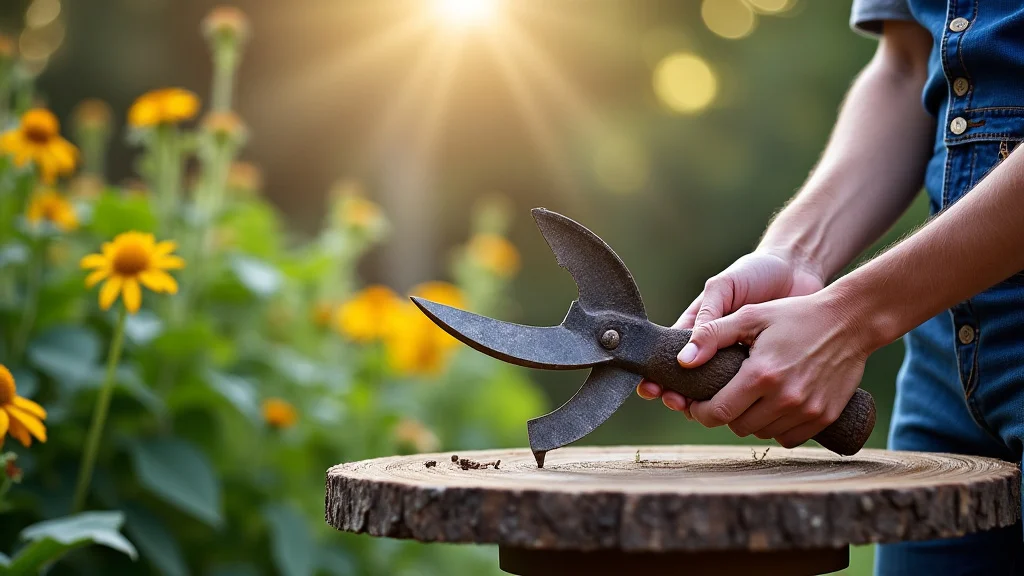
- Hand Pruners: Also known as pruning shears or secateurs, hand pruners are essential for trimming plants, cutting stems, and shaping shrubs. These come in two main types: bypass pruners, which have a scissor-like action, and anvil pruners, which have a single blade that cuts against a flat surface. Look for bypass pruners for clean cuts on living stems, and anvil pruners for cutting dead wood. Regular pruning encourages healthy growth and keeps your plants looking their best.
A trowel is a small, hand-held tool with a curved, scoop-shaped blade. It is used for digging, transplanting, and scooping up soil or other loose materials. The design and size of trowels vary depending on their intended use, but they all share a basic structure. The blade is typically made of metal like stainless steel or carbon steel, providing strength and durability. The handle is often made of wood, plastic, or rubber for a comfortable grip. A good trowel is lightweight and easy to maneuver in tight spaces, making it perfect for container gardening, planting flowers, or starting seedlings.
The hand fork looks like a mini-version of a garden fork. It’s a small tool with several tines, usually made of metal, attached to a handle. It serves a similar purpose to a larger fork, but is intended for use in smaller areas, like raised beds or containers. The tines are used to gently loosen the soil, allowing air and water to penetrate more easily. A hand fork is also very effective at removing small weeds and debris without disturbing the roots of surrounding plants. Look for a hand fork with sturdy tines and a comfortable handle for efficient work.
Weeders come in a variety of styles, but they all share the purpose of helping you remove unwanted plants from your garden. Some weeders have a long, slender blade, while others have a forked or hooked end to grab the weed. The goal is to get the entire root of the weed. Weeders with longer handles help you weed without needing to bend over as much, reducing strain on your back. Always make sure to get the entire root to prevent the weed from growing back. Proper weeding keeps your garden healthy and attractive.
Hand pruners, or pruning shears, are used for cutting branches and stems. The bypass pruners have blades that pass each other, making a clean cut. They’re ideal for green, live growth. Anvil pruners have a single blade that cuts against a flat surface. These are better for dead wood or thick stems. Always make clean cuts at a slight angle to prevent water from collecting on the cut surface, which can cause disease. Make sure your pruners are sharp and well-maintained for the best results.
Larger Tools: Expanding Your Toolkit
Once you have the basics, you’ll want to think about larger tools that can tackle bigger jobs. These are often used for preparing the soil, shaping garden beds, and working on larger areas. Larger tools can make your work faster and less physically demanding. From garden forks to shovels, these are important for more substantial gardening tasks. Consider the size of your garden and the type of work you will be doing before purchasing these items.
- Garden Fork: The garden fork is used to turn soil, break up clods, and mix in compost. A good garden fork has sturdy tines made of forged steel. It is much easier to use than a shovel. The ergonomic design of a garden fork reduces strain on your back.
- Spade: A spade is used for digging, edging garden beds, and moving soil. Look for a spade with a strong blade and a comfortable handle. A square-edged spade is great for making clean cuts, while a pointed spade is useful for digging in clay soil. Keep your spade sharp for easier use.
- Rake: Used for smoothing soil, collecting leaves, and removing debris. There are different types of rakes, including those with metal tines for soil work and those with fan-shaped tines for leaves. A rake with a long handle reduces the need to bend over.
- Wheelbarrow: A wheelbarrow is invaluable for moving soil, compost, and other materials around the garden. Look for a wheelbarrow with a sturdy frame and a large capacity. A wheelbarrow with a pneumatic tire will make it easier to maneuver over rough terrain.
A garden fork is like a super-sized version of the hand fork. It’s used for turning soil, mixing compost, and lifting plants. The tines are typically made of steel. A garden fork helps break up compacted soil and improves aeration. Ergonomic designs minimize strain on your back. A garden fork is an essential tool for any serious gardener.
A spade is used for digging, cutting, and shaping. It has a flat, broad blade and a handle, designed for scooping and lifting soil. The blade can be square-edged or pointed. Square-edged spades are useful for creating clean edges on garden beds and trenches. Pointed spades are often better for digging in compacted or rocky soil. The quality of the blade and handle are key for comfort and efficiency. A sharp spade will make digging much easier.
Rakes come in many types, each designed for specific gardening tasks. Metal rakes are used for leveling soil and removing rocks or debris. Fan rakes, or leaf rakes, are used to gather leaves and other light materials. A rake with a long handle allows you to work without bending, reducing strain on your back. Choosing the correct rake can significantly speed up your garden cleanup tasks.
A wheelbarrow is a garden workhorse used for transporting soil, compost, and plants. It has a large bin, a wheel, and handles. The frame should be sturdy, and the wheel should be durable, with a pneumatic tire. The capacity of the wheelbarrow is very important, consider how much material you will need to move. A wheelbarrow saves you time and effort and is a great asset in any garden.
Specialty Tools: For Specific Tasks
Beyond the basics, specialized tools make particular gardening tasks easier and more effective. These tools are often designed to address specific needs, from soil preparation to pruning. Consider adding these to your collection. They can help you with specific tasks, and make your gardening work more efficient.
- Hedge Shears: Essential for trimming hedges and shaping shrubs. Look for long blades and comfortable handles.
- Loppers: Used for cutting thicker branches that hand pruners can’t handle. Consider loppers with bypass blades for clean cuts.
- Soil Knife: A versatile tool for planting, weeding, and dividing plants.
- Watering Can or Hose Nozzle: Essential for watering plants. Consider the size of your garden when selecting this.
Hedge shears are designed for cutting and shaping hedges and large shrubs. They usually have long blades that are either straight or serrated. The blades should be sharp and sturdy. The handles should be comfortable to hold for extended periods. Hedge shears allow you to keep hedges neat and tidy. Remember to sharpen the blades regularly for clean cuts.
Loppers are like oversized pruning shears with long handles, providing extra leverage for cutting thicker branches. They are great for cutting branches that are too large for hand pruners. Loppers usually have bypass blades, which provide a cleaner cut. Always choose loppers that are right for the size of the branches you need to cut. Regular sharpening of the blades is very important.
A soil knife, also known as a hori-hori knife, is a versatile tool for many garden tasks. It has a curved blade with a pointed end, great for digging, weeding, and even sawing through small roots. The blade is often serrated on one side, adding to its versatility. Soil knives are usually marked with measurements, helping you plant at the right depth. A soil knife is a great addition to your gardening tool kit.
Watering cans or hose nozzles are essential for watering plants. Watering cans come in various sizes, with long spouts for reaching plants easily. Hose nozzles offer different spray patterns, from a gentle shower to a powerful jet. Choose a watering can or hose nozzle that fits your garden’s size and needs. Look for durable materials and comfortable handles.
Safety and Protection: Gardening Responsibly
Gardening, while rewarding, presents risks. Sharp tools, sun exposure, and physical strain can cause injuries. Proper safety equipment and practices are essential for your well-being. Before starting any gardening project, take the time to prepare yourself and your workspace. This includes wearing the right protective gear and using tools in a safe way. Prioritizing safety allows you to enjoy gardening while minimizing potential hazards.
- Gloves: Protect your hands from cuts, scrapes, and blisters.
- Eye Protection: Protect your eyes from flying debris.
- Sun Protection: Shield yourself from the sun.
- Footwear: Protect your feet with sturdy shoes or boots.
Gloves are a must-have for any gardener, protecting hands from dirt, thorns, and blisters. There are many types, from lightweight cotton gloves to heavy-duty leather gloves. Choose gloves that fit well and are comfortable. Consider the type of work you will be doing, and choose gloves appropriate for the task. They will help you handle tools securely and keep your hands clean.
Eye protection is crucial for safety. Safety glasses or goggles guard against flying dirt, splinters, and other debris that can cause eye injuries. Choose eyewear that fits comfortably and provides a clear view. They protect your eyes while pruning, using power tools, or working in windy conditions. Keeping your eyes safe helps you avoid any potential harm.
Protecting yourself from the sun is very important. Wear a wide-brimmed hat, sunglasses, and sunscreen with a high SPF. Limit your time in direct sunlight, especially during the hottest part of the day. Exposure to the sun can cause skin damage. Proper sun protection allows you to enjoy gardening safely and comfortably.
Wear sturdy shoes or boots when working in the garden, to protect your feet from injury. Closed-toe shoes are essential to avoid cuts, punctures, or impacts from tools or falling objects. Waterproof boots are useful for wet conditions. Choose footwear that is comfortable and provides good support. Proper footwear helps you to work safely and comfortably.
Maintaining and Storing Your Gardening Tool Kit 94
Taking good care of your gardening tools is important for keeping them in good condition. Proper maintenance makes them last longer and ensures they perform their best. Regular cleaning, sharpening, and storage will help prevent rust and damage. Good tool care will keep your tools sharp and ready when you need them. This helps make gardening tasks easier.
- Cleaning: Clean your tools after each use to remove soil and debris. Use water and a brush to scrub off dirt.
- Sharpening: Keep blades sharp for efficient cutting. Use a sharpening stone or file.
- Storage: Store tools in a dry place to prevent rust. Consider a tool shed, a garage, or a tool rack.
- Handle Care: Keep wooden handles clean and oiled. Check for cracks.
Cleaning your tools after each use is essential for keeping them in good condition. Use water and a brush to remove soil, sap, and other debris. Make sure to dry your tools thoroughly to prevent rust. Proper cleaning extends the life of your tools, ensuring they are always ready to use. Taking a few moments to clean your tools will pay off in the long run.
Keeping your blades sharp is very important for safe and efficient gardening. Sharp blades make clean cuts. Dull blades make the work harder and can damage plants. Use a sharpening stone or file regularly to sharpen your pruners, shears, and other cutting tools. It is also good to have your loppers sharpened by a professional. Sharpening your blades makes your tasks easier, and protects your plants.
Store your tools in a dry place, away from the weather. This will help prevent rust and corrosion. A tool shed, a garage, or a tool rack are all good options. Hang tools to keep them off the ground and organized. Proper storage will keep your tools in top condition. Organized storage also makes it easier to find the tools you need.
Care for wooden handles by keeping them clean and oiled. This will prevent them from drying out and cracking. Use linseed oil to preserve the wood and keep it smooth. Check the handles for cracks or damage regularly, and replace them if needed. Keeping the handles in good condition makes your tools safer and easier to use.
Customizing Your Gardening Tool Kit 94
A gardening tool kit 94 isn’t one-size-fits-all. The tools you need will depend on the type of gardening you do and the plants you grow. To make your kit truly your own, consider the specific needs of your garden. Customizing your toolkit ensures you have the right tools for your specific projects. Adding a few specialized items can make your gardening experience better. When you customize your kit, you will improve your efficiency.
- Vegetable Gardening: Add tools like a dibber, a soil knife, and a hoe for weeding.
- Flower Gardening: Include a hand trowel, pruning shears, and a transplanting trowel.
- Container Gardening: Look for small hand tools, such as a mini rake, small trowel, and watering can.
- Fruit Tree Care: Include loppers, pruning saw, and a fruit picker.
If you’re growing vegetables, specific tools can make the process easier. A dibber is useful for creating holes for planting seedlings. A soil knife can assist with various tasks. A hoe helps with weeding and soil preparation. Think about your specific crops when choosing the tools. This can enhance your efficiency in your vegetable garden.
For flower gardening, you’ll need tools to help with planting, pruning, and transplanting. A hand trowel is essential for planting flowers, while pruning shears are great for maintaining the plants. A transplanting trowel will make moving plants simpler. Having the right tools makes the task of flower gardening enjoyable.
If you have a container garden, choose smaller tools that fit well in pots and raised beds. A mini rake and small trowel are useful for working in tight spaces. A small watering can is great for watering your plants. With the right tools, container gardening is easy and fun. This set of tools is very portable.
Caring for fruit trees requires specific tools. Loppers help cut branches, and a pruning saw handles larger limbs. A fruit picker is useful for harvesting fruit. Choose tools that will make it easy to manage your trees and promote healthy growth. Regular pruning and maintenance are very important for fruit trees.
Frequently Asked Questions
Question: What are the essential tools for a beginner gardener?
Answer: For beginners, a trowel, hand fork, hand pruners, and a watering can are great starters. These tools will handle many basic gardening tasks.
Question: How often should I sharpen my pruning shears?
Answer: Sharpen your pruning shears whenever they start to feel dull. Usually, this is after every few uses or every few weeks, depending on how often you use them.
Question: What is the best way to store gardening tools?
Answer: Store your tools in a dry place, such as a shed or garage, to prevent rust. Hang them up or keep them in a toolbox for easy access and organization.
Question: What type of gloves are best for gardening?
Answer: The best gloves for gardening depend on the tasks. Leather gloves are great for heavy work, while nitrile or rubber gloves are useful for wet conditions. Cotton gloves offer light protection.
Question: How can I choose the right size wheelbarrow?
Answer: Consider the size of your garden and the materials you will be moving. A larger wheelbarrow is better for bigger projects and heavier loads, while a smaller one is easier to maneuver in tight spaces.
Final Thoughts
Putting together your gardening tool kit 94 is an investment in your garden’s future and your personal enjoyment. By choosing quality tools, you’re setting yourself up for success. You’re also making the whole process more pleasant. From the humble trowel to the sturdy wheelbarrow, each piece in your kit plays a part in nurturing your plants. Always keep your tools clean and well maintained to make them last longer. When you have your gardening tool kit 94 ready, you can start planting. Remember, the right tools make every gardening experience easier. Start building your kit today, and watch your garden flourish!