
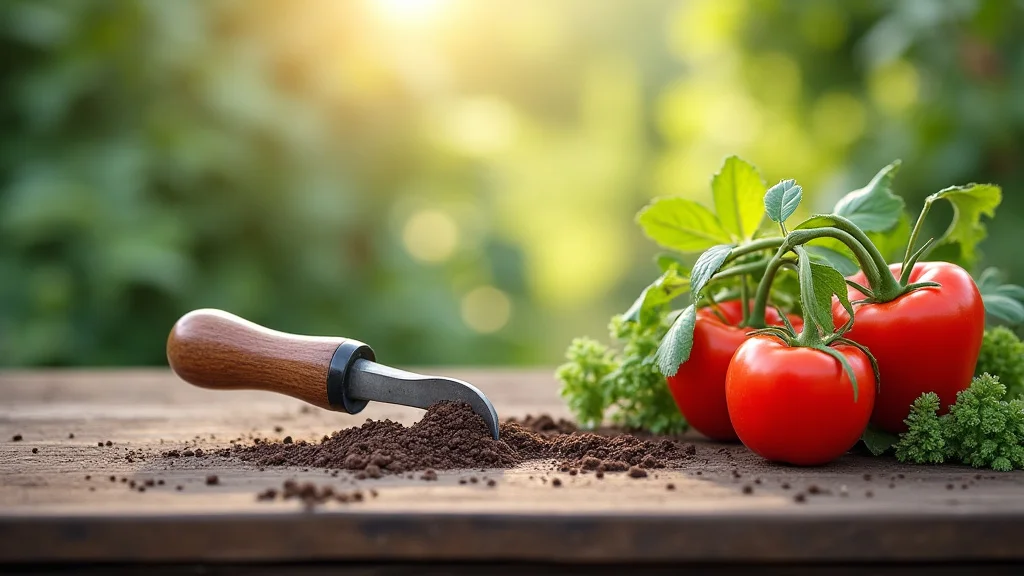
Picture this: It’s a sunny Saturday, and you’re ready to transform your backyard. You’ve got seeds, soil, and big plans, but something’s missing – the right equipment! Often, the difference between a thriving garden and a frustrating one comes down to the quality of your gardening tool 94. This post will give you the inside scoop on this essential piece of equipment. You’ll learn everything you need to know to make informed choices and maximize your gardening success, from basic features to advanced techniques. Get ready to explore how this tool can make your gardening experience easier, more efficient, and more enjoyable.
Key Takeaways
- Gardening tool 94 is a versatile implement suitable for a variety of gardening tasks.
- The tool’s design includes features that improve efficiency and ease of use.
- Proper care and maintenance can extend the lifespan of your gardening tool 94.
- Understanding the different features helps match the tool to specific gardening needs.
- Gardening tool 94 is useful for both amateur and professional gardeners alike.
- The tool helps in several tasks to reduce strain on your back and knees.
Overview of Gardening Tool 94
Gardening can be a rewarding hobby, but it can also present its challenges. One of the most important tools in a gardener’s arsenal is the gardening tool 94. This particular implement is designed to help with a wide range of tasks, from preparing soil to harvesting crops. Its versatility makes it an indispensable item for both small backyard plots and larger agricultural projects. In this section, we’ll explore what it is, its various components, and why it’s a valuable asset for anyone who enjoys working with plants.
Components and Design
The design of gardening tool 94 is carefully crafted to improve both efficiency and user comfort. It usually features a sturdy handle, often made of durable materials such as wood or fiberglass. The handle’s design prioritizes comfort, reducing strain during extended use. The head of the tool is constructed from hardened steel to endure the rigors of digging, turning, and cultivating soil. This careful consideration of materials makes the tool long-lasting and effective.
- Handle Material: The handle is a critical part, influencing the tool’s feel and longevity. Wooden handles are appreciated for their natural feel and shock absorption, while fiberglass options offer greater weather resistance and durability. The choice often depends on personal preference and the tasks at hand.
- Head Material: The head of gardening tool 94 must withstand rough treatment. High-carbon steel is a popular choice, providing the strength needed for digging and breaking up tough soil.
- Ergonomic Design: The tool’s overall design considers the user’s physical well-being. This might include curved handles to reduce wrist strain or a balanced weight distribution that minimizes back stress.
The handle material impacts the tool’s weight and balance. Wood, for example, can give a tool a more traditional feel, while fiberglass or composite materials might offer a lighter feel and greater resistance to the elements. Choosing the right material can help avoid strain and improve the gardening experience.
The head design directly affects how efficiently the tool works. Sharp edges make it simpler to penetrate the soil, while a curved shape may assist in turning and mixing the earth. A well-designed head makes it easier to do the work with less effort.
Features that enhance comfort are often overlooked, but they contribute to a more enjoyable gardening experience. Ergonomic handles, for example, can make a difference during long periods of use. Considering these aspects during selection helps in choosing the right tool for frequent use.
Versatile Applications
The versatility of gardening tool 94 makes it a valuable asset in the garden. This tool excels in preparing soil for planting, cultivating it during the growing season, and harvesting root crops. Its functionality means gardeners can manage various tasks with a single implement, simplifying their work and improving efficiency. The design is carefully considered to help in different scenarios.
- Soil Preparation: Before you plant, your garden tool 94 can break up compacted soil.
- Cultivating During Growth: The tool helps in removing weeds that are growing alongside your plants.
- Harvesting Root Crops: When it comes to harvesting, this tool can ease the removal of root vegetables.
This early step of the gardening process is vital. Breaking up soil improves its texture, allowing roots to penetrate easily. This step can remove weeds or debris that could impede plant growth, making it ready for planting. A well-prepared soil is the key to healthy, thriving plants.
As plants grow, weeds compete for the nutrients, water, and sunlight necessary for the plants to thrive. Using this tool to cultivate around your plants removes unwanted vegetation, and at the same time, it can help aerate the soil. This practice promotes better air circulation and water absorption for your plants.
Root vegetables, such as carrots, potatoes, and beets, require specific harvesting methods. By carefully using this tool, gardeners can remove these crops with reduced damage. This helps in both collecting the produce and preserving the garden’s soil structure.
Selecting and Using Gardening Tool 94
Choosing the right gardening tool 94 and utilizing it correctly can greatly affect your gardening outcome. Knowing what features to consider, how to select a suitable tool, and the best ways to use it can improve your efficiency and protect your plants. This section provides insights into selecting the right tool to meet your needs.
Key Features to Consider
Several features can affect the effectiveness of a gardening tool 94. Understanding these aspects allows you to make informed decisions when selecting a tool. The handle material, head design, and weight all have a role in the tool’s effectiveness. Paying attention to these details can help you choose a tool that fits your specific needs.
- Handle Length: The length of the handle affects comfort.
- Head Shape: The shape of the head affects the tool’s versatility.
- Weight and Balance: The tool’s weight and balance influence its usability.
A handle that’s too short might cause you to bend over excessively, and a handle that’s too long may make it difficult to maneuver the tool in tight spaces. Consider your height and the gardening tasks you’ll undertake when deciding. Choosing the right handle length will reduce back strain and improve control.
Different head designs are suited to different tasks. A pointed head might be best for digging, while a flat head might be ideal for leveling soil. Consider the variety of tasks you plan to carry out and select a head shape that suits those needs.
A well-balanced tool reduces fatigue and makes it easier to control. A lighter tool may be better for prolonged use. When choosing a tool, see if it feels comfortable in your hands, as this will affect its overall performance and enjoyment.
Proper Handling Techniques
The way you use gardening tool 94 can affect how efficient it is and how long it lasts. The correct techniques not only reduce strain but also allow you to maximize its effectiveness. Following these instructions will guarantee that you use this tool safely and efficiently. Proper use involves both the right movements and the correct posture.
- Grip and Posture: Hold the tool with a firm but relaxed grip.
- Digging and Turning: Use your legs to power the movement when digging.
- Cultivating and Weeding: Employ a shallow angle to remove weeds.
Good posture is very important to avoid strain. Keeping your back straight and your core muscles engaged helps to avoid injury. Stand with your feet shoulder-width apart to ensure a solid base. Your grip must be firm, but without straining your hands.
Bend at your knees and keep your back straight to lessen stress. Instead of using your back, utilize the power of your legs to push the tool into the ground. When turning soil, lift and move the soil in manageable portions, keeping your motions fluid.
Cultivating requires a light touch to avoid damaging the roots of your plants. Use a sweeping motion to cut through weeds. Weeding needs care. Get as close as possible without disturbing the surrounding plants. Working safely and effectively keeps your garden healthy and vibrant.
Maintenance and Care
Gardening tool 94 is a strong and durable implement. Proper maintenance is essential to keep it in good condition and extend its lifespan. It also ensures that the tool performs well whenever you need it. Regular maintenance extends the life of the tool, keeps it safe, and helps in the preservation of gardening tools. Proper storage and regular care help in maintaining the tool for many years.
Cleaning and Storage
Cleaning and storing the tool properly is very important. After each use, cleaning removes dirt and debris that could cause rust or damage the head. Proper storage protects the tool from the elements, ensuring that it’s ready for its next use. Following these procedures will help maintain the tool over the long term and guarantee its availability for your future tasks.
- Cleaning After Each Use: Wipe the head clean after each use.
- Sharpening the Blade: Sharpen the blade regularly to maintain its cutting efficiency.
- Proper Storage: Store the tool in a dry location, ideally with the head off the ground.
Use a brush or cloth to remove soil and plant debris. This prevents corrosion and preserves the sharpness of the cutting edge. Keep it clean after each use. This will keep the tool looking good, and extend its working life.
A sharp edge needs less effort to penetrate the soil and make clean cuts. Use a file or sharpening tool designed for gardening tools. Regular sharpening ensures that your tasks are easier and that the tool functions well.
Protecting your tool from moisture is very important to prevent rust. If storing indoors, hang the tool or store it in a tool rack. If you’re storing it outside, use a storage shed or a waterproof container.
Repair and Longevity
Regular maintenance will prolong the life of your gardening tool 94. Knowing how to carry out minor repairs, such as tightening a loose handle or replacing worn parts, can prevent the need for replacement. By focusing on repair and maintenance, you extend its use and prevent premature replacement.
- Handle Maintenance: Regularly inspect the handle for cracks or looseness.
- Head Repair: Address any damage to the head.
- Preventative Measures: Store the tool appropriately to prevent damage.
Tighten or replace the handle as needed to ensure the tool remains safe and comfortable to use. For wooden handles, consider applying a coat of linseed oil or a similar protective finish to prevent cracking or splitting. Secure the handle and head for safety.
If the head becomes bent or chipped, file it smooth, or consider having it professionally repaired or replaced. Minor damage is expected, but addressing it quickly will prevent it from getting worse and affecting tool performance.
Protect the head from impacts. Consider using a blade guard when storing the tool to prevent accidental injuries. Regular inspection and care will ensure that your tool functions well for many years to come.
Real-Life Examples and Case Studies
Real-life examples can illustrate the practical uses of gardening tool 94. Gardeners and landscaping professionals use it every day. The success stories confirm the tool’s effectiveness.
A homeowner, struggling with a small vegetable garden, was finding it difficult to prepare the soil and remove weeds. After purchasing gardening tool 94, they quickly realized how much easier the tasks had become. The tool’s design helped to cultivate the soil. The weeding was less difficult. The gardener could focus on planting and nurturing their plants.
A professional landscaper working on a large project used gardening tool 94 to speed up the process of soil preparation and transplanting of various plants. The tool allowed the landscaper to accomplish more work. The tool helped improve planting efficiency and cut down on labor costs.
Advanced Techniques
There are ways to use gardening tool 94 to further enhance its usefulness. These practices include understanding different soil types and learning how to adjust your methods accordingly. By applying these methods, you can become an expert gardener, and increase your gardening outcomes.
Adapting to Soil Types
Different soil types need varying techniques. Understanding the characteristics of your soil type makes it easier to work. Knowing how to adapt your methods increases your efficiency and protects your plants. Soil preparation is about understanding the soil.
- Clay Soil: Clay soil is dense and tends to hold water.
- Sandy Soil: Sandy soil drains well but can dry out quickly.
- Loam Soil: Loam soil is a mixture of sand, silt, and clay, and is considered ideal for gardening.
When working with clay soil, avoid working it when it’s wet, as this will compact it further. Use your gardening tool 94 to break up the soil. Amend it with organic matter, like compost. This will improve the structure and drainage. Digging into the soil is an important part of the gardening process.
When working with sandy soil, it’s vital to add organic matter to improve its water retention. Your gardening tool 94 can be used to mix in compost or other amendments, helping to create a more fertile environment. Good soil holds moisture and nutrients.
With loam soil, the main goal is to maintain the soil’s structure and fertility. Use your gardening tool 94 for regular maintenance, weeding, and aerating the soil. Supplement the soil with nutrients.
Integrating with Other Tools
Gardening tool 94 works with other gardening equipment to improve your gardening experience. Using it with other tools ensures that all tasks are done. Integrating various tools maximizes productivity.
- Combining with a Spade: The spade helps with the more difficult tasks.
- Pairing with a Hand Rake: The rake smoothes and levels the soil.
- Utilizing with a Garden Fork: Use the fork to aerate and loosen the soil.
Use your gardening tool 94 to prepare the soil. Follow up with the spade to dig deeper holes for planting. Using the two tools together makes the work easier. They help prepare and transplant your plants. The spade digs large holes, while the tool is used to maintain the soil.
Your gardening tool 94 is excellent for preparing the soil. Follow up with a hand rake to smooth the soil surface. This creates an even surface, preparing the soil for planting. Working together improves the appearance of the garden. The combination helps to create a well-maintained garden.
Use your gardening tool 94 to remove weeds and loosen the soil. Use the garden fork to aerate the soil. This combination helps to provide more oxygen to the roots of your plants. This helps the plants absorb nutrients. It improves soil structure and makes the garden fertile.
The Future of Gardening Tool 94
The field of gardening equipment is always evolving. Technological developments and new materials help with effectiveness and user satisfaction. The gardening tool 94 is very adaptable. This will allow the tool to remain a central component of gardening practices. The goal is to provide more efficient and easier gardening.
Innovations and Trends
The innovation that helps gardening tool 94 is in the materials. Manufacturers are using more durable and sustainable materials to create the tool. Technology is improving performance and user experience. This includes ergonomic designs and integrated smart features. It is all about giving gardeners a better gardening experience.
- Ergonomic Design Advancements: The focus is on the comfort of the user.
- Material Advancements: The tool is getting an upgrade.
- Smart Features and Integration: Future tools may include smart features.
Tools are being designed with ergonomic handles. Designs like curved handles and lighter materials reduce strain during use. These improvements improve efficiency. They make gardening tasks less tiring. These adjustments help create a more enjoyable gardening experience.
Engineers are working on stronger, and more long-lasting materials. These materials are lighter. The tool’s lifespan is improved. This includes materials that are more resistant to corrosion. This guarantees tools last longer. It makes sure that they withstand any weather conditions.
The tool may include sensors to measure soil conditions. It may include features to help monitor plant health. These tools can share data to improve gardening decisions. This combination of tech and gardening improves user experience.
Sustainability and Eco-Friendly Practices
Environmental concerns are important. Manufacturers of gardening tool 94 are concentrating on sustainable practices and eco-friendly products. This includes the use of sustainable materials and eco-friendly manufacturing processes. Using a more environmentally friendly approach to the gardening experience is the goal.
- Use of Recycled Materials: Recycling is very important.
- Sustainable Manufacturing Practices: The focus is on lowering the carbon footprint.
- Durability and Longevity: Making tools that are durable.
Many manufacturers are making tools with recycled materials. This lessens the environmental effect. This helps to reduce waste and helps the conservation of the planet’s natural resources. It is all about environmental responsibility.
Manufacturers are adapting eco-friendly processes. This includes reducing water and energy usage. Reducing waste is important, and they are seeking more eco-conscious ways to create their products. Sustainability is key for manufacturing tools.
Gardening tool 94 is manufactured to last a very long time. This is done to help cut back on the need to replace tools. They aim to reduce environmental impact. It is all about making more durable and better-quality gardening tools. The goal is to lessen waste and promote sustainable practices.
Frequently Asked Questions
Question: What is gardening tool 94 primarily used for?
Answer: Gardening tool 94 is primarily used for various tasks in the garden, including preparing soil, cultivating around plants, and harvesting root crops.
Question: What materials are commonly used to make gardening tool 94?
Answer: The handles are usually made of wood, fiberglass, or composite materials, while the heads are typically made from hardened steel.
Question: How do I choose the correct handle length for gardening tool 94?
Answer: Select a handle length based on your height and the tasks you’ll be performing, ensuring that it allows you to maintain good posture and reach comfortably.
Question: How often should I sharpen the blade of gardening tool 94?
Answer: Sharpen the blade regularly, especially before each gardening season and as needed, to maintain its cutting efficiency and make your work easier.
Question: How should I store gardening tool 94?
Answer: Store the tool in a dry place, ideally with the head off the ground, such as in a shed or tool rack, to protect it from moisture and extend its life.
Final Thoughts
Gardening tool 94 is a versatile and valuable implement for any gardener, regardless of experience level. From preparing the soil to harvesting crops, this tool enhances both your efficiency and the enjoyment of your work. Properly choosing, using, and maintaining your tool ensures it lasts for a long time and keeps you productive. Armed with the right techniques, you can overcome many challenges. Embrace the knowledge shared, put it into practice, and watch your garden flourish. Now, go forth and cultivate your green space with confidence.