
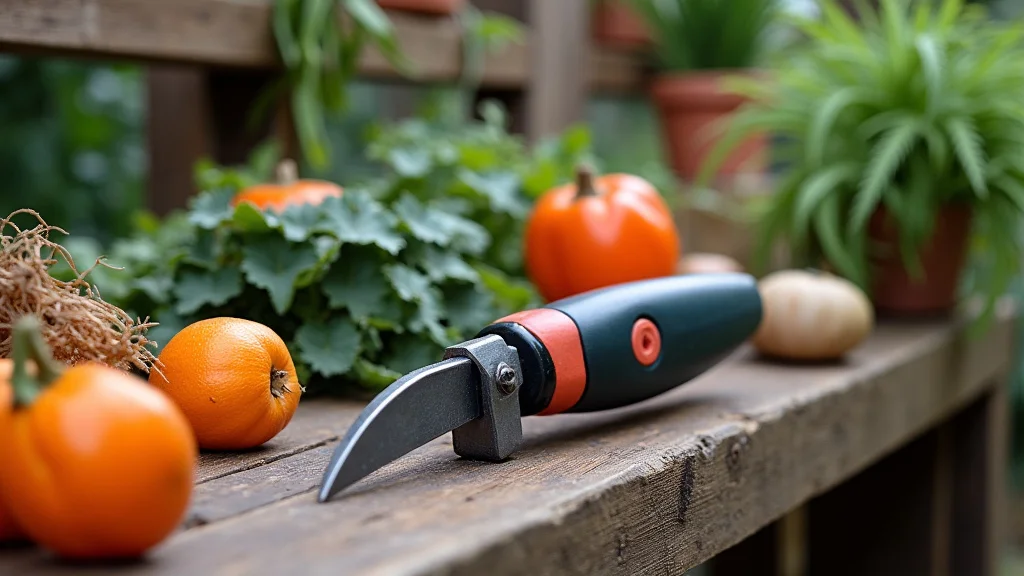
Remember that excitement of flipping through colorful pages, dreaming of vibrant blooms and bountiful harvests? It’s like that feeling you get when you’re a kid, eagerly anticipating a new toy catalog. That same joy still exists, especially if you’re a gardener! You can still experience this by requesting and browsing gardening tools catalogs by mail. Imagine the ease of selecting new tools from the comfort of your couch. This post shows you exactly how to find the best gardening tools catalogs by mail and get the most out of them, helping you plan your gardening season and discover new tools you didn’t know you needed. You’ll learn how to pick the right catalogs, explore different options, and even find some hidden gems.
Key Takeaways
- Discover the benefits of using gardening tools catalogs by mail to plan your garden.
- Learn how to find and request catalogs from various suppliers.
- Explore the different types of tools and supplies offered in these catalogs.
- Get tips on comparing catalogs to find the best deals and the right tools for your garden.
- Understand how to use catalogs to spark inspiration and plan your planting season.
- Find out how to easily order items from the catalogs and get them delivered to your home.
Finding and Using Gardening Tools Catalogs
The digital age has changed how we shop, but some of the best experiences come from the classic approach. One of these is browsing a well-curated catalog. For gardeners, gardening tools catalogs by mail offer a sensory experience that websites can’t always match. The feel of the paper, the vibrant images, and the careful descriptions create a different level of connection with products. In addition, catalogs offer a curated selection, reducing the overwhelming choices you get online. Let’s explore how you can benefit from these catalogs.
The Benefits of Catalogs
Catalogs are more than just advertisements; they are a resource for gardeners. The visual nature of catalogs lets you picture tools in use and imagine your garden transformed. They also offer a tangible experience, allowing you to browse at your own pace without distractions. Catalogs can also serve as a source of information. Most catalogs provide detailed product descriptions, often including tips on how to use the tools and care for them. This is especially helpful if you’re new to gardening or are trying new types of tools. This information makes planning and choosing the right tools easier.
- Detailed Product Information: Catalogs often include extensive details about each tool, including its dimensions, materials, and specific uses.
- Visual Inspiration and Planning: The photographs and layout of catalogs can spark ideas for your garden.
- Curated Selection: Catalogs offer a carefully selected range of tools, unlike the vastness of online stores.
Unlike online descriptions that might be brief, catalogs provide in-depth information. This helps you choose the right tools for your needs. Tools like pruning shears may offer information about blade materials (e.g., carbon steel or stainless steel). You also will see details about handle designs and ergonomic features. This added information allows you to make more informed choices, making sure you purchase the best tools for your garden. The descriptions may also provide tips on maintaining and cleaning the tools, extending their life.
Catalogs often showcase tools in action, providing visual inspiration for your gardening projects. Seeing tools next to beautiful plants or being used in a well-maintained garden can encourage you to envision similar beauty in your own space. Catalogs are designed to be appealing. They typically include high-quality images of tools, along with gardening tips and design ideas. The layout of the pages might suggest ways to arrange your garden or ideas for specific types of plants. This will help you plan your planting season.
Instead of being overwhelmed by the endless options available online, catalogs present a focused selection of tools. The catalog creators have usually already considered and chosen the best tools. This simplifies your shopping experience. This curated approach is useful for beginners, who may not know where to start, and experienced gardeners, who might be seeking specialized tools. The catalogs may highlight new products, best sellers, or tools for specific gardening tasks. This helps you quickly discover tools that meet your needs.
Sourcing Your Gardening Tools Catalogs
Finding the right gardening tools catalogs by mail is as easy as knowing where to look. Some of the best catalogs are from well-known retailers and specialty shops. Others come from smaller, independent businesses that offer unique or high-quality tools. There are various ways to get catalogs, ranging from direct requests to discovering them at gardening events. To get the best results, mix a variety of methods to find the perfect catalogs for your gardening needs.
How to Request Catalogs
Getting your hands on gardening tools catalogs by mail is simple. Most retailers have an easy way to request catalogs on their websites, via phone, or through the mail. Take note of all the details, including shipping times, so you know when to expect your new catalog. Having a catalog in hand is like having a private gardening store you can explore whenever you want. The catalogs are useful for planning your garden projects. Here’s a quick look at the steps for ordering catalogs.
- Online Requests: Most businesses have a section on their website to request a catalog.
- Phone and Mail Requests: If you prefer, you can call or send a letter to request a catalog.
- Attending Gardening Events and Shows: Pick up catalogs in person at gardening events.
The most common method is online. Many gardening tool retailers and suppliers have a specific page or form on their website dedicated to catalog requests. Typically, this process requires you to submit your name, address, and sometimes your email address. Some may also ask about your gardening interests or experience. The information helps the companies customize the catalogs and improve their services. Once you submit the form, the catalogs will be mailed to your address. This is a simple and efficient way to start receiving catalogs.
If you’d rather not use the internet, you can request a catalog by calling the company or sending a letter. The contact information is often available on the company’s website or in its advertisements. When calling, have your mailing address ready. The customer service representative will take your details. For mail requests, you can write a letter and include your address. Consider including a self-addressed, stamped envelope for a faster response. Although less common, these methods offer a more personalized approach, especially for those who prefer not to use online forms.
Another way to find catalogs is to attend gardening events, trade shows, and plant sales. Many companies will be there, showcasing their products and distributing catalogs. At these events, you can get a catalog and speak directly with representatives. They can answer your questions and provide insights. This can be a great way to discover new companies and products. You’ll often find special offers or discounts available at these events. Visiting in person lets you see the tools, ask questions, and take home a catalog right away.
Popular Gardening Tool Suppliers
Numerous suppliers offer catalogs, each with its unique focus and selection. From general retailers with a wide array of tools to specialty shops that focus on specific gardening tasks, there is a catalog for every gardener. Consider trying a few different catalogs to find your best fit. The catalogs have different types of tools. Let’s explore some well-regarded suppliers.
- Burpee: Known for its seeds and plants, Burpee also offers a range of tools.
- Gardener’s Supply Company: Offers a wide variety of tools, including innovative and eco-friendly options.
- Lee Valley Tools: Provides high-quality and specialized tools for various crafts and gardening.
Burpee is famous for its seeds and plants. They also have a great selection of gardening tools in their catalogs. The catalog includes various tools for planting, weeding, and harvesting. You will find everything from hand trowels and cultivators to garden forks and pruning shears. The Burpee catalog is ideal for gardeners who want to get all their supplies from one source. The tools are carefully selected to work well with their plants and seeds.
Gardener’s Supply Company provides a broad range of gardening tools, including innovative and environmentally friendly options. Their catalogs show tools for almost every gardening task. Whether you are planting, pruning, watering, or harvesting, they have products for you. Their catalog often features tools made from sustainable materials. The catalog’s focus is on quality and functionality. Gardener’s Supply is a good choice if you are seeking a sustainable and user-friendly product.
Lee Valley Tools is known for providing high-quality tools for gardening and other crafts. Their catalogs feature a carefully curated selection of gardening tools, often made with high-quality materials and innovative designs. You can find everything from standard hand tools to specialty tools. They have many options for people with unique needs. The Lee Valley catalog is for gardeners who are looking for durable, high-performing tools that will last. They also offer tools that are not always easy to find.
Choosing the Right Tools for Your Garden
Picking the right tools for your garden involves more than just browsing through catalogs. It means evaluating your specific needs, garden size, and the types of plants you intend to grow. The catalogs help you imagine the tools in your garden, but careful planning ensures you select the best tools for your success. Some tools are useful for specific situations. Here are some of the key things to keep in mind when choosing your gardening tools.
Assessing Your Garden Needs
Before you get catalogs, consider the dimensions and the demands of your garden. Different tools are best for different gardening styles. The best tools will suit your needs and your space. Think about the types of plants you want to grow, your soil type, and the amount of space you have. All of these factors will influence your tool selection. Your tool selections will impact how easily and effectively you can work in your garden.
- Garden Size and Layout: Smaller gardens require smaller tools, and vice versa.
- Types of Plants: Different plants require different tools.
- Soil Type and Conditions: Certain tools work best with different soil types.
The size and layout of your garden influence the tools you need. For a small urban garden, you might need compact tools like hand trowels, hand rakes, and small pruning shears. These tools are useful for working in tight spaces without damaging plants. Larger gardens may need long-handled tools, like garden forks, shovels, and wheelbarrows, to work efficiently. Knowing your garden’s size and layout will help narrow down the tool choices, making it easier to select the right items from the catalogs.
Consider the types of plants you’re growing when choosing tools. For example, if you’re growing flowers, you might need a lightweight hand trowel and pruning shears. For vegetables, a sturdy hoe and a garden fork will be essential. If you are growing trees or shrubs, you’ll need loppers or a pruning saw. Think about whether you are planting seeds, transplanting, or harvesting. The right tools can make these tasks easier and help your plants thrive.
Your soil type greatly influences tool choice. In clay soil, you may need a sturdy garden fork or broadfork to break up the soil effectively. For sandy soil, a shovel with a curved blade is useful. If your soil is rocky, you’ll need durable tools that can withstand wear and tear. You can also use tools designed to improve soil drainage and fertility. This understanding will help you choose the right tools to prepare your soil. It is necessary to provide the proper environment for healthy plant growth.
Key Gardening Tool Considerations
When selecting tools from gardening tools catalogs by mail, quality and function matter. Consider the materials and the design of the tools, as well as the ease of use. The goal is to choose tools that work effectively and stand up to regular use. Well-chosen tools will protect your plants and help you enjoy gardening. Think about your comfort, needs, and how you will use the tools. Here’s a look at some of the things you should consider.
- Materials and Durability: Choose tools made of high-quality, durable materials.
- Ergonomics and Comfort: Consider the handle design and weight for ease of use.
- Specific Tool Functions: Select tools that match the tasks you’ll be doing.
The materials that make up your tools affect their durability and longevity. Tools made from stainless steel or carbon steel tend to be more resistant to rust. They are useful for soil that retains moisture. Handles made from hardwood or fiberglass offer strength and comfort. Look for tools that feel sturdy in your hand. They should be able to withstand the demands of regular use. Choosing durable tools saves you time and money. It also ensures your tools will last.
Tool ergonomics affects your comfort and the efficiency of your work. Look for tools with handles that fit your hand comfortably. Tools with ergonomic designs reduce strain and help prevent injuries. Tools made with shock-absorbing handles can reduce fatigue when working for long periods. The weight of the tool is also critical. If the tool is too heavy, it can be difficult to manage. If it’s too light, it may not be effective. The correct weight and design will help make gardening an enjoyable experience.
Matching the tools to your gardening tasks helps make your work easier. For example, a sharp pair of pruning shears is essential for trimming plants. A sturdy trowel is necessary for planting seedlings. A hoe is essential for weeding and breaking up soil. Consider what tasks you will perform most often and select tools that suit those needs. For general gardening, you’ll need tools for planting, weeding, pruning, and watering. Tools for harvesting and soil preparation will make your work much more productive.
Ordering and Receiving Your Tools
Once you’ve selected your tools, the next steps are easy. Ordering from gardening tools catalogs by mail is generally straightforward, with clear instructions for placing your order. Remember to review the shipping and return policies before completing your purchase. Knowing what to expect during the delivery process can help you prepare and avoid problems. Here is a look at the important things.
Placing Your Order
Ordering from gardening tools catalogs by mail typically involves a simple and efficient process. You’ll use the catalog’s order form or website to make your selections. Paying attention to details such as order deadlines is important. This is how you guarantee that your tools will arrive when you want them. The tools are easy to order, and they make gardening simpler. Here is a look at the typical steps involved.
- Using the Order Form: Fill out the order form provided in the catalog.
- Ordering Online: Many companies have websites where you can order.
- Providing Payment Information: Ensure your payment information is entered correctly and securely.
Most catalogs provide an order form that you can fill out. The forms often include spaces for item numbers, quantities, and prices. Ensure you fill out the order form clearly and accurately. Include your name, address, and any other required information. Some catalogs let you order online, while others require you to mail the form. Following the instructions on the form ensures that your order is processed efficiently.
More and more gardening tool suppliers let you order online. If the catalog provides a website address, you can use your computer or mobile device to browse and make selections. The websites let you add tools to your cart and proceed to checkout. Make sure you have your credit card information. The website will provide instructions for finalizing your order. Online ordering offers the advantage of instant confirmation and order tracking.
When you’re placing your order, provide accurate payment information, such as your credit card details or other payment methods. Check to ensure the website is secure and uses encryption to protect your data. Review your order details before submitting to confirm everything is correct. Any mistakes in the payment information can delay the order, so it’s essential to double-check. Confirming your payment details helps with a smooth transaction.
Shipping and Returns
Understand the shipping and return policies of the supplier. This will help you know when to expect your tools. It will also help you address any issues. Understanding the delivery details and knowing what to expect can enhance the experience. The details of delivery and returns are important. Here is a look at what you need to consider.
- Shipping Costs and Times: Understand the shipping fees and delivery timeline.
- Return Policies: Familiarize yourself with the company’s return policy.
- Receiving and Inspecting Your Order: Check the condition of your tools upon arrival.
Before completing your order, understand the shipping costs and delivery times. Shipping fees can vary depending on the supplier and the order’s size and weight. Check the catalog or the website for information on shipping fees. Take a note of the estimated delivery timeline. Some suppliers provide tracking information. The information allows you to monitor the status of your order. Understanding these details will help you prepare for the arrival of your tools.
Always review the supplier’s return policy. The return policy explains what to do if you’re not satisfied with a tool. The policy will detail the time frame for returns. It also lists the conditions for returns, such as whether the item must be unused or in its original packaging. Many suppliers offer a warranty that protects your purchase against defects. Knowing the return policy will help you address any issues. It also allows you to make informed decisions about your purchases.
When your order arrives, inspect the tools. Ensure that the items received match your order and are in good condition. If the items are damaged or defective, contact the supplier immediately and follow their instructions. Keep all packing materials and documentation. The packing materials are required for any returns or exchanges. Taking these steps helps ensure a smooth process. It allows you to address any issues promptly.
Frequently Asked Questions
Question: How often are gardening tools catalogs by mail updated?
Answer: Most companies release catalogs seasonally, usually in spring and fall, to coincide with peak gardening seasons. Some may issue supplemental catalogs throughout the year with new products or special offers.
Question: Can I use coupons or promotions when ordering from a catalog?
Answer: Yes, many catalogs include coupons or promotional codes. These can be used when placing your order. Check the catalog for any special offers, discount codes, or sales.
Question: What if an item in the catalog is out of stock?
Answer: If an item is out of stock, the catalog company will usually inform you during the ordering process. They may offer alternative products, allow you to backorder the item, or remove it from your order and issue a refund.
Question: Are the prices in the catalog the same as online?
Answer: Prices can be different in the catalog and online, as they may be subject to different promotions. Sometimes, there are special offers exclusive to either the catalog or online store. Compare prices.
Question: How long does it take to receive a catalog after I request one?
Answer: The catalog usually arrives within 2-4 weeks. The time frame may vary, depending on the supplier and the postal service. If you haven’t received your catalog within the estimated time frame, you can contact the company.
Final Thoughts
Finding the perfect tools for your garden can be a satisfying task. Gardening tools catalogs by mail offer a practical way to discover new tools. They also provide inspiration for your garden projects. By learning how to obtain and examine these catalogs, you can choose the right tools for your specific needs. From durable hand trowels to innovative watering systems, catalogs put a world of gardening options at your fingertips. Take some time to request catalogs from different suppliers and browse them carefully. You’ll not only find the tools you need, but you might also discover new ideas and tips. Enjoy the experience of imagining a thriving garden, filled with the tools you selected. Happy gardening!