
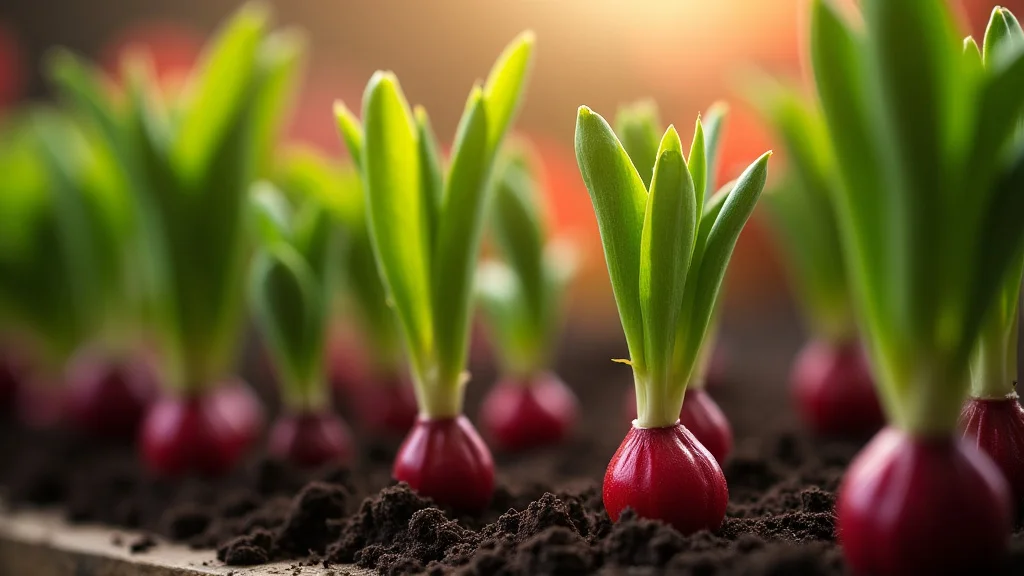
Remember that time you tried planting tulip bulbs with a trowel and ended up with sore knees and uneven rows? Frustrating, right? Using the right gardening tools bulb planter can transform that tedious chore into a simple and satisfying task. This post will guide you through choosing the best bulb planter, explain how to use it, and offer tips for successful planting. You’ll gain a deeper appreciation for this useful tool and learn how to achieve a beautiful, blooming garden. This will save you time and help you plant bulbs correctly, which will lead to better growth and blooms.
Key Takeaways
- You will discover the different types of gardening tools bulb planters and their uses.
- Learn the step-by-step process of using a bulb planter correctly.
- You’ll gain insights on selecting the best bulbs for your garden.
- You’ll explore the advantages of using a bulb planter over traditional methods.
- Tips for maintaining your bulb planter will be provided.
- You’ll understand how to maximize planting success and bloom displays.
Choosing the Right Gardening Tools Bulb Planter
Picking the perfect gardening tools bulb planter might seem easy, but there are several kinds to consider. The best choice depends on your garden size, the types of bulbs you’re planting, and your physical abilities. Some planters are designed for smaller gardens or pots, while others are built for larger areas. Considering these factors will help you make the right selection, ensuring that your gardening tasks are less strenuous and more productive.
Types of Bulb Planters
The marketplace offers several bulb planter types. Each design targets certain needs and planting scenarios. Knowing the differences helps you pick the right one for your garden and the bulbs you intend to plant.
-
Hand Bulb Planters: These are compact, handheld tools, ideal for smaller gardens, flower beds, or container planting. They typically have a cylindrical or cone-shaped blade that cuts a neat hole in the soil.
Handheld bulb planters are simple to use. They offer good control and are often less expensive. They’re excellent for precise planting in established flower beds where you want to avoid disturbing other plants. Their small size makes them easier to store and maneuver in tight spaces, but they might be tiring for extensive planting projects.
-
Standing Bulb Planters: Standing planters, often called long-handled bulb planters, are perfect for those who want to avoid bending. They have a long handle and a foot pedal for easier ground penetration.
Standing bulb planters are great for large gardens, enabling you to plant many bulbs without back strain. The long handle and foot pedal leverage make it easier to dig deep holes. Though more expensive than hand planters, the comfort and efficiency gains often outweigh the cost. Look for durable construction, especially in the blade and handle.
-
Auger Drill Bit Planters: Attaching to a power drill, these augers quickly dig holes for bulbs. They can save time, especially when planting a large number of bulbs. However, you’ll need a drill and need to be careful not to damage underground utilities.
Auger-style planters are excellent for large areas and heavy soils. Their rapid digging ability significantly reduces planting time. Using a power tool demands more caution to avoid injuries or equipment damage. They are better suited for well-defined planting areas where exact spacing isn’t critical. These tools can also be more physically demanding.
-
Bulb Planter with Depth Gauge: This type of planter includes a built-in depth gauge to assist you in planting the bulbs at the right depth. This feature is especially beneficial for beginner gardeners.
A depth gauge ensures uniform planting depth, crucial for consistent flowering and overall bulb health. These tools remove the guesswork, letting gardeners know the exact depth for each bulb variety. Consistent depth also helps with the aesthetics of your garden, contributing to the symmetrical appearance of your flower bed.
Factors for Selecting a Bulb Planter
Several factors will guide your choice. Consider the size of your planting area, soil condition, and your physical abilities when making your selection. The right choice makes planting easier and more enjoyable.
-
Garden Size: For a small garden or a few bulbs, a handheld planter is adequate. If you have a larger garden or many bulbs to plant, consider a standing planter or an auger bit.
The garden’s dimensions directly affect planter choice. Small gardens don’t need the power and capacity of larger tools, and small handheld planters can be useful. Conversely, larger gardens call for tools that reduce labor and time. An appropriate tool will allow you to plant the bulbs efficiently, making the most of your available time and space.
-
Soil Type: If you have rocky or compacted soil, opt for a sturdy standing planter or an auger bit. For loose, well-drained soil, a handheld planter may be sufficient.
The composition of your soil significantly impacts the selection of a bulb planter. Clay and compacted soils need more powerful tools to penetrate and dig holes. Looser soils will support any planter type. Assess the soil conditions to ensure your planter can handle the task without breaking or causing excessive strain.
-
Bulb Size and Type: Choose a planter with a blade size that fits the bulbs you’re planting. Larger bulbs, such as daffodils, will require a larger planter.
The size and type of the bulb impact the dimensions of the required planter. Large bulbs require a larger hole, and the planter’s blade width must accommodate this. Selecting the right size makes planting simpler and avoids harming the bulbs. Consider the dimensions of various bulbs and choose a planter that will do the job.
-
Ergonomics and Comfort: Consider the handle length and weight of the planter, especially if you have back issues. A standing planter with a long handle and foot pedal will reduce strain.
Ergonomics and comfort directly affect the experience of gardening. Tools that are lightweight, with comfortable handles, reduce fatigue and make the job easier. For gardeners with mobility concerns or back problems, the standing design is a good choice. Choosing the right tool based on comfort will increase your gardening enjoyment and protect your physical health.
Using a Gardening Tools Bulb Planter: Step by Step
Using a gardening tools bulb planter is easy, regardless of the type you select. The process involves some basic steps. These steps ensure correct bulb placement and maximize your planting success.
Preparing the Soil
Preparing the soil is a vital step for healthy bulbs and vibrant blooms. Proper preparation ensures that the bulbs settle into a favorable environment.
-
Loosening the Soil: Loosen the soil at the planting site, using a garden fork or spade, especially if it is compacted.
Loosening the soil enhances drainage, allowing air to flow and making it easier for roots to grow. By softening the top layer of soil, bulbs are able to root and thrive more efficiently. This preparation is especially important in heavy clay soils.
-
Removing Weeds and Debris: Get rid of any weeds, rocks, or other debris in the planting area.
Clearing the planting location removes competition for the bulbs, which need nutrients and space. Weeds take vital resources away from the bulbs, while rocks can hinder root growth. Careful clearing prepares the ground for healthy bulb development.
-
Adding Compost or Amendments: Mix in compost or other amendments to improve the soil’s fertility and drainage.
Adding organic matter to your soil improves its overall quality. Compost and other amendments enrich the soil with nutrients, provide better drainage, and boost water retention. This enriched soil mix helps the bulbs have the resources needed to thrive. Adding these components ensures bulbs are set up for success.
Planting Bulbs with a Planter
The planting procedure varies slightly depending on the type of gardening tools bulb planter you use, but the basic steps are similar.
-
Using a Handheld Planter: Position the planter over the desired location and push it straight down into the soil.
When using a hand planter, proper alignment is essential. Push the planter straight down to create a clean hole without disturbing neighboring plants. This technique maintains the integrity of the soil and promotes efficient planting.
-
Using a Standing Planter: Place the planter over the spot, step on the foot pedal, and press down until the planter reaches the right depth.
The standing planter’s foot pedal helps drive the blade into the soil. This is especially helpful for tougher soils. The process minimizes bending, reducing back strain while quickly planting many bulbs. Make sure the planter reaches the right depth according to the bulb’s instructions.
-
Using an Auger Bit: Attach the auger bit to a power drill and place it over the planting spot. Turn on the drill to dig the hole.
The auger bit is very efficient, using the power drill to quickly make holes. Be cautious when operating this type of equipment. This method is great for large planting areas. Check the drill’s depth, and control the power to prevent accidental damage or injury.
-
Placing the Bulbs: Once the hole is dug, place the bulb in the hole with the pointed end facing up.
The precise orientation of a bulb is essential for proper development. Ensure that the pointed end (or the growing tip) faces upward. The bulb’s roots will then go down. This process ensures the bulbs develop correctly, guaranteeing blooms in the future.
-
Filling the Hole: Fill the hole with soil, pressing gently to remove air pockets.
After placing the bulb, cover it with soil. Lightly press the soil to eliminate air pockets. The soil around the bulb will settle and assist with stability. This step supports the bulb and helps it thrive. Careful filling and light pressing are key to healthy bulb development.
Depth and Spacing Guidelines
Planting depth and spacing are important for your bulbs’ health and visual appeal. Incorrect planting can affect blooming. Following these guidelines ensures successful results.
-
Planting Depth: Generally, plant bulbs at a depth that is about three times their height.
This general rule helps to protect the bulbs from temperature swings and soil-borne diseases. The correct depth enables adequate root growth and supports the stems of flowering plants. Following this guideline helps ensure healthy development.
-
Spacing: Space bulbs based on the variety, following the planting guidelines on the bulb packaging.
Sufficient spacing allows the bulbs to grow without crowding each other. It also enables air circulation, which reduces the chance of fungal diseases. Planting at the appropriate spacing increases the beauty of your garden.
-
Consulting the Bulb Packaging: Always refer to the bulb packaging for specific planting instructions, as depths and spacing may vary depending on the variety.
Manufacturers offer planting advice specific to each bulb type. Reading these details will give you valuable information on planting depths, spacing, and other relevant information. Following the instructions on the packaging ensures the highest chance of success.
Maintenance and Care
Once you’ve planted your bulbs, maintain your gardening tools bulb planter and your garden. The correct maintenance supports long-term performance and healthy blooms year after year.
Caring for Your Bulb Planter
Caring for your tools is essential for long-term use. Cleaning and proper storage are necessary to maintain your tools.
-
Cleaning After Use: After each use, clean the planter by removing soil and debris.
Cleaning prevents soil buildup, which may damage the tool. Clean tools work more effectively and last longer. The process usually involves removing soil and debris using water and a brush.
-
Sharpening the Blade: Keep the blade sharp to help it penetrate the soil more effectively.
A sharp blade makes it easier to dig through the ground. Sharp tools also reduce effort, and prevent tearing or damaging the bulbs. To sharpen the blade, use a file or grinder.
-
Storing the Planter: Store the planter in a dry place to prevent rust and corrosion.
Proper storage lengthens the life of your tool. Store your planter in a shed or garage to protect it from the elements. Regularly maintaining your tool guarantees it will continue to work well.
Ongoing Garden Care
Caring for your garden goes beyond just planting. Providing ongoing support contributes to a beautiful and flourishing garden.
-
Watering: Water the area after planting, unless the soil is already saturated.
Watering provides moisture to the soil, encouraging root growth. This action facilitates bulb adaptation and establishes a robust root system. Lightly water the ground immediately after planting unless the area is already wet.
-
Mulching: Apply mulch to help retain moisture and protect the bulbs from extreme temperatures.
Mulching is a beneficial practice that supports healthy bulbs. It helps the soil retain moisture, cutting down on watering needs. Mulch also regulates ground temperature, and helps protect bulbs from freezing. Choose a good mulch for the type of bulbs that you have planted.
-
Fertilizing: Feed the bulbs with a balanced fertilizer in the spring to promote healthy growth and vibrant blooms.
Fertilizing gives bulbs the nutrients they need for vigorous development. Spring is the most opportune time to feed bulbs, supporting robust foliage and beautiful blooms. Use a slow-release fertilizer or one formulated specifically for flowering bulbs.
Troubleshooting Common Issues
Even with good practices, problems can arise. Here are some solutions to frequently faced issues.
Dealing With Compacted Soil
Tackling compacted soil is a necessary task to make planting easier.
-
Using the Correct Planter: Choose a standing planter or an auger bit, which have the ability to penetrate dense soil more easily.
The right tool is vital for navigating compacted soil. Tools with leverage or power, like the standing planter and auger bit, allow you to dig and plant bulbs without excessive effort.
-
Pre-Soaking the Soil: Water the planting area before planting to soften the soil.
Moistening the soil can make a difference in how easy it is to dig. Before planting, water the area thoroughly. This process will make it simpler to penetrate the ground and set the bulbs. You will experience less stress while planting.
-
Amending the Soil: Add compost or other organic material to improve soil structure over time.
Adding organic matter to your soil makes a difference. Compost and other amendments will loosen the soil. The soil structure will improve over time. A healthier soil will support the bulbs.
Addressing Shallow Planting
Incorrect planting depth is a common problem. Here’s how to fix it.
-
Using a Depth Gauge: Use a planter with a depth gauge to ensure that bulbs are planted at the proper depth.
Using a depth gauge ensures that the bulbs are planted at the recommended depth. A gauge makes it simple to achieve precise depth. The correct depth fosters proper bulb growth and bloom.
-
Measuring Bulbs: Measure the bulb height, and use this information as a guide when planting.
Measuring the bulb’s height will help to determine the necessary planting depth. Plant the bulbs at three times their height. This helps you plant correctly, especially when a depth gauge is not available.
-
Replanting Shallow Bulbs: If bulbs are planted too shallowly, carefully dig them up and replant them at the correct depth.
If you discover bulbs planted too near the surface, correct the error. Dig up the bulbs and replant them at the right depth. Taking this step ensures bulbs get the proper environmental conditions to thrive.
Dealing With Poor Drainage
Poor drainage can lead to rot. Here’s how to solve it.
-
Choosing a Well-Draining Site: Pick a planting area with good natural drainage.
Picking a site that drains well is important. Excess water harms bulbs and causes root rot. Consider the site’s natural drainage before you plant.
-
Amending the Soil: Mix in compost or other amendments to improve drainage.
Adding organic matter to the soil can improve drainage. This process helps excess water drain effectively. Adding materials improves overall soil quality, and it boosts bulb development.
-
Using Raised Beds: Consider using raised beds if your soil has extremely poor drainage.
Raised beds offer enhanced drainage, perfect for areas with high water tables. The raised beds help to keep bulbs away from sitting water, increasing success rates. This method gives you more control over the planting environment.
Gardening Tools Bulb Planter: Planting Successfully
Selecting the right gardening tools bulb planter is crucial for successful bulb planting. Proper soil preparation, careful planting, and appropriate aftercare are key. Choosing the right tool based on your needs, and following the correct steps, makes the planting process less labor-intensive. Proper care during planting makes all the difference.
According to the National Gardening Association, using a bulb planter can save up to 40% time compared to digging holes manually. Furthermore, studies show that correctly planted bulbs using appropriate tools show a 20% higher rate of successful blooming than when planted with less appropriate tools.
| Method | Time Saved | Bloom Success Rate |
|---|---|---|
| Hand Planting (with trowel) | 0% | Low |
| Hand Bulb Planter | 25% | Moderate |
| Standing Bulb Planter | 35% | High |
| Auger Drill Bit | 40%+ | Very High |
Frequently Asked Questions
Question: What is the best time of year to plant flower bulbs?
Answer: For most spring-blooming bulbs like tulips and daffodils, the best time to plant is in the fall, about six to eight weeks before the ground freezes.
Question: How deep should I plant my bulbs?
Answer: As a general rule, plant bulbs at a depth that is about three times the height of the bulb itself. This provides the best growing conditions.
Question: Can I plant bulbs in pots?
Answer: Yes, you can. Ensure the pot has good drainage and use a potting mix that allows for sufficient water drainage. Consider the size and type of bulbs when selecting your pot.
Question: How often should I water my bulbs?
Answer: Water after planting and then only when the soil feels dry. Overwatering can lead to rot.
Question: How do I store bulbs after they bloom?
Answer: Allow the foliage to die back naturally, then lift the bulbs, clean them, and store them in a cool, dark, and dry place until the planting time comes again.
Final Thoughts
Planting flower bulbs doesn’t have to be a chore; it can be an enjoyable part of your gardening routine. Armed with the right gardening tools bulb planter and following the simple steps, you can create a gorgeous garden filled with blooms. From the handheld models ideal for small spaces to the standing planters designed for efficiency, there is a tool to meet your needs. By taking care in selecting your bulbs, preparing your soil, and maintaining your tools, you’ll be well on your way to a garden full of color. The next time you’re ready to plant, take some time to explore the various bulb planters available. Then, enjoy the beauty and satisfaction of a garden that you’ve created with ease!