
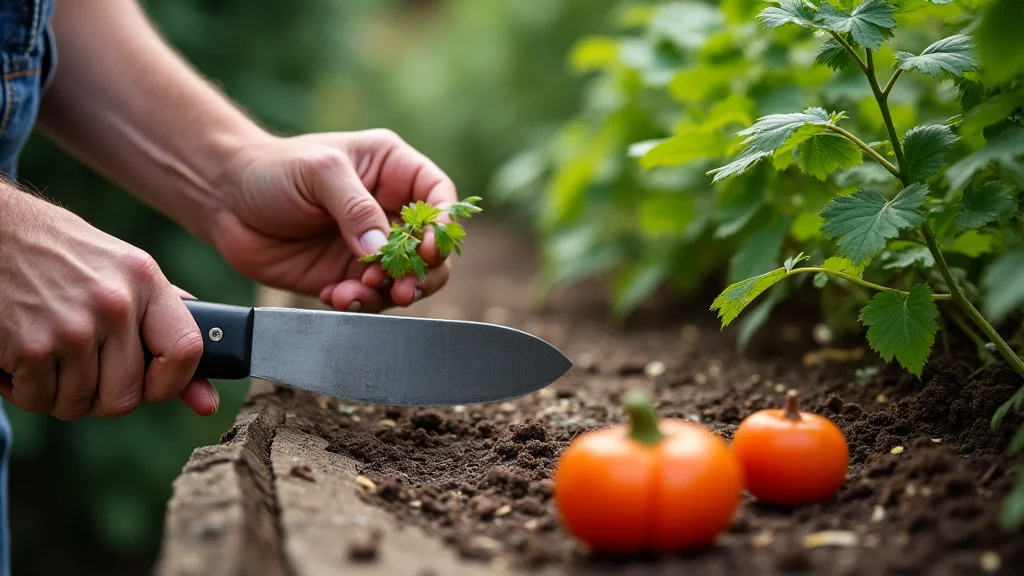
Remember that time you tried to plant a sunflower seed with a spoon? It didn’t go so well, right? Gardening can be super fun, but having the right gardening tools grade 6 makes all the difference! This post is all about the tools you’ll need to create your own garden, from planning to planting and beyond. You’ll explore the basics of what each tool does and how to use it safely. Get ready to learn about the best tools to help you grow beautiful flowers, tasty vegetables, or anything else you’d like to plant. You’ll gain practical knowledge about essential tools, along with expert advice to get you started on your gardening adventure and avoid common issues. We’ll help you master the skills and tools you need to become a successful gardener.
Key Takeaways
- Discover the essential gardening tools grade 6 students should have.
- Learn the different uses of each tool and how they can assist you.
- Explore how to select the right tool based on gardening needs.
- Understand important safety precautions and how to properly care for tools.
- Explore where to obtain gardening tools, and the considerations related to pricing.
- Gain valuable tips to make gardening a fun and productive experience.
Getting Started: Choosing the Right Tools
Before you get your hands dirty, it’s vital to get the right equipment. Imagine building a Lego castle without any bricks. You can’t. Similarly, you can’t start a garden without proper gardening tools grade 6. The types of tools you need can vary based on what you plan to grow. If you’re planning to raise flowers, vegetables, or herbs, there are specific tools that work best for each task. Let’s start with the basics, then move on to other tools that can take your gardening skills to the next level. This knowledge helps create a garden that is safe, effective, and fun to maintain, while also teaching you responsibility and patience.
The Essential Toolkit
Every gardener needs a basic set of tools. These tools are the foundation for any gardening project. Without them, tasks that would normally be easy become hard. They’re designed to make gardening tasks easier, more effective, and a bit more fun. When selecting these gardening tools grade 6, think about the durability and comfort of the tools. If tools are well-made and easy to handle, you’ll find gardening much more enjoyable and be able to work more efficiently. Remember, good tools also last longer, which is good for the environment and your wallet.
- Hand Trowel: This is a small scoop-shaped tool, perfect for digging small holes for planting seeds or seedlings.
- Hand Fork: A small, three- or four-pronged tool used for loosening soil and removing weeds.
- Gardening Gloves: Essential for protecting your hands from dirt, thorns, and potential irritants.
- Watering Can or Hose: For providing plants with the water they need to grow.
- Small Hand Rake: Useful for smoothing soil and removing debris.
A hand trowel is like your gardening spoon. It’s perfect for scooping up soil to plant seeds or transplant small plants. You’ll also use it to dig holes. Look for a trowel made from stainless steel or a sturdy plastic material. This ensures that it is rust-resistant, and can handle some rough use. The handle should feel comfortable in your hand. Consider choosing a trowel with a rounded or pointed blade based on your gardening needs. This small but mighty tool is a must-have for any gardener.
A hand fork is like a tiny rake, great for loosening soil in small areas and pulling out weeds. It also can help aerate the soil, which helps improve plant growth. Choose one with strong metal tines that won’t bend easily. A comfortable handle is also very important. Use the hand fork gently to avoid damaging the roots of any plants you want to keep. It can reach between plants and in tight spaces where larger tools can’t.
Gardening gloves are a must-have for protecting your hands. They shield your skin from dirt, sharp thorns, and harsh chemicals. They also can help prevent blisters or cuts. Choose gloves made of durable materials like leather or synthetic fabrics. Make sure they fit your hands well. They need to give you a good grip and allow for some flexibility. Gardening gloves make the experience cleaner, and help make you safe while you work.
Providing water is a critical task for any gardener. A watering can or hose helps you give your plants the hydration they require. Consider the size of your garden when choosing. A watering can is great for small gardens or containers. A hose is perfect for larger gardens. Ensure the hose has a nozzle with adjustable settings, allowing for a gentle spray for delicate plants. Always water in the morning or evening to reduce water loss. Water the soil directly, not the leaves, to prevent diseases.
A small hand rake is like a mini version of the big garden rake. It’s good for smoothing soil surfaces before planting and removing leaves or other debris. Use it to gently break up clumps of soil and prepare the ground for planting. Choose a rake with sturdy tines, to avoid bending. Make sure the handle is comfortable. Using the rake carefully will help you level the ground, making your garden look neat and making it easier to plant seeds.
Advanced Tools for the Aspiring Gardener
Once you’ve mastered the basics, you might consider some advanced tools. These tools make more complex tasks much easier and help to increase efficiency. These are some of the tools that can make gardening easier. With these tools, you can handle more complicated tasks.
- Garden Spade: A flat-bladed shovel for digging, edging, and moving soil.
- Garden Hoe: Used for weeding, cultivating soil, and creating rows for planting.
- Pruning Shears (Secateurs): For trimming and shaping plants and cutting stems.
- Wheelbarrow: For transporting soil, compost, and other materials.
A garden spade is a flat-bladed shovel that’s perfect for digging, edging, and moving soil. It’s a bit bigger than a hand trowel, making it perfect for bigger jobs. Use it to dig holes for larger plants, create garden borders, or move soil from one place to another. Look for a spade with a strong blade and a comfortable handle. When digging, place the blade into the soil and use your foot to push down. This will make the work easier and help keep your back safe.
A garden hoe has a flat blade attached to a long handle, and it is great for weeding and cultivating the soil. You use it to remove weeds and loosen the soil surface. Use a hoe to prepare rows for planting. Sweep the blade just below the soil surface to remove weeds. Choose a hoe with a sturdy blade and a handle that is the right length for your height. This helps prevent back strain. The hoe is a quick and effective tool for keeping your garden tidy and ready for planting.
Pruning shears, also known as secateurs, are like scissors for plants. They’re used for trimming and shaping plants, and cutting stems. Use them to remove dead or damaged branches, encourage growth, and keep your plants looking neat. Select pruning shears with sharp blades and comfortable handles. Make sure the blades are kept clean and sharp to prevent damage to the plants. Regular pruning is important for the health and appearance of your plants.
A wheelbarrow is an essential tool for carrying soil, compost, and other materials around your garden. It can save you lots of trips. Choose a wheelbarrow that’s the right size for your garden and the tasks you do. The capacity is determined by its size and construction. A good wheelbarrow will be sturdy and have a comfortable handle. Use the wheelbarrow to move heavy materials like soil, fertilizer, or plants.
Choosing the Right Tools for Your Gardening Needs
The right tools can make all the difference, so selecting the appropriate equipment is a key part of successful gardening. The first step involves assessing your garden space, considering the size and type of plants you plan to grow. Some tools are better for certain tasks, while others can be used for a wide range of gardening activities. It also matters how often you will be using your gardening tools grade 6.
Matching Tools to Tasks
When selecting your tools, it’s important to match them to the jobs you need to do. Each tool is designed with a specific purpose. Understanding these purposes is key to effective gardening. Choosing the right tool saves you time and effort and helps you take proper care of your plants.
- Seed Starting: Use a hand trowel to make small holes. A watering can is perfect for gentle watering.
- Weeding: A hand fork is perfect for removing weeds.
- Planting: Use a hand trowel or garden spade for planting.
- Watering: A watering can or hose is essential.
- Pruning: Use pruning shears to trim plants.
When starting seeds, you’ll need tools that can handle delicate tasks. A hand trowel can be used to make the small holes for planting seeds or transplanting seedlings. A watering can with a rose head is great for providing a gentle, even watering that won’t damage the delicate seedlings. You might also want a small ruler to measure the depth of planting holes.
Weeding is a vital part of gardening. A hand fork is great for pulling weeds from the soil. Use the hand fork to loosen the soil around the weeds. Then carefully lift the weeds out, making sure to remove the roots. Gardening gloves are important. You’ll use these to protect your hands. Always check for weeds regularly to prevent them from taking over your garden.
Planting involves more than just putting a plant in the ground. The hand trowel is great for digging small holes for seedlings. A garden spade is needed for digging larger holes for larger plants. Ensure the hole is big enough for the plant’s roots. After you plant, use your hands to gently firm the soil around the plant. Also, remember to water the plant well after planting.
Proper watering is key to healthy plants. A watering can or hose can give the plants the moisture they require. A watering can is perfect for smaller gardens or container plants. A hose with an adjustable nozzle is better for larger areas, allowing you to control the water flow. Water deeply and regularly, especially during dry periods, to make sure the roots get enough moisture. Avoid overwatering.
Pruning keeps plants healthy and promotes new growth. Use pruning shears for trimming and shaping your plants. Make clean cuts just above a leaf node or branch joint. This helps the plant heal quickly. Pruning regularly will maintain the health and appearance of your plants, helping them to thrive. Make sure you use the right pruning tools.
Considering Your Garden’s Size and Type
The size and type of your garden will influence the tools you select. A small balcony garden won’t require the same equipment as a larger backyard plot. The kind of plants you intend to grow also matters. Consider the tasks involved, from soil preparation to plant care. This thought process will help you select the most effective tools.
Here is an example, to illustrate the choice of tools based on garden type:
- Small Balcony Garden: You’ll need a hand trowel, hand fork, gardening gloves, and a small watering can. These tools are perfect for working in a small space and taking care of container plants.
- Vegetable Garden: A garden spade, hoe, garden fork, pruning shears, and wheelbarrow are good choices.
- Flower Garden: A hand trowel, hand fork, pruning shears, and watering can are appropriate tools.
For a small balcony garden, focus on tools that are easy to store and use in a limited space. Lightweight tools, such as a hand trowel, hand fork, gardening gloves, and a small watering can are excellent choices. These tools will handle the basics of planting, weeding, and watering in containers or small garden beds. Choose durable, compact tools that can withstand being stored in a smaller area.
Vegetable gardens often require a bit more effort because of their scale. A garden spade is important for digging and preparing the soil. The hoe helps with weeding and creating rows for planting. The garden fork can be used for loosening the soil and removing weeds. Pruning shears are good for maintaining the plants. A wheelbarrow is very helpful for moving soil, compost, and harvested vegetables.
Flower gardens often need more precision. A hand trowel and hand fork are used to plant and weed between flowers. Pruning shears will help trim and shape the plants. A watering can is useful for watering in a careful way. A small hand rake can also be useful for leveling the soil and removing any debris.
Safety First: How to Use and Care for Gardening Tools
Safety is the most important part of any gardening activity. Correct use and maintenance of gardening tools grade 6 helps prevent accidents, and prolongs the lifespan of your tools. Take care when handling tools, such as shovels, hoes, and shears. Proper tool care also means you’ll protect yourself and your tools.
Safe Handling Tips
When you use gardening tools grade 6, follow basic safety rules. Proper handling is important for preventing injuries and ensuring the tools work well. Here are some basic tips to practice every time you garden. These tips help make sure you are safe and that you get the most out of your tools.
- Wear Appropriate Protective Gear: Use gardening gloves and safety glasses.
- Use Tools for Their Intended Purpose: Don’t use a trowel as a hammer.
- Keep a Safe Distance: Make sure there is enough space around you.
- Watch Out for Underground Utilities: Do not dig near power lines.
- Supervision: Gardening tools can be dangerous, and you should always be supervised by a parent or guardian.
Always wear appropriate protective gear. Gloves are a must-have, protecting your hands from dirt, thorns, and other irritants. Safety glasses will keep your eyes safe from flying debris. Wearing the right gear is very important for making sure you are safe when gardening.
Always use tools for the purpose they were designed for. Don’t use a trowel as a hammer. Using the tool for what it was made for will make the job easier and help you avoid accidents. Understand the purpose of each tool, and stick to its correct use.
Always make sure you have enough space to use tools safely. Make sure you are not too close to anyone else while you are gardening. Ensure you have plenty of room to swing tools like hoes or shovels without hitting anything. Being careful of your surroundings will help to avoid accidents.
Make sure you know where any underground utilities are located. Before you start digging, check for any underground pipes or wires. Call your local utility company to locate and mark any underground lines. This step will help keep you safe from harm.
Always ensure a responsible adult is present when working with tools. Ask for guidance. Never use any tool without supervision or instruction. Learning proper techniques and safety measures is vital for a safe and fun gardening experience.
Proper Tool Care and Maintenance
To keep your gardening tools grade 6 working well for a long time, regular maintenance is needed. Properly caring for your tools means they’ll be ready whenever you need them. Here are some simple methods for caring for your tools and to keep them working well.
- Clean Tools After Each Use: Wipe dirt off with a cloth.
- Sharpen Blades Regularly: Use a file to keep the blades sharp.
- Store Tools Properly: Hang tools or store them in a shed.
- Inspect Tools Regularly: Look for any damage.
After each time you use your tools, clean them right away. Wipe any dirt, mud, or plant debris off the tools with a damp cloth or brush. This prevents rust. It also helps the tools stay in good shape. Clean tools are safer and work better.
Keep the blades on your tools sharp, such as the blades on your shears, and hoes. A sharp blade requires less effort to use and gives you a cleaner cut. Get help from an adult and use a file to keep the blades in good shape. Clean, sharp tools are much safer to use.
Make sure your tools are stored safely in a dry place after use. A shed, garage, or storage rack is a great choice. Hanging the tools will help to keep the blades from getting dull or damaged. Proper storage is key to extending the life of your tools and keeping them safe.
Take some time to check your tools before each use. Make sure the handles are secure and the blades are in good condition. Look for any damage or loose parts. Check that the handles are secure. Fixing any problems right away can prevent accidents.
Finding and Obtaining Gardening Tools
Once you’ve decided on your gardening tools, you need to find them. The good news is that gardening tools grade 6 are available at many places. Knowing where to look, and what to consider when you buy tools, will ensure you get the best tools for your needs. There are options for finding tools, based on your budget and what you are looking for.
Where to Buy
You can purchase gardening tools from various places. Depending on your needs, you can easily find places to get the tools you need.
- Local Hardware Stores: You can find a good selection of tools.
- Big Box Stores: Many stores offer affordable options.
- Online Retailers: There are often many choices available.
- Garden Centers: They usually have a high-quality selection.
Hardware stores are a perfect choice for buying gardening tools. They usually have a variety of tools, as well as a great selection for gardeners of all levels. Shop around. Compare prices and quality before you decide. Don’t be afraid to ask the staff for help.
Big box stores are also good places to purchase gardening tools. They often have affordable options. You can compare different brands and types of tools. Make sure the tools are the right fit for your gardening goals. The selection is very big, so you can often find what you need at a lower cost.
Online retailers, such as Amazon, are another easy place to shop. You can browse from home. Check the reviews before you purchase anything, and compare prices. Online shopping offers convenience. However, you can’t touch or test the tools before you buy them.
Garden centers offer a specialized selection of gardening tools and plants. You’ll find more information and advice, which is perfect for new gardeners. They usually have high-quality tools that are designed to last. They’re a perfect choice if you want to invest in tools that are made well.
Factors to Consider
When you choose your tools, there are several things to consider. These factors will help you make a good purchase. They also help you choose tools that fit your needs and budget.
- Quality: Buy tools that are made well.
- Price: Compare prices before you buy.
- Ergonomics: Choose tools that are comfortable to use.
- Durability: Think about the tools’ construction.
Investing in quality tools is a wise choice. Tools made of sturdy materials, like stainless steel or strong plastics, will last longer and handle gardening tasks better. Higher quality tools also provide a better gardening experience. They are more effective and safer to use. Choose tools that will last, and that are constructed with high-quality materials.
Set a budget, and then compare prices. Look at different stores and online retailers to ensure you are getting a good deal. Determine how often you will be using a tool. Think about how much you are willing to spend to make gardening enjoyable and successful. It is important to find tools that fit your needs and your budget.
Choose tools that are comfortable and fit your hand. Look for handles that fit well and are easy to grip. Well-designed tools can help make gardening easier. You’ll also prevent stress on your hands and body. Comfortable tools mean you can work for longer periods without feeling tired.
Look for tools made of durable materials that can withstand rough conditions. Consider how frequently you’ll be gardening and the kind of tasks you will be doing. Tools that are built to last will provide better performance, and save you money in the long term.
Frequently Asked Questions
Question: What is the best type of material for a hand trowel?
Answer: Hand trowels made of stainless steel or durable plastic are the best choices because they resist rust and wear.
Question: How often should I sharpen pruning shears?
Answer: Sharpen pruning shears regularly, usually after several uses or if you notice they are not cutting cleanly.
Question: How can I tell if a hose nozzle has the correct settings?
Answer: A good hose nozzle should have adjustable settings, such as a gentle shower for watering delicate plants and a jet for cleaning.
Question: What do I do if a tool gets rusty?
Answer: You can remove rust by scrubbing the tool with a wire brush or steel wool. After cleaning, dry the tool thoroughly and apply a protective oil.
Question: What are the main features of good quality gardening gloves?
Answer: High-quality gardening gloves should be made of durable materials like leather or synthetic fabric, have a snug fit, and offer good grip.
Final Thoughts
As you explore the world of gardening tools grade 6, you’ll discover that the right tools make gardening fun and easy. Knowing how to select the right tools will make your gardening journey rewarding. With the basics like a trowel, hand fork, and gloves, you’re ready to start planting. Learning to take care of these tools is a skill that will last a lifetime. Choose tools that fit your garden size and type. Always put safety first. You’ll be prepared for success in your garden. With the right tools and a little bit of know-how, you can create a thriving garden, no matter your experience level. So, grab your gloves, get out there, and enjoy the amazing experience of gardening!